Gorilla Habituation Experience in Bwindi: Everything You Need to Know
The Gorilla Habituation Experience in Bwindi Impenetrable National Park offers an unparalleled opportunity to observe the inner workings of gorilla society while gaining insight into their natural behaviors. Unlike standard gorilla trekking, which allows visitors to observe already-habituated groups for a limited time, the habituation experience takes visitors deeper into the process of integrating gorillas into human observation. This activity is intensive, educational, and highly rewarding, providing a rare glimpse into the complex social structures and daily routines of Bwindi’s mountain gorillas. For wildlife enthusiasts, conservationists, and photographers, participating in a habituation experience is one of the most immersive ways to engage with Uganda’s critically endangered primates.
Bwindi Impenetrable National Park, located in southwestern Uganda, is a UNESCO World Heritage Site renowned for its dense forests and extraordinary biodiversity. It is home to nearly half of the world’s mountain gorilla population, making it one of the premier destinations for primate tourism and conservation-focused experiences. The habituation process is carefully managed by Uganda Wildlife Authority (UWA) teams, combining strict safety protocols, ecological knowledge, and behavioral expertise to ensure minimal disturbance to the gorillas while offering visitors a rare educational experience.
Understanding Gorilla Habituation: What It Means
Gorilla habituation is the process by which wild gorilla groups are gradually acclimated to human presence. Unlike habituated gorillas, which are accustomed to seeing tourists for limited observation sessions, unhabituated gorillas are wary of humans and remain hidden deep within the forest. Habituation involves daily tracking and observation by trained field teams, often over months or even years, allowing gorillas to adapt to human proximity without altering their natural behaviors.
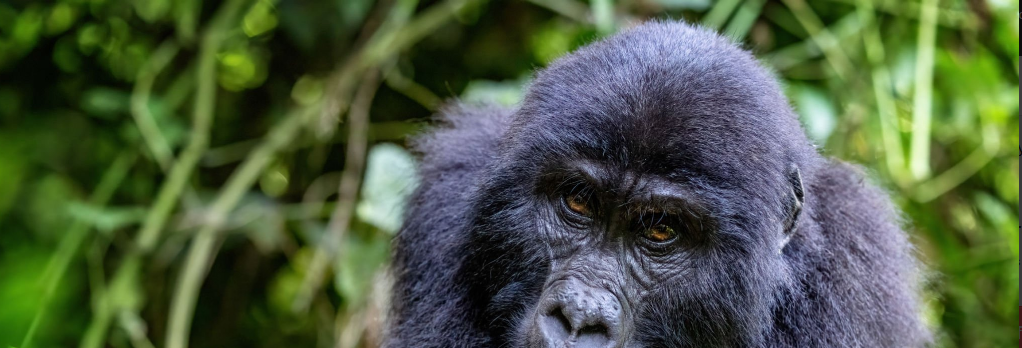
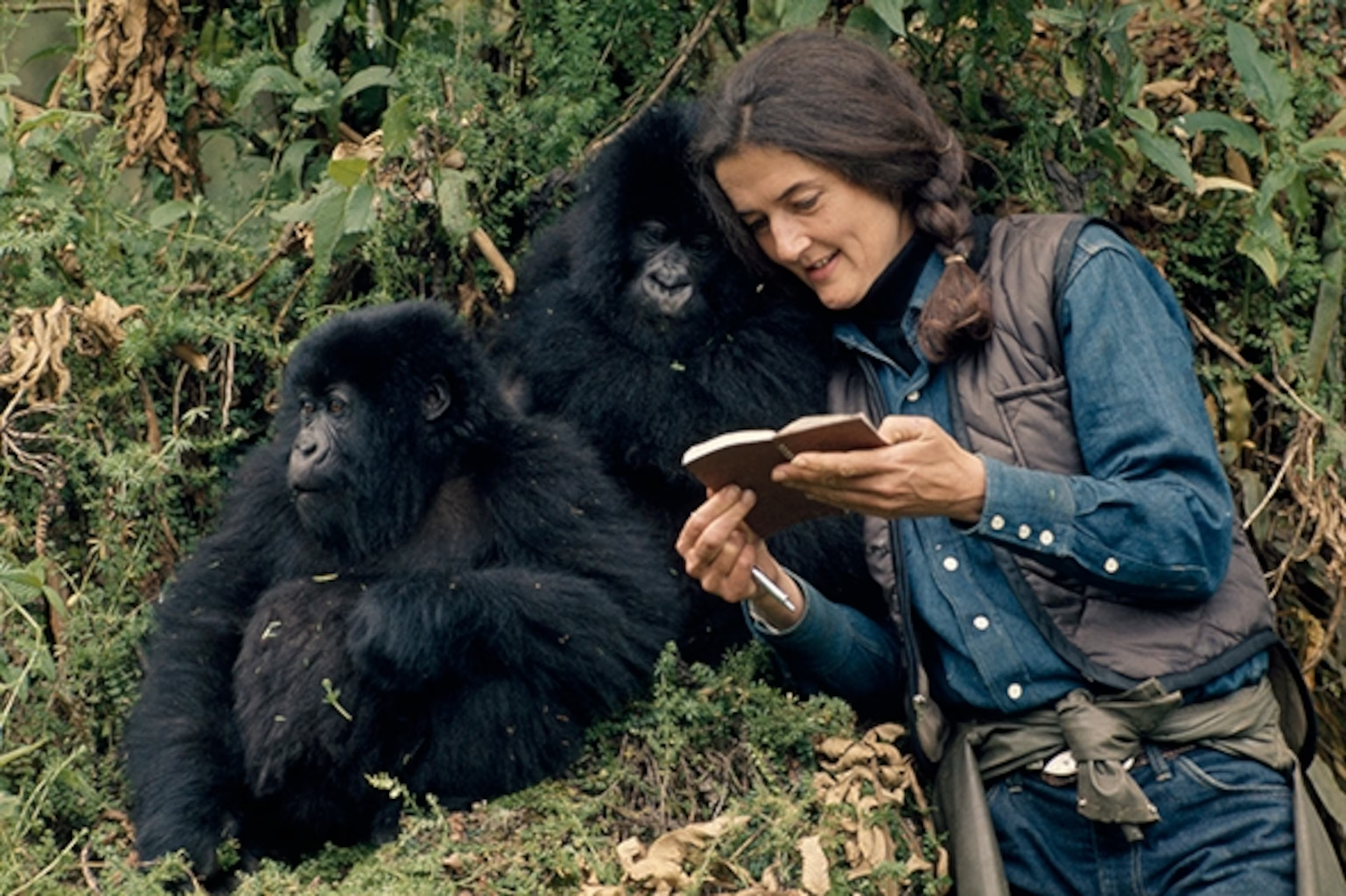
Visitors participating in a habituation experience have the opportunity to observe gorillas in the midst of this process. Unlike standard trekking, habituation can involve longer time spent with gorillas, witnessing feeding, social interactions, grooming, play, and even resting periods. Participants gain a deeper understanding of gorilla dynamics, individual personalities, and the challenges faced by conservation teams in protecting these critically endangered animals.
How the Experience Works: Daily Activities
The Gorilla Habituation Experience typically begins early in the morning with a briefing from UWA rangers and guides. Participants are introduced to safety protocols, proper conduct in the forest, and guidelines for interacting with the gorillas. The group is then led on a trek into Bwindi’s dense rainforest, which can range from a few hours to a full day depending on the location of the habituation group.
Tracking unhabituated or partially habituated gorillas requires patience and careful observation. Participants may follow gorillas as they move through the forest, noting feeding habits, vocalizations, and group interactions. The experience often includes moments of quiet observation when gorillas are resting or interacting socially. Rangers and trackers provide continuous education on gorilla behavior, habitat conservation, and the ecological significance of the forest ecosystem.
Unlike standard gorilla trekking, which limits viewing time to one hour, habituation experiences allow longer engagement, often including a full morning or afternoon. This extended observation offers unparalleled insight into the gorillas’ daily routines, including nurturing behaviors, sibling interactions, and dominance hierarchies within the group.
What to Expect in Terms of Difficulty and Terrain
The habituation experience in Bwindi is physically demanding. The rainforest terrain is steep, dense, and occasionally muddy, requiring participants to have a moderate level of fitness. Treks can involve navigating through thick undergrowth, crossing small streams, and climbing uneven slopes. Proper hiking gear, sturdy boots, rain protection, and insect repellent are essential. Despite the physical challenges, the journey through Bwindi’s lush and biodiverse forest is incredibly rewarding, offering glimpses of unique flora, forest birds, and other wildlife along the way.
Participants should be prepared for long hours on their feet, variable weather conditions, and the possibility of slow progress as the gorillas move through their natural habitat. However, the immersive experience of being in the forest and observing gorillas in real-time more than compensates for the physical effort.
Conservation and Ethical Considerations
The Gorilla Habituation Experience is designed not only to provide a memorable wildlife encounter but also to support conservation objectives. Participation contributes directly to Uganda Wildlife Authority’s efforts to protect mountain gorillas and maintain their habitat. By generating revenue through tourism, the program funds anti-poaching patrols, ecological monitoring, and community development initiatives surrounding Bwindi National Park.
Strict ethical protocols are enforced during habituation visits to ensure minimal disturbance to the gorillas. These include maintaining safe distances, limiting the number of participants per group, and enforcing hygiene measures to prevent disease transmission. Visitors are expected to follow all ranger instructions, respect gorilla space, and avoid behaviors that could stress the animals.
Benefits of the Habituation Experience
The habituation experience offers several unique benefits compared to standard trekking. First, it provides a deeper understanding of gorilla behavior, social structure, and personality traits. Second, the extended observation time allows for detailed photographic opportunities and meaningful educational experiences. Third, participants gain direct insight into the conservation process, witnessing firsthand the efforts required to protect and monitor these endangered primates.
For researchers, students, and wildlife enthusiasts, the habituation experience is invaluable for studying primate behavior, ecology, and social interactions in a natural environment. For tourists, it offers a once-in-a-lifetime encounter that combines adventure, education, and conservation impact.
Practical Tips for Planning Your Experience
To maximize the habituation experience in Bwindi, travelers should plan ahead. Booking in advance is essential due to limited daily permits and high demand. Physical preparation is recommended, including hiking practice and acclimation to humid, uneven terrain. Visitors should also prepare for variable weather, bring appropriate gear, and carry essentials such as water, snacks, and personal medical supplies.
Engaging a knowledgeable guide enhances the experience, as guides provide detailed insights into gorilla behavior, forest ecology, and conservation challenges. Visitors should also respect rules regarding photography, noise levels, and personal hygiene to ensure a safe and ethical encounter.
A Rare and Rewarding Wildlife Encounter
The Gorilla Habituation Experience in Bwindi offers a rare opportunity to witness mountain gorillas in a deeply immersive and educational way. Unlike standard trekking, habituation provides extended observation, insight into gorilla social dynamics, and a direct connection to conservation efforts. Despite the physical challenges of navigating Bwindi’s dense rainforest, the rewards are profound-close encounters with one of the planet’s most iconic and endangered species, unforgettable photographic moments, and a deep understanding of the ecological and conservation importance of these gentle giants.
Participating in a habituation experience is more than a wildlife adventure; it is a step into the world of mountain gorillas, a chance to witness their lives up close, and an opportunity to support the ongoing efforts to protect Uganda’s natural heritage. For anyone seeking a transformative wildlife experience, Bwindi’s Gorilla Habituation offers memories that last a lifetime.