Virunga National Park Gorilla Permits: Cost, Booking and What to Expect
Gorilla trekking in Virunga National Park is one of the most thrilling wildlife experiences in the world, but it comes with strict regulations and permit requirements. In 2026, these permits remain the key to accessing mountain gorillas safely and responsibly while supporting ongoing conservation efforts. Understanding the cost, booking process, rules, and what to expect is essential for planning a successful Virunga gorilla trek.
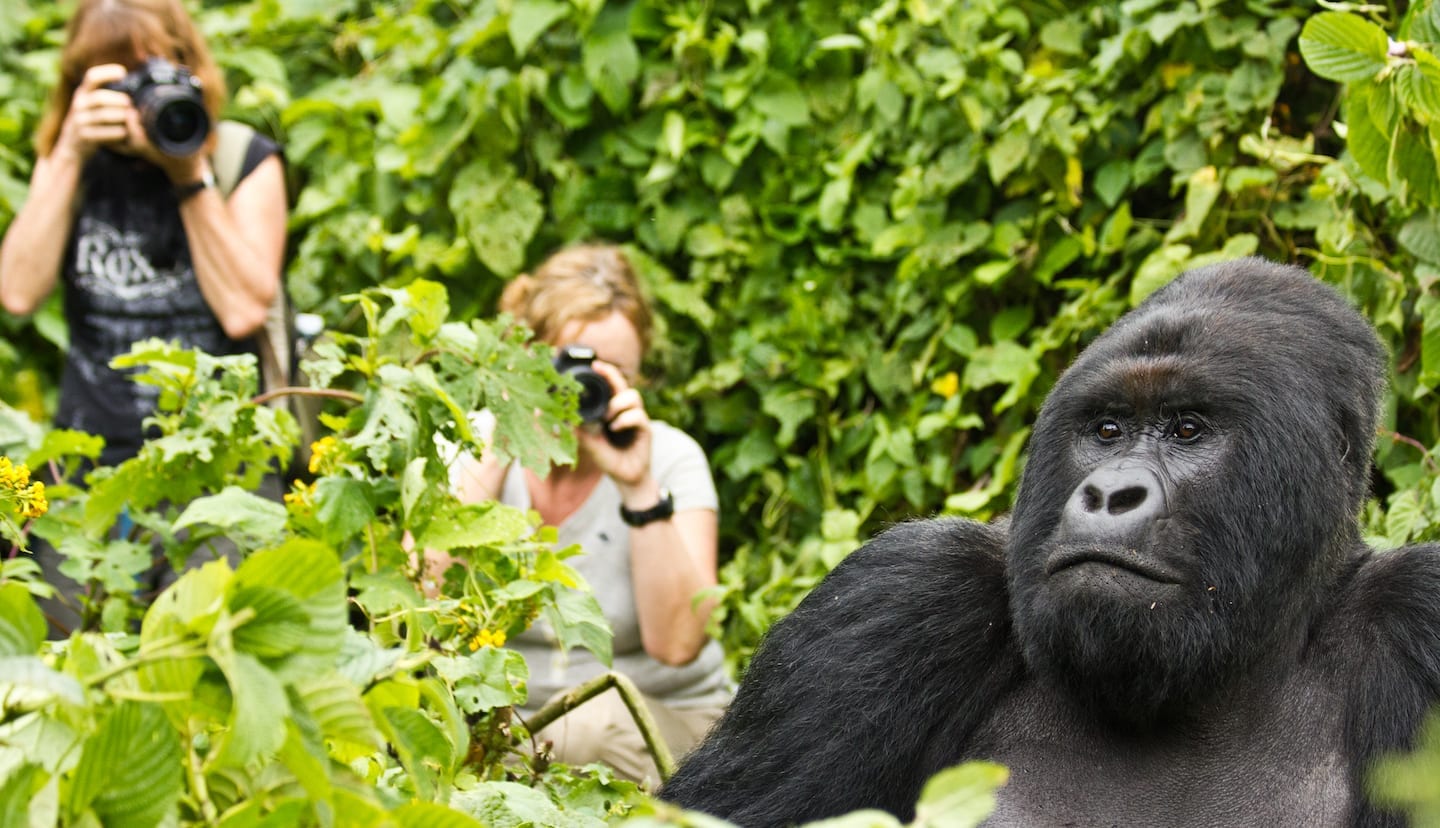
This guide provides a comprehensive, traveler-focused look at how permits work, the associated costs, the process of booking, and the experience on the ground, ensuring visitors are fully prepared for this unique adventure.
Why Gorilla Permits Are Essential
Gorilla permits serve multiple purposes:
- Conservation: Permits help fund ranger patrols, anti-poaching initiatives, and research programs that protect critically endangered mountain gorillas.
- Controlled Access: Limiting the number of visitors reduces stress on gorilla families and prevents habitat disturbance.
- Legal Entry: Only visitors with official permits are authorized to enter the trekking zones within Virunga National Park.
- Safety: The permit system ensures trekkers are briefed on safety protocols, rules for gorilla interaction, and emergency procedures.
Without a permit, it is illegal to attempt gorilla trekking in Virunga, and the risks to both humans and gorillas are significant.
Permit Cost in 2026
As of 2026, Virunga National Park gorilla permits are priced to reflect the complex logistics and security measures involved in the DRC. Prices can fluctuate slightly based on park policy, but a standard gorilla trekking permit typically costs between $400 and $450 per person.
Key points regarding cost:
- Children’s discounts may apply but are limited due to age restrictions and health considerations.
- Fees are generally non-refundable once issued.
- Some operators may bundle the permit with transport, accommodation, and guide services.
The permit cost directly contributes to the protection of mountain gorillas, funding the efforts of rangers, trackers, and conservation programs in one of the most challenging and sensitive environments in the world.
How to Book Gorilla Permits
Booking a Virunga gorilla permit involves a multi-step process:
- Plan Early: Due to limited quotas, permits often sell out months in advance, especially during peak seasons (June-September and December-March).
- Choose a Tour Operator: Only official operators registered with the park can secure permits. Selecting a reputable operator ensures legitimacy, safety, and logistical support.
- Confirm Payment and Details: Payment is usually required upfront. You will need to provide passport details, travel dates, and any special requirements.
- Receive Permit Confirmation: Once confirmed, the park issues a permit with details of your assigned gorilla family, date, and briefing schedule. Always print or carry a digital copy.
What to Expect on Trekking Day
Permits regulate the trekking experience to minimize impact on gorillas while maximizing visitor satisfaction.
Morning Briefing:
Visitors gather at park headquarters, receive instructions from guides and rangers, and are allocated a specific gorilla family. Safety, behavior, and photography rules are emphasized.
The Trek:
Trek duration can range from 2 to 8+ hours, depending on where the gorillas were last seen. Trails vary in difficulty, from relatively flat forest paths to steep, muddy climbs. Guides and trackers ensure trekkers follow the gorillas without disturbing them.
Gorilla Encounter:
- Each group spends one hour with the gorillas.
- Observers must maintain a minimum distance of 7 meters.
- Interaction rules prohibit eating, drinking, or sudden movements near gorillas.
- Photography is allowed, but no flash is permitted.
After the Trek:
Visitors return to their lodge or camp, with optional activities such as nature walks, birdwatching, or visits to local communities.
Permit Rules and Regulations
The permit system enforces rules to protect gorillas and ensure a safe trekking experience:
- Groups are limited in size to reduce stress on the animals.
- Only healthy individuals should participate; those with communicable diseases are discouraged.
- Adherence to guide instructions is mandatory at all times.
- Trekkers must not leave designated paths or attempt to interact with gorillas outside assigned observation periods.
Tips for a Successful Permit Experience
- Book early: High demand and limited permits mean early planning is crucial.
- Pack appropriately: Bring sturdy hiking boots, gloves, rain gear, and water.
- Stay fit: Treks can be physically demanding; preparation improves enjoyment.
- Respect the wildlife: Follow all rules, move quietly, and avoid sudden movements.
- Plan logistics with your operator: Confirm accommodation, transport, and meals for a seamless experience.
How Permits Support Conservation
Beyond access, gorilla permits play a pivotal role in sustaining conservation programs in Virunga National Park:
- Funding ranger patrols and anti-poaching units.
- Supporting gorilla research and monitoring programs.
- Promoting community engagement initiatives to reduce human-wildlife conflict.
- Strengthening the park’s infrastructure and eco-tourism offerings.
By purchasing a permit, travelers directly contribute to the protection of one of the world’s most endangered species while enabling sustainable tourism that benefits local communities.
Virunga National Park gorilla permits are more than just a ticket to see mountain gorillas – they are a critical component of conservation and responsible tourism. In 2026, obtaining a permit requires planning, adherence to rules, and engagement with registered operators, but the experience it unlocks is unmatched. Trekking with a gorilla family is a rare and unforgettable encounter that blends adventure, education, and meaningful support for one of Africa’s most iconic species.
Everything You Need to Know About Mountain Gorillas
The mountain gorilla (Gorilla beringei beringei) is one of the world’s most endangered great apes and one of its most magnificent wildlife spectacles. With fewer than 1,063 individuals remaining in the wild, every encounter with a habituated gorilla family is a rare and deeply moving privilege.
Mountain gorillas live in family groups of 5-30 individuals, led by a dominant silverback male. Gorillas are primarily herbivores, feeding on leaves, stems, bark, roots and fruits – a silverback can consume up to 34kg of vegetation per day. At dusk each individual builds a fresh sleeping nest from bent vegetation.
Where to See Mountain Gorillas
Mountain gorillas can only be seen in the wild – they do not survive in captivity. They exist in two populations:
- Bwindi Impenetrable Forest, Uganda: The largest gorilla population, home to over 400 individuals across 19 habituated families. Four trekking sectors: Buhoma, Ruhija, Rushaga, and Nkuringo.
- Virunga Massif: Shared between Uganda (Mgahinga), Rwanda (Volcanoes National Park), and the DRC (Virunga National Park). Home to around 600 gorillas across the six volcanic mountains.
Gorilla Trekking Permits – Uganda vs Rwanda
Both Uganda and Rwanda offer outstanding gorilla trekking experiences with important differences:
- Uganda (USD 800): More affordable permit. Greater number of habituated families and sectors. Bwindi terrain is more challenging but offers more choice. Also offers the Gorilla Habituation Experience (USD 1,500).
- Rwanda (USD 1,500): Higher permit cost but closer to Kigali airport (2.5 hours). More developed luxury lodge sector. Smaller park but highly managed experience with reliable gorilla sightings.
Recommended Tours: 4 Days Bwindi Gorilla Trekking Safari | 4 Days Rwanda Gorilla Trekking Safari