Kibale National Park
August 1, 2024
Budongo Forest National Park
August 1, 2024

Rwenzori Mountains National Park
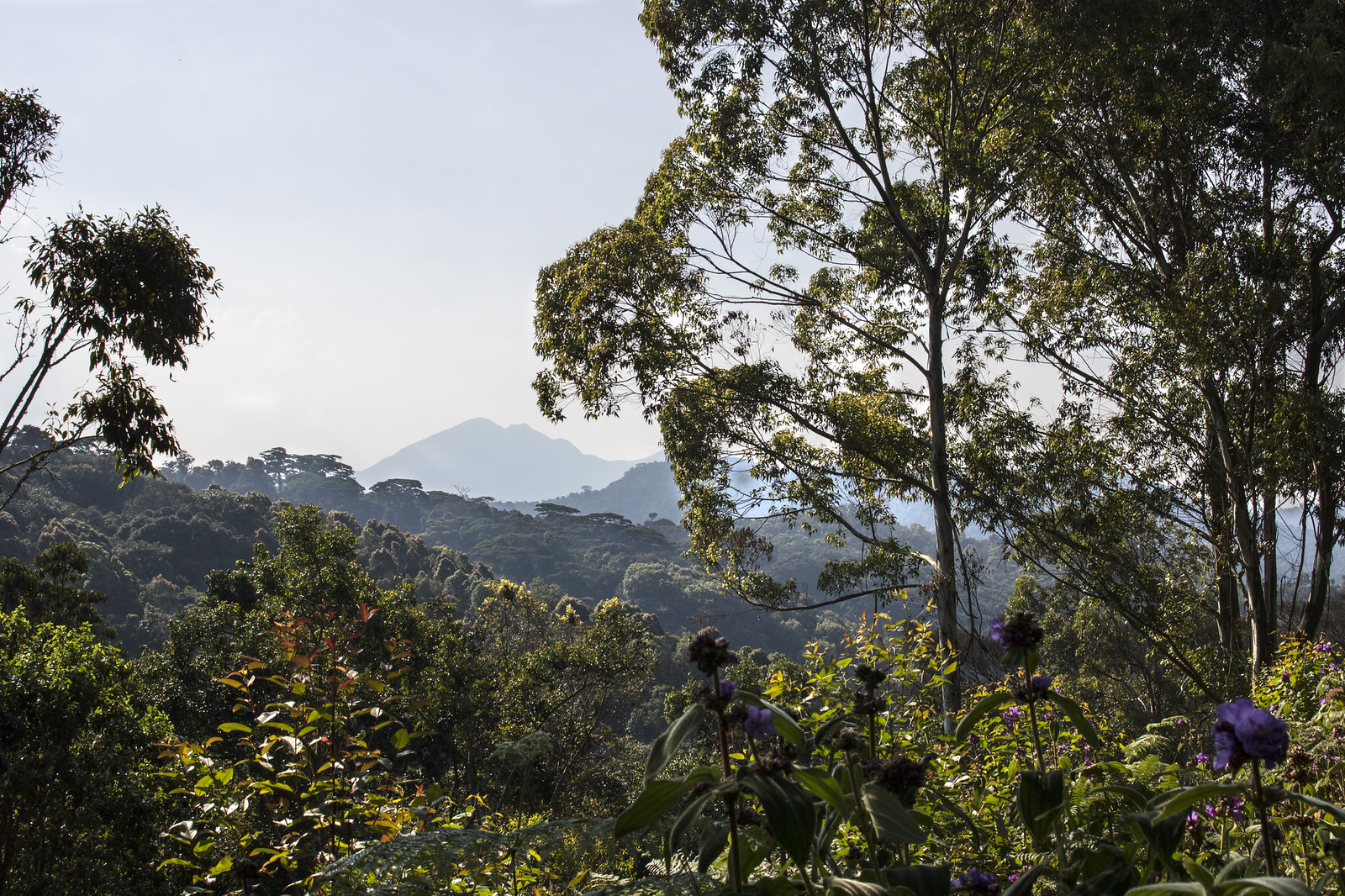
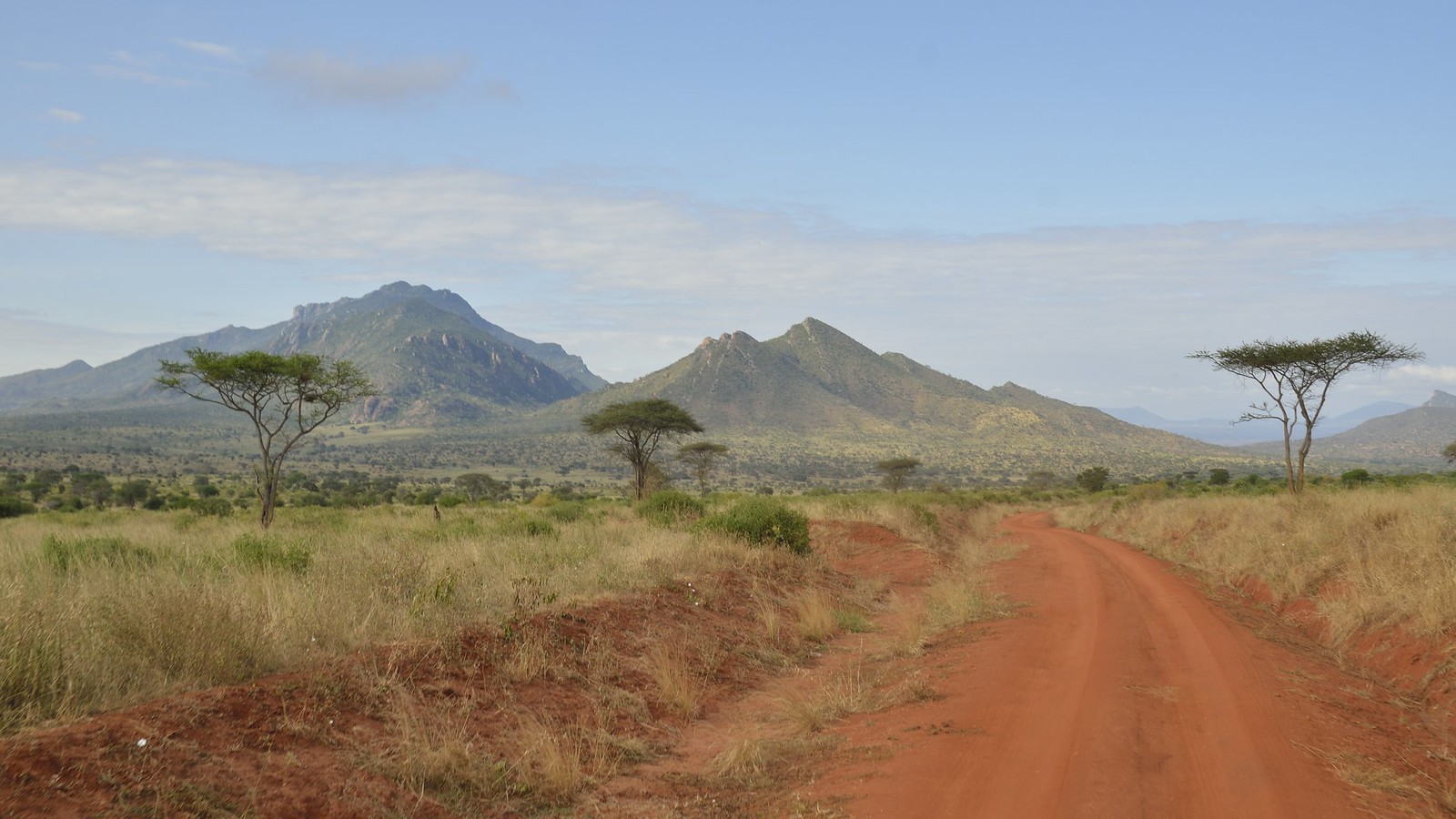
Rwenzori Mountains National Park is one of Uganda’s most dramatic and awe-inspiring natural landscapes, often called the “Mountains of the Moon” due to their mist-shrouded peaks and legendary rivers. Situated along the border with the Democratic Republic of Congo in western Uganda, the park protects a unique alpine ecosystem, glaciers, and some of Africa’s highest mountains.The Rwenzori range rises sharply from the surrounding lowlands, creating towering peaks, steep valleys, and cascading waterfalls. This UNESCO World Heritage Site is famed for its breathtaking scenery, challenging trekking routes, and exceptional biodiversity, offering an entirely different experience from Uganda’s savannah and rainforest parks.




Attractions In Rwanda
Attractions In Tanzania
Rwenzori Mountains National Park
Rwenzori Mountains National Park is a crown jewel of Uganda’s highlands, combining extraordinary landscapes, rich biodiversity, and world-class trekking. From glacier-capped peaks and cascading waterfalls to endemic wildlife and alpine vegetation, the park provides an adventure that engages body, mind, and soul. Visiting the Rwenzori Mountains is more than a hike—it is a journey into one of Africa’s most spectacular and untouched natural environments.
Rwenzori Mountains National Park: National Parks and Protected Areas
The Mountains of the Moon: Peaks and Glaciers
The Rwenzori Mountains are home to Africa’s third-highest peak, Mount Stanley, which soars to 5,109 meters above sea level. Other notable peaks include Mount Speke, Mount Baker, and Mount Emin. The mountains are characterized by steep ridges, glacier-capped summits, and dramatic escarpments that make trekking both challenging and rewarding.
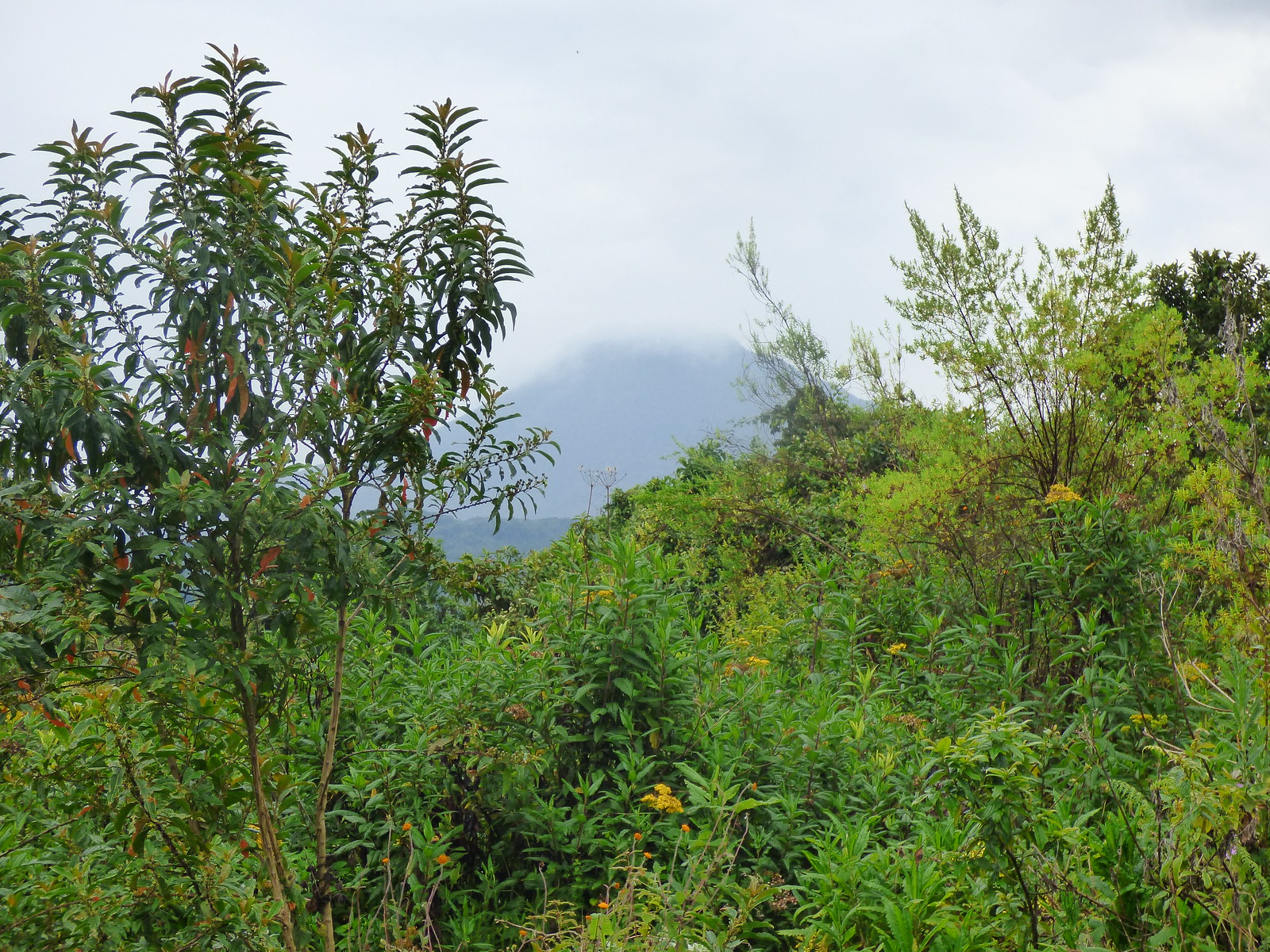
Glacial streams feed the park’s rivers and waterfalls, creating fertile valleys and unique alpine habitats. The rugged terrain and ever-changing weather patterns—fog, rain, and sun—add to the mystical atmosphere that has fascinated explorers for centuries. The mountains’ dramatic topography and climatic diversity define the park’s unparalleled natural beauty.
Biodiversity and Alpine Wildlife
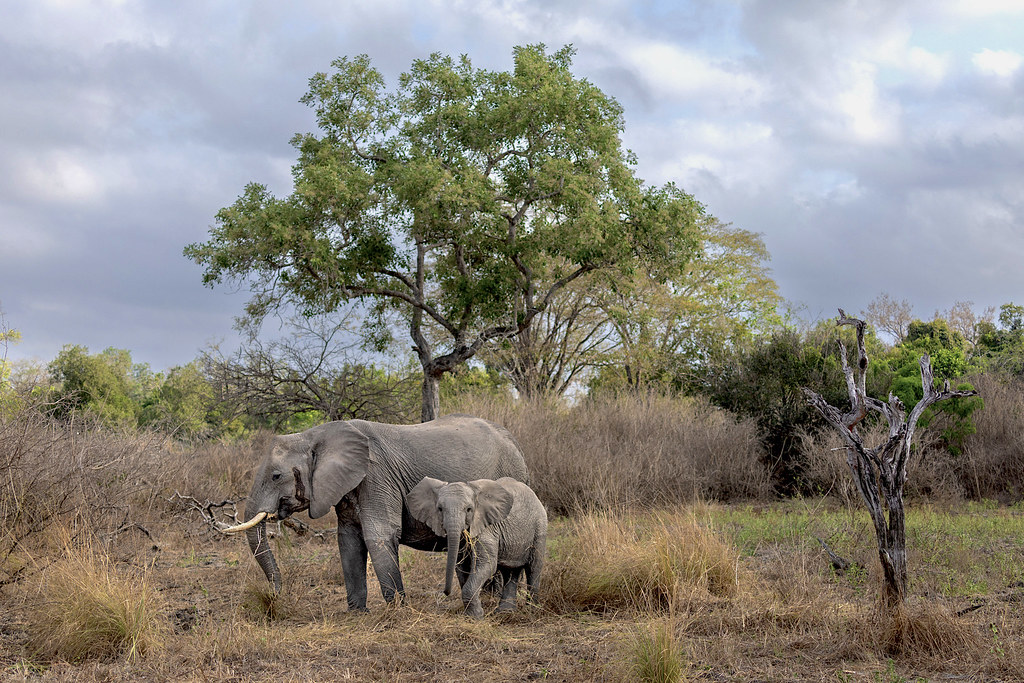
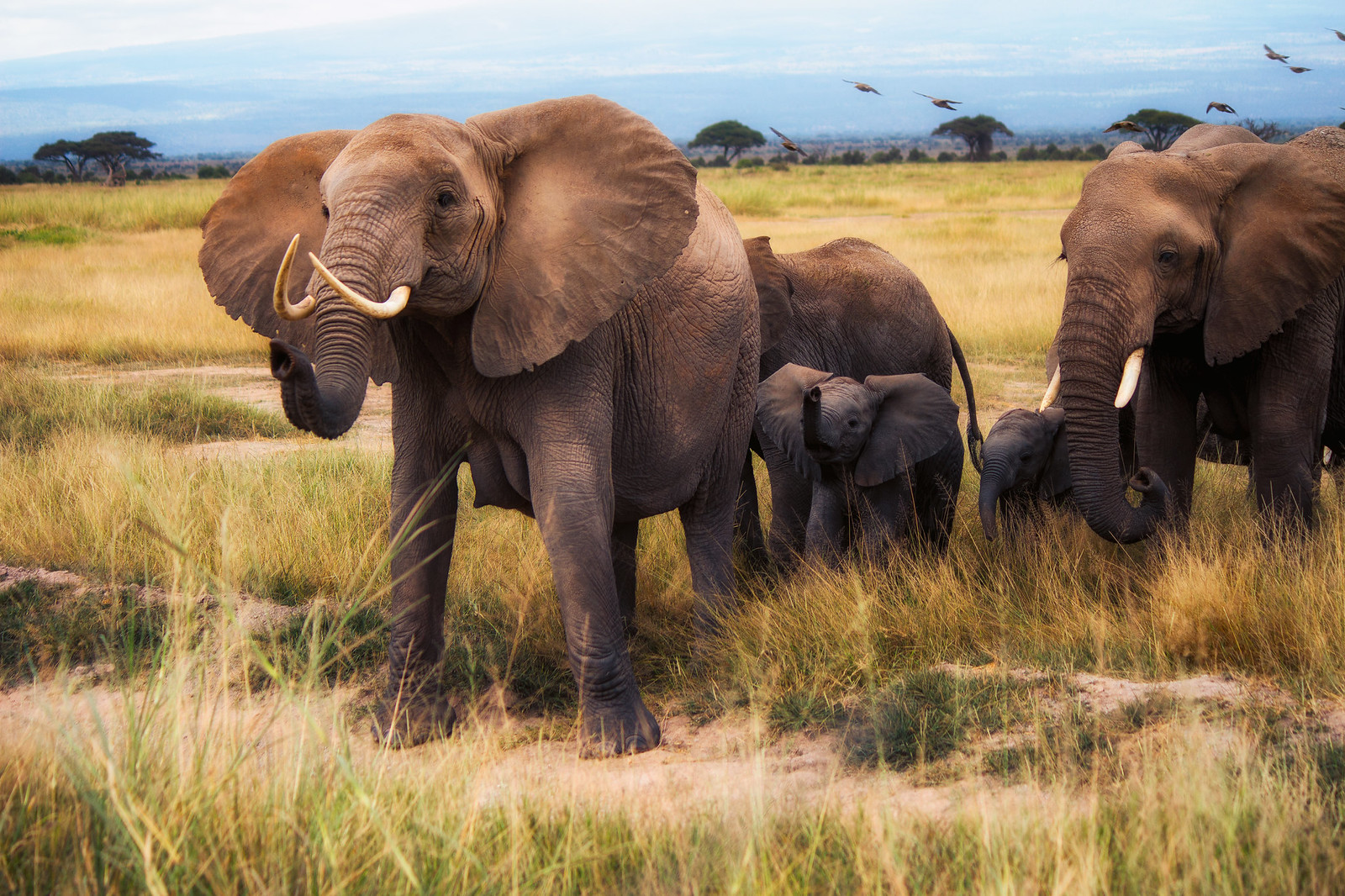
Rwenzori Mountains National Park hosts a remarkable variety of wildlife, adapted to high-altitude forests, bamboo zones, and alpine moorlands. Forested slopes shelter species such as forest elephants, duikers, bushbucks, and the elusive Rwenzori turaco.
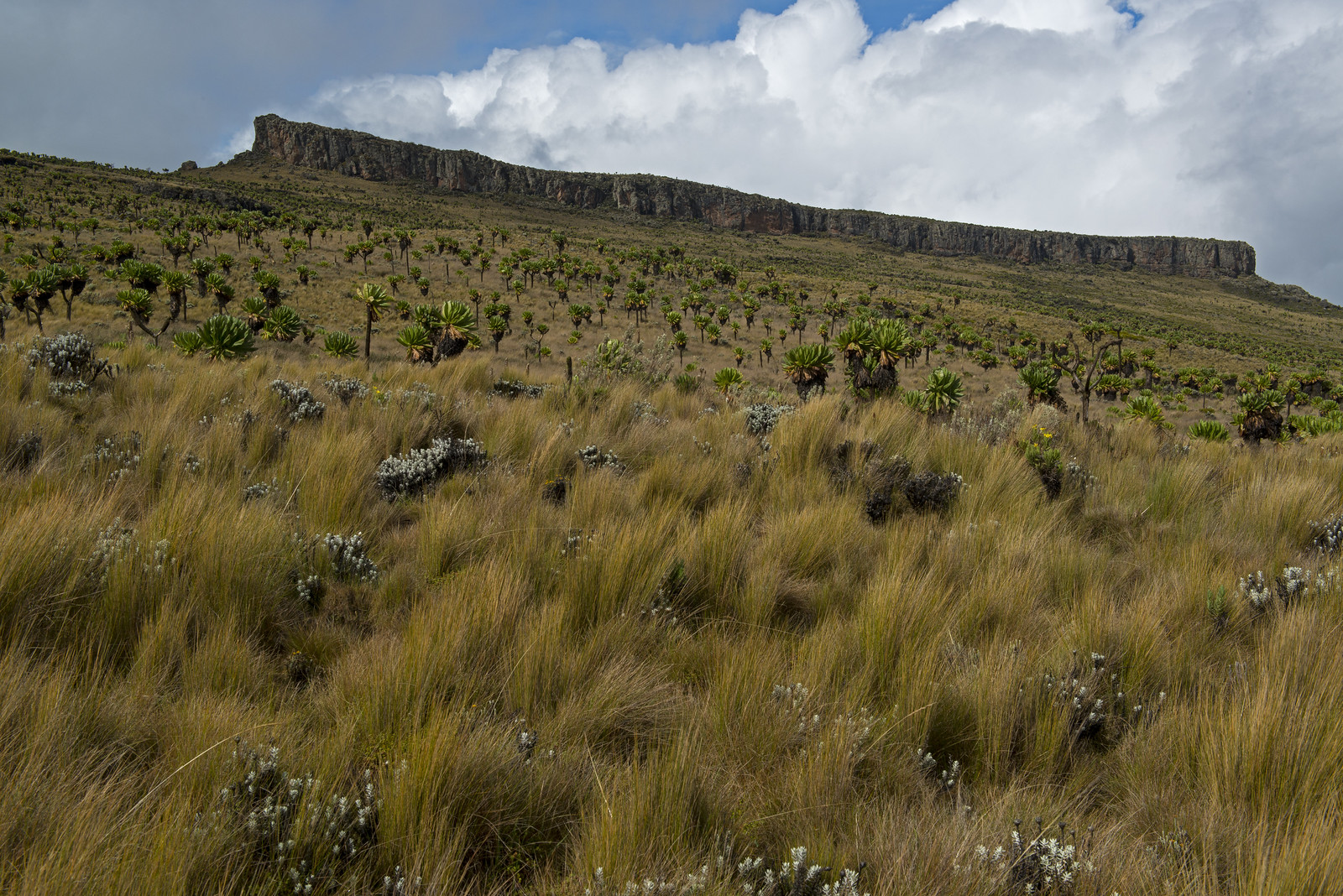
The higher elevations are home to endemic plants like giant lobelias and senecios, creating a landscape unlike any other in Uganda. Birdlife is abundant, ranging from highland species to Albertine Rift endemics, making the park a must-visit destination for birdwatchers and naturalists.
Trekking and Adventure Experiences
Trekking in the Rwenzori Mountains is an adventure of a lifetime, attracting climbers, hikers, and nature enthusiasts. Trails vary from moderate forest walks to multi-day expeditions reaching the highest peaks.
The most popular trek is the 6–8 day route to Margherita Peak on Mount Stanley, passing through montane forests, bamboo zones, and alpine moorlands. Along the way, hikers experience diverse vegetation, cascading waterfalls, and panoramic views of the Congo Basin. Trekking in the Rwenzori demands physical fitness, preparation, and an appreciation for remote wilderness, but the reward is an unforgettable encounter with Africa’s “Roof of the World.”
Rivers, Waterfalls, and Scenic Beauty
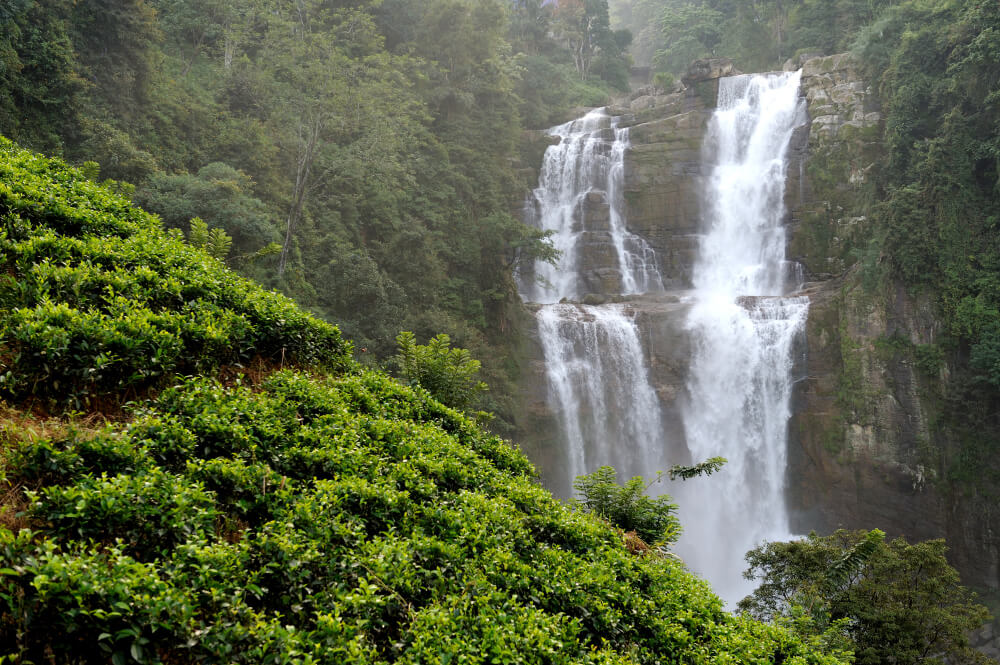
The park is crisscrossed by numerous rivers and waterfalls, fed by glacial runoff and mountain rainfall. Rivers such as the Nyamwamba, Mubuku, and Rutshuru carve deep valleys, creating lush riparian forests and picturesque pools.
Waterfalls punctuate the trails, providing natural rest stops for trekkers and spectacular photographic opportunities. The combination of snow-capped peaks, misty valleys, and roaring waterfalls creates a landscape of immense beauty and tranquility.
Flora of the Rwenzori Mountains
Rwenzori Mountains National Park is globally significant for its flora, particularly the alpine vegetation zones. Giant lobelias and senecios dominate higher altitudes, while lower montane zones feature bamboo forests, heathland, and moss-laden trees.
This remarkable variety of plant life supports the park’s wildlife and contributes to its UNESCO World Heritage status. Hikers encounter unique vegetation transitions as they ascend, offering insights into ecological adaptation and high-altitude survival.
Birdwatching and Wildlife Observation
Rwenzori is a paradise for bird enthusiasts, hosting over 200 species, including many Albertine Rift endemics. High-altitude birds, such as the Rwenzori turaco and stripe-breasted tit, inhabit alpine zones, while forested valleys shelter hornbills, flycatchers, and sunbirds.
Wildlife observation complements trekking, providing encounters with primates, small mammals, and endemic amphibians. The diversity of habitats along altitudinal gradients allows visitors to experience multiple ecosystems in a single trek.
Best Time to Visit Rwenzori Mountains National Park
The best time to visit the Rwenzori Mountains is during the dry seasons, from June to August and December to February. Trails are more navigable, visibility is higher, and trekking conditions are safer.
The wet seasons create lush greenery and dramatic waterfalls but increase the risk of slippery trails and river crossings. Regardless of season, Rwenzori offers spectacular scenery, but preparation and local guidance are essential for safety.
Accommodation and Trekking Logistics
Accommodation in and around Rwenzori includes mountain huts, eco-lodges, and camping facilities, catering to trekkers and adventure travelers. Huts along trekking routes provide shelter, meals, and resting points for multi-day expeditions.
Local guides and porters are integral to trekking, offering expertise in navigation, safety, and wildlife awareness. Staying near the mountains allows visitors to acclimatize and enjoy the scenic highlands before embarking on challenging hikes.
Conservation Importance of Rwenzori
Rwenzori Mountains National Park is critical for biodiversity and climate regulation, protecting endemic species, watersheds, and fragile alpine ecosystems. Its glaciers, forests, and rivers play a vital role in regional hydrology, supplying water to rivers that sustain communities and wildlife downstream.
Conservation efforts focus on sustainable trekking, habitat protection, and community engagement. Ecotourism in the Rwenzori provides income for local communities while preserving one of Africa’s most unique mountain environments.
Why Rwenzori Mountains National Park Is Unique
The Rwenzori Mountains are unmatched in Africa for high-altitude trekking, biodiversity, and dramatic scenery, offering experiences that cannot be replicated in savannah or lowland forests. Its combination of glaciers, waterfalls, alpine flora, and endemic wildlife creates a multi-dimensional adventure for nature enthusiasts.
For travelers seeking challenge, natural beauty, and remote wilderness, the Rwenzori Mountains deliver an unforgettable experience.
Our Recommended Tour Ideas

Explore Nyerere and Mikumi parks for exceptional southern Tanzania wildlife on this perfect 5-day safari trip.

Uganda's only wild rhinos at Ziwa, chimpanzee trekking in Budongo, and classic Murchison Falls game drives.

Trek gorillas in Bwindi then track chimpanzees in Kibale on the perfect 4-day Uganda gorilla and chimp safari.
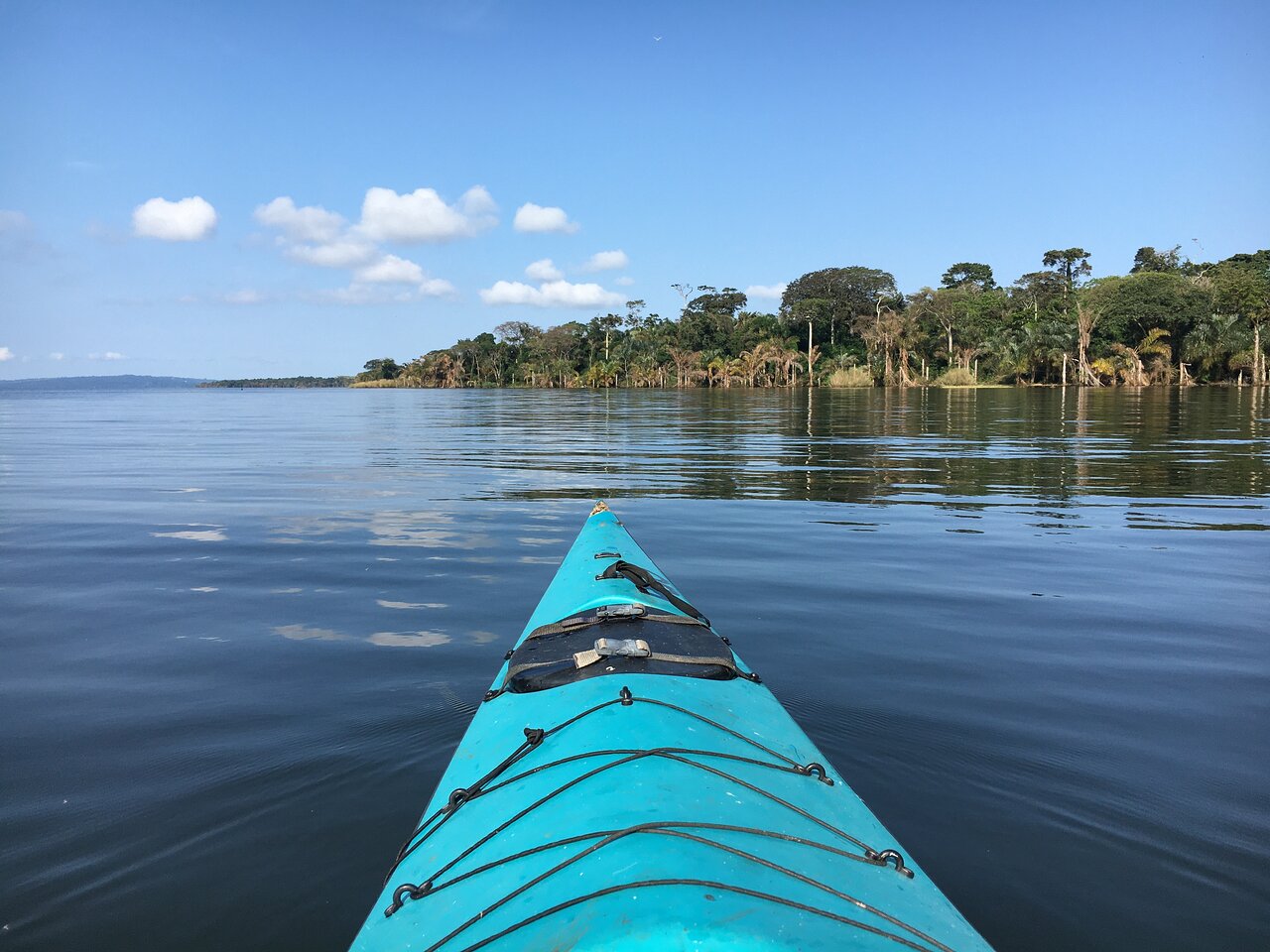
Relax on the palm-fringed shores of Uganda's Ssese Islands on this beautiful peaceful and scenic 3-day escape.

Private vehicles and extended golden-hour game drives, built specifically for photographers chasing the Big Five.
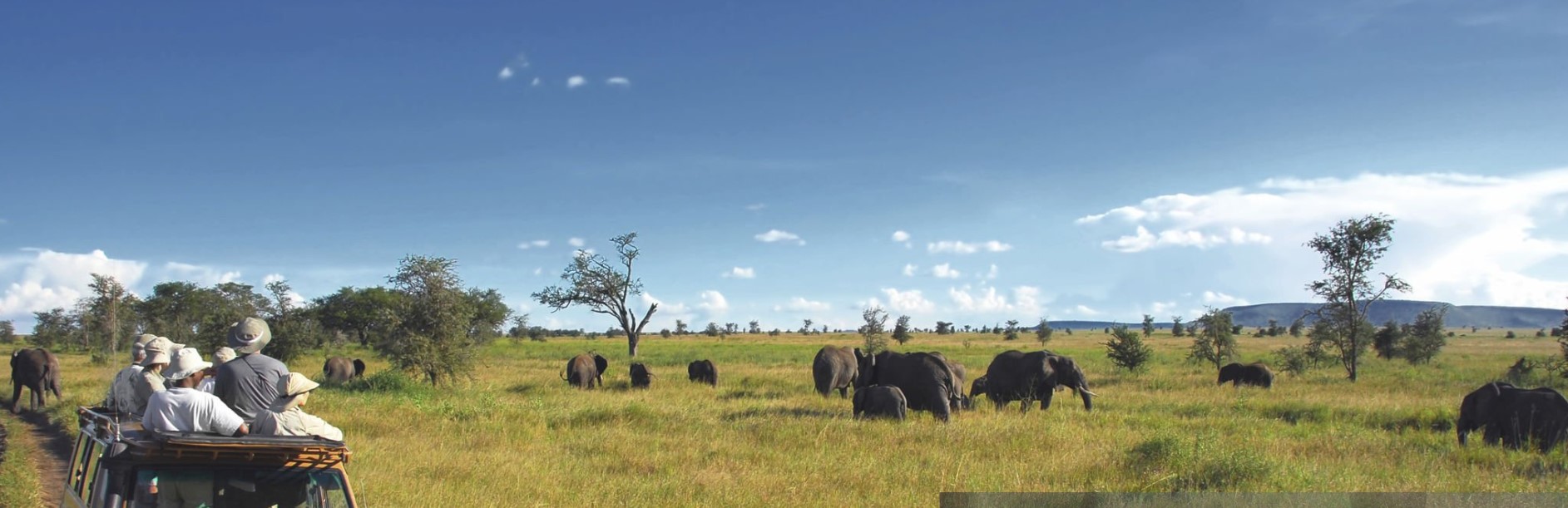
Combine Uganda gorilla trekking with Tanzania's finest wildlife on this superb 9-day cross-border safari trip.
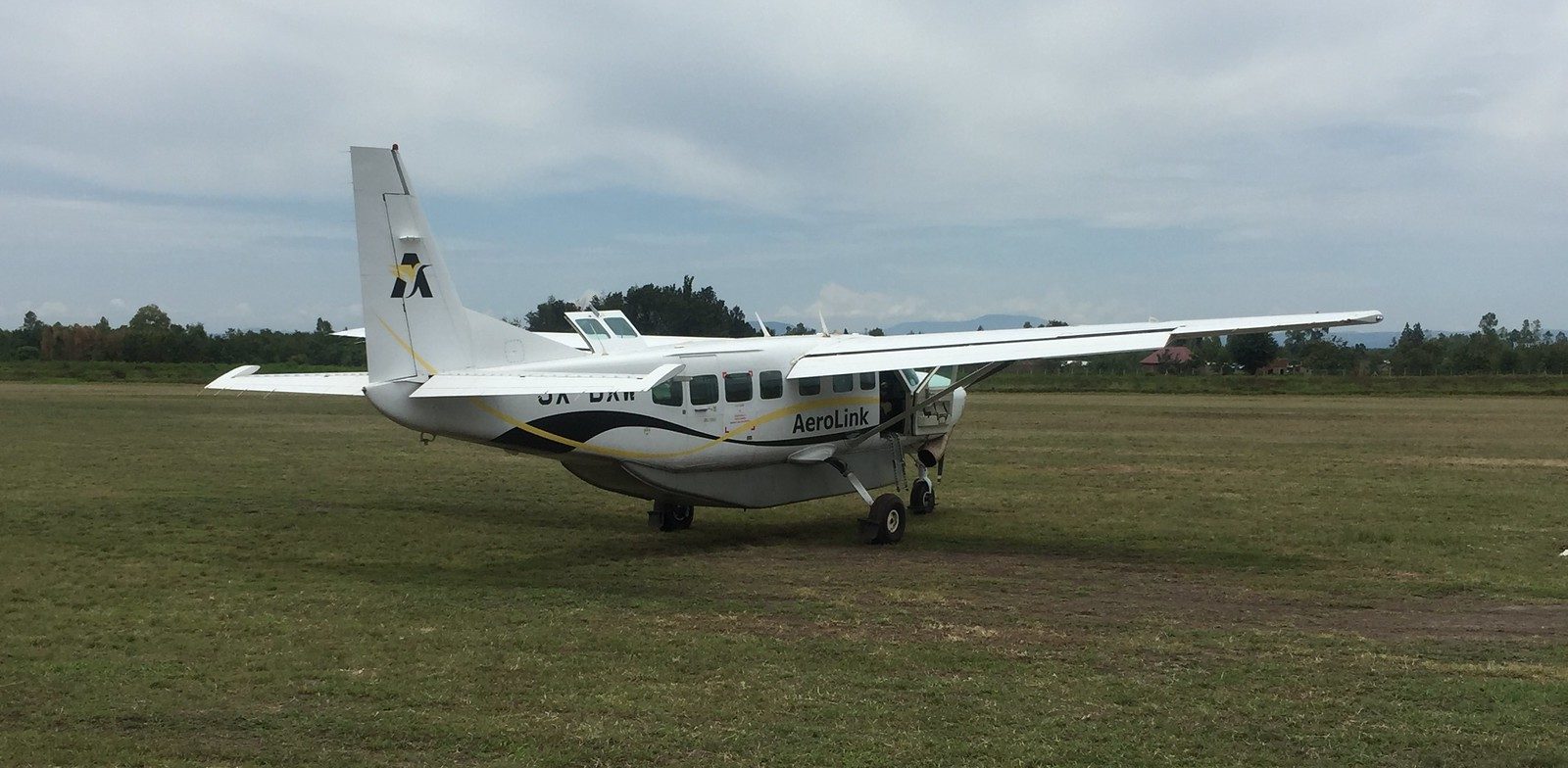
Fly into Bwindi for an intimate gorilla trekking experience on this exclusive and elegant 4-day fly-in safari.

Trek mountain gorillas of Virunga Park on this short but truly unforgettable 3-day gorilla trekking adventure.

A longer, quieter Nile cruise downstream to the Delta on Lake Albert, known for strong shoebill stork sightings.
What Our Travelers Enjoyed About Primate Safaris

Gorillas "Silverback"
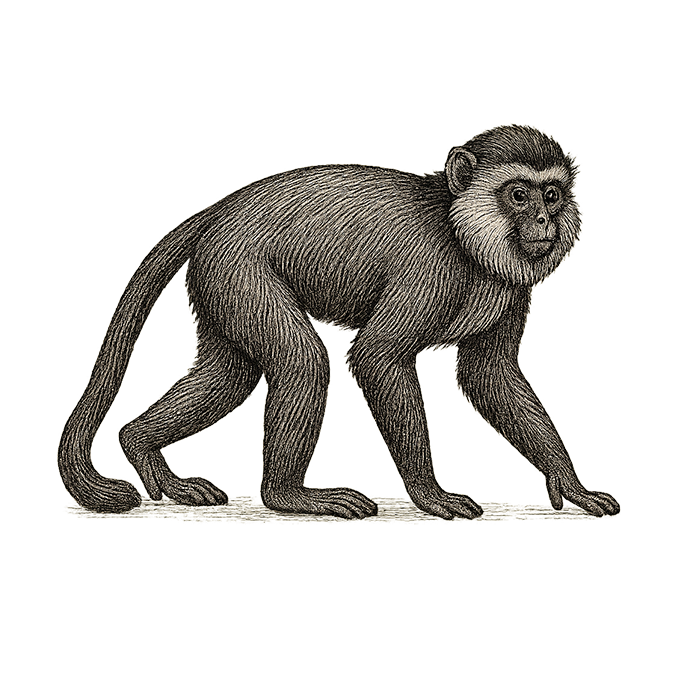
Golden Monkey "Photogenic"
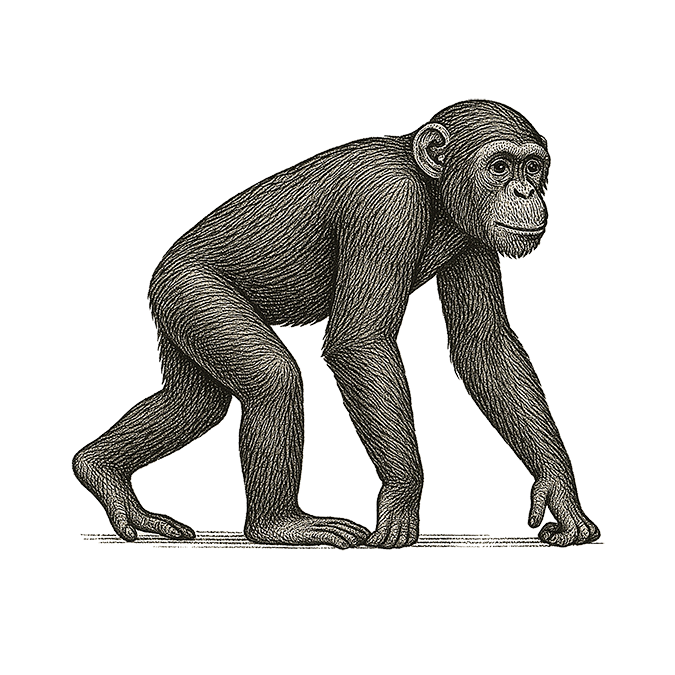
Chimpanzees "Pant-hoot"