Akagera National Park Safari
Akagera National Park sits in eastern Rwanda along the Tanzanian border, roughly a two-and-a-half-hour drive from the capital city of Kigali. As Rwanda’s only savannah park containing the Big Five, it covers over one thousand square kilometres, making it the largest protected wetland in Central Africa. The landscape is a stunning mosaic of rolling hills, acacia woodlands, open grassy plains, and vast papyrus swamps. What truly sets Akagera apart is its remarkable conservation success story. Once devastated by poaching and the aftermath of civil war, the park has been revitalised through a partnership between African Parks and the Rwandan government. The reintroduction of lions and black rhinos has restored the park to its full glory, offering visitors a raw and uncrowded wilderness experience that feels increasingly rare in East Africa.
The Best Times to Visit
The timing of your safari greatly influences what you will see and how you will experience the park. The dry season, which runs from June through September and again from December through February, offers the most reliable game viewing. During these months, animals converge around permanent water sources, making them much easier to spot. The roads remain in good condition, and migratory birds from Europe and North Africa swell the already impressive bird lists. However, this is also the peak tourist period, so accommodation prices rise and availability becomes tighter.
The wet season, spanning March through May and October through November, presents a completely different face of Akagera. The landscape transforms into a lush, emerald paradise that provides spectacular photographic opportunities. Thunderstorms roll across the plains with dramatic intensity, and the park feels more private and serene due to fewer visitors. Lodge rates drop significantly during these months. The main drawback is that some interior roads become muddy and difficult to navigate, and the abundant water spreads the wildlife across a broader area, making sightings more challenging but also more rewarding for patient observers.
Getting to the Park
Reaching Akagera is straightforward and forms part of the adventure. The most common and practical approach is by road from Kigali. You take the main eastern highway towards the town of Kayonza, continuing until you reach the park’s North Gate, which serves as the primary entry point. The entire drive is on paved roads and typically takes around two and a half hours. Visitors are strongly advised to use a four-wheel-drive vehicle, either hired with a driver or as a self-drive rental, as standard sedans are unsuitable for the park’s internal tracks.
For those seeking a more spectacular arrival, Akagera Aviation offers chartered helicopter or light aircraft flights from Kigali directly to the park’s private airstrip. This option is expensive but provides breathtaking aerial views of the savannah and wetlands. The park maintains two entry gates. The North Gate near Kayonza is where all visitors must check in, pay fees, and collect their mandatory armed guide. The South Gate, located near Lake Ihema, is primarily used by guests staying at lodges on the southern side of the park.
Park Fees and Entry Requirements
Understanding the fee structure is essential for planning your budget. The standard entry fee covers a twenty-four-hour period and varies based on nationality. Foreign non-residents pay approximately one hundred US dollars per adult, with reduced rates for children. East African residents benefit from significantly lower fees, around sixty US dollars per adult. In addition to the entry fee, there is a vehicle fee for those driving themselves, which adds roughly forty US dollars.
A critical requirement that surprises many first-time visitors is the mandatory armed park ranger. Every vehicle must carry an accredited ranger or guide for all game drives. This service costs an additional forty to sixty US dollars for a half-day or full-day excursion. These rangers are not merely security personnel; they are exceptional wildlife spotters with deep knowledge of the park’s ecology and animal movements. Payment is accepted at the gate via credit cards, specifically Visa and Mastercard, as well as in US dollars or Rwandan francs. It is wise to arrive with some cash as a backup in case of card reader issues.
Wildlife and What to Expect
Akagera proudly hosts the Big Five, making it a premier safari destination. Large herds of savannah elephants roam the park, and visitors frequently encounter them along the roads. The lion population, reintroduced in 2015, has thrived and now forms a healthy breeding population, best observed during the dry season on the northern plains. Leopards remain elusive but are occasionally spotted, particularly during night drives. Massive herds of Cape buffalo graze across the central grasslands, and the eastern black rhino, reintroduced in 2017, is a major attraction. These rhinos are closely guarded and typically seen in the northern Bisoke area.
Beyond the Big Five, the park boasts an extraordinary array of other wildlife. The rare Rothschild’s giraffe is an iconic species here, easily recognised by its distinctively patterned coat. Burchell’s zebras, impalas, topis, and waterbucks gather in enormous herds, creating classic savannah scenes. Lake Ihema and the Kagera River support thousands of hippos and enormous Nile crocodiles. Olive baboons and vervet monkeys are common in the woodland areas. For bird enthusiasts, Akagera is a paradise with over five hundred recorded species, including the legendary shoebill stork, the African fish eagle, and the papyrus gonolek, a bird found almost exclusively in this type of wetland habitat.
Available Safari Activities
Game drives form the backbone of any visit, and these are typically conducted in three- to four-hour sessions. The most productive times are the early morning, starting around sunrise, and the late afternoon, continuing until sunset. The northern circuit around Kagogo is the prime zone for rhinos and lions, while the southern circuit near Lake Ihema excels in aquatic life and birdwatching.
The boat safari on Lake Ihema is an absolute must and often becomes the highlight of the entire trip. Lasting approximately two hours, this excursion brings you within metres of snorting hippos, basking crocodiles, and an astonishing variety of waterbirds. The perspective from the water is entirely different from a land-based drive and offers exceptional photography. Night game drives are available for an additional fee and operate for about two hours after dark. Using a powerful spotlight, your guide will search for nocturnal creatures such as genets, civets, bush babies, and leopards, which rarely show themselves during daylight.
For those wanting a different experience, the park offers catch-and-release fishing on Lake Shakani, targeting tilapia and catfish with a separate permit. Short guided bush walks along the lakeshore are also possible, though these remain in safer areas away from dense big game habitat. These walks focus on tracking, identifying plants, and observing smaller wildlife.
Accommodation Options Inside the Park
Staying inside the park vastly enhances the safari experience, allowing you to be close to the action at sunrise and sunset. At the ultra-luxurious end, Magashi Camp offers an all-inclusive experience overlooking Lake Rwanyakazinga, complete with game drives and boat trips built into the package. Ruzizi Tented Lodge provides classic safari tent accommodation on the shores of Lake Ihema, offering excellent value for a high-end experience with all the necessary comforts. For those seeking true exclusivity, Karenge Bush Camp is a mobile seasonal camp that moves with the wildlife, offering an intimate and authentic bush experience.
The only permanent lodge structure within the park is Akagera Game Lodge. While slightly dated in its decor, it remains perfectly functional and well-positioned, featuring a swimming pool, a restaurant, and comfortable rooms. This lodge serves as a reliable mid-range option for visitors who prefer solid walls over canvas tents.
Accommodation Options Outside the Park
For budget-conscious travellers or those who prefer more amenities, there are excellent options just outside the park boundaries. Mantis Akagera, located directly outside the North Gate, offers great value with clean rooms, a pool, and a convenient location that allows quick access to the park each morning. In the nearby towns of Kayonza and Kibungo, numerous guesthouses provide basic but affordable accommodation for backpackers and independent travellers. Staying outside the park requires a slightly earlier start to reach the gate for sunrise drives, but the cost savings can be substantial.
A Sample Two-Day Itinerary
A classic two-day, one-night itinerary captures the essence of Akagera without feeling rushed. On the first day, depart Kigali at seven in the morning to arrive at the North Gate by nine-thirty. After completing the check-in process and collecting your guide, embark on a morning game drive through the northern sector, focusing on the rhino and lion habitats. Enjoy a picnic lunch at the designated area within the park. After checking into your lodge, take a late afternoon boat safari on Lake Ihema, watching hippos surface as the sun begins to dip towards the horizon. Return to the lodge for dinner and an overnight stay.
The second day begins with an early morning game drive, as sunrise offers the best chance to spot predators returning from their nightly hunts. Return to the lodge for a hearty breakfast, then take a leisurely drive towards the South Gate, stopping frequently for birdwatching and enjoying the changing scenery. Exit the park by eleven in the morning for the drive back to Kigali, perhaps stopping in Kayonza for a late lunch.
Essential Packing Advice
Packing appropriately makes a tremendous difference to your comfort and enjoyment. Clothing should be lightweight and in neutral earth tones such as khaki, olive, and beige. Bright white clothing stands out too much in the bush, while dark blue and black are notorious for attracting tsetse flies, which deliver a painful bite. Mornings and evenings can be surprisingly cold, especially during the dry season from June to August, so a fleece or light jacket is essential. Sturdy, closed-toe walking shoes are necessary for boat landings and any short bush walks.
Sun protection is non-negotiable. High-factor sunscreen, a wide-brimmed hat, and polarised sunglasses are vital for long hours in an open vehicle. Binoculars are arguably the most important piece of equipment you can bring; the park is vast, and animals are often at a distance. A camera with a good zoom lens, at least two hundred millimetres, is essential for capturing memories, along with spare batteries as charging opportunities may be limited. Insect repellent is critical for dusk and night activities, and a refillable water bottle helps you stay hydrated throughout the day.
Critical Pro-Tips and Park Rules
Understanding the park’s peculiarities can make or break your safari. Tsetse flies are a genuine nuisance in woodland areas, and their bite hurts. Wearing long, thick clothing such as denim is the best defence, and you should avoid dark blue and black at all costs. The park provides insect repellent at the gate, but bringing your own high-strength formula is advisable.
The gates open promptly at six in the morning, and the first drive of the day is always the most productive. Animals are most active during the cool morning hours, and the golden light is perfect for photography. Under no circumstances should you step out of your vehicle except at the designated picnic and rest areas. The big game is genuinely dangerous, and the rangers enforce this rule strictly.
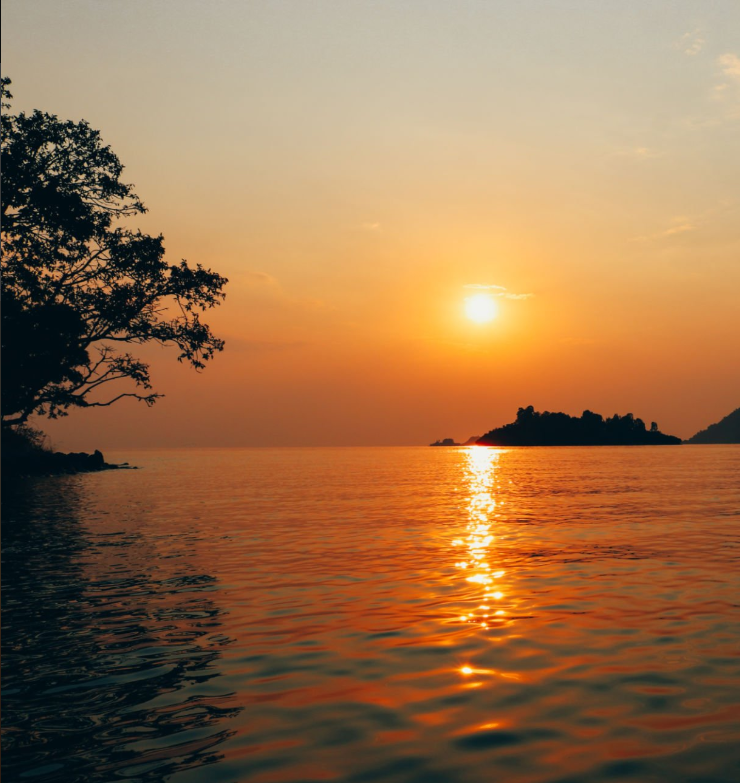
Sundowners, the tradition of enjoying a drink while watching the sunset from a hilltop, are offered by most lodges. Do not miss this experience; Akagera’s sunsets are legendary, painting the sky in vivid oranges and purples over the endless plains. Boat trips and night drives have limited spaces, so it is wise to book these immediately upon arrival at the gate or through your lodge reception. Finally, respect the speed limits. The internal roads are bumpy, and the maximum speed is forty kilometres per hour. Driving slowly not only ensures safety but also dramatically improves your chances of spotting wildlife before it spooks and disappears.
Combining Akagera with Other Rwandan Parks
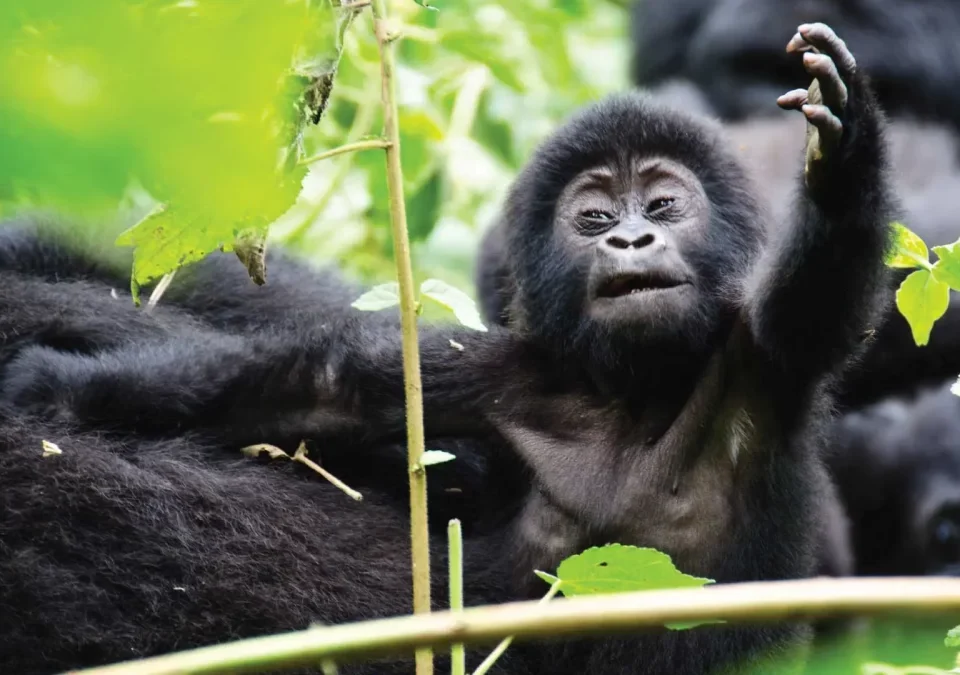
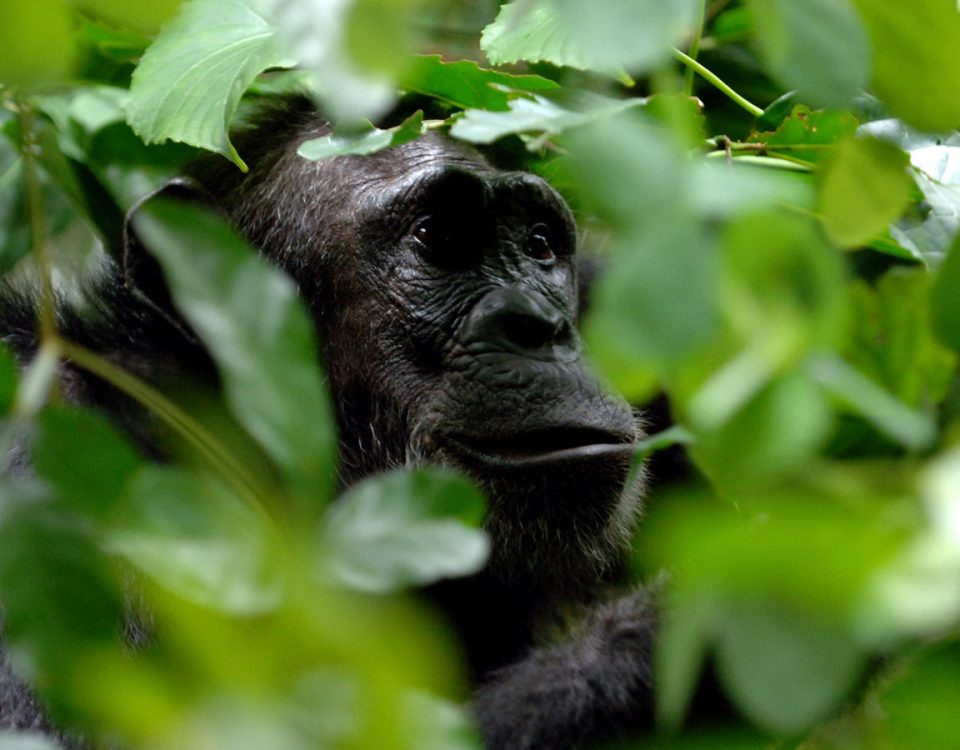
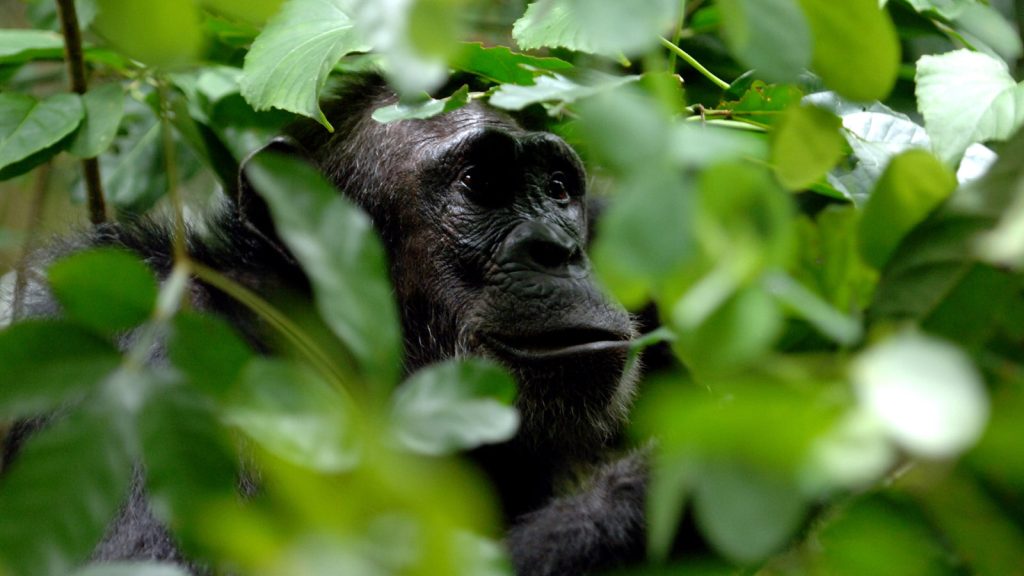
Many visitors incorporate Akagera into a broader Rwandan safari. The park combines well with Volcanoes National Park in the north, which is famous for mountain gorilla trekking and lies about three hours from Kigali. Nyungwe Forest in the southwest, a five-hour drive from the capital, offers exceptional chimpanzee tracking and primate viewing. A typical Rwandan itinerary might spend two nights in Akagera for the savannah experience, three nights in the volcanoes for gorillas, and two nights in Nyungwe for chimps and canopy walks, creating a complete and diverse wildlife holiday.
Final Verdict on the Akagera Experience
Akagera is not the Serengeti, and that is precisely its charm. It offers a more intimate, less commercialised safari experience where you are unlikely to queue behind a convoy of vehicles at a single sighting. The landscape is breathtakingly beautiful, blending mountains, lakes, and plains in a way that feels uniquely Rwandan. If you seek an authentic out-of-Africa adventure without the crowds, Akagera delivers in abundance. The combination of the Big Five, the spectacular boat safari, and the warmth of Rwandan hospitality makes this park an unmissable destination for any traveller to the country. Enjoy every moment of your safari.
Recommended Tours: 6 Days Tanzania Wildlife Safari | 8 Days Serengeti & Ngorongoro Safari