Meet the Amahoro Gorilla Family of Volcanoes National Park
The Amahoro gorilla family takes its name from the Kinyarwanda word for peace, and that name has stuck for good reason: this is one of the Volcanoes National Park families most consistently described by rangers and trekkers alike as calm, settled, and relatively easygoing to observe. Trekking to see Amahoro offers a window into a family known for its relaxed social atmosphere, making it a favorite recommendation for visitors hoping for a gentler, less dramatic encounter than some of the park’s more assertive groups. This guide covers what makes Amahoro distinct, where its territory sits within the park, and what a trek to see this peaceful family genuinely involves from briefing to encounter.
What the Name Amahoro Tells You
Names given to Rwanda’s gorilla families are rarely arbitrary, and Amahoro’s peaceful reputation is reflected directly in the meaning of its name. Rangers who spend their careers tracking these families closely often note that a group’s temperament shapes not just how the animals interact with each other but how a trekking encounter feels overall, and Amahoro consistently ranks among the calmer, more settled families in the park’s current roster of habituated groups.
Where Amahoro’s Territory Sits
Amahoro’s territory lies within reasonable reach of Volcanoes National Park headquarters in Kinigi, generally making it one of the more moderate treks available on any given day, though as with every family, actual trek length depends entirely on where the group has moved overnight in search of food. This relatively central positioning makes Amahoro a common assignment for trekkers who’ve indicated moderate fitness levels during the morning briefing.
Family Dynamics Within the Amahoro Group
Amahoro’s calm reputation shows up clearly in how the family interacts during a typical encounter, with less of the boisterous chest-beating and dramatic displays sometimes associated with more assertive groups, and more time spent quietly foraging, resting, and tending to infants. This doesn’t mean the group lacks personality or dynamic moments, gorilla behavior remains inherently unpredictable, but it does mean visitors often describe an Amahoro encounter as feeling particularly serene compared to some of the park’s louder, more dramatic families.
What a Trek to See Amahoro Involves
Like every Rwanda gorilla trek, visiting Amahoro begins with the standard early morning briefing at Kinigi, where trekkers are assigned to specific families based on fitness level, current tracking reports, and permit allocation for the day. Trackers head out at first light to locate the family’s overnight position, and your assigned ranger team then guides your group along the most efficient route once that location is confirmed by radio.
Trekking Difficulty and What to Pack
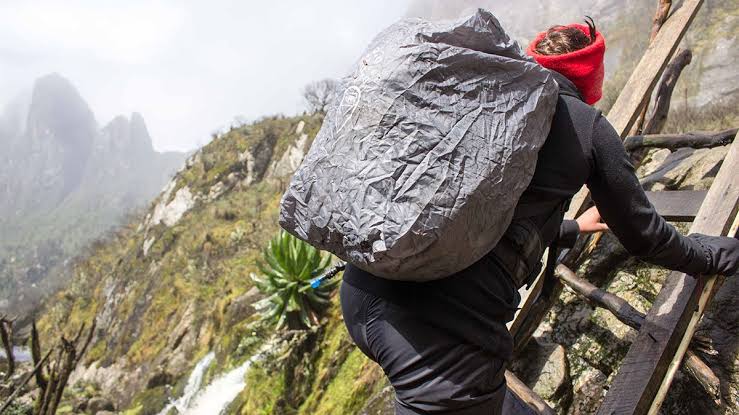
Amahoro’s relatively central territory generally makes for a moderate trekking difficulty, though Volcanoes National Park’s volcanic terrain is demanding by almost any standard, and proper waterproof hiking boots, trekking poles, and layered rain-ready clothing remain essential regardless of which family you’re assigned. Porters are available to hire at the trailhead and are genuinely worth the modest cost, both for practical support and as direct income for the local community.
Best Time to Trek to the Amahoro Family
Rwanda’s two dry seasons, roughly June through September and December through February, offer the firmest trail conditions across the park, including Amahoro’s territory, though the family’s more moderate positioning means trekking during the wetter months remains a genuinely viable option for travelers with flexible dates and appropriate rain gear.
Amahoro’s Place Among Rwanda’s Gorilla Families
Volcanoes National Park is home to numerous habituated families beyond Amahoro, including the research-famous Susa family and the notably accessible Sabyinyo family, each with a distinct character shaped by its history and current members. Amahoro’s specific claim to fame, its consistently peaceful temperament, makes it a frequent recommendation for trekkers specifically hoping for a calmer, quieter encounter rather than a more dramatic one.
How Amahoro’s Habitat Has Changed Over Time
Like every family in Volcanoes National Park, Amahoro’s territory has shifted gradually over the years as the group adapts to changing food availability, seasonal bamboo growth, and the presence of neighboring families competing for overlapping ranges. Rangers who track Amahoro daily build up an intimate understanding of these patterns, which is part of why the park’s tracking system works so reliably even though gorillas themselves have no fixed, permanent home base within their broader territory.
Conservation and What Your Permit Supports
Every gorilla trekking permit fee, regardless of which family you’re assigned to, funds a substantial share of Rwanda’s ongoing conservation work, from anti-poaching patrols to veterinary care and community development programs in villages surrounding the park. This funding model has driven a genuine, measurable recovery in Rwanda’s mountain gorilla population, turning gorilla tourism into one of Africa’s clearest conservation success stories.
Photography and Etiquette During an Amahoro Encounter
Flash photography is strictly prohibited throughout every gorilla encounter in Rwanda, Amahoro included, since sudden light can startle even the calmest habituated group. Staying quiet, moving deliberately, and following your ranger’s instructions immediately if repositioning becomes necessary all remain standard practice, and Amahoro’s naturally relaxed temperament often makes these etiquette rules feel especially easy to observe throughout the encounter.
Combining an Amahoro Trek With the Rest of Rwanda
Most visitors trekking to see Amahoro base themselves in Kinigi or nearby Musanze, and many extend their stay to explore the region further, comparing the volcanic peaks that define the park’s skyline with a look at the differences between Mount Karisimbi and Mount Bisoke before continuing on to Kigali. Travelers deciding between Amahoro and Rwanda’s other families sometimes find it useful to first read a broader overview of how gorilla trekking sectors and family assignments generally work before finalizing their preferences with an operator.
Common Questions About Trekking the Amahoro Family
Trekkers frequently ask whether a family’s reputation for calmness affects the overall length of an encounter, and the answer is no, every gorilla family visit in Rwanda follows the same standard one-hour limit once the group is located, regardless of temperament. Another common question involves whether Amahoro’s peaceful reputation makes it a good choice for nervous first-time trekkers specifically worried about a dramatic wildlife encounter, and generally yes, families known for a settled temperament like Amahoro do tend to offer a gentler introduction to gorilla trekking for visitors who might otherwise feel apprehensive. Visitors also ask how family names like Amahoro are chosen in the first place, and Rwanda’s park authorities typically select names reflecting either a notable trait, a significant event in the family’s history, or simply a meaningful Kinyarwanda word, a naming tradition that adds genuine cultural texture to the broader trekking experience.
What Makes Watching Any Gorilla Family Feel So Personal
Regardless of which specific family you’re assigned, spending an hour observing wild mountain gorillas at close range tends to feel remarkably personal, largely because gorillas share roughly ninety-eight percent of their genetic makeup with humans, and their expressions, gestures, and social bonds often feel startlingly familiar. Watching Amahoro’s relatively calm dynamic unfold, mothers grooming infants, juveniles play-wrestling nearby, and the family’s silverback keeping a watchful but unhurried eye over the group, tends to reinforce this sense of genuine connection more than a louder, more chaotic encounter might.
How Amahoro Fits Into a Broader Rwanda Itinerary
Because Amahoro’s territory sits within a moderate trekking distance of park headquarters, a trek to see this family often leaves visitors with reasonable energy remaining for an afternoon activity, whether that’s a visit to a local cultural village near Kinigi or simply time to relax at a nearby lodge before the drive back toward Musanze. Travelers building a longer Rwanda itinerary sometimes pair an Amahoro trek with the Dian Fossey grave hike at the former Karisoke Research Center, a moderately demanding walk in its own right that pairs naturally with a calmer gorilla trekking day rather than compounding an already exhausting one.
What Rangers Look For When Assigning Trekkers to Amahoro
Rangers making morning assignments weigh several factors beyond simple fitness level, including group size preferences, mobility concerns raised during the briefing, and how far a given family has moved overnight, and Amahoro’s relatively central, moderate territory often makes it a natural fit for travelers who’ve expressed a preference for a calmer, less physically extreme trekking day. Being upfront about your specific priorities, whether that’s a shorter walk, a gentler family temperament, or simply flexibility, genuinely helps rangers make the best possible assignment for your particular circumstances.
Why This Family Suits Anxious First-Time Trekkers Especially Well
Travelers who arrive genuinely nervous about their first close wildlife encounter often find that requesting a family with Amahoro’s specific reputation for calm, settled behavior helps ease that apprehension before the trek even begins.
How Amahoro’s Reputation Has Held Steady Over Time
Unlike some families whose temperament shifts noticeably following a leadership change, Amahoro’s peaceful character has remained remarkably consistent across the years rangers have monitored the group, a stability that continues to make it a reliable recommendation for travelers prioritizing a gentler encounter.
Planning Your Visit to the Amahoro Family
Because final family assignments rest with park authorities on the morning of the trek, working with an experienced operator who understands Rwanda’s permit system and can communicate your interest in a calmer group like Amahoro gives you the best realistic chance of an assignment suited to your preferences. Whichever family you’re ultimately assigned to, a Rwanda gorilla trekking permit connects you to one of conservation’s most remarkable ongoing success stories.
Recommended Tours: 7 Days Classic Rwanda Safari | 3 Days Bwindi Gorilla Trekking Safari