Meet the Umubano Gorilla Family of Volcanoes National Park
The Umubano gorilla family, whose name translates roughly to good neighborliness in Kinyarwanda, formed when a group of individuals split away from the larger Amahoro family to establish their own independent territory within Volcanoes National Park. This kind of family split is a natural, regularly observed part of mountain gorilla social life, and Umubano’s origin story offers a useful window into how new habituated groups continue to emerge even within a population as closely studied and well-documented as Rwanda’s Volcanoes National Park gorillas. This guide covers Umubano’s background, its current character, where its territory sits within the park, and what a trek to see this family genuinely involves from the morning briefing through to the encounter itself.
How Umubano Came to Exist
Gorilla families are not permanently fixed units; as a group grows, internal tension can build, particularly around competition for breeding access, and eventually a subset of members, sometimes led by a maturing silverback, will break away to form an entirely new group. Umubano’s formation from the Amahoro family follows exactly this pattern, and understanding this history adds real context to what visitors are actually observing during a trek, a genuinely dynamic, ongoing social process rather than a static population.
What Umubano’s Name Suggests
The choice to name this new group Umubano, meaning good neighborliness or coexistence, reflects a broader Rwandan approach to naming gorilla families after meaningful concepts and values rather than simply numbering them. This naming tradition gives every family, including newer ones formed through splits like Umubano, a distinct identity that trekkers and researchers can reference and follow over time as the group continues to grow and evolve.
Where Umubano’s Territory Sits
Having split from Amahoro, Umubano’s territory naturally sits in reasonably close proximity to its parent group’s range, though gorilla territories shift over time as families establish their own independent patterns of movement in search of food. This relative proximity to other central park territories generally places Umubano among the more moderately accessible families for trekking purposes, though as always, actual trek length depends on the family’s specific overnight position.
Family Dynamics Within a Newer Group
Newer families like Umubano offer a genuinely interesting dynamic to observe, since the social bonds and hierarchy within a recently split group are often still actively settling into their long-term pattern. Watching how the group’s silverback asserts leadership, how remaining members adjust to their new smaller unit, and how the family gradually establishes its own routines and territory preferences gives trekkers a slightly different lens on gorilla social behavior compared to visiting a long-established, settled family.
What a Trek to See Umubano Involves
Like every Rwanda gorilla trek, visiting Umubano begins with the standard early morning briefing at Volcanoes National Park headquarters in Kinigi, where trekkers are assigned to specific families based on fitness level and current tracking reports. Trackers head out at first light to confirm the family’s overnight position before your assigned ranger team guides your group along the most efficient route to the encounter.
Trekking Difficulty and What to Pack
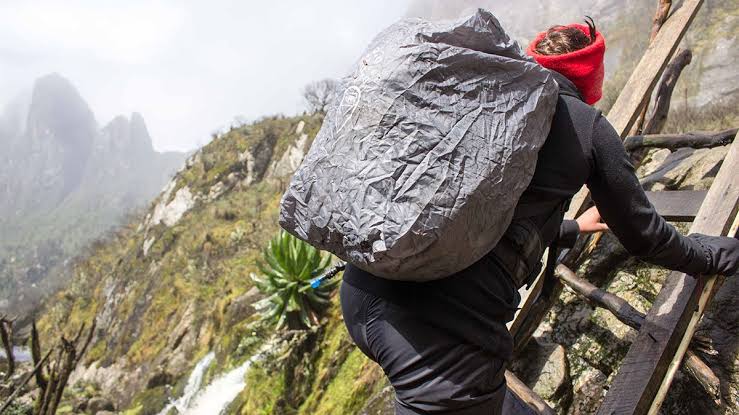
Umubano’s positioning generally makes for a moderate trekking difficulty consistent with much of the park’s central territory, though Volcanoes National Park’s volcanic terrain remains demanding regardless of family assignment, and proper waterproof hiking boots, trekking poles, and rain-ready layered clothing are essential. Porters are available to hire at the trailhead and are worth the modest cost both for practical support and as direct income for the local community.
Best Time to Trek to the Umubano Family
Rwanda’s two dry seasons, roughly June through September and December through February, offer the firmest trail conditions across the park, including Umubano’s territory, though trekking during the wetter months remains a genuinely viable option for travelers with flexible dates and appropriate rain gear.
Umubano’s Place Among Rwanda’s Gorilla Families
Volcanoes National Park is home to numerous habituated families beyond Umubano, including its parent group Amahoro, the research-famous Susa family, and the notably accessible Sabyinyo family. Umubano’s specific story as a relatively newer, split-off group offers trekkers interested in the social science behind gorilla family formation a genuinely compelling angle to explore.
Conservation and What Your Permit Supports
Every gorilla trekking permit fee, regardless of which family you’re assigned to, funds a substantial share of Rwanda’s ongoing conservation work, from anti-poaching patrols to veterinary care and community development programs in villages surrounding the park. This funding model has driven a genuine, measurable recovery in Rwanda’s mountain gorilla population, and family splits like the one that formed Umubano are themselves a quiet indicator of that broader population growth over recent decades.
Photography and Etiquette During an Umubano Encounter
Flash photography is strictly prohibited throughout every gorilla encounter in Rwanda, and this rule applies with equal seriousness to newer families like Umubano as it does to well-established groups. Staying quiet, moving deliberately, and following your ranger’s instructions immediately if repositioning becomes necessary all remain standard practice regardless of how recently a family was formed.
Common Questions About Trekking the Umubano Family
Trekkers often ask whether a newer, split-off family like Umubano is somehow less habituated or predictable than a longer-established group, and the answer is no, families are only opened for tourism once fully habituated to human presence, regardless of how recently they formed as an independent group. Visitors also frequently ask whether family splits like this one happen often, and while not a weekly occurrence, they represent a natural and regularly documented part of gorilla population dynamics across both Rwanda and Uganda.
How Family Splits Reflect a Healthy Population
Far from being a sign of instability, a family split like the one that created Umubano is generally read by researchers as a positive indicator of a healthy, growing gorilla population, since splits typically occur when a group has grown large enough that competition for resources or breeding opportunities makes separation the more sustainable path forward. This broader context adds a layer of genuine conservation significance to what might otherwise seem like a simple naming curiosity.
Combining an Umubano Trek With the Rest of Rwanda
Most visitors trekking to see Umubano base themselves in Kinigi or nearby Musanze, and many extend their stay to compare the region’s volcanic peaks, including a look at Karisimbi versus Bisoke, before continuing on to Kigali to round out the trip. Travelers still deciding between Umubano and Rwanda’s other families may find it useful to review a broader overview of how family assignments generally work before finalizing preferences with an operator.
What Rangers Track When Monitoring Umubano
Rangers assigned to a relatively newer group like Umubano pay especially close attention to how the family’s territory continues to settle over time, tracking daily movement patterns, feeding habits, and any interactions with neighboring families whose ranges might overlap during the early years after a split. This ongoing monitoring feeds directly into the broader research record Rwanda maintains on its entire gorilla population, and every trek to see Umubano contributes, in a small way, to that continuous data collection through the observations rangers log during each visit.
Why Some Trekkers Specifically Request Newer Families
A growing number of repeat visitors and dedicated wildlife enthusiasts specifically ask to be assigned to more recently formed families like Umubano, drawn by the appeal of witnessing a group still in the relatively early stages of establishing its own independent identity and territory. While park authorities make final assignments based on logistics rather than guaranteeing specific requests, communicating this kind of interest to your operator in advance at least ensures the preference is on record when assignments are made each morning.
What Sets a Split-Off Family’s Encounter Apart
Visitors who’ve trekked both a long-established family and a newer, split-off group like Umubano sometimes describe subtle differences in group cohesion and behavior, newer families can appear slightly more watchful or reactive as their internal hierarchy continues to settle, adding a layer of genuine behavioral interest beyond the standard trekking experience. This isn’t true of every newer group, and much depends on the specific individuals involved, but it’s a dynamic worth watching for during an Umubano encounter specifically.
Why This Family’s Name Rewards a Moment of Reflection
Taking a moment to consider what good neighborliness genuinely means in the context of a species navigating territorial boundaries with neighboring families adds a small but meaningful layer of interpretive depth to an Umubano trek beyond the standard viewing experience.
How This Family Fits a Broader Understanding of Amahoro’s Lineage
Travelers who trek both Umubano and its parent family Amahoro across separate visits gain a genuinely richer sense of how one gorilla lineage has diversified within Volcanoes National Park’s broader population.
Planning Your Visit to the Umubano Family
Because final family assignments rest with park authorities on the morning of the trek, working with an experienced operator who understands Rwanda’s permit system gives you the best realistic chance of an assignment suited to your interests, whether that’s a newer family like Umubano or one of the park’s more established groups. Whichever family you’re assigned to, a Rwanda gorilla trekking permit connects you to one of conservation’s most remarkable ongoing stories.
Recommended Tours: 7 Days Classic Rwanda Safari | 12-Day Uganda Gorilla Tours and Kenya Great Migration Safaris