Meet the Agashya Gorilla Family of Volcanoes National Park
The Agashya gorilla family carries one of the more dramatic leadership stories among Rwanda’s habituated groups, having been known for years simply as Group Thirteen before its current dominant silverback, Agashya, took control of the family through a natural and forceful leadership change that eventually gave the group its present name. This kind of power transition happens periodically across gorilla families as younger, ambitious silverbacks challenge aging leaders, and Agashya’s rise to lead this particular group remains one of the more well-documented examples of that process in Volcanoes National Park’s recent history. This guide covers Agashya’s background as Group Thirteen, its distinctive roaming behavior across a wider territory than many neighboring families, and what trekkers should genuinely expect from a visit to this dynamic, well-known group.
From Group Thirteen to Agashya
Long before it carried its current name, this family was known simply by a numerical designation, Group Thirteen, a common early naming convention before Rwanda’s park authorities shifted toward giving habituated families more meaningful, individual names. The transition to being called Agashya followed the silverback’s successful takeover of leadership, a change significant enough that the family effectively took on his name going forward, a practice that happens periodically when a new dominant male firmly establishes control over an existing group.
A Family Known for Roaming Widely
One of Agashya’s most distinctive traits is a tendency to range more widely across the park than some of the more territorially settled families, a pattern that rangers attribute partly to the group’s silverback and partly to the family’s ongoing search for optimal feeding grounds across a larger overall territory. This wider roaming pattern means treks to see Agashya can vary more significantly in length and difficulty from one day to the next compared to families with more consistently predictable territories.
What This Roaming Pattern Means for Trekkers
Because Agashya’s territory isn’t as fixed as some neighboring families, trekkers assigned to this group should approach the day with slightly more flexible expectations around trek length and difficulty, since the family’s position on any given morning genuinely depends on where their recent foraging has taken them. Rangers factor this variability into group assignments, generally reserving Agashya treks for visitors who’ve indicated reasonably strong fitness during the morning briefing, given the greater unpredictability involved.
The Leadership Story Behind the Name
Silverback leadership changes within gorilla families are rarely peaceful negotiations; they typically involve a genuine physical challenge between a rising younger male and the incumbent leader, sometimes resulting in the deposed silverback leaving the group entirely to live a more solitary existence or attempt to attract females to start a new family of his own. Agashya’s successful rise to lead this particular group reflects this broader pattern of gorilla social structure, where strength, persistence, and the ability to protect and provide for the family ultimately determine leadership.
Family Dynamics Under Agashya’s Leadership
Watching how a family led by a relatively assertive, dominant silverback like Agashya behaves during a trekking encounter often reveals a slightly different social dynamic than a more settled, long-established group, with a visible hierarchy and clear deference from other members toward the dominant male. This dynamic, while not dramatic in a threatening sense during a properly managed tourist encounter, adds a genuinely compelling layer of observed behavior for trekkers interested in gorilla social structure beyond simply viewing the animals.
Where Agashya’s Territory Sits
Given the family’s tendency to roam, Agashya’s territory spans a broader stretch of Volcanoes National Park than some neighboring families, and the specific starting point for a trek varies more from visit to visit as a result. Trackers head out at first light to pinpoint the family’s current position, and this additional legwork is part of why Agashya assignments sometimes involve a longer wait before the actual trekking group departs from the ranger station.
Trekking Difficulty and What to Pack
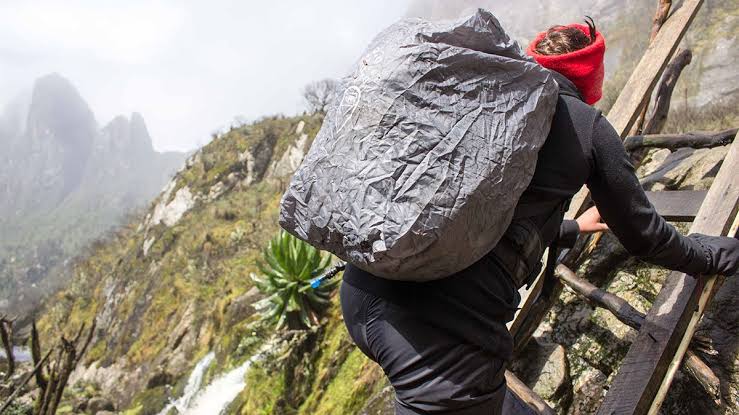
Given Agashya’s wider-ranging territory, trekkers assigned to this family should pack with a slightly more demanding day in mind, proper waterproof hiking boots, trekking poles, layered rain-ready clothing, and extra water and snacks beyond what a more predictable, shorter trek might require. Porters are available to hire at the trailhead and are especially worth considering here given the potential for a longer-than-average walk.
Best Time to Trek to the Agashya Family
Rwanda’s two dry seasons, roughly June through September and December through February, offer the firmest trail conditions across the park, and given Agashya’s tendency toward longer, more variable treks, firmer footing during these drier months makes a genuinely meaningful difference to how manageable the day feels overall.
Agashya’s Place Among Rwanda’s Gorilla Families
Volcanoes National Park is home to numerous habituated families beyond Agashya, including the calmer Amahoro family and the research-famous Susa family, each with a distinct territorial pattern and leadership history. Agashya’s specific story, a dramatic leadership takeover and a genuinely wide-ranging territory, gives it a reputation among repeat visitors as one of the park’s more unpredictable and dynamic families to trek.
Conservation and What Your Permit Supports
Every gorilla trekking permit fee, regardless of which family you’re assigned to, funds a substantial share of Rwanda’s ongoing conservation work, from anti-poaching patrols to veterinary care and community development programs in villages surrounding the park. Understanding a family’s individual history, including leadership changes like the one that shaped Agashya, adds genuine depth to appreciating exactly what that funding protects.
What Happens to a Deposed Silverback
The fate of a silverback who loses leadership of his family varies considerably, some continue living on the periphery of their former group for a time, others strike out entirely on their own in search of new territory, and a smaller number eventually succeed in attracting females away from other families to form a fresh group of their own. This aspect of gorilla social life, rarely visible during a standard one-hour trekking encounter, is part of the broader research context that gives a visit to a family like Agashya, whose current leader once won this exact struggle, a genuinely deeper layer of meaning for trekkers who take the time to understand it.
Common Questions About Trekking the Agashya Family
Trekkers frequently ask whether a family’s more assertive leadership history, like Agashya’s takeover story, makes an encounter feel more intense or unpredictable than a calmer group, and generally the standard viewing rules and ranger management ensure every encounter remains safe and well-controlled regardless of a family’s individual history. Visitors also ask whether the wider roaming pattern means a higher chance of a shorter trek on a lucky day, and the honest answer is that it genuinely can, since Agashya sometimes moves closer to the park boundary than families with more fixed, distant territories.
Combining an Agashya Trek With the Rest of Rwanda
Most visitors trekking to see Agashya base themselves in Kinigi or nearby Musanze, and many extend their stay to explore the region’s volcanic peaks further, including a look at how Karisimbi compares to Bisoke, before continuing toward Kigali to close out the trip with the capital’s genocide memorial and dining scene.
How Leadership Changes Shape a Family’s Future
When a silverback like Agashya successfully takes over a family, the transition often triggers broader changes beyond simple leadership, sometimes shifting the group’s territorial habits, its relationship with neighboring families, and even its long-term reproductive patterns as the new dominant male establishes his own breeding priorities within the group. Researchers studying Rwanda’s gorilla population pay close attention to these transitions precisely because they offer valuable insight into how genetic diversity and social structure evolve across the broader population over time, insight that feeds directly into the conservation strategies protecting these families for future generations.
What Makes Agashya a Favorite Among Repeat Visitors
Serious gorilla trekking enthusiasts who’ve visited Volcanoes National Park multiple times often specifically request Agashya precisely because of its dynamic history and wide-ranging territory, finding the added unpredictability genuinely appealing rather than a drawback compared to a more settled, easily located family. This reputation has made Agashya something of a favorite among photographers and wildlife documentarians too, who value the chance to observe a family whose daily patterns feel less scripted than some of the park’s more predictably located groups.
Why This Family’s Numerical Origin Adds Historical Interest
Learning that Agashya once carried only a numerical designation offers trekkers a genuinely interesting window into how Rwanda’s naming conventions have evolved over time, shifting from purely administrative labels toward names that capture something meaningful about each group’s specific story.
How This Family Fits a Broader Study of Gorilla Leadership Transitions
Travelers interested in comparing different leadership transition stories across Rwanda’s families find Agashya offers a genuinely useful counterpoint to more peaceful successions, illustrating just how varied the path to silverback dominance can actually be within the same broader population.
Planning Your Visit to the Agashya Family
Because final family assignments rest with park authorities on the morning of the trek, working with an experienced operator who understands Rwanda’s permit system gives you the best realistic chance of an assignment suited to your fitness level and interests, whether that’s a dynamic, wide-ranging family like Agashya or one of the park’s more territorially settled groups.
Recommended Tours: 7 Days Classic Rwanda Safari | 10 Days Ultimate Uganda Gorilla & Big Five Safari