Meet the Kwitonda Gorilla Family of Volcanoes National Park
The Kwitonda gorilla family carries a genuinely international backstory among Rwanda’s habituated groups, having originally migrated into Volcanoes National Park from the neighboring Virunga side of the Democratic Republic of Congo under the leadership of the silverback whose name, meaning humble one in Kinyarwanda, the family now carries. This cross-border migration reflects an important reality about mountain gorillas in the Virunga Massif: national park boundaries mean nothing to the animals themselves, who roam freely across Rwanda, Uganda, and DRC territory as their ranges naturally require. This guide covers Kwitonda’s origin story, its substantial size, where its territory now sits within the park, and what trekkers should genuinely expect from a visit to this well-established, transboundary family.
A Family Born From Cross-Border Migration
Kwitonda’s arrival in Rwanda from DRC’s side of the Virunga Massif is a reminder that the mountain gorilla population inhabiting these volcanic slopes doesn’t recognize the political boundaries humans have drawn across their shared habitat. This kind of movement between countries happens periodically, and Kwitonda’s own migration into Rwandan territory, followed by successful habituation for tourism, represents one of the more notable examples of this cross-border dynamic playing out within a single family’s documented history, one that trekkers can still trace today simply by asking their guide about the group’s origins.
What the Name Kwitonda Reflects
Naming a family after its lead silverback, as happened with Kwitonda, is a common practice within Rwanda’s gorilla family naming conventions, and the name itself, meaning humble or self-restrained, offers an interesting contrast to the assertive, territory-claiming migration this particular silverback undertook to establish his family in new terrain. Rangers who’ve observed Kwitonda’s group over the years often note that despite the ambitious cross-border move that founded the family, its current dynamics reflect a genuinely settled, cohesive social structure.
A Notably Large Family
Kwitonda has historically been counted among the larger gorilla families available for trekking in Volcanoes National Park, and larger family size generally translates into a richer, more varied viewing experience during the standard one-hour encounter, more juveniles at play, more distinct individual personalities to observe, and a fuller picture of gorilla social structure in action across multiple generations within a single group.
Where Kwitonda’s Territory Sits
Having established itself within Rwandan territory after its original migration, Kwitonda’s range now sits within the broader Volcanoes National Park trekking zone, though as with every family, its exact position on any given day depends on recent foraging patterns and seasonal food availability across its territory. Trackers head out at first light to confirm the family’s current location before your assigned ranger guides the trekking group along the most efficient route in.
What a Trek to See Kwitonda Involves
Like every Rwanda gorilla trek, visiting Kwitonda begins with the standard early morning briefing at Volcanoes National Park headquarters in Kinigi, where trekkers are assigned to specific families based on fitness level and current tracking reports. Given the family’s substantial size, rangers sometimes note that a Kwitonda encounter offers an unusually full view of gorilla social complexity within the standard viewing window.
Trekking Difficulty and What to Pack
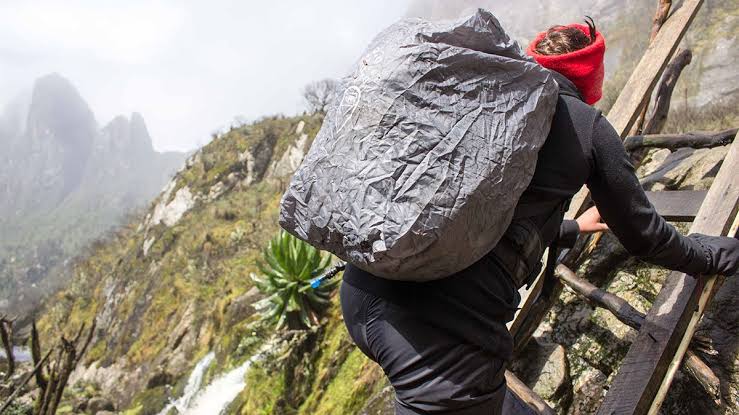
Kwitonda’s trekking difficulty varies depending on the family’s current position, and proper waterproof hiking boots, trekking poles, and rain-ready layered clothing remain essential regardless of assignment. Porters are available to hire at the trailhead and are worth the modest cost both for practical trail support and as direct income for the local community that depends on this seasonal work.
Best Time to Trek to the Kwitonda Family
Rwanda’s two dry seasons, roughly June through September and December through February, offer the firmest trail conditions across the park, including Kwitonda’s territory, though trekking during the wetter months remains a genuinely viable option for travelers with flexible dates and appropriate rain gear.
Kwitonda’s Place Among Rwanda’s Gorilla Families
Volcanoes National Park is home to numerous habituated families beyond Kwitonda, including the calmer Amahoro family and the wide-ranging Agashya family, each with a distinct history and territorial pattern. Kwitonda’s specific story, a cross-border migration that established an entirely new family within Rwandan territory, gives it a genuinely unique place among the park’s roster of habituated groups.
Conservation and What Your Permit Supports
Every gorilla trekking permit fee, regardless of which family you’re assigned to, funds a substantial share of Rwanda’s ongoing conservation work, from anti-poaching patrols to veterinary care and community development programs in villages surrounding the park. Kwitonda’s cross-border origin also underscores why regional cooperation between Rwanda, Uganda, and DRC on gorilla conservation matters so much, since protecting this shared, migratory population requires coordination across all three countries’ park authorities.
What Rangers Watch For With a Transboundary Family
Rangers monitoring Kwitonda pay particular attention to how the family interacts at the edges of its adopted territory, watching for any renewed movement toward the DRC border or shifts in relations with neighboring Rwandan families as the group continues to settle. This ongoing monitoring feeds into the broader regional research effort tracking gorilla population dynamics across the entire Virunga Massif, giving Kwitonda’s story real scientific value well beyond its appeal as a distinctive trekking destination for visitors.
Common Questions About Trekking the Kwitonda Family
Trekkers frequently ask whether Kwitonda’s DRC origins mean the family behaves any differently from Rwanda’s other groups, and the honest answer is no, gorilla behavior and social structure remain consistent regardless of a family’s specific migratory history once fully settled and habituated. Visitors also ask whether larger families like Kwitonda offer a better overall viewing experience, and while size does mean more individuals to observe, the quality of any single encounter ultimately depends more on the family’s current activity and mood than on headcount alone.
Why Cross-Border Families Matter for Conservation
Kwitonda’s story highlights a broader truth central to mountain gorilla conservation strategy: because gorillas move freely across the Virunga Massif regardless of national boundaries, effective protection genuinely depends on close, ongoing cooperation between the wildlife authorities of Rwanda, Uganda, and the Democratic Republic of Congo. This shared responsibility model, sometimes called transboundary conservation, has become a cornerstone of the region’s remarkable gorilla population recovery over recent decades, and families like Kwitonda serve as a living reminder of why that cooperation genuinely matters.
Combining a Kwitonda Trek With the Rest of Rwanda
Most visitors trekking to see Kwitonda base themselves in Kinigi or nearby Musanze, and many extend their stay to compare the region’s volcanic peaks, including a look at Karisimbi versus Bisoke, before continuing on toward Kigali to close out the trip.
How Migration Shapes a Family’s Long-Term Behavior
Families that establish new territory through migration, as Kwitonda did, often display slightly different territorial patterns than groups that have occupied the same range across many generations, sometimes ranging a bit more broadly as they continue testing the boundaries of their adopted home territory relative to established neighboring families. Rangers who’ve tracked Kwitonda closely since its arrival note that this settling-in process, establishing stable boundaries relative to neighboring groups like Amahoro and Agashya, has been a gradual, multi-year process rather than something that happened overnight, offering a genuinely interesting long-term case study in gorilla territorial behavior.
What Makes a Large Family Like Kwitonda Distinctive to Observe
Beyond simply offering more individuals to watch, a large family like Kwitonda often displays a more elaborate internal social structure, with sub-groupings of mothers and their offspring, established play groups among juveniles, and a dominant silverback whose attention and authority must stretch across a genuinely larger number of dependents than in a smaller family unit. Trekkers who’ve visited both smaller and larger Volcanoes National Park families frequently describe this fuller social complexity as one of the most rewarding aspects of a Kwitonda encounter specifically.
Regional Cooperation and the Future of Families Like Kwitonda
The ongoing success of transboundary families like Kwitonda depends heavily on continued cooperation between Rwanda’s Volcanoes National Park, Uganda’s Mgahinga Gorilla National Park, and DRC’s Virunga National Park, all three of which share unbroken forest habitat across the wider Virunga Massif. This cooperative approach, including coordinated anti-poaching efforts and shared research data across all three countries, has been central to the broader recovery of the region’s mountain gorilla population and remains essential to protecting families whose ranges, like Kwitonda’s original migration route, cross national lines.
Why This Family’s Story Resonates With Travelers Interested in Regional Politics
Beyond wildlife appeal alone, Kwitonda’s story genuinely interests travelers curious about how conservation cooperation functions across politically distinct nations sharing a single fragile ecosystem, offering a tangible example of transboundary environmental collaboration succeeding in practice.
How This Family’s Size Continues Evolving
As with any large gorilla family, Kwitonda’s substantial size means it remains a genuine candidate for a future split, and researchers continue monitoring internal dynamics closely for any early signs of the kind of separation that has reshaped other sizable families elsewhere in the region.
Planning Your Visit to the Kwitonda Family
Because final family assignments rest with park authorities on the morning of the trek, working with an experienced operator who understands Rwanda’s permit system gives you the best realistic chance of an assignment suited to your interests, whether that’s a large, cross-border family like Kwitonda or one of the park’s other remarkable groups.
Recommended Tours: 7 Days Classic Rwanda Safari | 3 Days Bwindi Gorilla Trekking Safari