Meet the Hirwa Gorilla Family of Volcanoes National Park
The Hirwa gorilla family, whose name translates to the lucky one in Kinyarwanda, has one of the more unusual origin stories among Rwanda’s habituated groups, having formed not through a typical single-family split but through the merger of individuals from two separate groups coming together under one silverback’s leadership. This kind of merger is considerably rarer than the more common splitting pattern seen elsewhere in Volcanoes National Park, and Hirwa’s formation remains a genuinely notable case study among researchers studying gorilla social structure. The family later became even more well known after a rare set of twin gorillas was born into the group, cementing its lucky reputation across the region’s conservation and research community. This guide covers Hirwa’s distinctive history, where its territory sits within the park, and what a trek to see this family genuinely involves for visitors.
An Unusual Origin: A Merger, Not a Split
While most new gorilla families form when members break away from an existing group, Hirwa’s formation followed a different and considerably less common path, bringing together individuals from separate groups under a single dominant silverback rather than splitting one established family into two. Researchers who study Rwanda’s gorilla population point to Hirwa as one of the clearer documented examples of this merger pattern, offering valuable insight into just how flexible and varied gorilla social structures can genuinely be.
The Twins That Made Hirwa Famous
Hirwa’s reputation as the lucky family was reinforced considerably when a set of twin gorillas was born into the group, a genuinely rare event in mountain gorilla reproduction given the significant physical demands twin pregnancies place on the mother and the additional care required to raise two infants simultaneously. This rare birth drew considerable attention from researchers and conservationists alike, and the twins’ survival into adulthood became one of the more celebrated success stories associated with Rwanda’s broader gorilla conservation program.
What the Merger Means for Family Dynamics
Because Hirwa’s members originated from more than one distinct social group, the family’s internal dynamics offer a genuinely interesting study in how gorillas adapt to blended social structures, something considerably less common than the more typical multi-generational family unit found elsewhere in the park. Trekkers visiting Hirwa are, in effect, observing a family whose very existence demonstrates the adaptability of gorilla social bonds beyond simple bloodline hierarchy.
Where Hirwa’s Territory Sits
Hirwa’s territory lies within Volcanoes National Park’s broader trekking zone, and as with every family, its exact position on a given day depends on recent foraging patterns and food availability across the group’s range. Trackers head out at first light to confirm the family’s current location, allowing your assigned ranger to plan the most efficient route once the group’s position is confirmed by radio.
What a Trek to See Hirwa Involves
Like every Rwanda gorilla trek, visiting Hirwa begins with the standard early morning briefing at Volcanoes National Park headquarters in Kinigi, where trekkers are assigned to specific families based on fitness level and current tracking reports. Given the family’s fame surrounding its twin births, Hirwa is a frequently requested family among visitors who’ve read about its story before arriving in Rwanda.
Trekking Difficulty and What to Pack
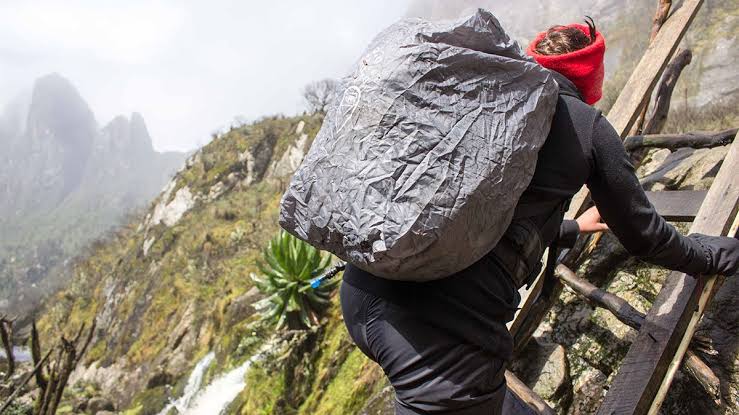
Hirwa’s trekking difficulty varies depending on the family’s current position on any given day, and proper waterproof hiking boots, trekking poles, and rain-ready layered clothing remain essential regardless of specific family assignment. Porters are available to hire at the trailhead and are worth the modest cost both for practical trail support and as direct income for the local community.
Best Time to Trek to the Hirwa Family
Rwanda’s two dry seasons, roughly June through September and December through February, offer the firmest trail conditions across the park, including Hirwa’s territory, though trekking during the wetter months remains genuinely viable for travelers with flexible dates and appropriate rain gear.
Hirwa’s Place Among Rwanda’s Gorilla Families
Volcanoes National Park is home to numerous habituated families beyond Hirwa, including the transboundary Kwitonda family and the calmer Amahoro family, each with a distinct history. Hirwa’s unusual merger origin and its famous twin births give it a genuinely unique story among the park’s roster of families, one that continues to draw visitors specifically curious about this rare chapter in mountain gorilla history.
Conservation and the Significance of Twin Births
Twin births among mountain gorillas remain rare enough that each documented case carries genuine scientific and conservation significance, since successfully raising two infants at once tests a mother’s resources and a family’s collective support in ways single births don’t. Hirwa’s twins surviving into adulthood was celebrated as a meaningful data point in understanding gorilla reproductive resilience, and every trekking permit fee, regardless of family, continues to fund the veterinary and research programs that monitor developments like this across the wider population.
How Researchers Confirmed the Merger Story
Piecing together Hirwa’s unusual origin required years of careful observation by Rwanda’s dedicated gorilla monitoring teams, who track individual gorillas across their lifetimes well enough to recognize when members from separate known groups begin associating and eventually consolidate under one silverback. This kind of long-term individual tracking, maintained since the earliest days of Dian Fossey’s original research, is precisely what allows Rwanda’s conservation program to document genuinely rare events like Hirwa’s formation with real scientific confidence rather than guesswork.
Common Questions About Trekking the Hirwa Family
Trekkers frequently ask whether the famous twins are still part of the family today, and the honest answer depends entirely on current tracking data, since gorillas mature and eventually disperse from their birth family as they reach adulthood, so your guide can offer the most accurate, up-to-date answer on trekking day itself. Visitors also ask whether merger-formed families like Hirwa are less stable than traditionally split families, and the evidence from years of monitoring suggests otherwise, with Hirwa functioning as a fully cohesive, stable family unit despite its unconventional origin, its silverback maintaining the same authority and protective role expected of any dominant male regardless of how the group first came together.
Why Merger Families Matter to Researchers
Hirwa’s formation through merger rather than split offers researchers a genuinely valuable comparative case study, helping build a fuller picture of just how adaptable gorilla social bonds can be when circumstances, rather than bloodline, bring individuals together under shared leadership. This kind of research directly informs how conservationists understand population resilience and social flexibility across the broader Virunga Massif gorilla population, adding real scientific weight behind what might otherwise seem like simply an interesting trivia fact for trekkers.
Combining a Hirwa Trek With the Rest of Rwanda
Most visitors trekking to see Hirwa base themselves in Kinigi or nearby Musanze, and many extend their stay to compare the region’s volcanic peaks, including a look at Karisimbi versus Bisoke, before continuing on toward Kigali to close out the trip.
Raising Twins in the Wild: Why It’s So Demanding
A single gorilla infant already requires years of dedicated maternal care, nursing, carrying, and protection from a mother whose own nutritional needs remain substantial throughout that period, and doubling those demands with twins pushes a mother’s physical resources to their genuine limit. Successfully raising Hirwa’s twins to independence required considerable support not just from the mother herself but from the broader family structure, including the protective presence of the group’s silverback, illustrating just how much gorilla family cohesion matters to individual survival outcomes within the group.
What Trekkers Say About Visiting Hirwa
Visitors who’ve specifically sought out Hirwa often describe a particular sense of anticipation tied to the family’s story, arriving hopeful for a glimpse of the now-grown twins or simply curious to observe a family whose very formation defied the more typical pattern seen elsewhere in the park. Whether or not the original twins remain with the group at the time of any given visit, trekkers consistently describe Hirwa’s overall temperament as warm and settled, consistent with a family that has spent years successfully integrating members from more than one original social unit.
Photography and Etiquette During a Hirwa Encounter
Flash photography is strictly prohibited throughout every gorilla encounter in Rwanda, and Hirwa’s status as a famous, frequently requested family doesn’t change that rule in the slightest. Staying quiet, moving deliberately, and following your ranger’s instructions immediately if repositioning becomes necessary all remain standard practice, ensuring the encounter stays calm and respectful regardless of how much anticipation visitors bring to meeting this particular family.
Why This Family’s Rare Story Resonates With So Many Travelers
Given how genuinely uncommon both a merger origin and a documented twin birth are individually, Hirwa’s combination of both makes it one of the more frequently discussed families among serious gorilla trekking enthusiasts planning their Rwanda itinerary.
How This Story Adds Depth to a First-Time Rwanda Visit
Travelers who research Hirwa’s story before their trip often describe a genuinely heightened sense of anticipation, transforming what would already be a remarkable encounter into one layered with real narrative interest before they’ve even arrived at the ranger station.
Planning Your Visit to the Hirwa Family
Because final family assignments rest with park authorities on the morning of the trek, working with an experienced operator who understands Rwanda’s permit system gives you the best realistic chance of an assignment suited to your interests, whether that’s the famously lucky Hirwa family or one of the park’s other remarkable groups.
Recommended Tours: 7 Days Classic Rwanda Safari | 12-Day Uganda Gorilla Tours and Kenya Great Migration Safaris