Meet the Karisimbi Gorilla Family of Volcanoes National Park
The Karisimbi gorilla family takes its name from Mount Karisimbi, the tallest peak in Rwanda’s Virunga range, and traces its origin back to a split from the famous Susa group, one of the families originally studied by Dian Fossey. Territory on the slopes of this towering volcano, the highest point in the entire Virunga Massif, means a Karisimbi trek ranks among the more physically demanding options in Volcanoes National Park, appealing specifically to fitter trekkers seeking both a serious physical challenge and a direct connection to one of gorilla research’s most storied family lineages. This guide covers Karisimbi’s origin as a Susa offshoot, its high-altitude character, where its territory sits, and what trekkers should genuinely expect from a visit to this demanding but rewarding family.
A Family Descended From Susa
Karisimbi’s formation as a split from the historically significant Susa family means it carries some of that same deep research lineage, even as an independent group with its own distinct identity and territory. Family splits like this one are a natural, regularly documented part of gorilla social life, occurring when a group grows large enough that internal competition eventually leads a subset of members to establish independent territory under new leadership.
Why the Name Karisimbi Fits This Family
Mount Karisimbi rises to become the tallest of the eight volcanoes forming the Virunga Massif, and this family’s territory on its slopes places it at a genuinely high elevation compared to many of the park’s other habituated groups. The name reflects both a literal geographic marker and a fitting symbol for a family whose trekking reputation is defined almost entirely by the demanding terrain surrounding its home range.
A High-Altitude, Demanding Trek
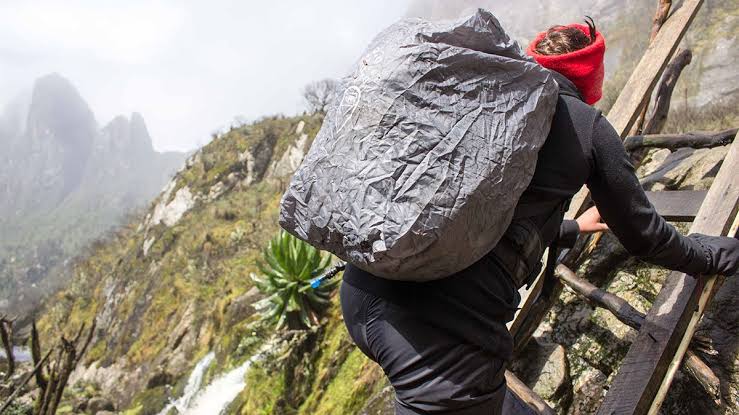
Reaching Karisimbi’s territory typically involves a more strenuous climb than many of Volcanoes National Park’s other family treks, and trekkers assigned to this group should arrive with realistic expectations about the physical effort required. The elevation alone means the air feels noticeably thinner than at the park’s lower trekking zones, and even reasonably fit visitors sometimes find themselves more winded than anticipated during the ascent.
Where Karisimbi’s Territory Sits
Karisimbi’s range spans the upper slopes of its namesake volcano, and as with every family, its exact position on a given day depends on recent foraging patterns and food availability across that higher-altitude terrain. Trackers head out at first light to confirm the family’s overnight location, and given the demanding terrain, this tracking process sometimes takes longer here than in the park’s more accessible lower zones.
What a Trek to See Karisimbi Involves
Like every Rwanda gorilla trek, visiting Karisimbi begins with the standard early morning briefing at Volcanoes National Park headquarters in Kinigi, where trekkers are assigned to specific families based on fitness level and current tracking reports. Given the family’s demanding territory, this assignment is generally reserved for visitors who’ve indicated strong fitness during the briefing process.
Trekking Difficulty and What to Pack
A Karisimbi trek calls for genuinely serious preparation, proper broken-in waterproof hiking boots, trekking poles, and warm, layered clothing for both the cold pre-dawn briefing and the temperature drop that comes with higher elevation. Porters are available to hire at the trailhead and are especially worth considering here given how demanding this particular family’s terrain can be.
Best Time to Trek to the Karisimbi Family
Rwanda’s two dry seasons, roughly June through September and December through February, offer the firmest trail conditions across the park, and given Karisimbi’s already demanding terrain, firmer footing during these drier months makes a genuinely meaningful difference to how manageable the climb feels overall.
Karisimbi’s Place Among Rwanda’s Gorilla Families
Volcanoes National Park is home to numerous habituated families beyond Karisimbi, including its parent group Susa, the notably accessible Sabyinyo family, and the wide-ranging Agashya family. Karisimbi’s specific combination of high-altitude terrain and its connection to Susa’s research legacy makes it a favorite among trekkers specifically seeking the park’s most physically demanding, genuinely rewarding trekking day.
Conservation and What Your Permit Supports
Every gorilla trekking permit fee, regardless of which family you’re assigned to, funds a substantial share of Rwanda’s ongoing conservation work, from anti-poaching patrols to veterinary care and community development programs in villages surrounding the park. Karisimbi’s higher-altitude territory also places it closer to some of the more sensitive, less-visited stretches of the Virunga Massif, making the ranger patrols funded by trekking permits especially important for protecting this specific corner of the park.
How Karisimbi’s Split From Susa Was Documented
Tracking a family split as significant as the one that formed Karisimbi from Susa requires the same kind of sustained, individual-level monitoring that has defined Rwanda’s gorilla research program since Dian Fossey’s earliest years at Karisoke, with rangers and researchers recognizing specific individuals by distinguishing features and recording exactly when and how the new group established its independent territory. This documentation gives Karisimbi’s story a genuinely verified scientific foundation, distinguishing it from a simple assumption about the family’s origins.
Common Questions About Trekking the Karisimbi Family
Trekkers frequently ask whether Karisimbi’s difficulty is comparable to Susa’s, given their shared origin, and the honest answer is that both families have historically ranked among the park’s more demanding treks, though exact difficulty on any given day depends on where each group has moved. Visitors also ask whether age is a limiting factor for this specific family, and while there’s no strict upper age limit for gorilla trekking generally, Karisimbi’s demanding terrain is worth approaching cautiously for anyone with cardiovascular or joint concerns.
What Sets a High-Altitude Trek Apart
Beyond the physical challenge itself, trekking to Karisimbi’s elevation offers a genuinely different forest experience than lower-altitude families, cooler air, different vegetation patterns, and often a heightened sense of remoteness that comes with climbing higher into the volcano’s slopes. Trekkers who’ve completed both a lower-elevation trek and a Karisimbi trek frequently describe the latter as feeling like a more complete wilderness expedition, distinct from the somewhat more accessible experience found closer to park headquarters.
Combining a Karisimbi Trek With the Rest of Rwanda
Most visitors trekking to see Karisimbi base themselves in Kinigi or nearby Musanze for at least one night before and after the climb, and many extend their stay to explore the broader region, including a look at how Karisimbi’s summit trek compares to Bisoke’s for travelers considering the volcano hike itself as a separate adventure beyond gorilla trekking.
Mount Karisimbi Beyond the Gorilla Trek
Mount Karisimbi itself is also a popular summit destination for hikers entirely separate from gorilla trekking, a genuinely demanding two-day climb to its crater rim that draws a different crowd of visitors specifically seeking a high-altitude trekking challenge rather than a wildlife encounter. Understanding this dual identity, the mountain as both a gorilla family’s home territory and a standalone hiking destination, helps clarify why Karisimbi carries such a distinct reputation compared to families whose territories sit on more thickly forested, lower-lying ground elsewhere in the park.
Fitness Preparation for a Karisimbi Trek
Trekkers seriously considering a Karisimbi assignment benefit from genuine pre-trip fitness preparation, ideally including some hiking or cardiovascular conditioning in the weeks before travel, rather than assuming general good health alone will be sufficient for the sustained climb involved. Acclimatizing to altitude where possible, even a day or two spent at moderate elevation before the trek, can also make a meaningful difference to how the climb feels, particularly for travelers arriving directly from low-altitude home countries.
Why Some Trekkers Deliberately Seek Out Karisimbi
Rather than seeing Karisimbi’s difficulty as a drawback, a meaningful number of experienced trekkers and repeat visitors deliberately request this family precisely because of the physical challenge and the sense of genuine achievement that comes with reaching such a remote, high-altitude corner of the park. This appeal extends particularly to travelers who’ve already completed a more moderate trek on a previous visit and are specifically looking for a more demanding follow-up experience during a return trip to Rwanda.
Why Karisimbi’s Research Lineage Adds Genuine Meaning
Beyond the physical achievement, trekking a family with documented Susa ancestry connects visitors directly to Dian Fossey’s original research legacy, giving a Karisimbi trek a layer of historical significance that purely scenic or physical appeal alone wouldn’t provide.
How This Trek Compares to Other High-Altitude Options in the Region
Travelers who’ve also attempted Mount Kenya or Kilimanjaro’s lower stages sometimes note genuine similarities in how altitude affects breathing and pace during a Karisimbi gorilla trek, though the shorter overall duration makes it a more compressed, if still genuinely demanding, high-altitude experience.
Planning Your Visit to the Karisimbi Family
Because final family assignments rest with park authorities on the morning of the trek, and Karisimbi specifically demands strong fitness, working with an experienced operator who will give you an honest assessment of whether this family suits your physical condition leads to a considerably better outcome than discovering the terrain’s true difficulty partway up the volcano.
Recommended Tours: 7 Days Classic Rwanda Safari | 10 Days Ultimate Uganda Gorilla & Big Five Safari