The Busingye Gorilla Family of Bwindi: A Trekker’s Profile
The Busingye gorilla family formed when the silverback whose name it now carries led a breakaway group away from the larger, established Kahungye family within Bwindi Impenetrable National Park’s Rushaga sector. Busingye’s name translates to peace in the local Rukiga language spoken around Bwindi, an interesting contrast given that his rise to lead an independent group involved the same kind of assertive, forceful separation seen in several other notable Rushaga family splits over the years. This guide covers Busingye’s origin story, what its name suggests about gorilla naming traditions, where its territory sits, and what a trek to see this family genuinely involves from briefing to encounter.
How Busingye Broke Away From Kahungye
Busingye’s departure from the larger Kahungye family followed the well-documented pattern of a maturing silverback asserting independence and drawing a following of members willing to establish new territory under his leadership, a natural and regularly observed part of gorilla social life once a family has grown large enough that internal competition makes separation the more sustainable path forward. This split added another independent family to Rushaga’s growing roster, itself a quiet indicator of the sector’s genuinely thriving gorilla population.
The Irony Behind the Name Busingye
Naming this family’s founding silverback Busingye, meaning peace, despite the assertive nature of his split from Kahungye, offers an interesting window into how Rwanda and Uganda’s gorilla naming traditions sometimes reflect aspiration or specific individual character traits rather than simply documenting the circumstances of a family’s formation. Rangers familiar with Busingye’s temperament since the split describe a silverback whose current leadership style, whatever the circumstances of his rise, reflects a settled, capable authority over his own established group.
Where Busingye’s Territory Sits
The Busingye family’s range lies within the Rushaga sector’s broader trekking zone, in reasonable proximity to its parent group Kahungye’s own territory, and as with every family, its exact position on a given day depends on recent foraging patterns and food availability. Trackers head out at first light to confirm the family’s overnight location, allowing your assigned ranger to plan the most efficient route once the group’s position is confirmed by radio.
What a Trek to See Busingye Involves
Like every Rushaga trek, visiting Busingye begins with the standard early morning briefing at the sector’s ranger station, where trekkers are assigned to specific families based on fitness level and current tracking reports. Given the family’s relatively distinctive founding story, a Busingye trek is frequently requested by visitors curious about the range of ways gorilla leadership transitions can unfold.
Trekking Difficulty and What to Pack
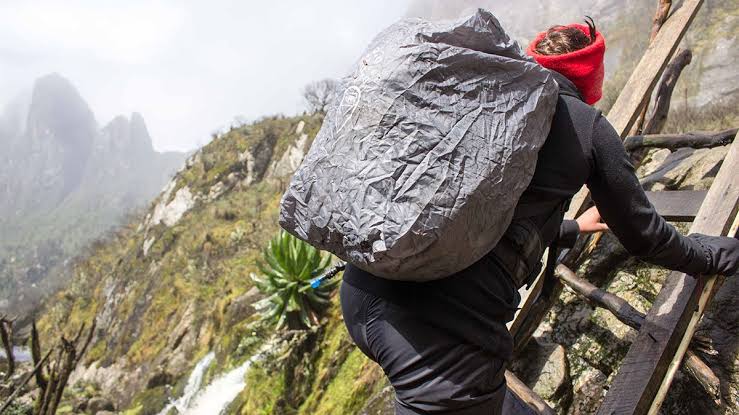
Trekking difficulty for Busingye varies depending on the family’s current position, consistent with Rushaga’s broader varied terrain, and proper waterproof hiking boots, trekking poles, and rain-ready layered clothing remain essential regardless of specific family assignment. Porters are available to hire at the trailhead and are worth the modest cost both for practical trail support and as direct income for the local community.
Best Time to Trek to the Busingye Family
Uganda’s two dry seasons, roughly June through September and December through February, offer the firmest trail conditions across Bwindi, including Busingye’s territory, though trekking during the wetter months remains genuinely viable for travelers with flexible dates and appropriate rain gear.
Busingye’s Place Among Bwindi’s Gorilla Families
Rushaga is home to numerous habituated families beyond Busingye, including its parent group Kahungye and the assertively founded Mishaya family, detailed fully in the sector’s broader Rushaga sector gorilla trekking guide. Busingye’s distinctive founding story gives it a genuinely memorable place among the sector’s roster of families.
Conservation and What Your Permit Supports
Every gorilla trekking permit fee, regardless of which family you’re assigned to, funds a substantial share of Uganda’s ongoing conservation work, from anti-poaching patrols to veterinary care and community development programs in villages surrounding Bwindi. Understanding individual family histories like Busingye’s adds real depth to appreciating exactly what that funding protects, distinct gorilla families each with their own documented leadership story.
Common Questions About Trekking the Busingye Family
Trekkers frequently ask whether Busingye’s split from Kahungye means any lasting tension between the two families, and the answer is generally no, once territories are established, neighboring gorilla families typically settle into a pattern of mutual avoidance rather than ongoing conflict. Visitors also ask whether the name Busingye reflects the silverback’s actual temperament today, and rangers who work with the family regularly describe a genuinely capable, settled leader whose current demeanor lives up to the peaceful meaning behind his name.
How Busingye Fits Into the Broader Pattern of Gorilla Leadership
Busingye’s rise mirrors a pattern seen repeatedly across both Bwindi and Rwanda’s Volcanoes National Park, where an ambitious young silverback eventually challenges the constraints of a larger family structure to establish his own independent territory and breeding opportunities. Researchers studying this recurring dynamic across multiple documented cases, including Busingye’s, continue building a fuller picture of exactly what separates a successful breakaway attempt from one that fails to attract enough following to survive independently.
What Busingye’s Story Adds to Rushaga’s Broader Family Tree
Busingye’s formation, alongside Mishaya’s earlier split from Nshongi, means Rushaga’s current roster of families traces back through several interconnected founding lineages, giving the sector a genuinely rich, branching family history that researchers and curious trekkers alike can trace across multiple related groups. This layered history adds real depth for visitors interested in more than just a single isolated encounter.
Combining a Busingye Trek With the Rest of Uganda
Most visitors trekking to see Busingye base themselves in Rushaga for at least one night before and after the trek, and many combine the visit with a Rwanda gorilla trekking leg given the sector’s proximity to the border, or extend their Uganda itinerary further toward Queen Elizabeth National Park.
What Sets Busingye Apart From Other Rushaga Splinter Families
While Rushaga’s family tree includes several groups formed through breakaway splits, Busingye’s specific combination of a peace-associated name and a genuinely assertive founding story gives it a memorable narrative contrast that guides often highlight when briefing trekkers before the day’s walk. This kind of storytelling detail, while not affecting the actual mechanics of the trek itself, adds a genuinely engaging layer of context that many visitors specifically remember long after the encounter itself has ended.
How Busingye’s Family Has Developed Since the Split
Since establishing independent territory, Busingye’s family has continued the natural cycle of births and gradual growth seen across every habituated gorilla group, building its own distinct multi-generational story separate from its parent family Kahungye. Rangers who’ve tracked both families since the original split note how each group has settled into its own subtly different territorial rhythm over the years since going their separate ways.
Photography and Etiquette During a Busingye Encounter
Flash photography is strictly prohibited throughout every gorilla encounter in Uganda, and this rule applies with equal seriousness to Busingye as to every other family in Bwindi, regardless of its founding silverback’s assertive history. Staying quiet, moving deliberately, and following your ranger’s instructions immediately if repositioning becomes necessary all remain standard practice, and most trekkers find that Busingye’s current settled, well-managed behavior contrasts interestingly with the more dramatic circumstances of the family’s founding.
Why Rushaga’s Layered Family History Appeals to Repeat Visitors
Trekkers who return to Rushaga specifically to trace the sector’s branching family tree, visiting Kahungye on one trip and Busingye on another, often describe this kind of comparative trekking as a genuinely rewarding way to deepen their understanding of gorilla social dynamics beyond a single isolated encounter. This approach appeals particularly to serious wildlife enthusiasts and photographers who value the added context that comes with understanding exactly how a sector’s current families relate to one another.
Why This Origin Story Resonates With Many Trekkers
Beyond the practical mechanics of the trek itself, Busingye’s specific narrative, a name meaning peace attached to a founding story rooted in assertive departure, gives guides genuine storytelling material that many trekkers cite afterward as one of the more memorable details from their overall Rushaga visit.
How Family Naming Traditions Add Depth to Every Trek
Learning the story behind a family’s name, as with Busingye, consistently deepens trekkers’ engagement with the encounter itself, turning what could be simply a wildlife sighting into a moment connected to a specific, documented chapter of gorilla social history.
Why Guides Enjoy Sharing Busingye’s Story Specifically
Rangers assigned to Busingye often note that the family’s specific combination of a peaceful name and an assertive founding story gives them genuinely rich material for engaging trekkers during the walk in, turning what could be a routine briefing into a memorable piece of storytelling.
Planning Your Visit to the Busingye Family
Because final family assignments rest with park authorities on the morning of the trek, working with an experienced operator who understands Uganda’s permit system gives you the best realistic chance of an assignment suited to your interests, whether that’s Busingye or one of Rushaga’s other groups.
Recommended Tours: 3 Days Bwindi Gorilla Trekking Safari | 12-Day Uganda Gorilla Tours and Kenya Great Migration Safaris