The Bweza Gorilla Family of Bwindi: A Trekker’s Profile
The Bweza gorilla family represents another branch in the remarkable family tree that traces back to Nshongi, once the largest gorilla group ever recorded, whose eventual splits over the years produced several independent families now trekked separately across Bwindi Impenetrable National Park’s Rushaga sector. Bweza’s formation adds further depth to what has become one of the most well-documented examples of gorilla family fission anywhere in the region, a case study researchers continue to reference when studying group size limits. This guide covers Bweza’s place within this branching lineage, where its territory sits, and what a trek to see this family genuinely involves from briefing to encounter.
Another Branch of a Record-Setting Lineage
Nshongi’s exceptional historic size meant that as the original group grew increasingly difficult to sustain as a single cohesive unit, multiple splits occurred over time rather than just one, with Bweza representing one of these subsequent breakaway groups establishing its own independent territory within the broader Rushaga area. This layered splitting history makes the Nshongi lineage a genuinely rich case study for anyone interested in how a single exceptionally large gorilla family can reshape an entire sector’s demographic structure over time.
What Bweza’s Formation Reveals About Family Size Limits
Each successive split within the Nshongi lineage, Bweza included, offers researchers additional data points on the practical limits of gorilla group cohesion, reinforcing the broader pattern observed elsewhere that even a genuinely dominant, capable silverback eventually reaches a threshold beyond which maintaining a single unified family becomes unsustainable. This ongoing research value extends well beyond Bweza’s appeal as a distinctive trekking destination in its own right.
Where Bweza’s Territory Sits
Bweza’s territory lies within the Rushaga sector’s broader trekking zone, in reasonable proximity to the other families tracing back to the original Nshongi lineage, and as with every family, its exact position on a given day depends on recent foraging patterns and food availability. Trackers head out at first light to confirm the family’s overnight location, allowing your assigned ranger to plan the most efficient route once the group’s position is confirmed by radio.
What a Trek to See Bweza Involves
Like every Rushaga trek, visiting Bweza begins with the standard early morning briefing at the sector’s ranger station, where trekkers are assigned to specific families based on fitness level and current tracking reports. Given the family’s connection to Rushaga’s well-documented Nshongi lineage, a Bweza trek is frequently requested by visitors with a specific interest in the sector’s broader family history.
Trekking Difficulty and What to Pack
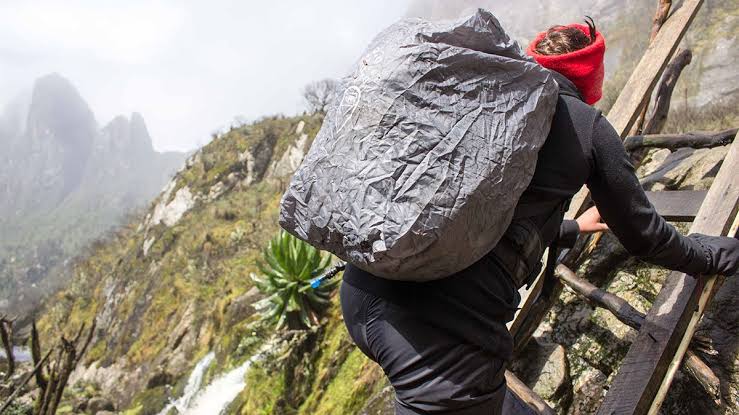
Trekking difficulty for Bweza varies depending on the family’s current position, consistent with Rushaga’s broader varied terrain, and proper waterproof hiking boots, trekking poles, and rain-ready layered clothing remain essential regardless of specific family assignment. Porters are available to hire at the trailhead and are worth the modest cost both for practical trail support and as direct income for the local community.
Best Time to Trek to the Bweza Family
Uganda’s two dry seasons, roughly June through September and December through February, offer the firmest trail conditions across Bwindi, including Bweza’s territory, though trekking during the wetter months remains genuinely viable for travelers with flexible dates and appropriate rain gear.
Bweza’s Place Among Bwindi’s Gorilla Families
Rushaga is home to numerous habituated families beyond Bweza, including its broader lineage relatives Nshongi and Mishaya, detailed fully in the sector’s broader Rushaga sector gorilla trekking guide. Bweza’s place within this branching family tree gives it a genuinely rich historical context among the sector’s roster of groups.
Conservation and What Your Permit Supports
Every gorilla trekking permit fee, regardless of which family you’re assigned to, funds a substantial share of Uganda’s ongoing conservation work, from anti-poaching patrols to veterinary care and community development programs in villages surrounding Bwindi. The multiple healthy splits tracing back to Nshongi, Bweza included, stand as one of the clearest tangible demonstrations of what sustained conservation investment can achieve for a single gorilla population over time.
Common Questions About Trekking the Bweza Family
Trekkers frequently ask how many families now trace their lineage back to the original Nshongi group, and while the exact current count depends on the latest tracking data your operator can confirm, several distinct families across Rushaga share this common ancestry. Visitors also ask whether visiting multiple related families across separate trips offers meaningfully different experiences, and repeat trekkers who’ve done exactly this often describe subtle but genuine differences in each group’s territorial habits and social rhythm despite their shared origin.
What a Multi-Family Trekking Trip Looks Like
A small but genuinely dedicated segment of repeat visitors plan return trips to Rushaga specifically to trek several families across the Nshongi lineage over consecutive days, comparing Bweza, Mishaya, and Nshongi itself within a single, focused visit to the sector. While this requires separate permits and a longer overall stay, trekkers who’ve completed this kind of comparative circuit consistently describe it as one of the most intellectually rewarding ways to experience Uganda’s gorilla trekking program beyond a single standard encounter.
Why Tracing Family Lineages Matters to Researchers
Understanding exactly how families like Bweza relate to their broader lineage helps researchers build a genuinely complete picture of gorilla population dynamics across Rushaga, informing everything from disease monitoring, since related families may share certain genetic vulnerabilities, to broader conservation planning aimed at maintaining healthy genetic diversity across the wider population. This scientific value underscores why Uganda Wildlife Authority invests so heavily in detailed, individual-level family tracking.
Combining a Bweza Trek With the Rest of Uganda
Most visitors trekking to see Bweza base themselves in Rushaga for at least one night before and after the trek, and many combine the visit with a Rwanda gorilla trekking leg given the sector’s proximity to the border, or extend their Uganda itinerary further toward Queen Elizabeth National Park.
What Makes the Nshongi Lineage Unique in Bwindi
Few families anywhere in Bwindi can trace as extensive and well-documented a branching history as those descending from Nshongi, with Bweza standing as one of several independent groups that emerged from this single record-setting family over the years. This depth of documented lineage makes the Rushaga sector a genuinely fascinating destination for trekkers specifically interested in gorilla family genealogy, offering a rare opportunity to visit multiple related groups whose shared origin is thoroughly recorded rather than simply assumed.
Trekking Bweza as Part of a Broader Family Story
Visitors who take the time to learn about Bweza’s place within the broader Nshongi lineage before their trek often describe a deepened appreciation for what they’re observing during the actual encounter, recognizing familiar patterns of social structure and behavior that echo across the entire related family group. Guides working in Rushaga frequently weave this broader context into their pre-trek briefings, helping trekkers understand exactly how the sector’s current families came to be organized as they are today.
Photography and Etiquette During a Bweza Encounter
Flash photography is strictly prohibited throughout every gorilla encounter in Uganda, and this rule applies with equal seriousness to Bweza as to every other family in Bwindi, regardless of its place within Rushaga’s broader family history. Staying quiet, moving deliberately, and following your ranger’s instructions immediately if repositioning becomes necessary all remain standard practice, ensuring a calm, respectful encounter with a family whose lineage represents one of gorilla research’s most thoroughly documented case studies.
What Rangers Track Across the Nshongi Family Tree
Monitoring Bweza alongside its related families requires rangers to maintain detailed cross-referenced records tracking individual gorillas’ movements between groups, breeding patterns, and territorial boundaries across the entire lineage, a genuinely substantial undertaking that reflects Uganda Wildlife Authority’s commitment to comprehensive population science. This coordinated tracking effort across multiple related families gives Rushaga’s gorilla population one of the most detailed demographic records found anywhere in the mountain gorilla’s range.
Why This Lineage Offers a Rare Educational Opportunity
Few destinations anywhere allow visitors to trace a single documented gorilla lineage across multiple separately trekkable families, making Rushaga’s Nshongi-descended groups a genuinely unique resource for travelers interested in understanding gorilla social evolution in tangible, visitable terms rather than through abstract description alone.
How Bweza’s Story Continues to Unfold
As with any gorilla family, Bweza’s own composition and territory will continue evolving over time, potentially producing further splits or developments that future researchers and trekkers will document, extending the Nshongi lineage’s already rich story even further.
Why This Story Resonates With Trekkers Beyond Rushaga
Even travelers who ultimately trek elsewhere in Uganda often find Bweza’s story genuinely worth knowing about, since it illustrates broader lessons about gorilla family dynamics applicable well beyond this single sector’s specific roster of groups.
Planning Your Visit to the Bweza Family
Because final family assignments rest with park authorities on the morning of the trek, working with an experienced operator who understands Uganda’s permit system gives you the best realistic chance of an assignment suited to your interests, whether that’s Bweza or one of Rushaga’s other groups.
Recommended Tours: 3 Days Bwindi Gorilla Trekking Safari | 10 Days Ultimate Uganda Gorilla & Big Five Safari