The Bikingi Gorilla Family of Bwindi: A Trekker’s Profile
The Bikingi gorilla family is one of the more recently opened groups available for trekking within Bwindi Impenetrable National Park’s Rushaga sector, part of the steady, ongoing expansion of habituated families that has helped Uganda Wildlife Authority accommodate growing visitor demand while keeping individual group sizes manageable for both tourism and gorilla welfare. As a newer addition to Rushaga’s roster, Bikingi offers trekkers the chance to visit a family whose relationship with rangers and tourism is still in its relatively early, actively developing stages. This guide covers what makes Bikingi distinctive, where its territory sits, and what a trek to see this family genuinely involves from briefing to encounter.
A Newer Addition to Rushaga’s Family Roster
Habituating a new gorilla family for tourism is a careful, multi-year undertaking, and Bikingi’s relatively recent addition to Rushaga’s trekking options reflects Uganda Wildlife Authority’s ongoing commitment to expanding sustainable trekking capacity as the region’s gorilla population continues to grow. This kind of steady expansion, adding newly habituated families rather than overcrowding existing groups with excessive visitor numbers, is central to how Uganda balances tourism revenue with genuine gorilla welfare.
Why Newer Families Offer a Distinct Appeal
Trekking a more recently habituated family like Bikingi offers a slightly different dynamic than visiting a long-established group, with rangers and trackers still building out their full understanding of the family’s territorial preferences and individual member personalities in real time. Some repeat visitors specifically seek out newer families for exactly this reason, appreciating the sense of being part of a still-unfolding chapter in a family’s documented history.
Where Bikingi’s Territory Sits
Bikingi’s range lies within the Rushaga sector’s broader trekking zone, and as with every family, its exact position on a given day depends on recent foraging patterns and food availability across the group’s territory. Trackers head out at first light to confirm the family’s overnight location, allowing your assigned ranger to plan the most efficient route once the group’s position is confirmed by radio.
What a Trek to See Bikingi Involves
Like every Rushaga trek, visiting Bikingi begins with the standard early morning briefing at the sector’s ranger station, where trekkers are assigned to specific families based on fitness level and current tracking reports. Given the family’s more recent habituation, checking current availability and any specific guidance with your operator ahead of booking helps ensure accurate, up-to-date expectations for the day.
Trekking Difficulty and What to Pack
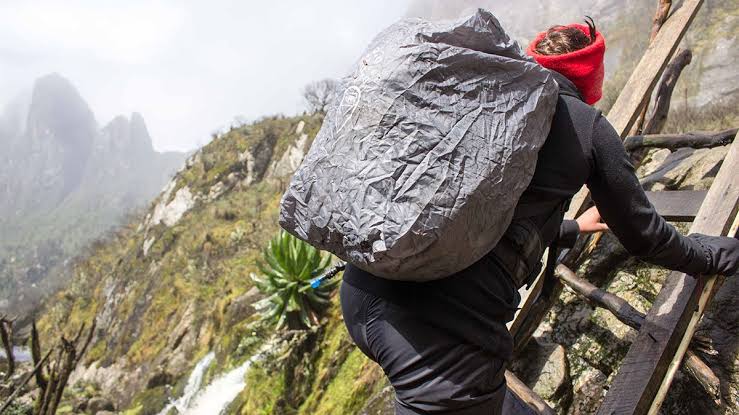
Trekking difficulty for Bikingi varies depending on the family’s current position, consistent with Rushaga’s broader varied terrain, and proper waterproof hiking boots, trekking poles, and rain-ready layered clothing remain essential regardless of specific family assignment. Porters are available to hire at the trailhead and are worth the modest cost both for practical trail support and as direct income for the local community.
Best Time to Trek to the Bikingi Family
Uganda’s two dry seasons, roughly June through September and December through February, offer the firmest trail conditions across Bwindi, including Bikingi’s territory, though trekking during the wetter months remains genuinely viable for travelers with flexible dates and appropriate rain gear.
Bikingi’s Place Among Bwindi’s Gorilla Families
Rushaga is home to numerous habituated families beyond Bikingi, including the long-established Kahungye family and the historically record-setting Nshongi family, detailed fully in the sector’s broader Rushaga sector gorilla trekking guide. Bikingi’s status as a newer addition gives it a genuinely distinctive place among the sector’s roster of groups.
Conservation and What Your Permit Supports
Every gorilla trekking permit fee, regardless of which family you’re assigned to, funds a substantial share of Uganda’s ongoing conservation work, from anti-poaching patrols to veterinary care and community development programs in villages surrounding Bwindi. The continued habituation of newer families like Bikingi reflects direct, tangible evidence of that funding at work, expanding sustainable trekking capacity as the population continues its encouraging recovery.
Common Questions About Trekking the Bikingi Family
Trekkers frequently ask whether a newer family like Bikingi is less predictable or reliable to trek than an established group, and the answer is no, families are only opened for tourism once fully habituated to human presence, meaning the fundamental viewing experience remains consistent regardless of how recently a family joined the trekking roster. Visitors also ask how they can confirm whether Bikingi is currently available for their travel dates, and your tour operator can check real-time permit allocation directly with Uganda Wildlife Authority.
Why Trekkers Should Confirm Details Before Booking
Because newer families like Bikingi can see occasional adjustments to permit allocation or trekking logistics as Uganda Wildlife Authority continues refining its management approach for recently opened groups, confirming current details directly with your operator shortly before your trip helps avoid any surprises. This is standard good practice for any gorilla trekking booking, but it carries slightly added importance for a family whose tourism program is still relatively new compared to Bwindi’s longest-established groups.
Why Expanding Family Numbers Matters for Conservation
Adding newly habituated families like Bikingi to the trekking roster serves a genuinely important conservation function beyond simply accommodating visitor demand, helping distribute tourism pressure across a wider number of groups rather than concentrating repeated daily visits on the same handful of families. This approach supports both gorilla welfare and a more sustainable long-term tourism model for the entire park.
Combining a Bikingi Trek With the Rest of Uganda
Most visitors trekking to see Bikingi base themselves in Rushaga for at least one night before and after the trek, and many combine the visit with a Rwanda gorilla trekking leg given the sector’s proximity to the border, or extend their Uganda itinerary further toward Queen Elizabeth National Park.
What the Habituation Process Involves for a Newer Family
Before any family reaches the point where visitors like Bikingi’s current trekkers can safely observe them, a dedicated team spends years conducting slow, controlled daily exposure sessions designed to reduce the group’s natural wariness of humans without ever provoking distress or defensive aggression. This patient process, refined considerably since Uganda’s earliest habituation efforts with the pioneering Mubare family, ensures that by the time a family like Bikingi opens to tourism, the group is genuinely comfortable with the standard viewing protocols rangers maintain during every visit.
How Bikingi Fits Into Rushaga’s Growing Reputation
Rushaga’s status as Bwindi’s highest-capacity sector owes directly to this ongoing pattern of habituating additional families like Bikingi, allowing the sector to responsibly accommodate more daily permits than any other part of the park without overburdening any single family with excessive visitor traffic. This expansion strategy has made Rushaga an increasingly popular choice for travelers booking on shorter notice or during peak season, when other sectors’ more limited family rosters sell out faster.
Photography and Etiquette During a Bikingi Encounter
Flash photography is strictly prohibited throughout every gorilla encounter in Uganda, and this rule applies with equal seriousness to Bikingi as to every other family in Bwindi, regardless of how recently the group was opened to tourism. Staying quiet, moving deliberately, and following your ranger’s instructions immediately if repositioning becomes necessary all remain standard practice, ensuring a calm, respectful encounter for a family still relatively early in its documented tourism history.
What to Expect From a Family Still Building Its Story
Because Bikingi’s tourism history is comparatively short, trekkers visiting this family are, in a genuine sense, contributing to the earliest chapters of its documented interaction with visitors, adding their own experience to a record that will grow considerably richer over the coming years as rangers continue building their understanding of the group. Some visitors find this appealing precisely because it offers a different kind of connection than trekking a family with decades of accumulated history behind it.
Why Some Trekkers Deliberately Request a Newer Family
Given the choice between a long-established group and a newer one like Bikingi, some travelers specifically request assignment to the newer family, drawn by the appeal of contributing to a still-developing tourism record rather than joining the well-trodden path of a group visited daily for years already.
How This Family’s Story Will Likely Read in Years to Come
As Bikingi’s tourism history lengthens, future guides will likely draw on a considerably richer body of accumulated observation than exists today, meaning current trekkers are genuinely witnessing an early, still-forming chapter of what will eventually become a fuller documented history much like Kahungye’s or Nshongi’s.
Why Bikingi’s Story Rewards Attentive Trekkers
Visitors who ask genuine questions during their briefing and trek often come away with a considerably richer understanding of exactly how a family transitions from wild group to tourism-ready roster member, insight rarely as freely available when trekking a longer-established family with a more routine, well-worn encounter pattern.
Planning Your Visit to the Bikingi Family
Because final family assignments rest with park authorities on the morning of the trek, working with an experienced operator who understands Uganda’s permit system and stays current on newly habituated families gives you the best realistic chance of an assignment suited to your interests, including a newer group like Bikingi if that story genuinely appeals to you.
Recommended Tours: 3 Days Bwindi Gorilla Trekking Safari | 7 Days Classic Rwanda Safari