The Kyaguriro Gorilla Family of Bwindi: A Trekker’s Profile
The Kyaguriro gorilla family, based within Bwindi Impenetrable National Park’s Ruhija sector, holds a particularly close connection to the scientific research conducted in this part of the park, with researchers from local conservation institutes maintaining an especially detailed, long-term study of the group alongside the standard ranger monitoring every Bwindi family receives. This research relationship gives Kyaguriro a genuinely distinctive character among Bwindi’s habituated groups, one worth understanding fully before planning a trek here specifically. This guide covers Kyaguriro’s research connections, where its territory sits, and what travelers should know before planning a visit.
A Family With Deep Research Ties
Ruhija has long served as a hub for gorilla research in Uganda, with conservation institutes maintaining a sustained scientific presence in the sector, and Kyaguriro’s proximity to this research infrastructure has made the family a particularly well-studied group over the years. This ongoing scientific attention adds real depth to what’s known about Kyaguriro’s social structure, health, and behavioral patterns compared to some of Bwindi’s less intensively studied families.
Checking Current Trekking Availability
Because family assignments and specific trekking arrangements can shift over time as Uganda Wildlife Authority balances research access with tourism demand, confirming Kyaguriro’s current availability directly with an experienced local operator before finalizing any travel plans is genuinely important. An operator with up-to-date knowledge of Ruhija’s specific family roster can advise accurately on whether Kyaguriro is currently accessible for standard trekking on your intended travel dates.
Where Kyaguriro’s Territory Sits
Kyaguriro’s range lies within the Ruhija sector’s broader trekking zone, an area known for its higher elevation, cooler climate, and exceptional birding alongside its gorilla trekking offerings. As with every family, its exact position on a given day depends on recent foraging patterns and food availability across the group’s territory.
What a Trek to See Kyaguriro Involves
Like every Ruhija trek, visiting Kyaguriro, where currently available for standard tourism, begins with the standard early morning briefing at the sector’s ranger station, where trekkers are assigned to specific families based on fitness level, current tracking reports, and permit allocation for the day. Given the family’s research profile, guides in Ruhija often share additional scientific context about Kyaguriro during the briefing or the walk itself.
Trekking Difficulty and What to Pack
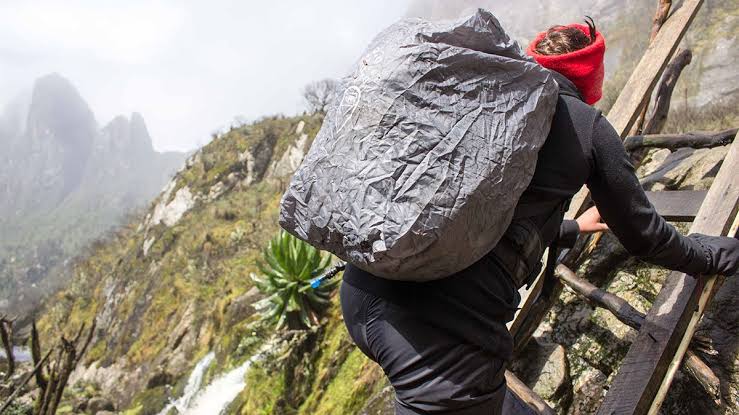
Consistent with Ruhija’s broader reputation for genuinely demanding, higher-altitude terrain, trekking difficulty for Kyaguriro can be considerable, and proper waterproof hiking boots, trekking poles, and warm, layered clothing for the cold pre-dawn briefing remain essential. Porters are available to hire at the trailhead and are worth the modest cost both for practical trail support and as direct income for the local community.
Best Time to Trek to the Kyaguriro Family
Uganda’s two dry seasons, roughly June through September and December through February, offer the firmest trail conditions across Bwindi, though Ruhija’s forest stays lush and misty regardless of season, part of what gives this sector such a distinctive atmosphere.
Kyaguriro’s Place Among Bwindi’s Gorilla Families
Ruhija is home to additional habituated families beyond Kyaguriro, including the notably playful Oruzogo family, each detailed fully in the sector’s broader Ruhija sector gorilla trekking guide. Kyaguriro’s research connections give it a genuinely distinctive place among the sector’s roster of groups.
Conservation and What Your Permit Supports
Every gorilla trekking permit fee, regardless of which family you’re assigned to, funds a substantial share of Uganda’s ongoing conservation work, from anti-poaching patrols to veterinary care and community development programs in villages surrounding Bwindi. Families with especially close research ties, like Kyaguriro, also contribute directly to the broader scientific understanding that continues to shape gorilla conservation policy across the region.
How Kyaguriro Compares to Ruhija’s Other Families
While Oruzogo and other Ruhija families are managed primarily with tourism in mind, Kyaguriro’s dual role as both a trekking family and an active research subject sets it apart within the sector’s roster, a distinction worth understanding when comparing options across Ruhija’s available groups. Trekkers specifically drawn to this research dimension often find the added scientific context genuinely enriches what would already be, on its own merits, a remarkable wildlife encounter.
Common Questions About the Kyaguriro Family
Travelers frequently ask why a research-connected family might have different access arrangements than other Bwindi groups, and the honest answer is that balancing ongoing scientific study with tourism access sometimes requires more careful coordination than with families focused purely on trekking. Visitors also ask whether this research connection makes a Kyaguriro encounter more scientifically interesting, and guides with knowledge of the family’s research history can often share genuinely fascinating context unavailable for less intensively studied groups.
What Trekkers Gain From a Research-Connected Family
Visitors fortunate enough to trek Kyaguriro often describe the encounter as feeling especially informative, thanks to guides able to draw on genuinely detailed scientific knowledge about the family’s individual members, health history, and social patterns rather than the more general commentary typical of a standard trekking briefing. This added depth appeals particularly to travelers with a background or genuine interest in wildlife biology, conservation science, or primatology, who often ask more detailed questions than the average visitor and appreciate having a guide equipped to answer them.
Why Research-Connected Families Matter to Conservation
Long-term research groups like Kyaguriro provide conservationists with invaluable longitudinal data on gorilla health, behavior, and social structure, information that directly informs how Uganda Wildlife Authority and partner research institutes manage the broader population’s welfare. This scientific contribution extends the value of Kyaguriro’s story well beyond any single trekking visit.
Combining a Kyaguriro Trek With the Rest of Uganda
Most visitors trekking in the Ruhija sector base themselves in Ruhija or nearby Kabale, and many extend their stay to include the sector’s renowned birding trails or a visit to Lake Bunyonyi before continuing their broader Uganda itinerary.
What Long-Term Gorilla Research Actually Involves
Sustained research on a family like Kyaguriro typically involves daily observation logs tracking feeding behavior, social interactions, health indicators, and reproductive patterns, data collected consistently over years or even decades to build a genuinely reliable picture of gorilla life beyond what any single visit could reveal. This kind of research infrastructure, requiring dedicated staff, consistent funding, and careful coordination with park authorities, represents a significant ongoing investment in understanding mountain gorillas at a level of detail that benefits the entire species’ conservation outlook.
How Research and Tourism Coexist in Ruhija
Balancing scientific research with tourism access requires genuine coordination between researchers, rangers, and tour operators, ensuring that any trekking visits to a family like Kyaguriro complement rather than disrupt the ongoing study work happening in the sector. This kind of careful management reflects Uganda’s broader approach to gorilla conservation, treating tourism revenue and scientific research as complementary tools rather than competing priorities within the same protected landscape.
Photography and Etiquette During a Kyaguriro Encounter
Where standard trekking access applies, flash photography remains strictly prohibited throughout any gorilla encounter in Uganda, and this rule applies with equal seriousness to Kyaguriro as to every other family in Bwindi. Staying quiet, moving deliberately, and following your ranger’s instructions immediately if repositioning becomes necessary all remain standard practice, a level of care that arguably matters even more for a family whose ongoing research value depends partly on maintaining consistent, low-disruption interaction patterns.
What Makes Ruhija a Genuine Hub for Gorilla Science
Beyond Kyaguriro specifically, Ruhija’s broader reputation as a center for gorilla and biodiversity research reflects decades of accumulated scientific infrastructure and expertise concentrated in this particular corner of Bwindi, making the sector genuinely valuable to conservation science well beyond its appeal as a trekking destination. Travelers with a specific interest in conservation research sometimes extend their Ruhija stay specifically to learn more about this scientific dimension alongside their standard trekking activities.
Why This Family Suits Travelers With a Scientific Background
Visitors with formal training in biology, ecology, or a related field often find Kyaguriro’s specific research connection genuinely rewarding, since guides here can engage with more technical questions in a way that matches a scientifically literate traveler’s genuine curiosity.
How This Family’s Story Connects to Broader Gorilla Science
Data gathered from Kyaguriro over the years feeds into the same broader body of research that informs conservation decisions across the entire Virunga Massif, meaning a single trek here connects visitors, even if indirectly, to a much larger, ongoing scientific effort spanning multiple countries and decades.
Why This Family Rewards Travelers Who Ask Questions
Given how much additional scientific context Kyaguriro’s guides can offer compared to standard families, trekkers who arrive genuinely curious and willing to ask questions during the walk consistently get more out of the encounter than those who treat it as a purely visual experience.
Planning Your Visit to the Kyaguriro Family
Because family assignments and access can vary, working with an experienced operator who understands Ruhija’s current family roster and research arrangements gives you the clearest, most accurate picture of your options before booking, whether that leads to a Kyaguriro trek or one of Ruhija’s other remarkable families.
Recommended Tours: 4 Days Uganda Gorilla and Chimpanzee Tour | 10 Days Ultimate Uganda Gorilla & Big Five Safari