Meet the Researchers Who Habituate Uganda’s Gorilla Families
Behind every gorilla family a trekker eventually visits stands a team of researchers and trackers whose years of patient, largely unseen work made that encounter possible in the first place. These are the people who spend their careers deep in Bwindi’s forest, building the foundation of trust between wild mountain gorillas and the human visitors who now travel from around the world to see them, often without ever receiving public recognition for the effort. This guide introduces the kind of work these researchers actually do and why their contribution matters as much as the gorillas themselves.
Why This Work Rarely Makes Headlines
Unlike more visible conservation milestones, such as a population count reaching a new record or a high-profile anti-poaching operation, habituation work unfolds so gradually and quietly that it rarely generates the kind of media attention other conservation achievements receive. Yet without this patient, unglamorous groundwork, none of the more visible gorilla tourism industry that Uganda and Rwanda now depend on economically could exist in the first place.
Who Becomes a Gorilla Habituation Researcher
Habituation teams typically combine formally trained wildlife researchers, often holding degrees in conservation biology or primatology, with experienced local trackers whose deep knowledge of the forest and its wildlife comes from years of hands-on fieldwork rather than academic study alone. This combination of scientific training and practical forest expertise gives habituation teams a genuinely well-rounded skill set essential to the work.
A Typical Day in the Field
Researchers assigned to an active habituation project spend nearly every day tracking their target family, often for years on end, recording detailed observations on movement patterns, feeding behavior, and the family’s gradually shifting tolerance of human presence. This daily commitment, regardless of weather or terrain difficulty, represents a genuinely demanding professional lifestyle few outside the field fully appreciate.
The Training Behind This Work
Before joining an active habituation project, researchers and trackers undergo extensive training covering gorilla behavior recognition, safety protocols, and the specific patient methodology required to avoid causing stress during the gradual habituation process. This training builds directly on decades of accumulated institutional knowledge dating back to Uganda’s earliest habituation work with the pioneering Mubare family.
How Researchers Build Trust With a Family
Building trust with a wild gorilla family requires researchers to remain consistently calm, predictable, and non-threatening across hundreds of individual encounters, gradually reducing the distance between themselves and the family while carefully reading behavioral cues that indicate comfort or stress. This delicate, iterative process forms the genuine heart of habituation work.
The Emotional Connection Researchers Develop
Spending years with the same family inevitably produces genuine emotional attachment, and many researchers describe coming to recognize individual gorillas’ distinct personalities, quirks, and relationships in ways that go well beyond clinical scientific observation. This personal investment often shows in how passionately these researchers speak about “their” families once habituation is complete.
What Happens After Habituation Succeeds
Once a family reaches full habituation and joins the standard trekking roster, many researchers transition to ongoing monitoring roles, continuing to track the family’s health, social dynamics, and any significant developments while training the ranger teams who’ll guide daily tourist visits going forward. The researcher’s involvement rarely ends simply because tourism access begins.
Women in Uganda’s Gorilla Research Field
The gorilla research and tracking profession, historically male-dominated across much of Africa’s conservation sector, has seen genuine growth in female representation over recent years, with more women pursuing careers in wildlife biology and fieldwork roles across Uganda’s national parks. This shift reflects broader progress in conservation employment more generally, and several respected female researchers now hold senior positions within Uganda’s gorilla habituation and monitoring programs.
How This Research Supports Broader Conservation
The data collected throughout habituation and beyond feeds directly into broader population studies covering gorilla demographics, disease patterns, and genetic diversity across the wider Virunga Massif, giving individual researchers’ daily fieldwork genuine scientific significance well beyond any single family’s story.
Meeting Researchers During Your Trek
Travelers booking the gorilla habituation experience in Rushaga get the rare opportunity to meet active researchers directly, asking questions and hearing firsthand accounts of the ongoing work behind a still-habituating family. Standard trekkers, while not meeting researchers directly, still benefit from decades of this same underlying scientific effort.
Why This Work Deserves Recognition
The relatively quiet, unglamorous nature of habituation work means these researchers rarely receive the public recognition given to more visible conservation figures, yet their sustained, patient effort forms the genuine backbone of every gorilla trekking program across Uganda and Rwanda.
The Physical Demands of a Researcher’s Career
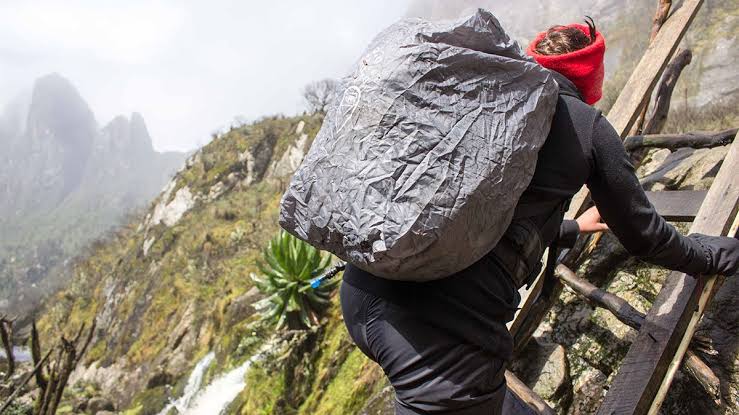
Working as a gorilla habituation researcher demands genuine physical resilience, years of daily forest treks across steep, muddy, unpredictable terrain regardless of weather, often carrying equipment while maintaining the calm, careful demeanor essential to the habituation process itself. This physical toll, combined with the sheer duration of most habituation projects, means the role attracts a genuinely dedicated kind of professional willing to commit years of their career to a single, slow-unfolding project.
How Researchers Collaborate With Local Communities
Beyond their direct work with gorilla families, many researchers maintain close relationships with communities living around the park, since local knowledge of forest terrain, wildlife movement, and historical land use often proves invaluable to habituation efforts. This collaboration also helps build broader community support for conservation, reinforcing the connection between successful habituation, tourism revenue, and tangible local benefit.
Career Paths Within Gorilla Conservation Research
Researchers who begin their careers on habituation projects often progress into broader conservation roles over time, moving into population monitoring, veterinary support coordination, or training the next generation of trackers and rangers. This career trajectory means the specialized skills developed during years of habituation work continue benefiting the broader conservation program long after any single family’s habituation is complete.
Notable Contributions From Uganda’s Research Community
Uganda’s gorilla research tradition draws heavily on methodologies pioneered decades ago and continuously refined by generations of researchers working across Bwindi Impenetrable National Park, each contributing incrementally to an ever-growing body of knowledge about mountain gorilla behavior, health, and social structure. This cumulative, collaborative approach to research means no single individual’s contribution exists in isolation, but rather builds on a shared foundation that every new researcher joining the field inherits and continues to expand.
How Technology Has Changed Research Methods
While the fundamental patient, in-person approach to habituation remains unchanged, modern researchers increasingly supplement traditional observation with GPS tracking, camera traps, and digital record-keeping systems that make it considerably easier to maintain detailed, consistent documentation across long habituation timelines than earlier generations working with paper notebooks alone. This technological evolution hasn’t replaced the essential human element of habituation work, but it has made the resulting research data considerably richer and more accessible for long-term analysis.
Common Questions About Habituation Researchers
Travelers frequently ask whether they can pursue a career in gorilla habituation research themselves, and while opportunities do exist for qualified conservation professionals, competition for these positions is genuinely intense given how few active habituation projects run at any given time across the region. Visitors also ask whether researchers ever name gorillas informally during the habituation process before an official name is chosen, and yes, teams often use working nicknames for individual gorillas during the years-long process, some of which eventually inform the family’s or individual’s official documented name.
Why Meeting a Researcher Changes How Trekkers See the Encounter
Travelers who have the opportunity to speak directly with an active researcher, whether through the habituation experience or a chance meeting at a ranger station, consistently describe this interaction as adding genuine, lasting perspective to their overall trip, hearing firsthand about the challenges, breakthroughs, and quiet satisfaction of years spent building trust with a wild gorilla family. This human dimension of the story often proves just as memorable as the gorilla encounter itself.
Why This Profession Deserves Consideration From Young Conservationists
Students weighing a career in wildlife conservation would genuinely benefit from understanding gorilla habituation research as a viable, meaningful path, one that combines rigorous science with the kind of sustained, hands-on fieldwork rarely available in more conventional research settings.
How Researchers Pass Down Institutional Knowledge
Experienced researchers nearing the end of a long habituation project typically mentor newer team members directly, ensuring the specific behavioral insights and family knowledge accumulated over years transfer smoothly rather than being lost when personnel eventually change.
Why This Story Deserves a Place in Every Pre-Trek Briefing
Operators who take a few extra minutes to introduce the researchers behind a family’s habituation, rather than jumping straight into logistics, give trekkers a genuinely richer frame for understanding exactly what they’re about to experience.
Appreciating This Work on Your Trek
Whichever family you visit during your Uganda gorilla trekking trip, taking a moment to appreciate the researchers whose years of careful work made your encounter possible adds genuine depth to what remains, for most visitors, one of travel’s most profound wildlife experiences.
Recommended Tours: 3 Days Bwindi Gorilla Trekking Safari | 10 Days Ultimate Uganda Gorilla & Big Five Safari