
What to Pack for a Full-Day Gorilla Habituation Trek
What to pack for a full-day gorilla habituation trek goes meaningfully beyond a standard trekking packing list, since the experience’s extended eight-hour-plus duration and often longer walking distances demand more thorough preparation than a typical one-hour encounter requires. Getting this right makes a genuine difference to how much you’re able to enjoy the extended time with the gorillas rather than fighting discomfort, hunger, or fatigue throughout what remains a genuinely long day outdoors. This guide covers exactly what to bring.
Footwear: The Most Important Decision
Proper waterproof hiking boots, genuinely broken in well before your trip rather than worn for the first time on trekking day, matter more for a habituation trek than almost any other single packing decision, given the extended walking distances and unpredictable terrain often involved in reaching a still-habituating family. New boots risk blisters that can seriously undermine an already physically demanding day.
Why Broken-In Boots Matter So Much Here
Blisters or hot spots that might be a minor annoyance on a standard one-hour trek become genuinely trip-altering problems across a habituation day’s extended walking distance, and breaking in new boots specifically on shorter practice walks in the weeks before your trip pays real dividends once you’re actually in the field. If your existing boots are already comfortable and well broken-in, there’s no need to buy new ones simply because the day is longer.
Clothing: Layering for a Long Day
Given the temperature swing between a cold pre-dawn briefing and the exertion of extended walking and observation, layered clothing you can add or remove throughout the day works considerably better than a single heavy jacket. A moisture-wicking base layer, a warm mid-layer for the early morning, and a genuine waterproof outer shell cover the full range of conditions a habituation day can bring.
Rain Protection: More Essential Than Standard Trekking
The longer duration of a habituation trek means a genuinely higher statistical chance of encountering at least some rain during the day, making full waterproof protection, both a jacket and trousers rather than just a poncho, considerably more important here than for a standard hour-long trek.
Food and Water for an Extended Day
Pack more food and water than you would for standard trekking, energy bars, dried fruit, and at least two to three liters of water are sensible minimums, and asking your lodge to prepare a packed lunch specifically for the day’s extended timeline helps ensure you stay properly fueled throughout.
Gloves and Hand Protection
Gardening gloves for pushing through dense, sometimes nettle-lined undergrowth prove genuinely useful across the longer distances a habituation trek can involve, protecting your hands through considerably more vegetation contact than a shorter standard trek typically requires.
Camera Gear and Protection
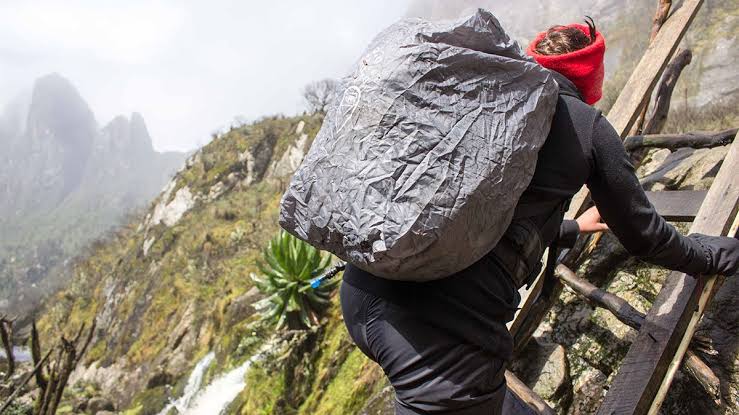
Given the extended observation window, photographers should pack fully charged batteries, spare memory cards, and a daypack with a proper rain cover to protect equipment through what can be a genuinely long day exposed to variable weather. The extended time frame rewards more thorough gear preparation than a standard trek’s shorter window requires.
Weather Apps and Checking Forecasts
Checking a reliable weather forecast the morning of your habituation trek, using an offline-capable weather app downloaded before you lose reliable connectivity, helps set realistic expectations for the day ahead, though Bwindi’s mountain weather can shift quickly regardless of what any forecast predicts. Packing for a range of possible conditions remains the safer strategy regardless of what the morning forecast suggests.
A Trekking Pole for the Longer Walk
A sturdy trekking pole helps considerably on the potentially longer, less predictable walking distances a habituation trek can involve, providing extra stability on Bwindi’s uneven, often muddy terrain across a genuinely extended day on your feet.
Binoculars for the Extended Observation Window
A lightweight pair of binoculars adds real value during a habituation trek, particularly for observing subtler behavior from a comfortable distance during the extended viewing window, or simply for spotting forest birds during the walk in. This small addition rewards the patience the day’s longer format already encourages.
Sun Protection Despite the Forest Canopy
Even under Bwindi’s dense canopy, sun exposure adds up across a full day outdoors, and packing sunscreen, a hat, and sunglasses for any more open stretches of trail remains sensible despite the forest’s generally shaded conditions.
A Basic Personal Health Kit
Given the day’s length, packing any personal medications, basic pain relief, and blister treatment supplies makes sense beyond what you might carry for a shorter standard trek, since managing a minor issue mid-day without returning to your lodge requires genuine self-sufficiency.
A Small Notebook for Field Observations
Some habituation participants find genuine value in bringing a small waterproof notebook to jot down observations, questions for researchers, or simply memorable moments throughout the extended day, capturing details that photographs alone don’t fully preserve. This low-tech addition costs almost nothing in weight or space but adds a genuinely reflective dimension to the day for travelers who enjoy this kind of documentation.
What Not to Bring
Avoid bright or heavily patterned clothing that might draw unwanted attention from wildlife, and skip anything not genuinely necessary given how much extra weight you’ll already be carrying across a longer day than standard trekking demands.
Choosing the Right Daypack
Your daypack itself deserves genuine consideration for a habituation trek, ideally something in the twenty to thirty liter range with a comfortable, well-padded hip belt to distribute weight across a genuinely long day, rather than a smaller bag designed for a brief standard trek. A pack with easily accessible external pockets for water and snacks saves you from constantly digging through the main compartment every time you need a quick drink or bite to eat.
Packing Cubes and Organization
Given how much more gear a habituation day genuinely requires compared to standard trekking, organizing your daypack with small packing cubes or dedicated pouches for food, camera gear, and rain protection helps you find what you need quickly without unpacking everything mid-trail. This small organizational investment pays off considerably across a day this long.
Insect Repellent for Extended Forest Exposure
The longer time spent in Bwindi’s dense forest environment increases your overall exposure to insects, making a reliable insect repellent containing DEET a sensible addition to your packing list, applied both before departure and reapplied partway through the day if the extended timeline allows a natural break.
A Change of Socks
Packing a spare pair of dry socks for the return journey, tucked into an easily accessible pocket of your daypack, offers a small but genuinely appreciated comfort boost after a long day of walking through Bwindi’s often damp terrain, especially if your feet have gotten wet at any point during the trek.
What Your Operator or Lodge Can Provide
Before assuming you need to purchase every item yourself, check with your lodge or tour operator about what they can provide, some properties offer porter services, packed lunches, and even rental gear like trekking poles or rain ponchos, which can meaningfully lighten your own packing burden for the day. This is particularly worth confirming if you’re traveling with limited luggage space and hoping to avoid purchasing specialized gear you’ll only use once.
A Sample Packing Checklist
Pulling everything together, a genuinely well-prepared habituation trekker packs broken-in waterproof boots, layered clothing including a warm layer and full rain protection, at least two to three liters of water, high-energy snacks or a packed lunch, gardening gloves, a trekking pole, sun protection, insect repellent, camera gear with spare batteries and a rain cover, a basic health kit, and a spare pair of dry socks for the journey home.
Common Packing Mistakes to Avoid
The most common mistake first-time habituation participants make is underestimating just how much longer and more physically demanding the day is compared to standard trekking, packing as though for a typical one-hour visit rather than a genuinely extended field day. Reviewing this list carefully against your own packing plan before departure helps avoid the discomfort of realizing mid-trek that you’ve under-prepared for the day ahead.
Why Testing Your Full Kit Before Departure Helps
Assembling your complete packing list a few days before travel and doing a short practice walk with the loaded daypack genuinely helps identify any comfort issues with weight distribution or fit before you’re committed to a full day in the field.
How Packing Well Improves the Actual Experience
Beyond simple comfort, travelers who arrive genuinely well-prepared find they can focus fully on the researchers and gorillas throughout the extended day, rather than being distracted by preventable discomfort that thorough packing would have avoided entirely.
Why a Practice Pack-Down Matters More for This Trek
Given how much more gear this specific day genuinely requires, doing a full practice pack-down at home, then actually wearing the loaded daypack for a short walk, catches fit and weight issues while there’s still time to adjust before departure.
Packing With Confidence for Your Habituation Day
Thorough preparation genuinely shapes how much you’re able to enjoy the extended time with a still-habituating gorilla family, and reviewing this list alongside the full habituation experience diary helps set realistic expectations for your Rushaga trekking day.
Recommended Tours: 3 Days Bwindi Gorilla Trekking Safari | 12-Day Uganda Gorilla Tours and Kenya Great Migration Safaris