

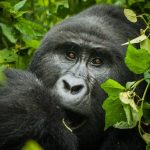
Eastern Lowland Gorillas (Grauer’s Gorillas): Where and When to See Them in East Africa
Eastern lowland gorillas, also called Grauer’s gorillas, represent the world’s largest gorilla subspecies, found exclusively within a specific stretch of the Democratic Republic of Congo’s eastern highlands, distinct from the mountain gorillas trekked in Uganda and Rwanda. Understanding exactly where this genuinely massive primate lives, and the realistic logistics of visiting, helps serious primate enthusiasts plan accurately for this rarer, more specialized encounter. This guide covers the specifics, from the subspecies’ distinctive size through to the practical realities of trekking in eastern DRC.
Where Eastern Lowland Gorillas Actually Live
Eastern lowland gorillas exist exclusively within eastern DRC, with Kahuzi-Biega National Park serving as the most established and accessible location for trekking this subspecies, though scattered populations exist across other forest areas within the subspecies’ broader range.
Why This Location Is So Restricted
Unlike mountain gorillas, whose range spans multiple countries and protected areas, eastern lowland gorillas occupy a considerably more geographically restricted range, entirely confined to specific DRC forest habitat, making Kahuzi-Biega the practical, near-exclusive access point for most visitors.
How Eastern Lowland Gorillas Differ From Mountain Gorillas
Beyond their larger overall size, eastern lowland gorillas display shorter, less dense fur than mountain gorillas, an adaptation to their lower-elevation forest habitat compared to the cooler mountain environments mountain gorillas inhabit.
Best Time of Year to Visit
Trekking conditions at Kahuzi-Biega follow broadly similar dry and wet season patterns to neighboring Uganda and Rwanda, though current accessibility depends considerably more on regional conditions than seasonal weather alone.
Population Status and Conservation Concern
Eastern lowland gorillas have faced severe historical population decline due to poaching and habitat pressure linked to regional instability, making the subspecies considerably more endangered relative to its total population than mountain gorillas, whose numbers have grown steadily under sustained conservation investment.
Security and Access Considerations
Given DRC’s more complex security landscape compared to Uganda or Rwanda, travelers should work exclusively with operators possessing genuine, current expertise in this specific region before finalizing any visit plans.
Combining This Trek With Rwanda
Kahuzi-Biega’s position near Bukavu, accessible via the Rwanda border crossing at Cyangugu, makes combining this trek with a broader Rwanda itinerary genuinely feasible for travelers specifically seeking this distinct gorilla subspecies.
What a Sighting Actually Feels Like
Trekkers who’ve experienced both subspecies often describe the eastern lowland gorilla encounter as carrying a genuinely different physical impression, the sheer scale of an adult male silverback here can feel even more imposing than a mountain gorilla, despite both species sharing the same fundamentally calm, family-oriented social behavior.
Why Serious Enthusiasts Pursue This Specific Trek
Travelers who’ve already experienced mountain gorilla trekking sometimes specifically pursue eastern lowland gorillas to complete a fuller understanding of gorilla diversity, comparing the two subspecies directly through firsthand experience.
Permits and Booking Logistics
Permits and booking logistics for Kahuzi-Biega differ from Uganda and Rwanda’s more established systems, making specialized operator guidance genuinely essential rather than optional for this specific trek.
What Makes This Subspecies’ Size So Notable
Adult male eastern lowland gorillas can reach genuinely exceptional size, larger on average than any other gorilla subspecies, a physical distinction that makes even brief sightings during a trek genuinely memorable for the sheer scale of the animal encountered.
How Researchers Track This Population
Given the subspecies’ restricted range and the genuine logistical challenges of working in this part of DRC, population monitoring for eastern lowland gorillas has historically proven more difficult than for mountain gorillas, meaning current population estimates carry somewhat more uncertainty than the more closely tracked mountain gorilla numbers.
Why Kahuzi-Biega’s Volcanic Terrain Shapes the Trek
Named for the two dormant volcanoes anchoring the park, Kahuzi-Biega’s terrain genuinely combines dense lowland forest with more open bamboo zones at higher elevation, offering trekkers a physically varied experience compared to the more uniformly dense forest conditions found in Bwindi.
How Habituation Programs Have Progressed at Kahuzi-Biega
Despite genuine historical setbacks from regional instability, conservation teams have continued working to maintain and, where possible, expand habituated eastern lowland gorilla groups, ongoing efforts that reflect real dedication given the considerably more difficult operating conditions compared to Uganda or Rwanda.
Why This Trek Genuinely Suits Only the Most Prepared Travelers
Given the combination of specialized logistics, security verification requirements, and genuinely less-developed tourism infrastructure, this specific trek suits travelers who have already gained comfort with East Africa’s more established trekking destinations and specifically seek a considerably more adventurous, less predictable experience.
How This Subspecies Fits Into the Broader Gorilla Conservation Story
Understanding eastern lowland gorillas’ genuinely more precarious status alongside mountain gorillas’ recovery success offers a fuller, more nuanced picture of gorilla conservation overall, illustrating how dramatically outcomes can differ even between closely related subspecies facing different regional pressures.
Common Questions About Eastern Lowland Gorilla Trekking
Travelers frequently ask whether Kahuzi-Biega trekking follows the same one-hour viewing format as Uganda and Rwanda, and yes, the general structure remains broadly similar, though specific logistics and booking processes differ meaningfully given DRC’s distinct tourism infrastructure. Visitors also ask whether this subspecies is genuinely more endangered than mountain gorillas, and yes, eastern lowland gorillas face a considerably more precarious conservation status overall, making responsible, permit-funded trekking here genuinely significant for the subspecies’ protection.
Why This Trek Rewards Careful Preparation
Given the genuinely different logistics, security considerations, and booking processes involved, travelers pursuing this specific trek benefit enormously from working with operators who maintain direct, current relationships with DRC-based conservation and tourism partners rather than attempting to arrange the visit independently.
Why This Subspecies Genuinely Deserves Wider Recognition
Despite being the world’s largest gorilla subspecies, eastern lowland gorillas receive considerably less international attention than mountain gorillas, a gap that reflects DRC’s genuine tourism access challenges rather than any lesser significance of the animals themselves.
How Local Communities Around Kahuzi-Biega Support Conservation
Despite the region’s broader challenges, communities living near Kahuzi-Biega genuinely participate in conservation efforts and tourism support roles, work that reflects real dedication given the considerably more difficult economic and security context compared to Uganda or Rwanda’s more established tourism economies.
Why This Trek Rewards Genuine Flexibility
Given how directly regional conditions can affect access, travelers pursuing this specific trek genuinely benefit from building flexibility into their broader itinerary, treating the Kahuzi-Biega visit as a valuable but conditions-dependent addition rather than a fixed centerpiece.
How This Encounter Compares Directly to Mountain Gorilla Trekking
Travelers who complete both treks consistently describe genuinely distinct impressions, mountain gorillas’ cooler forest setting and thicker fur against eastern lowland gorillas’ larger scale and warmer lowland habitat, a comparison that rewards serious primate enthusiasts willing to invest in both experiences.
Why Serious Gorilla Enthusiasts Consider This the Ultimate Trek
Given the genuine rarity and logistical difficulty involved, some dedicated primate enthusiasts consider a completed eastern lowland gorilla trek the true capstone of gorilla subspecies trekking, a considerably more demanding achievement than the more accessible mountain gorilla experience alone.
Why This Story Rewards Genuine Reflection
Taking a moment to genuinely consider why one gorilla subspecies has recovered while its close relative continues struggling offers a compelling reminder of how directly regional stability and sustained investment shape conservation outcomes.
How This Trek Fits a Broader Central Africa Adventure Itinerary
Travelers genuinely drawn to less-visited, more challenging destinations often pair this trek with other DRC or broader Central Africa experiences, building an itinerary that showcases a considerably different side of the region than standard East Africa safari circuits.
Why This Destination Deserves Genuine Long-Term Support
Regardless of any single traveler’s ability to visit, Kahuzi-Biega’s long-term conservation trajectory genuinely matters to the broader future of gorilla subspecies diversity, making continued international attention and responsible tourism support relevant well beyond individual trip planning.
Why Physical Preparation Matters Even More for This Trek
Given Kahuzi-Biega’s genuinely varied terrain, spanning dense lowland forest and higher bamboo zones, travelers should arrive with solid pre-trip fitness preparation, since the physical demands here can exceed what many visitors experience during a standard Bwindi trek.
How This Trek Reflects Broader DRC Tourism Potential
Kahuzi-Biega’s continued, if constrained, operation genuinely illustrates DRC’s broader untapped tourism potential, a reminder that the country’s wildlife heritage extends considerably further than its current, more limited visitor numbers might suggest.
Why This Encounter Rewards a Genuinely Adventurous Mindset
Travelers who approach this trek accepting genuine uncertainty as part of the experience, rather than expecting Uganda or Rwanda’s polished, predictable infrastructure, tend to find the entire journey considerably more rewarding regardless of exactly how logistics unfold.
Why This Trek Belongs on Every Serious Gorilla Enthusiast’s List
For travelers who have already experienced Uganda or Rwanda’s gorilla trekking and genuinely want to understand the full breadth of gorilla subspecies diversity, Kahuzi-Biega offers the single most complete way to round out that experience.
Planning Your Eastern Lowland Gorilla Trek
Working with an experienced operator who understands current DRC conditions ensures a realistic, well-prepared visit to see this remarkable subspecies as part of a broader gorilla trekking journey, one that rewards careful, patient planning with a genuinely rare and memorable encounter.
Recommended Tours: 7 Days Classic Rwanda Safari | 3 Days Bwindi Gorilla Trekking Safari


















