Kahuzi-Biega National Park: Trekking Eastern Lowland Gorillas in the DR Congo Highlands
Kahuzi-Biega National Park protects the world’s largest gorilla subspecies, the eastern lowland gorilla, also known as Grauer’s gorilla, a genuinely massive primate found in this specific corner of the Democratic Republic of Congo’s eastern highlands and nowhere else on earth. Named after the twin extinct volcanoes Kahuzi and Biega that dominate the park’s landscape, this UNESCO World Heritage Site offers a genuinely distinct gorilla trekking experience from the mountain gorilla trekking available in Uganda and Rwanda. This guide covers what makes Kahuzi-Biega worth knowing about, from the subspecies’ remarkable size through to the practical realities of trekking here today.
The World’s Largest Gorilla Subspecies
Eastern lowland gorillas rank as the largest of all gorilla subspecies, with adult males reaching genuinely impressive size, larger even than their mountain gorilla relatives found further east, making a Kahuzi-Biega trek a distinctly different physical encounter than mountain gorilla trekking elsewhere in the region.
Why This Subspecies Exists Only Here
Eastern lowland gorillas evolved in genuine isolation within this specific stretch of eastern DRC forest, geographically separated from mountain gorillas by distance and terrain, resulting in a distinct subspecies found exclusively within this part of the Democratic Republic of Congo.
Kahuzi-Biega’s Twin Volcanic Peaks
The park takes its name from Mount Kahuzi and Mount Biega, two extinct volcanic peaks that dominate the landscape and offer genuinely dramatic scenery alongside the gorilla trekking itself, appealing to hikers interested in combining primate tracking with mountain scenery.
Conservation Challenges Facing the Park
Kahuzi-Biega has faced genuine conservation challenges over recent decades, including periods of regional instability that affected park management and gorilla population monitoring, making the park’s continued protection efforts and current visitor access genuinely significant achievements worth supporting.
What a Kahuzi-Biega Trek Involves
Like other gorilla trekking experiences in the region, a Kahuzi-Biega visit begins with an early morning briefing before rangers lead trekkers into the forest to locate a habituated eastern lowland gorilla family, following a broadly similar structure to Uganda and Rwanda trekking despite the different subspecies and location.
Security Considerations for DRC Travel
Travelers considering Kahuzi-Biega should research current security conditions carefully and work specifically with operators experienced in DRC logistics, given the region’s more complex security situation compared to Uganda or Rwanda’s established tourism infrastructure.
Getting to Kahuzi-Biega
The park sits near Bukavu, accessible from Rwanda via the border crossing at Cyangugu, making it feasible to combine with a broader Rwanda itinerary for travelers specifically seeking this distinct gorilla subspecies.
Why Serious Primate Enthusiasts Prioritize This Park
Travelers who’ve already experienced mountain gorilla trekking in Uganda or Rwanda sometimes specifically seek out Kahuzi-Biega to complete their understanding of gorilla diversity, comparing the eastern lowland subspecies directly against their mountain gorilla experience.
UNESCO Recognition and Global Significance
Kahuzi-Biega’s designation as a UNESCO World Heritage Site reflects its genuinely outstanding universal value, both for the eastern lowland gorilla population it protects and its broader Congo Basin forest ecosystem, formal international recognition that underscores just how significant this park remains despite the region’s ongoing challenges.
The Park’s Broader Biodiversity
Beyond gorillas, Kahuzi-Biega supports genuinely rich biodiversity including chimpanzees and numerous other forest species, reflecting the park’s status as one of the Congo Basin’s most significant protected areas.
Physical Differences From Mountain Gorillas
Beyond raw size, eastern lowland gorillas display somewhat different fur characteristics and facial structure compared to mountain gorillas, adaptations reflecting their different habitat and evolutionary history, details that experienced guides can point out directly during a trek for visitors interested in the specific taxonomic distinctions.
How Population Numbers Have Changed Over Time
Eastern lowland gorilla populations suffered significant historical decline during periods of regional conflict and habitat pressure, making ongoing conservation and monitoring efforts within Kahuzi-Biega genuinely critical to the subspecies’ overall survival prospects across its already limited range.
How Climbing Mount Kahuzi Adds a Genuine Adventure Dimension
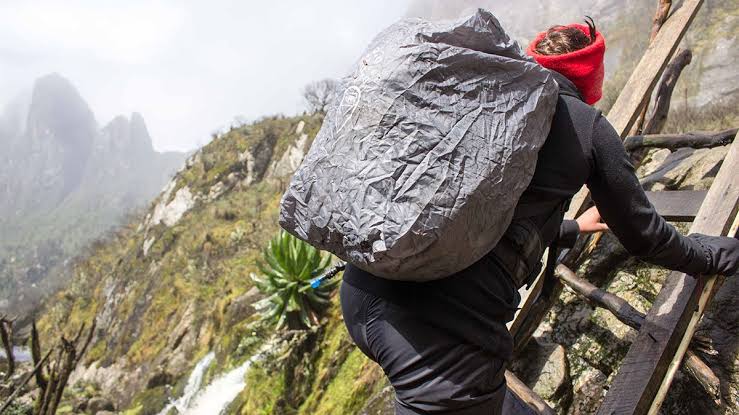
Beyond gorilla trekking itself, many visitors combine their visit with a genuinely demanding climb up Mount Kahuzi, an extinct volcanic peak offering dramatic summit views across the surrounding forest and a physically rewarding addition to the primate-focused core of the trip.
Why Park Rangers Face Genuinely Difficult Working Conditions
Given the region’s historical instability, Kahuzi-Biega’s rangers have genuinely operated under some of the most demanding security conditions faced by any protected area staff in Africa, a sustained commitment that reflects extraordinary dedication to protecting both the gorillas and the broader forest ecosystem.
How Local Communities Participate in Kahuzi-Biega’s Conservation
Despite the region’s broader challenges, communities living near the park genuinely participate in conservation and tourism support roles, work that reflects real commitment given the considerably more difficult economic context compared to Uganda or Rwanda’s more established tourism economies.
Why This Trek Suits Only the Most Prepared Travelers
Given the combination of specialized logistics, security verification requirements, and genuinely less-developed tourism infrastructure, this specific trek suits travelers who have already gained comfort with East Africa’s more established trekking destinations and specifically seek a considerably more adventurous experience.
Common Questions About Visiting Kahuzi-Biega
Travelers frequently ask whether visiting DRC for gorilla trekking is genuinely safe, and this requires honest, current research and consultation with operators specifically experienced in the region, since conditions can vary and change, making generic reassurance inappropriate without up-to-date verification. Visitors also ask whether permits and logistics work similarly to Uganda or Rwanda, and while broadly similar in structure, DRC-specific logistics require genuinely specialized operator knowledge rather than assuming identical processes across all three countries.
Why This Subspecies Deserves Conservation Attention
As the largest and one of the most range-restricted gorilla subspecies, eastern lowland gorillas carry genuine conservation urgency, and permit fees from responsible trekking directly support the rangers and infrastructure protecting this remarkable, geographically unique population.
Why This Subspecies Genuinely Deserves Wider Recognition
Despite being the world’s largest gorilla subspecies, eastern lowland gorillas receive considerably less international attention than mountain gorillas, a gap that reflects DRC’s genuine tourism access challenges rather than any lesser significance of the animals themselves.
How This Encounter Compares Directly to Mountain Gorilla Trekking
Travelers who complete both treks consistently describe genuinely distinct impressions, mountain gorillas’ cooler forest setting and thicker fur against eastern lowland gorillas’ larger scale and warmer lowland habitat, a comparison that rewards serious primate enthusiasts willing to invest in both experiences.
Why Serious Gorilla Enthusiasts Consider This the Ultimate Trek
Given the genuine rarity and logistical difficulty involved, some dedicated primate enthusiasts consider a completed eastern lowland gorilla trek the true capstone of gorilla subspecies trekking, a considerably more demanding achievement than the more accessible mountain gorilla experience alone.
How This Park Reflects Broader DRC Tourism Potential
Kahuzi-Biega’s continued, if constrained, operation genuinely illustrates DRC’s broader untapped tourism potential, a reminder that the country’s wildlife heritage extends considerably further than its current, more limited visitor numbers might suggest.
Why Physical Preparation Matters Even More for This Trek
Given Kahuzi-Biega’s genuinely varied terrain, spanning dense lowland forest and higher volcanic slopes, travelers should arrive with solid pre-trip fitness preparation, since the physical demands here can exceed what many visitors experience during a standard Bwindi trek.
Why This Encounter Rewards a Genuinely Adventurous Mindset
Travelers who approach this trek accepting genuine uncertainty as part of the experience, rather than expecting Uganda or Rwanda’s polished, predictable infrastructure, tend to find the entire journey considerably more rewarding regardless of exactly how logistics unfold.
How This Trek Fits a Broader Central Africa Adventure Itinerary
Travelers genuinely drawn to less-visited, more challenging destinations often pair this trek with other DRC or broader Central Africa experiences, building an itinerary that showcases a considerably different side of the region than standard East Africa safari circuits.
Why This Trek Belongs on Every Serious Gorilla Enthusiast’s List
For travelers who have already experienced Uganda or Rwanda’s gorilla trekking and genuinely want to understand the full breadth of gorilla subspecies diversity, Kahuzi-Biega offers the single most complete way to round out that experience.
Why This Destination Deserves Genuine Long-Term Support
Regardless of any single traveler’s ability to visit, Kahuzi-Biega’s long-term conservation trajectory genuinely matters to the broader future of gorilla subspecies diversity, making continued international attention and responsible tourism support relevant well beyond individual trip planning.
How This Trek Reflects Broader Congo Basin Conservation Resilience
Kahuzi-Biega’s story genuinely sits alongside Garamba and Salonga as part of a broader narrative of Central African conservation resilience, one that rewards travelers who take the time to understand the region beyond its single most famous gorilla-trekking destination.
Why This Story Rewards Genuine Reflection
Taking a moment to genuinely consider what it takes to protect the world’s largest gorilla subspecies under such difficult conditions offers a compelling reminder of how directly regional stability shapes conservation outcomes.
Planning Your Kahuzi-Biega Visit
Working with an experienced operator who understands current DRC travel logistics and security conditions ensures a genuinely well-prepared visit to see this remarkable gorilla subspecies as part of a broader gorilla trekking journey, one that rewards careful, patient planning with a genuinely rare and memorable encounter.
Recommended Tours: 7 Days Classic Rwanda Safari | 3 Days Bwindi Gorilla Trekking Safari