Mountain Gorillas: Where and When to See Them in East Africa
Mountain gorillas rank among the rarest great apes on earth, found in the wild in only three countries worldwide, making the question of exactly where and when to see them one of the most important a traveler can ask before planning an East Africa trip. Understanding the specific geography and seasonal timing behind mountain gorilla trekking helps travelers plan realistically for what remains one of the world’s most sought-after wildlife encounters. This guide covers precisely where these remarkable primates live and when to visit, along with the practical factors that shape a well-planned trekking trip.
The Only Three Countries Where Mountain Gorillas Exist
Mountain gorillas exist in the wild exclusively across Uganda, Rwanda, and the Democratic Republic of Congo, specifically within the Virunga Massif spanning all three countries and Uganda’s separate Bwindi Impenetrable Forest, with no wild mountain gorilla populations existing anywhere else on the planet.
Bwindi Impenetrable National Park, Uganda
Bwindi hosts the majority of the world’s mountain gorilla population, spread across four trekking sectors, Buhoma, Ruhija, Rushaga, and Nkuringo, each offering access to different habituated families.
Mgahinga Gorilla National Park, Uganda
Mgahinga, Uganda’s smaller Virunga-side park, hosts a single habituated gorilla family, offering an alternative Uganda trekking location alongside its famous golden monkey trekking.
Volcanoes National Park, Rwanda
Rwanda’s Volcanoes National Park hosts numerous habituated families across the Virunga volcanic slopes, including well-known groups like Susa and Sabyinyo, with a reputation for somewhat easier terrain than parts of Bwindi.
Virunga National Park, DR Congo
Congo’s Virunga National Park also hosts habituated mountain gorilla families, though current visitor access depends heavily on regional security conditions requiring direct verification with specialized operators before planning.
Best Time of Year to See Mountain Gorillas
Uganda and Rwanda’s two dry seasons, roughly June through September and December through February, offer the firmest trail conditions for trekking, though gorillas can genuinely be visited year-round given trekking operates regardless of season.
Why Wet Season Trekking Still Works
Trekking during the wetter months means muddier trails and higher rainfall, but also fewer crowds and lush, dramatic forest scenery, making it a genuinely viable option for flexible travelers rather than something to avoid entirely.
What Sets Mountain Gorillas Apart Physically
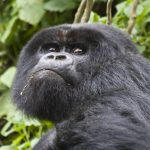
Mountain gorillas display thicker, longer fur than their lowland relatives, a genuine adaptation to the cooler, higher-altitude forest environments they inhabit across Bwindi and the Virunga volcanoes, distinguishing them visually from the eastern and western lowland gorilla subspecies found in warmer, lower-elevation Congo Basin forest.
How Many Gorillas Actually Exist
The global mountain gorilla population has grown steadily over recent decades thanks to sustained conservation investment, now numbering over a thousand individuals across their limited range, a genuine conservation success story given the species’ critically low historical numbers.
Why Location Choice Matters for Planning
Choosing between Uganda, Rwanda, or a combined itinerary depends on factors including budget, terrain preference, and broader trip routing, with each location offering a genuinely comparable core trekking experience despite these practical differences.
How Permit Availability Affects Timing
Beyond seasonal weather considerations, permit availability itself can shape when you’re realistically able to trek, since peak season dates in popular sectors often sell out months in advance, making early booking genuinely important regardless of which specific season you’re targeting.
Comparing the Trekking Experience Across Countries
While the fundamental one-hour encounter format remains consistent across Uganda, Rwanda, and DRC, terrain, permit cost, and overall trip logistics vary meaningfully between countries, factors worth weighing carefully against your own priorities rather than assuming any single destination is universally best.
Why Bwindi’s Name Genuinely Reflects Its Terrain
Bwindi’s designation as ‘Impenetrable’ genuinely reflects the forest’s dense, steep, and often muddy terrain, meaning travelers choosing this location should arrive with realistic physical preparation, while Rwanda’s more open volcanic slopes generally offer a comparatively gentler, if still genuinely demanding, trekking experience.
How Gorilla Family Habituation Actually Works
Before any family opens to tourism, researchers and trackers spend genuinely years gradually acclimating gorillas to human presence, a careful, patient process that underlies every trek across all three countries and explains why habituated families display such remarkably calm tolerance of visitor groups.
Why Permit Pricing Differs Between Uganda and Rwanda
Rwanda’s gorilla permits genuinely command a considerably higher price than Uganda’s, a pricing strategy tied to Rwanda’s broader high-value, low-volume tourism model, a factor worth weighing directly against Uganda’s comparatively more budget-accessible trekking when planning your specific itinerary.
How Trekking Time to Reach a Family Actually Varies
Given that gorilla families move continuously through the forest, the actual walking time required to reach them on any given day genuinely varies considerably, sometimes a short walk, sometimes several demanding hours, a variability every trekker should mentally prepare for regardless of chosen location.
Common Questions About Mountain Gorilla Locations
Travelers frequently ask whether mountain gorillas exist anywhere outside these three countries, and no, this specific subspecies is found nowhere else in the wild, distinguishing it from the more widely distributed eastern lowland and western lowland gorilla subspecies found elsewhere in Central Africa. Visitors also ask whether one country offers meaningfully better gorilla sightings than another, and generally no, all habituated families across the region undergo the same rigorous standards before opening to trekking.
Why This Encounter Remains So Rare and Valuable
Given the species’ critically limited global population and restricted geographic range, every mountain gorilla trek represents a genuinely rare wildlife privilege, one directly funding the conservation work responsible for the population’s ongoing recovery.
Why Booking Well in Advance Genuinely Matters Here
Given the genuine limits on daily permits across every trekking location, travelers should book several months ahead of their intended travel dates, especially during peak dry season windows when popular sectors and families sell out considerably faster than less well-known alternatives.
How Physical Fitness Preparation Shapes Trek Enjoyment
Given the genuine physical demand of navigating steep, sometimes muddy forest terrain for several hours, travelers who arrive with basic pre-trip walking or hiking preparation consistently report a considerably more enjoyable experience than those who underestimate the trek’s actual difficulty.
Why Porters Genuinely Improve the Trekking Experience
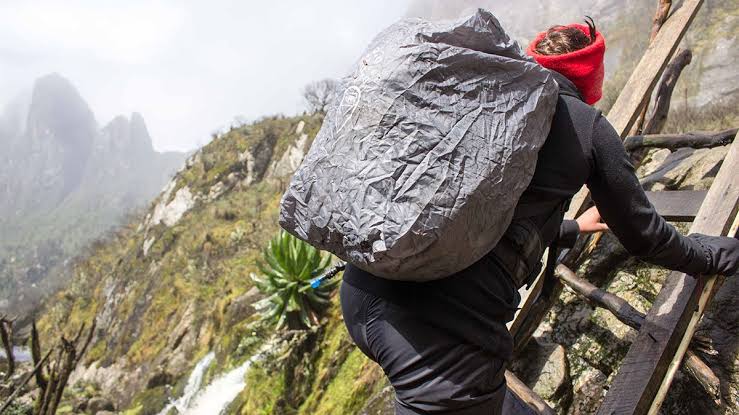
Hiring a local porter, available at every trekking location for a modest fee, genuinely eases the physical burden of carrying gear across demanding terrain while also directly supporting local community income, a practice most experienced guides actively encourage regardless of a traveler’s own fitness level.
How Weather Can Shift Trekking Conditions Even in Dry Season
Given the genuinely unpredictable nature of mountain forest weather, even nominally dry season treks can encounter sudden rain, making appropriate gear, waterproof boots, rain layers, and gardening gloves, essential regardless of which specific season you choose to visit.
Why This Species Rewards Travelers Who Plan Thoughtfully
Given the genuine complexity of coordinating permits, location choice, and seasonal timing, this experience rewards travelers who invest real thought into trip planning rather than treating gorilla trekking as a simple, interchangeable add-on to a broader itinerary.
Why This Experience Consistently Exceeds Expectations
Even travelers who arrive having read extensively about gorilla trekking consistently describe the actual encounter as genuinely surpassing anything a description could adequately convey, from the raw physical presence of an adult silverback to the surprisingly gentle, almost human-like interactions within the family group.
How This Trip Anchors an Entire East Africa Itinerary
For many travelers, mountain gorilla trekking serves as the genuine centerpiece around which an entire trip gets built, with other activities and destinations scheduled deliberately around securing the right permit dates and location.
Why This Species Deserves Recognition Beyond a Single Encounter
Understanding mountain gorillas’ broader conservation story, near extinction, decades of dedicated protection, and gradual population recovery, adds genuine depth to appreciating exactly why this specific encounter carries such weight compared to more commonly seen wildlife.
Why This Experience Deserves Its Status as a True Bucket-List Item
Few wildlife encounters anywhere on Earth combine this level of genuine rarity, physical challenge, and emotional impact, a combination that explains why mountain gorilla trekking consistently ranks among the most requested experiences for travelers planning their first Africa trip.
How This Encounter Compares to Other Great Ape Experiences
Travelers who’ve also tracked chimpanzees or other primate species genuinely note how differently mountain gorillas’ calm, family-oriented temperament feels compared to chimpanzees’ more energetic, unpredictable social dynamics, a contrast worth experiencing directly rather than simply reading about.
Why This Encounter Leaves a Genuine Lasting Impression
Travelers who complete a mountain gorilla trek consistently describe the hour spent with a habituated family as among the most emotionally powerful experiences of their entire lives, a testament to just how profoundly this specific encounter resonates.
How This Trip Fits Into a Broader East Africa Journey
Most travelers combine mountain gorilla trekking with additional wildlife or cultural activities in the same country, ensuring the trip’s emotional centerpiece sits within a genuinely well-rounded broader itinerary.
Planning Your Mountain Gorilla Trek
Working with an experienced operator to choose the right country, season, and sector for your gorilla trekking trip ensures a well-planned encounter with this remarkable, critically rare species, turning careful advance planning into the genuine centerpiece memory of your entire trip.
Recommended Tours: 3 Days Bwindi Gorilla Trekking Safari | 7 Days Classic Rwanda Safari