Veterinary Care for Wild Gorillas: Inside the Gorilla Doctors Program
Given how genuinely specialized wild mountain gorilla healthcare proves, understanding the Gorilla Doctors program reveals a genuinely remarkable aspect of conservation work that most trekking visitors never fully appreciate during their brief encounter with these animals. This guide covers exactly what this genuinely unique veterinary program involves, and why providing medical care to wild, free-ranging gorillas represents such a genuinely unusual conservation achievement.
Understanding What Makes the Gorilla Doctors Program Genuinely Unique
The Gorilla Doctors program genuinely represents one of very few veterinary initiatives worldwide providing direct medical intervention to a wild, free-ranging great ape population, a genuinely unusual conservation approach given how most wildlife veterinary care typically occurs within captive settings.
How This Program Genuinely Began and Evolved Over Decades
The program genuinely traces its origins to pioneering veterinary conservation work beginning in the 1980s, evolving over subsequent decades into a genuinely sophisticated, professionally staffed operation now covering both the Virunga Massif and Bwindi Impenetrable Forest gorilla populations.
Why Wild Gorilla Veterinary Intervention Genuinely Requires Special Justification
Conservationists genuinely apply strict criteria before intervening medically with wild gorillas, since unnecessary intervention risks disrupting natural selection processes, meaning veterinarians genuinely reserve treatment specifically for human-caused injuries like snare wounds or serious infections threatening individual survival.
How Snare Injuries Genuinely Represent a Primary Intervention Case
Gorillas caught in poachers’ snares, originally set for other forest animals, genuinely represent one of the most common reasons for veterinary intervention, and Gorilla Doctors teams genuinely respond urgently to reports of snared individuals to prevent potentially fatal injury progression.
Why Respiratory Disease Genuinely Concerns Veterinary Teams Significantly
Given gorillas’ genuine susceptibility to human respiratory pathogens due to their close genetic relation to humans, veterinary teams genuinely monitor habituated gorilla groups closely for respiratory illness symptoms, since disease transmission from human visitors represents a genuinely serious ongoing conservation concern.
How Field Interventions Genuinely Require Careful Logistical Planning
Treating wild gorillas genuinely requires considerable logistical coordination, including safely darting and temporarily sedating patients within dense forest terrain, performing necessary treatment, and ensuring genuinely safe recovery before the gorilla returns to its family group.
Why Minimizing Human Contact Genuinely Remains a Core Program Principle
Despite providing direct medical care, Gorilla Doctors teams genuinely prioritize minimizing unnecessary human contact during interventions, recognizing that limiting exposure genuinely reduces disease transmission risk and helps preserve natural gorilla behavior patterns as much as possible.
How Regular Health Monitoring Genuinely Complements Emergency Interventions
Beyond emergency treatment, Gorilla Doctors veterinarians genuinely conduct regular health monitoring of habituated gorilla groups, observing behavior and physical condition during routine visits to identify potential health concerns before they genuinely become serious medical emergencies.
Why Tourism Revenue Genuinely Helps Fund This Veterinary Program
Trekking permit revenue and associated conservation funding genuinely support Gorilla Doctors operations, creating another genuinely direct connection between tourism visits and tangible, life-saving conservation infrastructure protecting individual gorillas’ health and survival.
How This Program Genuinely Trains Local Veterinary Professionals
Gorilla Doctors genuinely invests in training Ugandan, Rwandan, and Congolese veterinary professionals, building genuinely valuable regional capacity for wildlife veterinary medicine that extends conservation benefits well beyond gorillas alone toward broader regional wildlife health expertise.
Why This Work Genuinely Requires Considerable Specialized Expertise
Veterinarians working with wild mountain gorillas genuinely require highly specialized training combining wildlife immobilization techniques, primate medicine knowledge, and considerable field experience navigating dense, challenging forest terrain under genuinely demanding operational conditions.
How Documented Success Cases Genuinely Demonstrate Program Impact
Gorilla Doctors genuinely maintains documented records of successful interventions, including numerous snare removal cases and disease treatments that genuinely prevented individual gorilla deaths, providing concrete evidence of this program’s genuinely measurable conservation impact over the years.
Common Questions About Gorilla Veterinary Care
Travellers often ask whether they might genuinely witness veterinary intervention during their own trekking visit, and while such encounters remain genuinely uncommon given interventions typically occur based on specific health concerns rather than scheduled visits, guides sometimes share stories about recent program activities. Another common question concerns funding, and trekking permit fees genuinely contribute meaningfully toward supporting this specialized veterinary infrastructure alongside broader conservation programs.
Appreciating This Hidden Layer of Gorilla Conservation
Given how genuinely essential and considerably specialized this veterinary program proves overall for individual gorilla survival, understanding Gorilla Doctors’ work offers travellers genuine insight into conservation’s less visible but genuinely critical dimensions. Done well, this awareness genuinely deepens appreciation for the considerable, dedicated ongoing effort ensuring the specific gorillas you encounter during trekking remain genuinely healthy, well-monitored, and thoroughly well-protected throughout their entire lives.
How Sedation and Anesthesia Genuinely Require Precise Dosing Calculations
Field veterinarians genuinely calculate sedation dosages with considerable precision based on individual gorilla weight estimates, since incorrect dosing genuinely risks either insufficient sedation for safe treatment or dangerous over-sedation that could genuinely threaten the patient’s life during an already delicate medical procedure.
Why Post-Treatment Monitoring Genuinely Continues After Intervention
Following any veterinary intervention, Gorilla Doctors teams genuinely continue monitoring the treated individual’s recovery over subsequent days and weeks, ensuring wounds heal properly and the gorilla genuinely readjusts successfully back into normal family group dynamics without lasting complications.
How Communication With Trekking Guides Genuinely Supports Early Detection
Trekking guides and park rangers genuinely serve as important early detection resources for the Gorilla Doctors program, reporting observed injuries or illness symptoms during routine trekking visits, creating a genuinely valuable surveillance network extending the veterinary team’s monitoring capacity considerably.
Why International Funding Partnerships Genuinely Sustain This Specialized Work
Beyond tourism revenue, Gorilla Doctors genuinely relies on international conservation funding partnerships and donor support, since the program’s genuinely specialized equipment, staff training, and operational costs require diverse funding sources beyond permit fees alone to sustain this considerable ongoing veterinary infrastructure.
How This Program Genuinely Handles the Challenge of Cross-Border Operations
Since mountain gorilla populations genuinely span three countries, Gorilla Doctors genuinely maintains cross-border operational capacity, coordinating with wildlife authorities in Uganda, Rwanda, and the Democratic Republic of Congo to ensure consistent veterinary coverage regardless of which country’s territory a specific gorilla group currently occupies.
Why Necropsy Investigations Genuinely Provide Important Population Health Data
When gorillas genuinely die from natural causes, Gorilla Doctors veterinarians often conduct necropsy examinations to determine cause of death, and this genuinely valuable data helps researchers understand broader population health trends and identify emerging disease threats before they potentially spread more widely.
How Public Awareness Campaigns Genuinely Support the Program’s Broader Mission
Beyond direct veterinary work, Gorilla Doctors genuinely engages in public education efforts explaining disease transmission risks and responsible trekking behavior, helping tourists and local communities alike understand their genuinely important role in protecting gorilla health during any human-gorilla interaction.
Why Some Interventions Genuinely Require Emergency Overnight Field Camps
Particularly complex or urgent cases genuinely require veterinary teams to establish temporary overnight field camps deep within gorilla habitat, since immediate return to base facilities isn’t genuinely always feasible given the considerable distances and challenging terrain involved in locating specific gorilla groups.
How Equipment Transport Genuinely Presents Unique Logistical Challenges
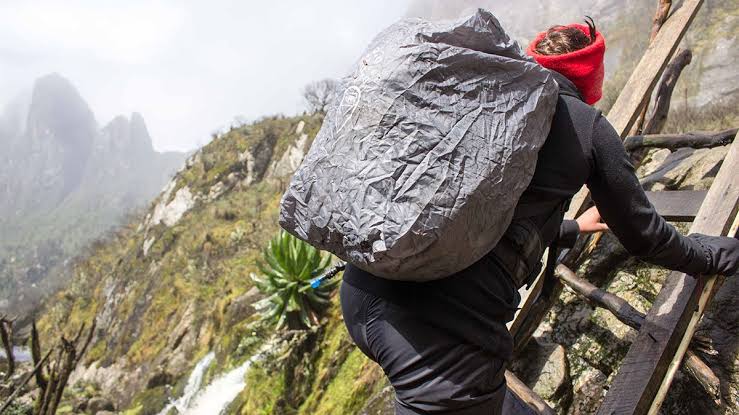
Transporting specialized veterinary equipment, including anesthesia supplies and surgical instruments, through dense, often muddy forest terrain genuinely requires considerable physical effort and careful planning, with teams often relying on porters to help carry necessary supplies to remote intervention sites.
Why This Program Genuinely Represents a Model for Wildlife Veterinary Medicine
The Gorilla Doctors program genuinely serves as an influential model increasingly studied by wildlife veterinary programs working with other endangered great ape species, demonstrating how genuinely dedicated field veterinary intervention can meaningfully support wild population conservation when properly resourced and organized.
How Trekkers Genuinely Learn About This Program During Their Briefing
Most trekking briefings genuinely include information about health protocols designed to protect gorillas from human disease transmission, and guides genuinely explain how these rules directly connect to broader veterinary conservation efforts, helping visitors understand their own individual responsibility within this larger protective framework.
Why Supporting This Program Genuinely Extends Beyond Simply Paying Permit Fees
Travellers genuinely interested in supporting Gorilla Doctors beyond their standard permit fee can consider direct donations to the organization, and many operators genuinely provide information about how visitors can contribute additional support toward this specialized veterinary conservation work if they wish.
How This Work Genuinely Reflects Broader One Health Conservation Thinking
The Gorilla Doctors program genuinely embodies broader “One Health” conservation thinking, recognizing that human, animal, and environmental health remain genuinely interconnected, and this holistic approach genuinely informs how veterinarians consider disease transmission risks between trekking visitors, local communities, and the gorilla population they collectively protect.
Why This Story Genuinely Deserves Recognition Among Trekking Visitors
Given how genuinely dedicated and specialized this veterinary work proves, travellers who genuinely learn about Gorilla Doctors before their trip often describe feeling considerably more connected to the broader conservation ecosystem supporting the specific gorilla family they eventually encounter during their own memorable trekking experience.
How Word-of-Mouth From Guides Genuinely Spreads Awareness of This Program
Many trekkers genuinely first learn about Gorilla Doctors through casual conversation with their guide during the actual trek itself, and this genuinely organic word-of-mouth awareness often prompts curious travellers to research the program further after returning home from their memorable gorilla encounter.
Recommended Tours: 4 Days Bwindi Gorilla Trekking Safari | 4 Days Gorilla Trekking from Kigali (Bwindi or Volcanoes)