A wedding in much of East Africa rarely belongs to just two people. It belongs to two families, two clans, and often an entire village, unfolding across days or even weeks of negotiation, ritual, and celebration rather than compressing into a single afternoon ceremony. East Africa’s traditional wedding ceremonies vary considerably between ethnic groups and countries, yet they share a recurring underlying logic: marriage as a formal alliance between families, sealed through negotiated exchange, ceremonial preparation, and communal celebration that reaffirms social bonds well beyond the couple at its center.
Marriage as a Community Event
Across most traditional East African societies, marriage has historically been understood less as a private romantic decision and more as a formal contract between two family units, with elders and senior relatives playing an active, often decisive, role in vetting a prospective match, negotiating terms, and formally sanctioning the union on behalf of the wider family. This communal framing shapes nearly every stage of a traditional wedding, from the earliest approach between families through the final celebratory feast, and it explains why so many traditional wedding customs across the region unfold as extended, multi-stage processes rather than a single isolated event.
Introductions and Negotiations
The Role of Bridewealth
Bridewealth, the transfer of cattle, goods, or money from a groom’s family to a bride’s family, remains a near-universal element of traditional East African marriage custom, though its specific form varies enormously between communities. Among cattle-keeping societies, cattle themselves traditionally formed the core of bridewealth, with the specific number negotiated carefully based on the bride’s family status and the groom’s own resources, a practice our piece on Ankole long-horned cattle touches on directly given how closely cattle wealth and marriage negotiation have historically been linked in southwestern Uganda. Elsewhere, bridewealth traditionally took the form of goods such as beer, cloth, or, in coastal and agricultural communities, cash and household items, though the underlying principle, a formal exchange marking and legitimizing the union in the eyes of both families, remains broadly consistent.
Formal Family Introductions
Many East African communities formalize the earliest stage of marriage negotiation through a structured introduction ceremony, at which the groom’s family formally presents itself to the bride’s family, often bringing gifts as a gesture of respect and serious intent. In Buganda, this ceremony, known as kwanjula, has become one of Uganda’s most recognizable traditional wedding events, involving elaborate gift presentation, extended family speeches, and specific ceremonial roles for designated family spokespeople who negotiate on behalf of each side, a tradition rooted in the same kingdom customs explored in our guide to Buganda Kingdom’s living culture.
Pre-Wedding Rituals and Preparation
Seclusion, Beauty Rites, and Blessings
Several traditional East African communities observe a period of ritual seclusion or preparation for the bride in the days immediately before her wedding, during which senior female relatives offer guidance on marriage, household management, and, in some traditions, specific beautification rituals involving traditional oils, herbal treatments, or symbolic dressing performed exclusively by older women entrusted with this preparatory role. These pre-wedding rites serve a dual function, imparting practical guidance while also marking the bride’s formal transition from her birth family’s household to her new marital household, a transition many communities treat with considerable ceremonial weight given how significantly a woman’s daily life and social position traditionally changed upon marriage.
The Wedding Day Itself
Traditional Dress and Symbolism
Traditional wedding attire across East Africa varies by community but consistently carries symbolic weight well beyond simple decoration, with specific colors, patterns, and accessories signaling status, community identity, and the formality of the occasion. Buganda brides traditionally wear an elaborately tied busuuti, or gomesi, often in rich fabric with a formally arranged sash, while Maasai wedding attire traditionally incorporates elaborate beadwork specifically created for the occasion, a subject covered in considerably more depth in our guide to Maasai beadwork and craft culture, which explains how beadwork complexity and style mark significant life transitions including marriage.
Feasting, Music, and Dance
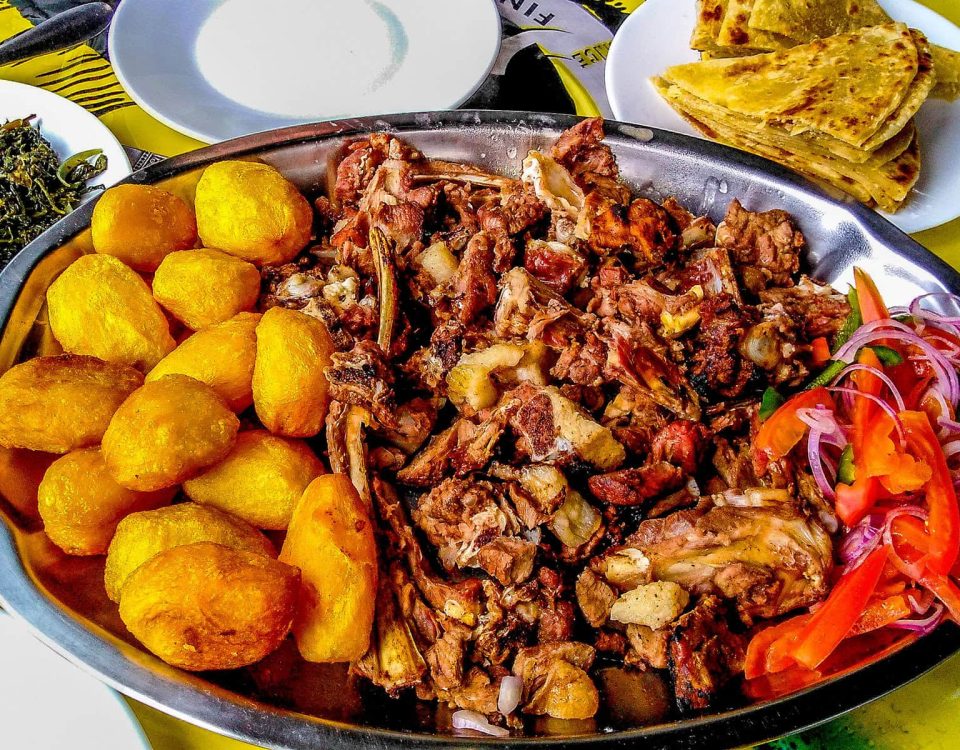
Traditional wedding celebrations typically involve substantial communal feasting, with the specific scale and menu reflecting the families’ resources and community expectations, alongside music and dance performances that can extend late into the night and, in some communities, across multiple days of connected celebration. Traditional beer, discussed in more detail in our companion piece on East African brewing traditions, frequently features prominently at these celebrations, its presence and quality sometimes carrying its own subtle social signaling about the hosting family’s generosity and preparation.
Religious and Civil Overlays on Traditional Custom
Contemporary East African weddings very commonly layer traditional ceremony together with a church wedding, mosque ceremony, or civil registration, reflecting the region’s predominantly Christian and, in coastal and certain other communities, Muslim religious landscape alongside enduring traditional custom. It remains common for a couple to hold a traditional introduction ceremony, a religious or civil wedding, and sometimes a separate formal reception as three distinct events spread across different days or even months, each satisfying a different social, legal, and spiritual requirement rather than being treated as redundant repetition of the same basic commitment.
Regional Variations Worth Knowing
Maasai and Pastoralist Wedding Customs
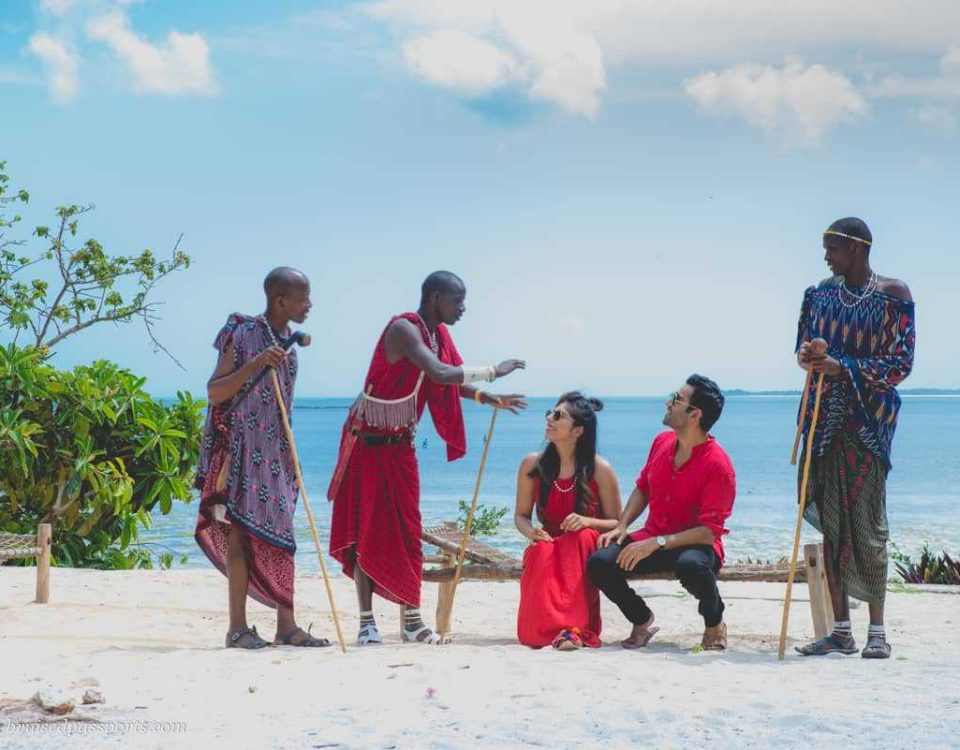
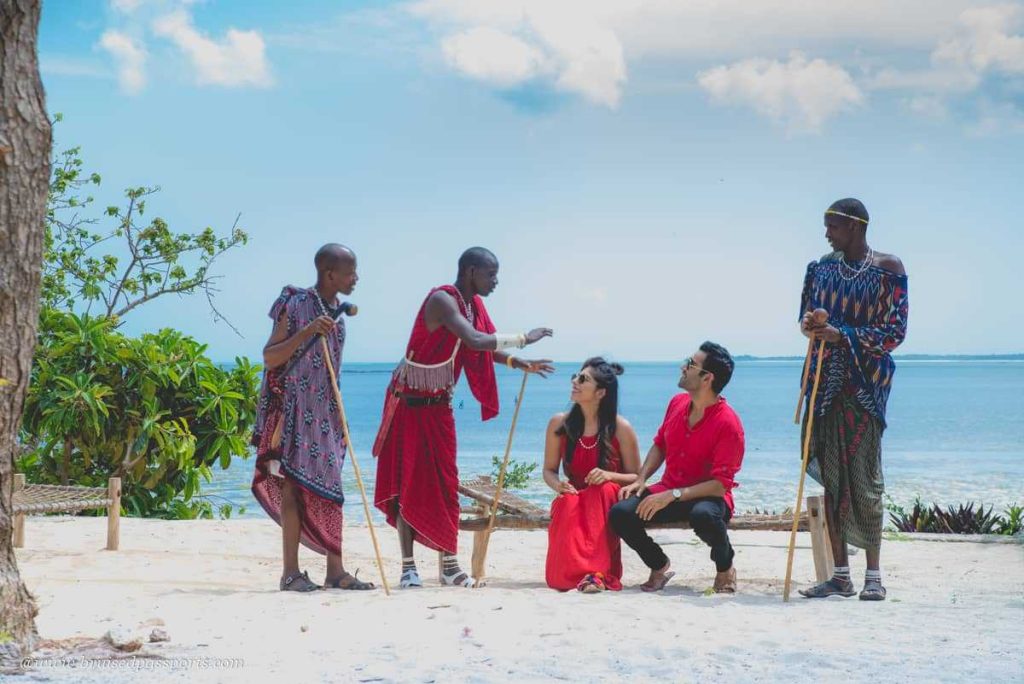
Maasai marriage negotiations traditionally center heavily on cattle bridewealth and family alliance-building, with marriages historically arranged by parents and senior relatives rather than by the couple themselves, though this pattern has shifted considerably among younger, more formally educated generations who increasingly expect greater personal input into the choice of spouse. Wedding ceremonies traditionally involve ritual blessing by elders, specific ceremonial roles for the bride’s and groom’s respective family members, and celebratory feasting drawing on the community’s cattle wealth in a manner that visibly demonstrates both families’ status to the wider community.
Swahili Coast Wedding Traditions
Along the Swahili coast, wedding customs blend Islamic religious practice with older indigenous and Arab-influenced coastal tradition, often involving separate, elaborate pre-wedding celebrations for women, sometimes lasting several days and featuring specific henna application rituals, traditional coastal songs, and communal preparation that mirrors the seclusion and preparation rites found in other East African wedding traditions, adapted to the coast’s distinct cultural and religious heritage.
Rwanda’s Gusaba and the Multi-Stage Marriage Process
Rwandan traditional marriage unfolds across several distinct, formally named stages, beginning with gusaba, a formal asking ceremony in which the groom’s family, accompanied by an appointed spokesperson skilled in the elaborate, often humorous negotiation speech the occasion calls for, visits the bride’s family to formally request her hand and present gifts, traditionally including a cow among other items. This is typically followed by further ceremonial stages culminating in gukwa, the day the bride formally departs her family home, and later celebrations marking her arrival and integration into her new household, a sequence that spreads what might elsewhere be compressed into a single wedding day across weeks or months of connected ceremony and family engagement.
Kikuyu and Central Kenyan Wedding Custom
Among the Kikuyu and related central Kenyan communities, traditional marriage historically proceeded through several recognized stages including formal negotiation, bridewealth payment often called ruracio, and a concluding ceremony known in some accounts as ngurario, which formally sealed the union and, in earlier generations, could involve ritual elements marking the bride’s full transition into her husband’s clan. As with most of the region’s traditional wedding customs, considerable local and generational variation exists in exactly how strictly each stage is still observed today, particularly in urban areas where compressed, modernized versions of these ceremonies have become increasingly common alongside a full church or civil wedding.
Modern Weddings: Blending Old and New
Contemporary East African couples, particularly in urban centers, increasingly blend traditional ceremony with elements borrowed from Western wedding culture, white gowns, formal photography, hotel receptions, while still insisting on a full traditional introduction ceremony as a genuinely non-negotiable component most families would consider a marriage incomplete without. This blending reflects a broader regional pattern in which traditional custom adapts and layers alongside newer influences rather than simply disappearing under modernization’s pressure, with traditional ceremonial elements retaining real social and emotional weight even within otherwise thoroughly contemporary celebrations.
Attending a Traditional Wedding as a Guest
Visitors fortunate enough to be invited to or permitted to observe elements of a traditional East African wedding should approach the experience with particular attentiveness to dress expectations, gift-giving customs, and appropriate behavior during specific ceremonial moments, since these events carry genuine social and sometimes spiritual weight for the families involved rather than functioning as public entertainment. Asking a local host or guide about appropriate etiquette beforehand, including whether photography is welcome during specific ceremonial segments, helps ensure a respectful presence at what remains, for the families at its center, one of the most significant events of their lives. Bringing a modest gift, dressing conservatively unless specifically told otherwise, and following the lead of other guests during unfamiliar ritual moments are all reasonable default courtesies when the specific expectations of a particular community’s wedding customs are not already known in advance. Few cultural experiences offer as direct a window into a community’s values around family, obligation, and celebration as a genuine traditional wedding, and travelers who approach the occasion with patience and humility, rather than treating it as a photo opportunity, tend to find themselves genuinely welcomed into an event that says as much about East African social life as any museum exhibit or guided cultural tour could convey.