Rwanda’s reputation as East Africa’s cleanest, most orderly capital has, in recent years, been joined by a quieter but genuinely significant economic and creative development: Kigali is becoming a real fashion and design hub, home to a growing roster of local designers, a returning fashion week, and a deliberate government policy explicitly designed to build the country’s creative industry into a serious, exportable economic sector rather than a hobbyist scene confined to the margins.
A Fashion Industry Built on Deliberate Policy
Rwanda’s fashion growth is not purely organic; it has been actively shaped by government policy, most directly through the Made in Rwanda initiative launched by the Ministry of Trade and Industry in 2015, which set out to boost local manufacturing and promote domestically produced goods, textiles and fashion prominently among them, both within Rwanda and on international markets. This top-down support has given Rwandan designers a considerably more structured environment to build sustainable businesses than many emerging African fashion scenes enjoy, pairing genuine creative talent with trade promotion, export support, and a national narrative actively encouraging consumers to choose local design over imported alternatives.
Kigali Fashion Week’s Return
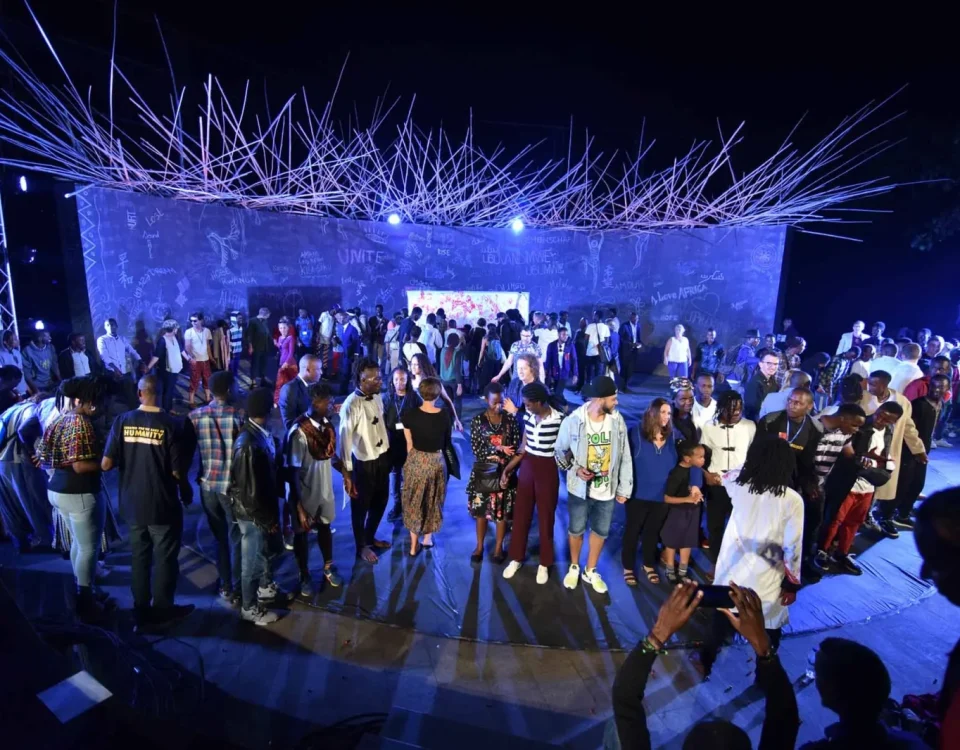
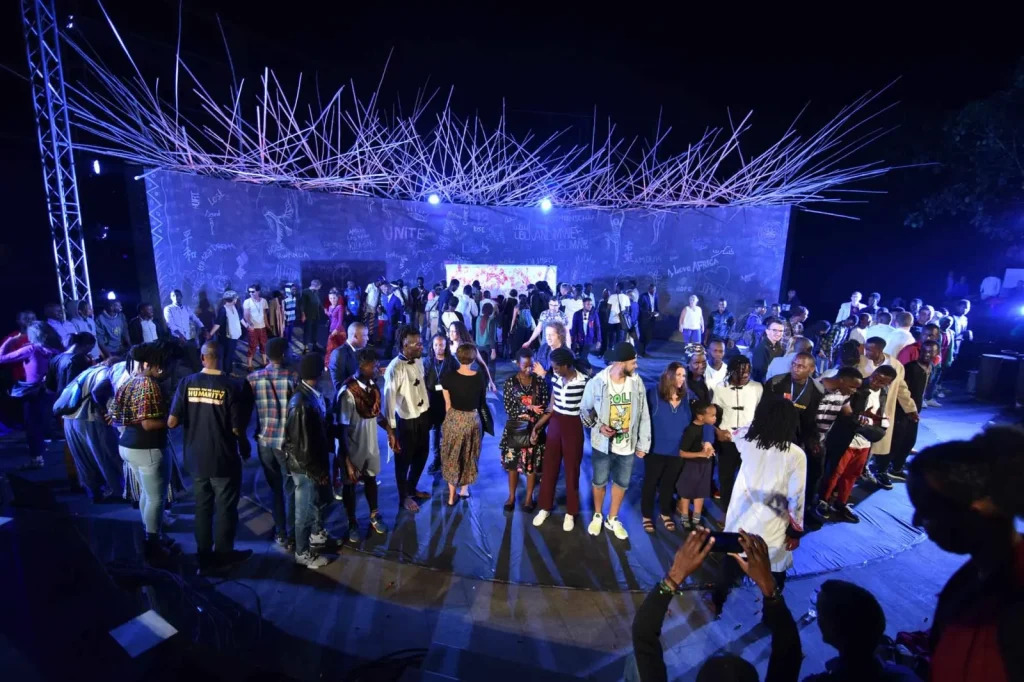
Kigali Fashion Week, held twice yearly and now recognized as a member of the Commonwealth Fashion Council, returned with a renewed push for industry investment after a lengthy hiatus, bringing runway shows, exhibitions, and networking sessions aimed squarely at positioning Rwanda as a genuine regional hub for fashion and creative entrepreneurship rather than a peripheral market for imported trends. The event has showcased established houses alongside younger, emerging labels, deliberately using the runway as a platform to connect local designers with investment, media attention, and buyers who might otherwise never encounter Rwandan fashion beyond its home market.
Designers Shaping the Scene
A genuinely varied roster of Rwandan designers has emerged over the past decade, each bringing a distinct approach to how traditional Rwandan textile heritage and contemporary global fashion intersect. Moshions, founded by designer Moses Turahirwa, has built an international reputation blending modern tailoring with African print and pattern work, showing at fashion weeks well beyond Rwanda’s borders and helping establish Rwandan menswear specifically as a serious creative export. Sonia Mugabo has similarly built recognition for structured, contemporary womenswear that draws on Rwandan textile tradition while remaining firmly oriented toward international runway sensibility rather than costume-like reference to heritage alone. Alongside these more internationally recognized names, labels including Haute Baso, House of Tayo, Inzuki Designs, Matheo Studio, Nunu Fashions, Rwanda Clothing, and Uzi Collections have each carved out their own specific niche, from accessible ready-to-wear to more experimental, artisan-collaborative pieces incorporating traditional weaving and beadwork techniques directly into contemporary garment design.
Traditional Craft as a Living Design Resource
Much of Kigali’s fashion energy draws directly on Rwanda’s existing craft traditions rather than treating them as separate, museum-bound heritage disconnected from contemporary design. Imigongo, Rwanda’s distinctive geometric cow-dung relief painting tradition covered in more detail in our piece on Rwanda’s Imigongo art, has increasingly influenced textile pattern and print work among designers looking to translate the style’s bold geometric language into fabric and garment form. Traditional weaving, basketry techniques, and beadwork similarly feature in several designers’ collections, not as decorative afterthought but as genuinely integrated design elements developed in direct collaboration with the artisans and cooperatives who maintain these craft skills, creating a economic relationship that channels fashion industry demand back toward traditional craft communities rather than displacing them.
Challenges Facing a Young Industry
Competing With the Secondhand Clothing Trade
Rwandan designers building a domestic fashion industry compete directly against an enormous, deeply entrenched secondhand clothing trade that dominates much of East Africa’s everyday clothing market, offering imported garments at price points local designers producing original work simply cannot match without government support and deliberate consumer education around the value of buying local. This competitive pressure has shaped Rwanda’s own distinctive policy response, including periodic restrictions on secondhand imports specifically intended to protect and grow domestic textile manufacturing, a genuinely contentious trade policy that has drawn both domestic support and international pushback but clearly reflects how seriously the government has treated fashion and textiles as strategic economic priorities rather than a purely cultural nicety worth only ceremonial attention.
Access to Materials and Manufacturing Capacity
Beyond competing with imported secondhand clothing, Rwandan designers frequently face practical constraints around sourcing quality fabric, accessing modern manufacturing equipment, and scaling production beyond small, boutique-level runs, challenges common to emerging fashion industries across the continent rather than unique to Rwanda specifically. Government and private investment in textile manufacturing infrastructure has begun addressing some of these gaps, though designers and industry advocates continue pushing for further investment in local fabric production specifically, since much of the raw material used even in celebrated Made in Rwanda garments is still imported rather than domestically sourced, a genuine limitation on how completely the industry’s supply chain can currently be described as locally rooted.
Made in Rwanda Beyond the Runway
The Made in Rwanda push extends well beyond high-end runway fashion into everyday retail, with local textile and garment production increasingly visible in Kigali’s shops and markets alongside imported goods, part of a deliberate government effort to grow domestic manufacturing capacity and reduce reliance on secondhand and imported clothing that dominates much of the regional textile market. This broader push matters considerably for the fashion industry’s long-term sustainability, since a genuinely viable creative sector requires manufacturing infrastructure, skilled labor, and domestic consumer demand well beyond a handful of internationally recognized designer names alone.
Where Visitors Encounter Kigali’s Fashion Scene
Travelers curious about Rwanda’s fashion and design industry can visit designer boutiques and concept stores scattered across Kigali’s more upscale commercial districts, alongside craft markets and cooperative shops where traditional textile and beadwork techniques feeding into the broader fashion scene are sold directly by the artisans producing them. Our guide to what to buy in Kigali covers specific shopping destinations for souvenirs and crafts in considerably more detail, several of which overlap directly with where the city’s fashion-adjacent design work can be found and purchased. Visitors whose trip happens to coincide with Kigali Fashion Week gain access to a considerably richer, more concentrated view of the scene than a standalone boutique visit could offer, with runway shows and exhibitions open to the public alongside the industry-focused networking sessions.
Sustainability and Ethical Production
A number of Kigali’s designers have positioned sustainability and ethical production as a core part of their brand identity rather than a marketing afterthought, working with small-batch production runs, locally sourced materials where available, and direct partnerships with artisan cooperatives that ensure a fairer share of a garment’s final price reaches the makers actually producing the embroidery, weaving, or beadwork incorporated into finished pieces. This emphasis reflects both genuine values held by many of the designers themselves and a practical recognition that Rwanda’s fashion industry, still relatively small in global terms, is better positioned to compete on craftsmanship, story, and ethical production than on the price and volume terms that dominate fast fashion and mass secondhand clothing markets alike. International buyers and boutiques increasingly specifically seek out this kind of story-driven, ethically produced fashion, giving Rwandan designers who lean into these values a genuine competitive advantage in export markets even as they continue navigating the domestic challenges around materials and manufacturing scale.
A Regional Fashion Conversation
Kigali’s fashion growth increasingly sits within a broader East African creative conversation, with designers, buyers, and fashion week organizers across Kampala, Nairobi, and Kigali collaborating and cross-showing work more frequently as each city’s scene matures. Uganda’s Kibirango Design has appeared at Kigali Fashion Week alongside Rwandan houses, a small but telling example of how the region’s fashion industries increasingly view themselves as part of a shared East African creative economy rather than entirely separate national markets competing in isolation from one another.
What This Growth Means for Rwanda’s Broader Creative Economy
Fashion’s growth in Kigali reflects a wider pattern across Rwanda’s creative and cultural sectors, where deliberate government investment in tourism, design, and the arts has aimed to diversify the economy well beyond its traditional agricultural base. The fashion industry specifically offers a particularly visible, exportable expression of this broader creative ambition, giving Rwanda a form of cultural soft power that complements its established reputation for conservation tourism and urban cleanliness with a genuinely distinct creative identity increasingly recognized on runways and in showrooms well beyond East Africa’s own borders. For a country whose international image has for decades been shaped almost entirely by its post-1994 recovery story and its mountain gorilla tourism, a genuinely credible fashion and design sector represents a meaningful broadening of how Rwanda presents itself to the world, one built on contemporary creative achievement rather than history and wildlife alone. Whether that momentum continues to build toward genuine international market share or remains a smaller, if culturally significant, niche industry will likely depend on how successfully the sector addresses its underlying material and manufacturing constraints over the coming years, but the creative talent and policy commitment driving it forward show few signs of slowing down.