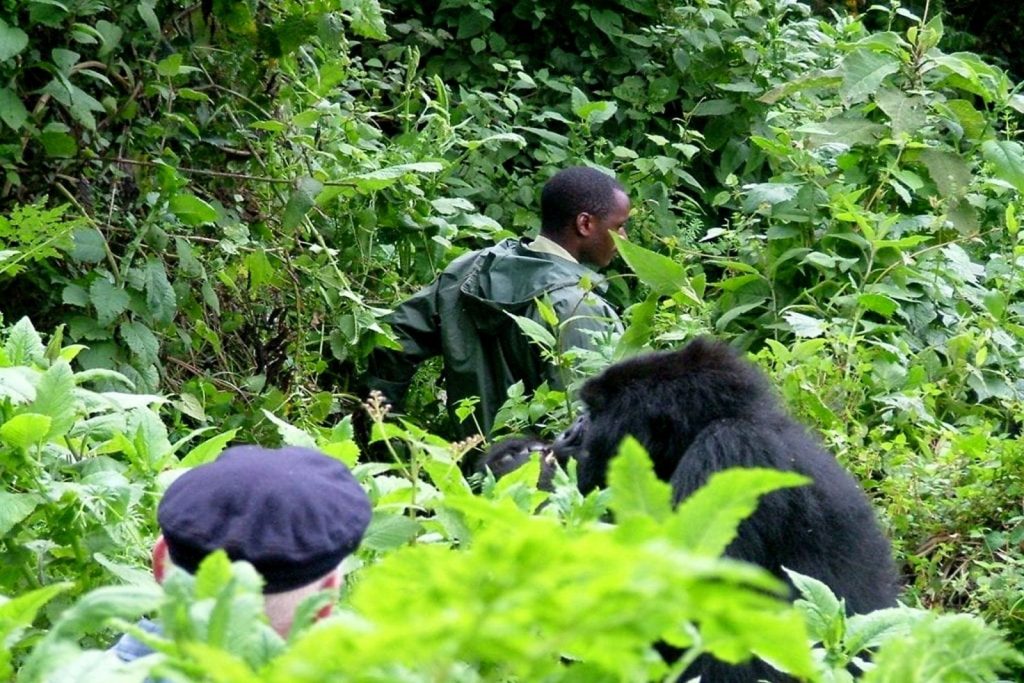
No amount of reading, photographs or documentary footage fully prepares a first-time trekker for the actual moment a wild gorilla comes into view through the forest undergrowth. Travellers who have spent months anticipating this encounter consistently describe the reality as something genuinely different from what they imagined, often more emotionally overwhelming, more physically immediate, and considerably more humbling than any preparation could convey. Understanding what this moment actually tends to feel like, drawn from the consistent patterns in how first-time trekkers describe it, helps set realistic expectations for one of the most anticipated wildlife encounters available anywhere on Earth.
This guide draws together what first-time gorilla trekkers commonly report feeling and experiencing in that initial moment of contact, and in the hour that follows.
The Buildup Before the Actual Sighting
Most treks involve hours of hiking through dense, often difficult terrain before trackers signal that a gorilla family has been located nearby, and this buildup itself shapes the eventual encounter considerably. Physical exhaustion, anticipation and, for many trekkers, genuine nervousness combine over the course of the approach, meaning the actual sighting arrives not as a fresh, rested first impression but as the culmination of real physical and emotional investment already spent getting there.
Guides typically signal the final approach with noticeably increased quiet and caution, dropping backpacks at a final staging point and moving the last stretch with minimal noise, a shift in atmosphere that experienced trekkers say heightens anticipation considerably in the final minutes before the first actual sighting.
The Moment of First Contact
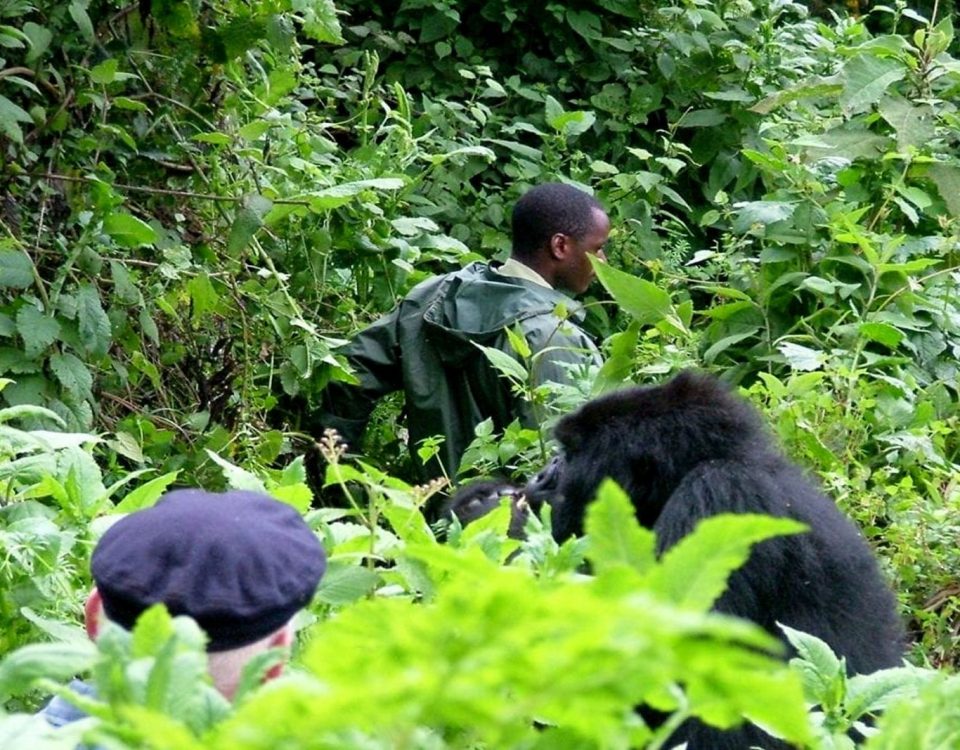
Many trekkers describe the actual first sighting as surprisingly sudden, a dark shape becoming recognisable as a gorilla amid the greenery only at very close range, sometimes just a few metres away, a proximity that catches many first-timers off guard regardless of how much they expected close contact intellectually beforehand.
Common Emotional Reactions
A strikingly consistent pattern in first-time trekker accounts is an initial reaction that combines awe with a kind of stunned silence, even among naturally talkative or expressive travellers, followed only gradually by processing and articulating what they are actually witnessing. Some visitors report unexpected tears, others a kind of adrenaline-driven alertness, and still others describe simply forgetting to use their camera for the first several minutes despite having planned meticulously for photography throughout the encounter.
This emotional intensity is frequently attributed to the genuine, uncommented-on wildness of the encounter, since unlike a zoo or sanctuary visit, nothing about a wild gorilla family’s behaviour is staged or managed for visitor convenience, and trekkers are keenly aware they are witnessing genuinely unscripted natural behaviour in the animals’ own home territory.
The Physical Scale That Surprises Most Visitors
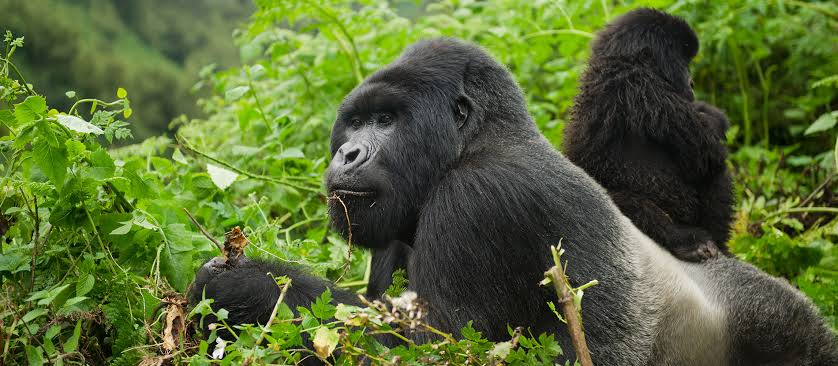
Photographs and documentary footage rarely convey the genuine physical scale of an adult silverback, and first-time trekkers consistently report being caught off guard by just how large and powerfully built these animals actually are in person, with a mature male weighing up to 200 kilograms and possessing a physical presence that photographs alone simply cannot replicate. This scale, combined with the animal’s evident calm and apparent lack of concern about the visiting group’s presence, creates a striking, sometimes disorienting contrast between raw physical power and genuine tranquillity.
Adjusting to the Close Distance
The mandated minimum distance of seven metres feels considerably closer in practice than the number suggests, particularly when a gorilla family member chooses to move toward the observing group rather than away from it, a common occurrence that rangers manage calmly but that many first-timers find genuinely startling the first time it happens.
How Group Dynamics Shape the Shared Experience
Trekking as part of a group of up to eight visitors, often strangers before the trek begins, adds an unexpected social dimension to the encounter that many first-timers do not anticipate, since the shared intensity of the moment frequently creates an immediate, genuine bond among group members who arrived as complete strangers just hours earlier. Guides report that trekking groups often exchange contact information afterward, having shared what many describe as one of the more profound experiences of their lives together, a kind of instant camaraderie rarely produced by any other single-day tourist activity.
This shared social element also means the specific composition of your trekking group, whether fellow visitors are quiet and reserved or openly emotional and expressive, can subtly shape your own experience of the encounter, something worth being aware of and simply accepting as part of the day’s genuinely unpredictable, unscripted nature.
What Happens During the Hour Itself
Once the initial shock of first contact settles, most trekkers describe the remaining time as shifting into a more observational, absorbed state, watching family interactions, feeding behaviour and the general rhythm of gorilla daily life unfold at close range. The hour, strictly enforced by rangers, tends to feel simultaneously too short and remarkably complete, with many visitors reporting they lost track of time entirely despite the activity’s firm, non-negotiable time limit.
Rangers and guides typically provide quiet, ongoing commentary throughout the encounter, identifying individual gorillas, explaining behaviour, and helping visitors understand the specific family dynamics at play, adding context that many trekkers say deepened their appreciation of what they were witnessing considerably beyond simple visual observation alone.
The Walk Back Down
The descent following the encounter is frequently described as a distinct, reflective phase of the day, often quieter than the approach hike, as trekkers process what they have just witnessed. Many report an unexpected sense of emotional exhaustion mixing with elation during this return journey, a combination that first-timers rarely anticipate but that repeat trekkers often specifically describe wanting to experience again on subsequent visits.
How the Experience Differs From Expectations
Comparing pre-trip expectations against post-trek accounts reveals a consistent pattern: trekkers expect a primarily visual, photographic experience and instead describe something closer to a full-body emotional and physical event that photography, in hindsight, only partially captures. Many report that their favourite memories from the encounter are not the photographs they took but specific sensory details, the sound of a gorilla’s stomach rumbling, the smell of the forest, a fleeting moment of eye contact, that no camera fully preserved.
How Age and Travel Experience Shape the Reaction
Interestingly, guides report that the intensity of first-timer reactions does not correlate strongly with age or prior travel experience, and seasoned safari veterans who have witnessed lions on a kill or elephants at close range often find themselves just as emotionally affected by a first gorilla encounter as travellers with comparatively little wildlife viewing experience. This suggests something specific to the gorilla encounter itself, beyond general novelty or inexperience with wildlife, likely tied to the animal’s close genetic relationship to humans and the resulting sense of recognition many visitors describe feeling when making eye contact with a gorilla for the first time.
Younger trekkers, particularly teenagers experiencing their first gorilla encounter at the minimum permitted age of fifteen, sometimes describe a different but equally powerful reaction, often processing the experience more through immediate, unfiltered expression rather than the more measured, reflective responses common among older, more travel-seasoned visitors. Parents who have accompanied teenagers on their first trek frequently describe watching their own child’s reaction as almost as memorable as the gorilla encounter itself, a genuinely unscripted moment of shared family wonder that few other travel experiences manage to produce so reliably or so powerfully.
Why Guides Recommend Setting Down the Camera Briefly
Many experienced guides actively encourage first-time trekkers to spend at least a few minutes of their hour simply observing without a camera raised, arguing that visitors who spend the entire encounter viewing the experience through a screen or viewfinder often report a less vivid, less emotionally present memory of the encounter afterward compared to those who balanced photography with genuine unmediated observation. This advice, while sometimes met with initial resistance from photography-focused travellers, is echoed consistently enough across different guides and different parks that it is worth taking seriously as part of realistic preparation for the day.
Preparing Realistically for Your Own First Encounter
Understanding this consistent pattern of reaction helps first-time trekkers approach their own experience with more realistic expectations, neither underestimating the emotional intensity nor assuming their own reaction will necessarily match anyone else’s description exactly. Our guides on gorilla trekking for first-timers and how mountain gorillas communicate with each other offer useful additional context before your own trek. The Gorilla Doctors organisation offers further insight into gorilla behaviour and family dynamics worth understanding as part of your preparation for this genuinely singular wildlife experience.
Whatever your own reaction turns out to be, trust that it will be genuinely yours rather than a scripted or predictable response, and give yourself permission to feel whatever the moment actually brings, whether that is tears, stunned silence, nervous laughter, or simply a quiet, settled sense of having witnessed something few people ever get to experience firsthand in their entire lives, a moment most trekkers say they carry with them, vividly and largely unchanged, for the whole remainder of their days, long after the mud has washed off their boots and the last of the soreness has finally faded from their tired legs and aching shoulders.