Gorilla trekking is often marketed with images of a calm, single-file walk through scenic forest, and while that description is occasionally accurate, it dramatically understates what the activity actually demands physically on a difficult day. Travellers who arrive underprepared, having read only the more polished marketing descriptions, are sometimes genuinely shocked by the sustained exertion involved, particularly when assigned to a gorilla family that has moved deep into steep, densely overgrown terrain overnight. Understanding the real, unfiltered physical demands before booking helps travellers train appropriately and set realistic expectations rather than discovering the truth partway up a muddy, near-vertical slope.
This guide covers what nobody quite tells you about gorilla trekking’s fitness demands, based on the honest accounts of guides, porters and experienced trekkers rather than polished marketing copy.
The Unpredictable Length of a Trek
Gorilla families range freely through their forest territory, and trekking time to reach them varies enormously, from as little as thirty minutes on a fortunate day to six or seven hours of sustained hiking when a family has moved deep into remote terrain overnight. Crucially, nobody, including your guides, knows in advance which kind of day you will get, meaning every trekker should physically and mentally prepare for the longer, harder scenario rather than assuming a short, easy walk based on optimistic marketing descriptions or a friend’s single, possibly fortunate, past experience.
This unpredictability is precisely why fitness preparation matters so much: a trekker prepared only for a gentle one-hour walk who ends up on a six-hour trek through genuinely difficult terrain faces a considerably more distressing day than one who trained conservatively for the harder scenario and happened to get an easier one instead.
Why Trek Length Cannot Be Predicted in Advance
Trackers who monitor gorilla families overnight relay approximate location information to guides each morning, but gorillas continue moving even as a trekking group approaches, meaning the actual distance and difficulty of any given day’s trek genuinely cannot be known with certainty until the encounter itself concludes.
The Terrain Itself Is Often Harder Than Expected
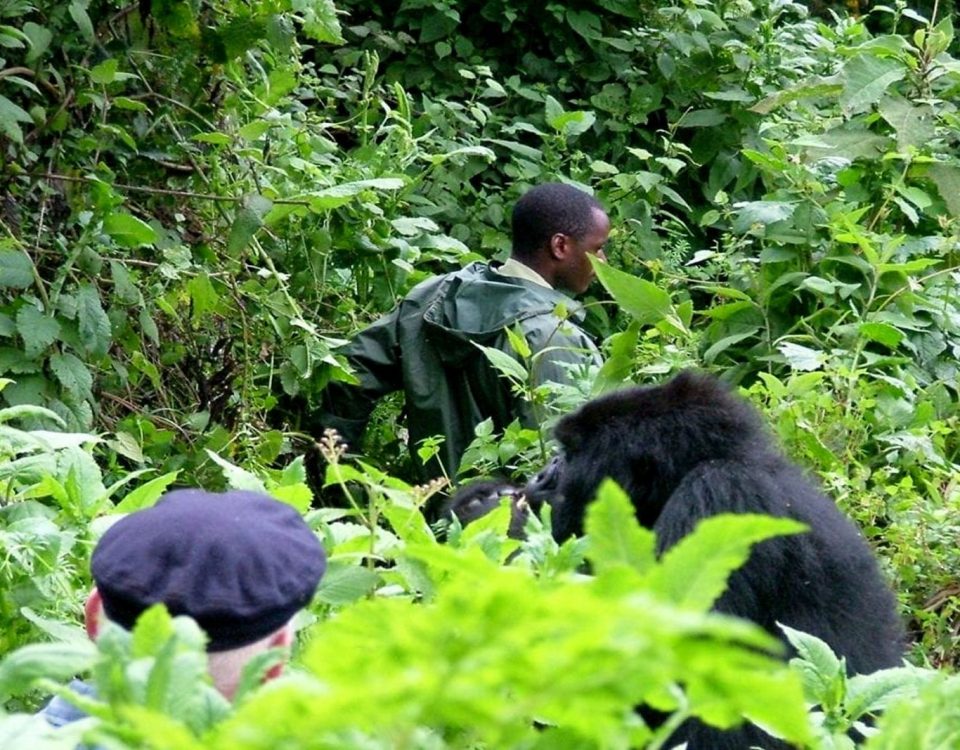
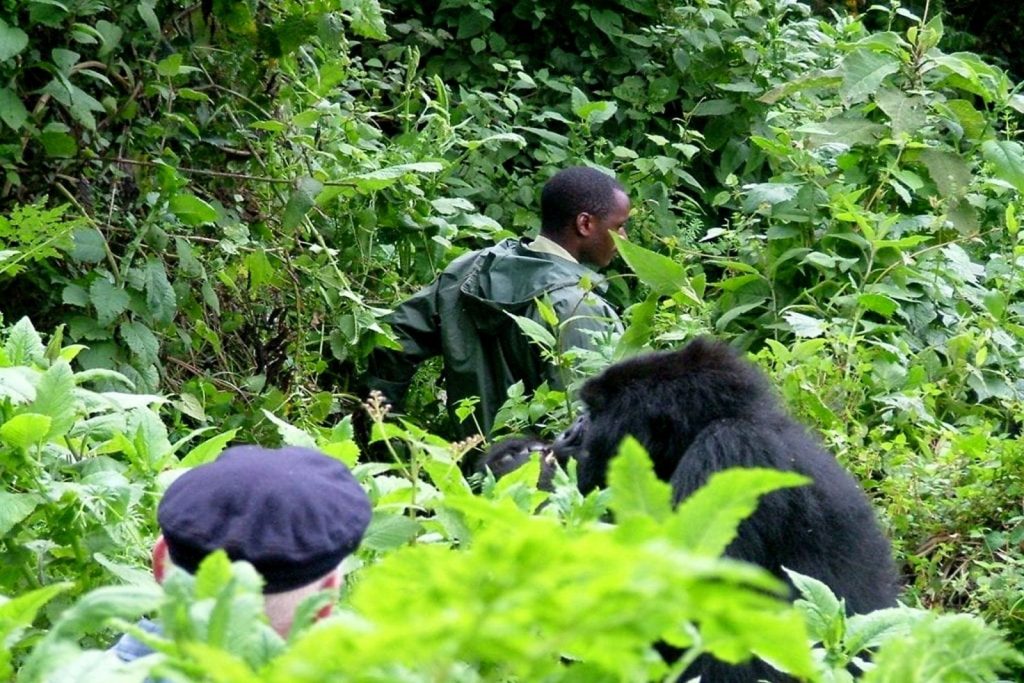
Bwindi Impenetrable Forest earns its name honestly, with dense undergrowth, steep, often muddy slopes, and terrain that frequently requires scrambling on hands and knees through vegetation rather than walking upright along a clear path. Altitude compounds this difficulty in many sectors, with some trekking routes reaching elevations above 2,500 metres, thin enough air to leave even reasonably fit trekkers unexpectedly breathless during sustained climbing sections.
Mud deserves specific mention, since even during the officially designated dry season, sections of trail can remain genuinely slippery and difficult underfoot, adding a balance and stability challenge on top of the raw cardiovascular demand of the climb itself, particularly on steep descents where controlling your speed on slick ground becomes its own distinct physical skill.
What Guides and Porters Say Privately
Experienced guides, speaking candidly rather than in official marketing language, consistently emphasise that general good health is not the same as gorilla trekking fitness specifically, and that trekkers who exercise regularly but have never attempted sustained, steep, uneven terrain hiking are sometimes surprised by how differently that specific combination of demands affects their body compared to a treadmill or flat-terrain running routine.
Porters, who observe struggling trekkers on a near-daily basis, often note that trekkers who underestimate the demands tend to fall into a predictable pattern: strong energy for the first hour, followed by a noticeable decline once the initial adrenaline wears off and the sustained nature of the climb becomes fully apparent, a pattern worth being aware of and pacing yourself against from the very start of the hike rather than starting too fast.
Why Porters Recommend Pacing From the Beginning
Porters and guides consistently advise trekkers to adopt a slow, sustainable pace from the very first step rather than starting quickly and slowing later, since a controlled, steady rhythm conserves energy far more effectively over several hours than an inconsistent, stop-start pace driven by early enthusiasm.
What Actually Helps More Than General Fitness
Specific preparation, including hill or stair training with a loaded daypack, hiking on genuinely uneven or muddy terrain rather than flat pavement, and building general leg and core strength through squats or lunges, translates considerably better to gorilla trekking demands than generic cardiovascular fitness alone, such as regular flat-road running or gym cardio machines. Trekkers who specifically simulate the sustained, uneven, sometimes steep nature of the actual activity in their training consistently report an easier time than those who arrive fit in a general sense but unprepared for this particular combination of demands.
How Weather Compounds the Physical Challenge
Rain, which can arrive without warning even during the officially designated dry season, transforms an already demanding trek into a considerably harder one, turning firm-feeling trails into genuinely treacherous, slippery surfaces and adding the extra physical toll of hiking in wet, heavy clothing for hours at a stretch. Trekkers who experience a rainy trek consistently rate it as noticeably more exhausting than a dry-weather equivalent, not simply due to discomfort but because of the additional core and leg strength constantly required to maintain balance and control on unpredictable, slick terrain throughout the hike.
The Role of Porters in Managing Difficulty
Hiring a porter, a practice actively encouraged by park authorities and guides alike, meaningfully reduces the physical burden of the trek by carrying your daypack and offering a steadying hand on difficult sections, and trekkers who decline this option purely out of misplaced pride sometimes regret it considerably once genuinely difficult terrain arrives. Porter fees are modest, typically $15 to $20 per day, and represent both a practical decision and a meaningful way to support the local trekking economy that depends heavily on this seasonal, physically demanding work for its livelihood, and hiring one costs so little relative to the permit itself that declining the option rarely makes real financial sense once the genuine physical demands of the day are properly understood in advance. Many first-time trekkers who initially resist hiring a porter, assuming it signals some kind of personal weakness, report changing their minds entirely within the first hour once the reality of the terrain sets in, and few regret the decision to hire one once they see firsthand how much easier the day becomes with a steady, experienced hand available on the harder sections.
Mental Preparation Matters as Much as Physical Training
Beyond raw physical fitness, mental readiness for genuine, sustained discomfort, muddy clothing, biting insects, occasional exhaustion, and moments of real doubt about whether you can continue, plays a significant role in how trekkers experience a difficult day. Those who go in expecting an occasionally gruelling challenge, rather than a scenic nature walk, consistently report a more positive overall experience than those caught off guard by the gap between expectation and reality.
What Happens if You Genuinely Cannot Continue
Park authorities in Uganda and Rwanda both offer a sedan chair option, essentially a padded chair carried by a team of local porters, for trekkers who become genuinely unable to continue under their own power partway through a trek. This option, while carrying an additional cost typically in the range of $250 to $300 depending on distance and terrain, exists precisely because guides and rangers recognise how genuinely demanding the activity can be, and there is no shame in using it if your own physical limits are reached partway through a harder-than-expected day.
Guides also carry basic first aid supplies and are trained to assess when a trekker needs a rest break, additional water, or a more serious intervention, and communicating honestly with your guide about your own physical state throughout the trek, rather than pushing silently through genuine distress, leads to a considerably safer and ultimately more enjoyable outcome for everyone in the group.
Why This Honesty Matters for Trip Planning
Being told the unvarnished truth about potential difficulty before booking allows travellers to make a genuinely informed decision about whether gorilla trekking suits their current fitness level, rather than discovering the reality only after a non-refundable permit has already been purchased. Operators who downplay the physical demands purely to secure a booking do their clients a genuine disservice, and travellers researching this activity should actively seek out honest, detailed accounts from guides and past trekkers rather than relying solely on polished marketing material designed to sell the experience rather than accurately describe it.
Preparing Yourself With Eyes Open
Our guides on how fit do you need to be for gorilla trekking and what to do if you’re not fit enough on trekking day offer further honest, practical guidance for realistic preparation. Our overview of tipping gorilla trekking guides and porters covers the practical details of hiring the support that makes a genuine difference on a difficult day.
None of this is meant to discourage anyone from attempting the trek, since the overwhelming majority of trekkers, including many who found the day genuinely gruelling, describe it as entirely worth the effort once the encounter with the gorilla family finally arrives. The point is simply to arrive prepared for the harder version of the day rather than the easier one, so that whichever version you actually get, you are ready for it rather than blindsided by it partway up a slope you never expected to be quite so steep.