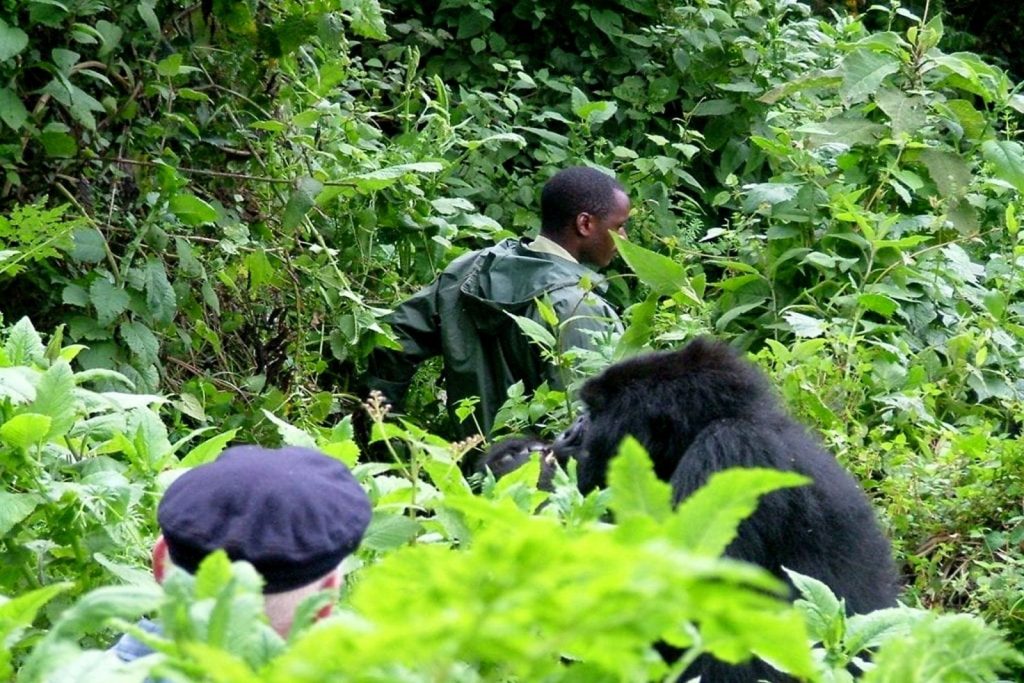
Rain is not an occasional inconvenience during gorilla trekking season, it is a near-certainty, since mountain gorilla habitat sits within genuine tropical rainforest that receives significant rainfall even during the officially designated dry season. Choosing the right rain jacket is one of the few pieces of gear that can single-handedly determine whether a trek feels like a miserable slog or a manageable, even enjoyable, physical challenge, and travellers who arrive with the wrong jacket, whether too flimsy, too hot, or simply not genuinely waterproof, often regret the choice within the first hour on the trail.
This guide covers what actually matters when choosing a rain jacket for gorilla trekking season, based on the specific demands of rainforest hiking rather than generic outdoor gear advice.
Why Standard Rain Jackets Often Fail on the Trail
Many travellers arrive with a rain jacket purchased for city use or light hiking, and quickly discover it is inadequate for the sustained, often heavy rainfall combined with strenuous physical exertion typical of a gorilla trek. A jacket that keeps you dry standing at a bus stop frequently fails entirely different tests: sustained multi-hour wear while sweating heavily on a steep climb, repeated contact with wet vegetation brushing against the fabric, and the combination of external rain with internal condensation that builds up during hard physical effort in humid conditions.
This combination of external moisture and internal perspiration is precisely why breathability matters as much as waterproofing itself for this specific activity, since a jacket that keeps rain out but traps sweat in leaves trekkers just as wet and considerably more uncomfortable than one with genuine breathable performance.
Why Ponchos Are a Poor Choice
Disposable or lightweight ponchos, while cheap and packable, generally perform poorly on a gorilla trek specifically because they catch on dense vegetation, restrict arm movement needed for using walking sticks or grabbing branches for balance, and offer minimal protection against the horizontal, wind-driven rain common on exposed ridge sections of many trekking routes.
Waterproofing Ratings Worth Understanding
Waterproof ratings, typically measured in millimetres of water column, indicate how much sustained water pressure a fabric can withstand before leaking, and a rating of at least 10,000mm is a reasonable minimum for genuine gorilla trekking conditions, with 20,000mm or higher offering meaningfully better protection during the heaviest downpours common during wetter months. Seam sealing, where every stitched seam is taped or welded rather than simply sewn, is equally important, since even a highly rated fabric will leak at unsealed seams during sustained heavy rain.
Breathability, measured separately from waterproofing and often expressed as a grams-per-square-metre rating for moisture vapour transfer, deserves equal attention, and jackets combining strong waterproofing with genuinely good breathability, typically using technologies like Gore-Tex or similar proprietary membranes, tend to perform noticeably better than cheaper jackets that sacrifice breathability for a lower price point.
Fit and Layering Considerations
A rain jacket for gorilla trekking needs to fit comfortably over a warm mid-layer, since temperatures at higher elevation trekking start points can be genuinely cold in early morning before warming considerably during the physical exertion of the climb itself. A jacket that fits too tightly restricts the layering flexibility needed to adjust to this temperature swing throughout a single trekking day, while one that is too loose can catch on vegetation and become genuinely cumbersome on narrow, overgrown forest trails.
Adjustable cuffs, a well-fitted hood that moves with your head rather than restricting peripheral vision, and a hem long enough to cover the top of trekking trousers all contribute meaningfully to comfort and protection over a multi-hour trek in sustained rain.
Ventilation Features Worth Prioritising
Underarm zip vents, often called pit zips, allow trekkers to dump excess heat and moisture during strenuous climbing sections without fully removing the jacket, a genuinely useful feature specifically suited to the start-stop, variable-intensity nature of gorilla trekking where periods of hard climbing alternate with calmer, flatter stretches.
Jacket Weight and Packability
Beyond waterproofing and breathability, the physical weight and packed size of a rain jacket matters considerably for a gorilla trek, since it typically needs to be carried in a daypack alongside water, snacks and other essentials for the entire duration of the hike. Lightweight technical jackets that pack down to roughly the size of a large grapefruit are considerably easier to carry comfortably than bulkier, heavier options, and this packability becomes especially relevant for travellers already managing a full daypack of camera gear, water and other trekking essentials across a potentially many-hour outing.
Colour Considerations for Wildlife Viewing
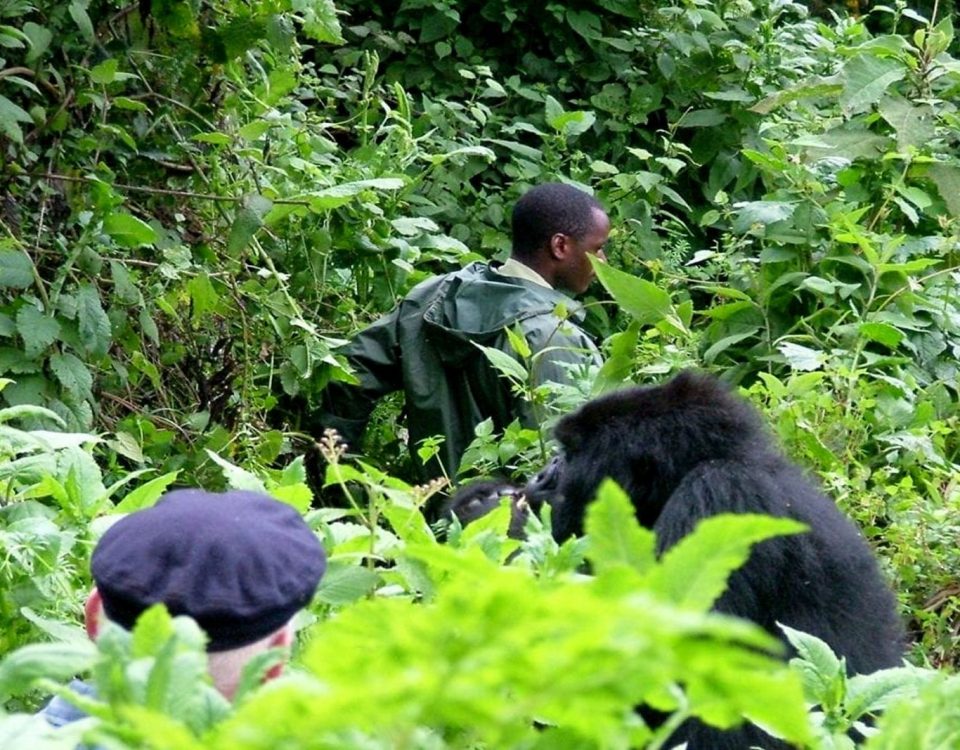
Park authorities generally recommend neutral, muted colours for gorilla trekking, both to avoid disturbing the gorillas with bright, unfamiliar colours and to blend in more naturally with the forest environment during the approach to a family. Bright reds, oranges or highly reflective jackets are generally discouraged, and most experienced trekkers choose jackets in green, khaki, grey or navy tones that satisfy both the practical waterproofing needs and the more subtle etiquette expectations around wildlife encounters of this kind.
Budget Versus Premium Options
While premium outdoor brands offer genuinely excellent waterproof-breathable jackets, often at a price point of $200 to $400, more affordable options in the $60 to $120 range can still perform adequately for a single gorilla trek if they meet the basic waterproofing and seam-sealing criteria outlined above. Travellers who trek only once are often better served renting or borrowing quality gear, or choosing a mid-range option, rather than investing in the most expensive premium jacket purely for a single-day activity, while frequent trekkers or serious hikers may find the investment in premium gear worthwhile across multiple future trips.
Testing Your Jacket Before You Travel
Wearing your chosen rain jacket during an actual rain shower before departure, ideally combined with some physical exertion like a brisk walk or hike, reveals genuine performance issues, including leaking seams, poor ventilation, or an uncomfortable fit under layers, that a jacket might not reveal simply hanging in a shop or being tried on indoors. This kind of real-world testing, done weeks rather than days before departure, leaves enough time to exchange or replace a jacket that fails to perform as expected.
Caring for Your Jacket During a Multi-Day Trip
Rain jackets used on consecutive trekking days benefit from proper drying between uses, and many lodges near Bwindi and Volcanoes National Park offer drying rooms or facilities specifically for this purpose, since a jacket that has not fully dried overnight starts the next day’s trek already partially saturated, significantly reducing its effective performance. Hanging a wet jacket in a well-ventilated space rather than sealing it in a plastic bag or backpack compartment overnight allows genuine drying to occur, and travellers on multi-day itineraries involving repeated wet-weather activities should factor this into their accommodation choices where possible.
Washing a technical waterproof jacket with standard detergent can degrade its water-repellent coating over time, and travellers planning to use the same jacket across multiple future trips should follow the manufacturer’s specific care instructions, typically involving a specialised technical wash and occasional reproofing treatment, to maintain genuine long-term waterproof performance rather than allowing the jacket’s effectiveness to quietly degrade with each standard wash.
Renting Gear Locally as an Alternative
Some lodges and tour operators near Bwindi and Volcanoes National Park offer rain jacket and gaiter rental for travellers who prefer not to purchase or pack specialised wet-weather gear for a single trip, a genuinely practical option worth asking about when booking, particularly for travellers arriving from climates where sourcing appropriate rainforest trekking gear locally before departure would be difficult or expensive. Rental quality varies considerably between operators, so confirming the specific gear available, and its condition, before relying on this option entirely is a sensible precaution rather than assuming adequate equipment will automatically be available on arrival. Travellers relying on rented gear should also ask specifically about sizing options, since a poorly fitted jacket, whether too large and prone to catching on vegetation or too small to layer properly underneath, undermines much of the benefit of otherwise good waterproof performance regardless of how well-maintained the rental equipment itself happens to be.
Packing the Rest of Your Wet-Weather Kit
A rain jacket alone is not sufficient protection, and pairing it with waterproof trousers or gaiters, a waterproof cover for your daypack, and genuinely waterproof, well broken-in hiking boots completes a wet-weather kit capable of handling sustained rainforest conditions. Our guides on rain gear and gaiters for Bwindi’s unpredictable weather and what to wear and pack for gorilla trekking cover the rest of this kit in more detail. Our overview of what gorilla trekking guides carry in their packs is useful additional context on how experienced local staff themselves prepare for the same conditions you will face on the trail.
A genuinely good rain jacket rarely feels like the most exciting item on a gorilla trekking packing list, but experienced trekkers consistently rank it among the handful of choices that most directly determine whether a demanding day in the forest feels manageable or miserable, making it well worth the research and modest financial investment required to get genuinely right before you ever set foot on the muddy, unpredictable trail that leads toward your very first gorilla encounter.