Uganda Wildlife Education Centre in Entebbe: Is It Worth Your Time?
The Uganda Wildlife Education Centre in Entebbe is one of the most accessible places to learn about Uganda’s wildlife without travelling to a national park. Located along the shores of Lake Victoria, the centre offers opportunities to observe animals, discover conservation programmes and understand the challenges facing wildlife in Uganda.
Commonly known as Entebbe Zoo, the Uganda Wildlife Conservation Education Centre (UWEC) focuses on wildlife education, animal rescue, rehabilitation and conservation.
For travellers arriving through Entebbe International Airport, it provides a convenient introduction to Uganda’s animals before beginning a longer safari.
But is the Uganda Wildlife Education Centre worth visiting when you have limited time? This guide explains what you can see, how much time to allow, the available activities and whether the experience suits your interests.
Overview of Uganda Wildlife Education Centre
The Uganda Wildlife Education Centre was established in 1952 as a facility for animals that had been injured, orphaned or confiscated from illegal wildlife trade.
Over the years, its purpose expanded beyond keeping animals in captivity.
In 1994, the institution became a conservation education centre, placing greater emphasis on wildlife protection and public awareness.
The centre continues to support wildlife rescue, rehabilitation and education.
In 2025, the Ugandan government integrated UWEC into the Uganda Wildlife Authority as part of public agency reforms.
Its location in Entebbe makes it particularly convenient for visitors staying near the international airport.
Quick Visitor Information
| Feature | Details |
|---|---|
| Location | Entebbe, Uganda |
| Main attraction | Wildlife viewing and conservation education |
| Recommended duration | 2–4 hours |
| Suitable visitors | Families, students and wildlife enthusiasts |
| Main activities | Guided tours, animal observation and educational experiences |
| Best visiting time | Morning |
| Walking difficulty | Generally easy |
| Nearby attraction | Entebbe Botanical Gardens |
The centre is suitable for a half-day excursion, although visitors interested in conservation may prefer spending longer.
What Animals Can You See at Entebbe Wildlife Education Centre?
The centre houses different animals associated with Uganda’s natural habitats.
Unlike a national park, where wildlife moves freely across large landscapes, the education centre provides managed environments where visitors can observe animals under professional care.
Animal collections and viewing arrangements may change because of transfers, veterinary treatment or rehabilitation programmes.
Lions
Lions are among the animals that attract considerable interest.
Visitors can observe their physical features and learn about their behaviour, feeding patterns and conservation challenges.
In Uganda, wild lions occur in protected areas such as Queen Elizabeth National Park and Murchison Falls National Park.
Seeing lions at the education centre can help first-time safari travellers understand their appearance before encountering them in natural habitats.
Giraffes
Giraffes are another popular attraction.
Their long necks, distinctive coat patterns and unusual movement make them interesting to observe.
Uganda is home to the northern giraffe, including the Nubian giraffe population found in protected areas.
A guided explanation can help visitors understand giraffe feeding behaviour and conservation concerns.
Chimpanzees
Chimpanzees are among Uganda’s most important primates.
These intelligent animals share many behavioural characteristics with humans, including social relationships, communication and problem-solving.
At the education centre, visitors may learn about rescued chimpanzees and the threats affecting wild populations.
However, observing chimpanzees in managed care differs considerably from trekking through a natural forest.
Travellers interested in wild chimpanzee encounters should consider recognised trekking destinations such as Kibale National Park.
Other Wildlife
Depending on the animals currently housed and available for viewing, visitors may also encounter:
-
Rhinoceroses
-
Zebras
-
Antelopes
-
Reptiles
-
Different monkey species
-
Birds of prey
-
Other native birds
Each animal provides an opportunity to learn about Uganda’s biodiversity.
A knowledgeable guide can explain why particular animals require care and whether returning them to the wild is possible.
Birdwatching at Uganda Wildlife Education Centre
Birdwatching adds another interesting activity to your visit.
The centre contains trees, gardens and lakeside habitats that attract free-living birds.
You may observe birds moving through vegetation, feeding or resting in nearby trees.
Possible sightings include African fish eagles, kingfishers, weavers, sunbirds and other species associated with Lake Victoria.
Some birds are permanent residents, while others may appear seasonally.
Best Birdwatching Conditions
Early morning often provides suitable conditions because birds are active and temperatures are relatively comfortable.
Carry binoculars if birdwatching interests you.
Avoid loud conversations when approaching feeding birds.
A local guide can help identify species that may otherwise be difficult to recognise.
Wildlife Conservation and Animal Rescue
Conservation education is a central part of the centre’s work.
Uganda faces several wildlife protection challenges, including habitat loss, illegal hunting, human-wildlife conflict and illegal animal trade.
Some animals brought into professional care cannot immediately return to natural habitats.
They may require veterinary treatment, rehabilitation or long-term management.
Rehabilitation Programmes
Rehabilitation aims to help suitable rescued animals recover.
Depending on the animal’s condition and circumstances, rehabilitation may involve medical care, appropriate feeding and opportunities to develop natural behaviour.
Returning an animal to the wild requires careful assessment.
Animals that cannot survive independently may remain under managed care.
Visitors should understand that successful rehabilitation does not always lead to release.
Conservation Education
The centre also teaches visitors about protecting wildlife and natural habitats.
Educational explanations may cover endangered species, environmental threats and responsible human behaviour around animals.
These lessons are particularly valuable for children and first-time wildlife enthusiasts.
Activities Available at the Centre
A standard visit usually involves walking through designated areas and observing animals.
Visitors can also enquire about additional educational experiences.
Guided Wildlife Tours
A guided tour can provide more information than walking independently.
Guides explain animal behaviour, conservation concerns and the history of particular species.
You can ask questions about wildlife diets, habitats and rescue programmes.
For families with children, guided explanations can make the visit more educational.
Behind-the-Scenes Experiences
The centre advertises special behind-the-scenes programmes that provide additional educational access under supervision.
These experiences generally require separate arrangements and additional payment.
Activities, eligibility requirements and permitted interactions can change.
Confirm exactly what is included before booking.
Never assume that paying for a special programme guarantees physical contact with wildlife.
Nature Walks
The centre’s grounds also offer opportunities for relaxed walking.
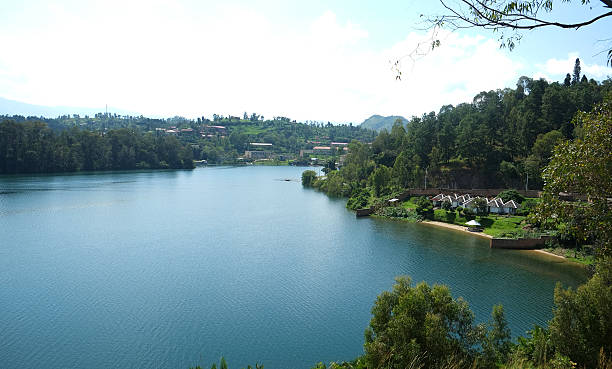
You can observe vegetation, enjoy outdoor spaces and appreciate views towards Lake Victoria.
Walking routes make the destination suitable for visitors who prefer activities requiring limited physical effort.
Is Uganda Wildlife Education Centre Worth Visiting?
For many first-time visitors, the answer is yes.
However, the value of the experience depends on your interests and what you expect.
Reasons to Visit
The centre may be particularly worthwhile if you:
-
Have limited time in Entebbe.
-
Are travelling with children.
-
Want to learn about Uganda’s wildlife.
-
Prefer an easy walking experience.
-
Are interested in wildlife conservation.
-
Have not previously visited an African wildlife destination.
It also works well as a short activity before or after a longer Uganda safari.
When You Might Prefer Another Activity
Visitors seeking wild animals in extensive natural habitats may prefer a national park.
At Murchison Falls or Queen Elizabeth National Park, animals move freely through protected landscapes.
The experience involves searching for wildlife rather than observing animals in managed facilities.
Similarly, visitors primarily interested in birds living in natural habitats may prefer Entebbe Botanical Gardens or Mabamba Swamp.
The education centre serves a different purpose, making it important to choose according to your expectations.
Best Time to Visit
The centre can generally be visited throughout the year.
Morning visits are often comfortable because temperatures are lower and visitors may have more time to explore.
The centre advertises daily opening hours, but you should confirm current arrangements before travelling.
Uganda experiences relatively drier periods between December and February and June and August.
These months may offer more comfortable outdoor walking conditions.
However, Entebbe can receive rainfall at any time.
Carry a light rain jacket, particularly if you plan to spend several hours outdoors.
How to Reach Uganda Wildlife Education Centre
The centre is located in Entebbe, within a convenient travelling distance of Entebbe International Airport and many local hotels.
You can reach it using a private vehicle, taxi or organised tour.
A driver familiar with Entebbe can simplify transport arrangements.
Planning Your Transport
| Starting point | Transport advice |
|---|---|
| Entebbe Airport | Arrange a taxi or private transfer |
| Entebbe town | Use local transport or a private vehicle |
| Kampala | Allow additional time for road traffic |
| Nearby hotel | Ask about transport arrangements |
Travel times depend on your starting location and traffic conditions.
Avoid scheduling a visit too close to an international flight departure.
Practical Visiting Tips
A little preparation will help you enjoy your experience.
Wear Comfortable Clothes
Choose lightweight clothing suitable for walking outdoors.
Comfortable shoes are recommended because you may spend several hours exploring.
Carry sunscreen and drinking water during warm weather.
Follow Animal Safety Rules
Never feed animals unless an authorised activity specifically permits it.
Avoid placing your hands through barriers or attempting to touch wildlife.
Keep children supervised and respect instructions from animal care staff.
Photography
Photography may be permitted in designated visitor areas.
However, restrictions can apply to certain animals and special activities.
Avoid using flash close to animals.
Ask permission before photographing staff or other visitors.
Allow Enough Time
Two to four hours is generally sufficient for a standard visit.
Travellers booking additional educational activities may need more time.
Confirm the current programme and admission arrangements before arrival.
Combining Your Visit With Other Entebbe Attractions
The education centre can fit into a wider Entebbe sightseeing programme.
Entebbe Botanical Gardens
The botanical gardens provide opportunities to observe free-living birds, monkeys and tropical vegetation.
Combining both attractions creates a varied day focused on wildlife and nature.
Mabamba Swamp
Mabamba Swamp is known for guided boat excursions searching for the shoebill.
A visit requires separate transport and boat arrangements.
It is particularly suitable for birdwatchers and wildlife photographers.
Lake Victoria
You can finish your day at a lakeside restaurant or another suitable location overlooking Lake Victoria.
Enjoy a meal while relaxing after your activities.
Frequently Asked Questions
Is Uganda Wildlife Education Centre suitable for children?
Yes. The centre provides educational opportunities for children to learn about animals and conservation.
Parents should supervise children throughout the visit.
How long does a visit take?
Most visitors can explore the main areas within two to four hours.
Additional programmes may require longer.
Is the centre the same as Entebbe Zoo?
Yes. Many people still use the name Entebbe Zoo, although the institution developed into a wildlife conservation education centre.
Can visitors touch the animals?
Visitors should not expect physical contact with animals.
Any special activities must follow the centre’s approved safety and animal welfare procedures.
Is it better than a safari?
The experiences serve different purposes.
A national park safari provides opportunities to observe free-ranging wildlife, while the education centre focuses on managed animal care and conservation learning.
Uganda Wildlife Education Centre is worth visiting if you want an accessible introduction to Uganda’s animals and wildlife conservation.
Its location in Entebbe makes it convenient for families, first-time visitors and travellers with limited time.
You can observe different species, learn about animal rescue and enjoy a relaxed outdoor experience.
For the best visit, allow several hours, consider a guided tour and approach the experience as an opportunity to learn about wildlife protection.