Bigodi Wetland Sanctuary Walk: What You Can See Near Kibale
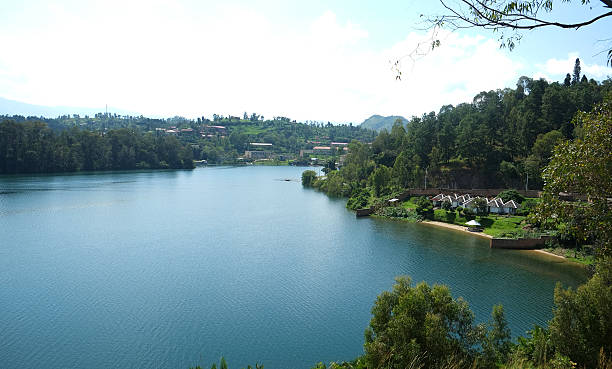
Bigodi Wetland Sanctuary is one of the most rewarding places to enjoy birdwatching, monkey spotting and guided nature walks near Kibale National Park in western Uganda. Located beside Bigodi village, the sanctuary protects an important wetland surrounded by tropical vegetation, farmland and forest habitats.
A Bigodi Wetland Sanctuary walk gives you an opportunity to observe wildlife while learning about community conservation. Unlike chimpanzee trekking, which concentrates on finding chimpanzees inside Kibale Forest, the wetland experience introduces you to several bird species, monkeys, butterflies and plants.
The sanctuary is particularly suitable for travellers who enjoy walking, photography and learning about local communities.
This guide explains what you can see, how long the walk takes, when to visit and how to combine the experience with other attractions around Kibale.
Overview of Bigodi Wetland Sanctuary
Bigodi Wetland Sanctuary protects part of Magombe Wetland near the southern edge of Kibale National Park.
The sanctuary is managed by the Kibale Association for Rural and Environmental Development, commonly known as KAFRED.
This community organisation uses tourism to support conservation and local development.
The wetland provides habitats for several animals and forms part of the wider landscape surrounding Kibale Forest.
Visitors explore the sanctuary with local guides who explain wildlife behaviour, plant species and conservation activities.
Quick Visitor Information
| Feature | Details |
|---|---|
| Location | Bigodi village, near Kibale National Park |
| Main activity | Guided wetland nature walk |
| Walking distance | Approximately 4.5 kilometres |
| Typical duration | 2–3 hours |
| Difficulty | Easy to moderate |
| Main wildlife | Birds, monkeys and butterflies |
| Best visiting time | Early morning |
| Management | KAFRED community organisation |
The experience suits travellers who want to explore wildlife habitats at a comfortable pace.
However, muddy conditions may make some sections more demanding after rainfall.
What to Expect During a Bigodi Wetland Sanctuary Walk
A guided walk usually begins with an introduction to the sanctuary and its conservation purpose.
Your guide will explain the route, expected walking conditions and animals you might encounter.
The trail passes through different habitats, including wetland vegetation, forest edges and areas with mature trees.
Some sections use constructed walkways, while others follow natural paths.
Walking Through the Wetland
As you enter the sanctuary, you will notice changes in vegetation and bird activity.
Papyrus and other wetland plants provide shelter for birds and smaller animals.
Trees along the edges attract monkeys and forest birds searching for food.
Your guide may stop regularly to identify calls, explain animal behaviour or point out interesting plants.
Walking slowly improves your chances of observing wildlife.
How Difficult Is the Walk?
The Bigodi wetland walk is generally manageable for visitors with reasonable mobility.
You do not need specialist hiking experience.
However, uneven ground, exposed roots and muddy sections can make walking more challenging.
Wear shoes with reliable grip, especially during rainy periods.
Visitors with significant mobility difficulties should discuss accessibility with the sanctuary before booking.
Birdwatching at Bigodi Wetland Sanctuary
Birdwatching is one of the sanctuary’s main attractions.
The mixture of wetland plants, woodland and forest edges supports numerous bird species.
Some birds remain concealed in vegetation, while others move between trees or feed in open areas.
A knowledgeable local guide can identify calls and help locate species that visitors might otherwise miss.
Great Blue Turaco
The great blue turaco is among the most recognisable birds associated with Bigodi.
It has a large body, distinctive crest and blue-green colouring.
These birds often move through the upper branches of trees while feeding on fruits.
Their calls may reveal their location before they become visible.
Binoculars are particularly useful because great blue turacos can remain high in the canopy.
Papyrus Gonolek
The papyrus gonolek is another bird that attracts attention.
It is associated with papyrus wetlands and has striking black and red colouring.
Despite its bright appearance, it can be difficult to observe because it often remains hidden among dense vegetation.
Your guide may identify its calls and suggest suitable viewing positions.
Remain patient and avoid disturbing the vegetation.
Other Birds You May Encounter
Depending on the season and local conditions, birdwatchers may observe:
-
Hornbills
-
Kingfishers
-
Sunbirds
-
Weaver birds
-
Turacos
-
Barbets
-
Cuckoos
-
Other wetland and forest-edge species
Bird sightings are unpredictable.
A successful visit should be measured by the overall experience rather than the number of species recorded.
Monkey Spotting Near Kibale Forest
Bigodi is also known for its primates.
Several monkey species use the forest-edge habitats surrounding the wetland.
Their movements depend on food availability, weather and activity within the surrounding vegetation.
Black-and-White Colobus Monkeys
Black-and-white colobus monkeys are among the most attractive primates to observe.
Their contrasting fur and long tails make them recognisable.
They spend much of their time in trees, feeding mainly on leaves and other plant materials.
You may observe them resting, grooming or moving between branches.
Red Colobus Monkeys
Red colobus monkeys are another important primate associated with the Kibale landscape.
They generally live in groups and spend considerable time in forest vegetation.
Observing them requires patience because branches and leaves can obstruct visibility.
Your guide can help distinguish red colobus from other monkeys.
Red-Tailed Monkeys
Red-tailed monkeys are active primates that move through trees searching for food.
They have distinctive facial markings and reddish colouring on their tails.
Their quick movements can make photography difficult.
Watch quietly and avoid approaching too closely.
Other Primates
Bigodi’s wider habitat is associated with additional primates, including grey-cheeked mangabeys, blue monkeys, vervet monkeys and olive baboons.
However, you should not expect to see every species during one walk.
Wildlife sightings depend on natural movement patterns.
Butterflies, Plants and Smaller Wildlife
Bigodi offers more than birds and monkeys.
The wetland supports insects, amphibians and other smaller animals that play important roles in the surrounding habitats.
Butterfly Watching
Butterflies can be observed around flowering plants and sunny openings.
Their activity is often greater during warm, dry conditions.
Some species move quickly, while others remain briefly on leaves or flowers.
Photographers may enjoy watching these insects between larger wildlife sightings.
Wetland Vegetation
The sanctuary contains plants adapted to wet conditions.
Papyrus is particularly important because it provides shelter for wildlife and contributes to the wetland’s natural processes.
Your guide may explain how local communities traditionally use certain plants.
Avoid removing flowers, leaves or other natural materials.
Community Conservation at Bigodi
Bigodi Wetland Sanctuary is an important example of community-managed tourism in Uganda.
KAFRED works with local residents to protect the wetland while generating benefits through visitor activities.
Tourism income has supported community initiatives, including education and access to safe water.
The organisation has also contributed to local employment and environmental awareness.
How Visitors Support Conservation
Booking a guided walk helps sustain local guiding services and conservation activities.
The experience also encourages communities to protect habitats that support wildlife.
Visitors should respect local rules and avoid damaging plants or disturbing animals.
If you purchase crafts, consider buying directly from local producers.
Best Time to Visit Bigodi Wetland Sanctuary
The sanctuary can be visited throughout the year.
However, weather conditions and wildlife activity can influence your experience.
Morning Walks
Early morning is generally recommended for birdwatchers.
Birds are often active, and temperatures are usually comfortable.
You may also encounter monkeys moving through trees while searching for food.
Afternoon Walks
Afternoon walks can be enjoyable, particularly when combined with morning chimpanzee trekking.
However, wildlife activity may vary according to temperature and rainfall.
Allow enough time between activities to avoid rushing.
Wet and Dry Seasons
Uganda experiences relatively drier periods around December to February and June to August.
These months may provide easier walking conditions.
During wetter periods, trails can become muddy, and some paths may require greater care.
Rainfall also supports healthy vegetation and creates attractive conditions for nature photography.
What to Carry for Your Wetland Walk
Packing suitable equipment will improve your comfort.
Recommended items include:
-
Comfortable walking shoes
-
Binoculars
-
Drinking water
-
Lightweight rain jacket
-
Insect repellent
-
Sunscreen
-
Camera or smartphone
-
Small daypack
Wear neutral-coloured clothing that allows comfortable movement.
Long trousers can help protect your legs from vegetation and insects.
Avoid carrying unnecessary equipment because you will be walking for several hours.
Combining Bigodi With Kibale Chimpanzee Trekking
Bigodi Wetland Sanctuary is conveniently located near Kibale National Park.
Many travellers combine the wetland walk with chimpanzee trekking.
This arrangement provides two different wildlife experiences.
Morning Chimpanzee Trekking
Chimpanzee trekking takes place inside Kibale National Park under the supervision of authorised guides.
Visitors search for habituated chimpanzees in natural forest habitats.
The activity can involve uneven ground and variable walking distances.
Afternoon Bigodi Walk
After chimpanzee trekking, you can return to your accommodation for lunch before visiting Bigodi.
The afternoon wetland walk provides opportunities to observe birds and smaller primates.
However, consider your energy levels before booking both activities on the same day.
Travellers who prefer a relaxed schedule may complete the wetland walk the following morning.
Frequently Asked Questions
Is Bigodi Wetland Sanctuary worth visiting?
Yes, particularly for birdwatchers, photographers and travellers interested in community conservation.
The experience provides a useful addition to chimpanzee trekking.
How long does the Bigodi walk take?
Most guided walks take approximately two to three hours.
The duration depends on walking speed, wildlife sightings and weather conditions.
Can you see chimpanzees at Bigodi?
Chimpanzees are associated with the wider Kibale landscape, but Bigodi is not a substitute for an authorised chimpanzee trekking experience.
Visitors should book trekking separately.
Is the walk suitable for children?
Older children who enjoy nature walks may find the experience rewarding.
Families should consider walking distance, weather conditions and each child’s ability.
Do you need a guide?
The sanctuary operates guided experiences.
A local guide improves wildlife identification and helps visitors follow appropriate conservation rules.
Bigodi Wetland Sanctuary offers an enjoyable opportunity to explore Uganda’s natural habitats while supporting community conservation.
Its birds, monkeys, butterflies and wetland vegetation make it particularly attractive to visitors staying near Kibale National Park.
Allow approximately three hours, carry binoculars and wear suitable walking shoes.
A guided visit provides a deeper understanding of the relationship between wildlife protection and local communities.
For travellers exploring western Uganda, Bigodi is a worthwhile addition to a Kibale safari itinerary.