Toro-Semliki Wildlife Reserve: Safari Activities and Wildlife
Toro-Semliki Wildlife Reserve is one of Uganda’s lesser-visited safari destinations, offering wildlife viewing, birdwatching, boat excursions and guided nature walks. Located in western Uganda, the reserve occupies part of the Albertine Rift Valley between the Rwenzori Mountains, the Kijura Escarpment and Lake Albert.
A Toro-Semliki Wildlife Reserve safari provides an opportunity to explore open grasslands, riverine forests and wetlands with relatively few other tourists. The reserve supports animals such as elephants, buffaloes, Uganda kobs, waterbucks, warthogs and several primate species.
Unlike Uganda’s busier national parks, Toro-Semliki attracts travellers who enjoy quiet landscapes and less crowded wildlife experiences.
This guide explains the reserve’s wildlife, available safari activities, accommodation options, visiting seasons and practical planning considerations.
Overview of Toro-Semliki Wildlife Reserve
Toro-Semliki Wildlife Reserve was established in 1926, making it one of Uganda’s oldest protected wildlife areas.
The reserve covers approximately 542 square kilometres and is managed by the Uganda Wildlife Authority.
Its landscape includes savannah grasslands, woodland, river valleys and wetland habitats.
The Semliki and Wasa rivers pass through the wider area towards Lake Albert, creating important habitats for wildlife.
The surrounding scenery includes views towards the Rwenzori Mountains and the Albertine Rift Valley.
Quick Visitor Information
| Feature | Details |
|---|---|
| Location | Western Uganda |
| Protected area | Wildlife reserve |
| Established | 1926 |
| Approximate size | 542 square kilometres |
| Main activities | Game drives, birdwatching and nature walks |
| Water activity | Boat excursions on Lake Albert |
| Main wildlife | Elephants, buffaloes, Uganda kobs and waterbucks |
| Recommended stay | 2–3 days |
Toro-Semliki is particularly suitable for travellers seeking a quieter safari destination.
Wildlife Found in Toro-Semliki Wildlife Reserve
The reserve contains several wildlife species associated with Uganda’s savannah and forest habitats.
However, animal sightings depend on season, vegetation and wildlife movements.
Visitors should approach the experience with realistic expectations, especially when searching for predators.
Elephants
Elephants are among the most interesting animals associated with Toro-Semliki.
The reserve’s varied habitats support elephant movements through woodland and open areas.
Elephants may be observed feeding, travelling or resting.
Their presence is influenced by available food, water and seasonal conditions.
Always maintain a safe distance and follow your guide’s instructions.
African Buffaloes
Buffaloes are another important large mammal.
They may appear individually or in groups, particularly around suitable grazing areas.
Buffaloes can behave unpredictably when disturbed.
Avoid approaching them on foot without an authorised guide.
Uganda Kobs
Uganda kobs are among the antelopes associated with the reserve.
These animals prefer grassland habitats where they feed and remain alert for predators.
Their reddish-brown colouring makes them relatively easy to recognise.
Watching their behaviour can provide interesting opportunities for wildlife photography.
Waterbucks and Warthogs
Waterbucks are commonly associated with grasslands near water sources.
They are recognisable by their strong bodies and distinctive markings.
Warthogs are smaller animals frequently observed feeding on short grass.
They often kneel on their front legs while grazing.
Both species can provide rewarding sightings during daytime game drives.
Predators
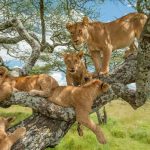
Lions, leopards and spotted hyenas have been recorded within the reserve.
However, predator sightings can be uncommon.
Travellers should avoid expecting the same predator-viewing opportunities available in some larger national parks.
Your guide can explain recent wildlife activity and areas where sightings may be possible.
Game Drives in Toro-Semliki Wildlife Reserve
Game drives are among the main safari activities.
Visitors explore designated tracks using suitable safari vehicles.
The reserve’s open landscapes provide opportunities to search for grazing animals and observe the surrounding scenery.
Morning Game Drives
Morning game drives are often recommended because temperatures are cooler.
Animals may be more active during the early hours, particularly before the afternoon heat.
Your guide will search suitable habitats while explaining wildlife behaviour.
Allow approximately two to three hours, depending on the route and conditions.
Afternoon Game Drives
Afternoon drives provide another opportunity to observe wildlife.
Some animals may gather around water sources or move into open areas as temperatures fall.
The late afternoon light can also be suitable for photography.
Night Game Drives
Night drives may be available through authorised arrangements.
These excursions offer opportunities to search for nocturnal animals using appropriate equipment.
Availability depends on Uganda Wildlife Authority regulations, staffing and current operating arrangements.
Confirm permission before planning a night activity.
Birdwatching in Toro-Semliki Wildlife Reserve
Birdwatching is another rewarding activity.
The reserve’s wetlands, grasslands, riverine vegetation and nearby lake habitats attract different bird species.
Experienced birdwatchers may find the area particularly interesting because of its varied environments.
Shoebill Watching
The shoebill is among the most sought-after birds associated with the Lake Albert wetlands.
This unusual bird has a large, shoe-shaped bill and generally inhabits suitable papyrus and marshland habitats.
Seeing a shoebill requires patience and favourable conditions.
A guided boat excursion may improve your chances, but sightings are never guaranteed.
Other Birds
Depending on habitat and season, visitors may encounter:
-
African fish eagles
-
Kingfishers
-
Bee-eaters
-
Coucals
-
Waterbirds
-
Herons
-
Other grassland and woodland species
Carry binoculars and consider booking a specialist bird guide.
Early morning is generally a productive period for birdwatching.
Boat Excursions on Lake Albert
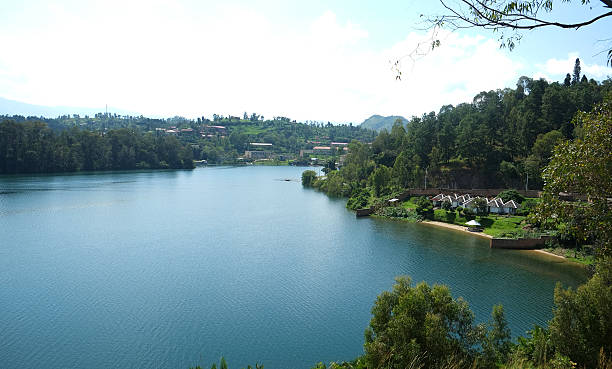
Lake Albert is one of the main geographical features associated with the reserve.
Boat excursions provide opportunities to observe lakeside scenery, wetland birds and wildlife near the water.
Trips are commonly arranged through authorised local operators or wildlife authorities.
What You May See
Depending on the route, visitors may observe waterbirds, fishing activity and lakeshore habitats.
Shoebills may occasionally be found in suitable wetland areas.
Hippopotamuses also occur in the wider Lake Albert environment.
Boat excursions should be approached as wildlife-searching experiences rather than guaranteed encounters.
Boat Safety
Always use an authorised operator.
Wear a properly fitted life jacket and follow the boat guide’s instructions.
Avoid standing suddenly or moving around unnecessarily.
Weather conditions can change quickly on large lakes.
Trips may be delayed or cancelled when conditions are unsafe.
Guided Nature Walks
Nature walks allow visitors to explore selected areas at a slower pace.
An authorised guide can explain plants, animal tracks, smaller wildlife and the relationship between different habitats.
Walking gives you opportunities to notice details that may be missed during vehicle-based activities.
What to Expect
Depending on the approved route, you may observe birds, insects, vegetation and signs of animal movement.
Some walks may pass through woodland or areas near river valleys.
Walking distances and duration depend on the selected activity.
Never explore wildlife habitats independently without appropriate permission.
Chimpanzee Research and Primate Experiences
Toro-Semliki is associated with an important chimpanzee research population.
Researchers have studied chimpanzees living in the reserve’s relatively dry habitats.
Their behaviour and habitat use provide valuable information about chimpanzee adaptation.
However, chimpanzee viewing here differs from established trekking experiences in Kibale National Park.
Chimpanzee Tracking
Research-based chimpanzee visits may be available under controlled arrangements.
Because chimpanzees can range across extensive areas, sightings are uncertain.
Access may depend on research activities, visitor limits and Uganda Wildlife Authority approval.
Travellers specifically seeking a reliable chimpanzee trekking experience may prefer Kibale National Park.
Best Time to Visit Toro-Semliki
The reserve can be visited throughout the year.
However, weather influences road conditions, wildlife visibility and outdoor activities.
Drier Months
The relatively drier periods around December to February and June to August may provide easier driving conditions.
Vegetation can become less dense in some areas, potentially improving visibility.
However, wildlife movements remain unpredictable.
Wetter Months
Rainfall supports vegetation growth and can create attractive green landscapes.
Birdwatching may remain rewarding, but some tracks can become muddy.
Travellers should use suitable vehicles and allow flexibility in their schedules.
How to Reach Toro-Semliki Wildlife Reserve
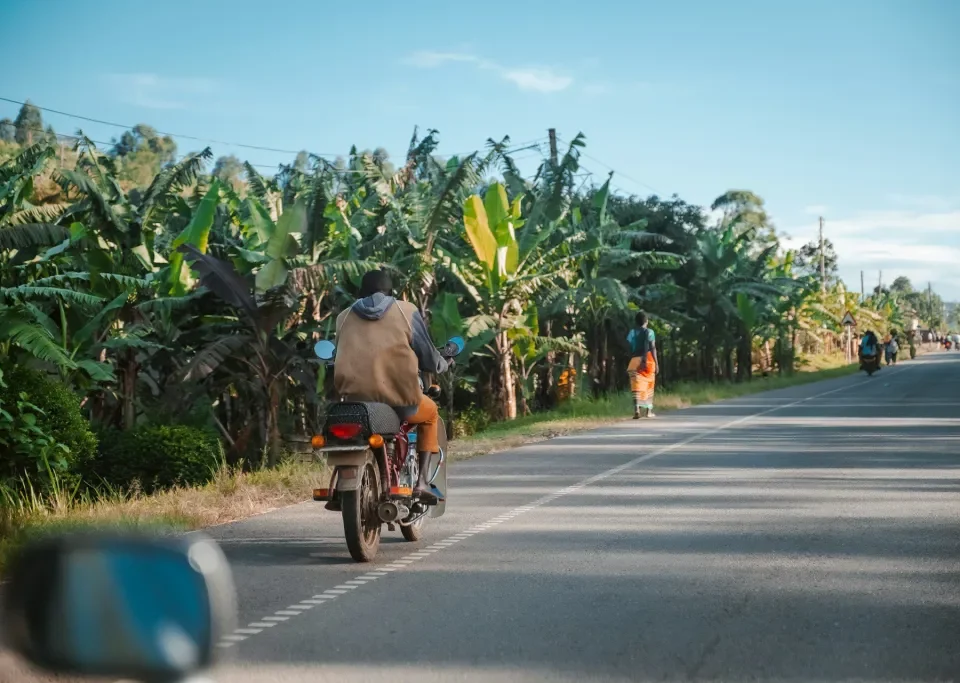
The reserve is situated in western Uganda and is commonly approached through Fort Portal.
Visitors travelling from Kampala generally drive towards Fort Portal before continuing towards the Semliki Valley.
The journey requires several hours and should be planned carefully.
Transport Options
| Transport | Recommendation |
|---|---|
| Private safari vehicle | Most convenient option |
| Four-wheel-drive vehicle | Recommended for difficult conditions |
| Organised safari | Suitable for first-time visitors |
| Public transport | Less practical for accessing safari tracks |
A four-wheel-drive vehicle is particularly useful during wet weather.
Confirm road conditions and entry arrangements before departure.
Accommodation Near Toro-Semliki Wildlife Reserve
Accommodation options are more limited than those available around Uganda’s major national parks.
Visitors may choose safari lodges or other facilities in the wider Semliki Valley.
Semliki Safari Lodge is among the established accommodation options associated with the reserve.
Travellers can also consider accommodation around Fort Portal, although this may increase daily driving time.
Book early when travelling during popular holiday periods.
Confirm meal arrangements, guiding services and transport before arrival.
Combining Toro-Semliki With Other Destinations
Toro-Semliki can be included in a wider western Uganda safari.
Semuliki National Park
Semuliki National Park is a separate protected area known for lowland tropical forest, birdlife and the Sempaya Hot Springs.
It should not be confused with Toro-Semliki Wildlife Reserve.
The two destinations offer different landscapes and activities.
Fort Portal Crater Lakes
The crater lakes around Fort Portal provide opportunities for scenic walks, photography and relaxation.
They can be included before or after visiting the reserve.
Rwenzori Mountains
Travellers interested in hiking can combine the wider western Uganda region with a Rwenzori Mountains trekking itinerary.
Mountain routes require separate planning and suitable physical preparation.
Practical Safari Planning Tips
Preparing properly will improve your experience.
Carry comfortable clothing, binoculars, sunscreen, insect repellent and drinking water.
A camera with a zoom lens is useful for wildlife photography.
Choose a guide familiar with the reserve because animal sightings depend on local knowledge.
Confirm entrance charges, activity fees and booking requirements directly with the responsible authorities.
Avoid relying on old published prices.
Frequently Asked Questions
Is Toro-Semliki worth visiting?
Yes, particularly for travellers interested in quiet wildlife areas, birdwatching and unusual landscapes.
However, visitors expecting frequent lion sightings may prefer larger national parks.
How many days are recommended?
Two to three days generally provide enough time for game drives, birdwatching and selected additional activities.
Can you see the shoebill?
Shoebills occur in suitable wetland habitats around Lake Albert.
Sightings are possible but cannot be guaranteed.
Is Toro-Semliki the same as Semuliki National Park?
No. Toro-Semliki Wildlife Reserve mainly includes savannah and riverine habitats, while Semuliki National Park protects lowland tropical forest.
Toro-Semliki Wildlife Reserve offers a quieter safari experience in one of Uganda’s interesting Rift Valley landscapes.
Its elephants, buffaloes, antelopes, birds and primates provide opportunities for wildlife observation without the crowds associated with more popular destinations.
The reserve is particularly suitable for patient travellers who enjoy birdwatching, nature walks and exploring less-visited places.
With careful planning, experienced guides and realistic wildlife expectations, Toro-Semliki can become a rewarding part of a western Uganda safari.