Bomas of Kenya Cultural Show: What to Expect
Bomas of Kenya is one of Nairobi’s leading cultural attractions, offering visitors an opportunity to experience traditional Kenyan music, dance, architecture and community customs. Located in Lang’ata, near Nairobi National Park, the centre brings together cultural presentations representing different communities across Kenya.
Visiting Bomas of Kenya is an excellent way to learn about the country’s diverse traditions without travelling to several regions. The main attraction is a lively cultural performance featuring traditional dances, musical instruments, colourful costumes and skilled performers.
Visitors can also explore reconstructed traditional homesteads and discover how different communities organised their homes and daily activities.
This guide explains what to expect during the cultural show, entrance fees, performance schedules and practical tips for organising your visit.
Overview of Bomas of Kenya
Bomas of Kenya was established by the Kenyan government in 1971 to preserve and promote the country’s cultural heritage.
The word boma commonly refers to a homestead or enclosed settlement in several East African contexts.
The centre features representations of traditional homes associated with different Kenyan communities.
These structures demonstrate variations in architecture, building materials and household organisation.
However, the most popular attraction remains the cultural show performed by the Bomas Harambee Dancers.
The performances introduce visitors to music and dance traditions from different parts of Kenya, including the Rift Valley, western Kenya, central highlands and coastal regions.
What Happens During the Bomas Cultural Show?
The cultural performance takes place in a large auditorium where visitors can watch dancers and musicians presenting selected traditional performances.
The programme usually features several communities rather than concentrating on one cultural group.
Music, movement and costume designs vary between performances, reflecting different regional traditions.
Traditional Kenyan Dances
Traditional dancing forms the central part of the experience.
Performers demonstrate movements associated with celebrations, social gatherings and other cultural occasions.
Some dances involve energetic jumping, while others feature coordinated group movements and rhythmic footwork.
The performers wear costumes influenced by the traditions being presented.
Visitors can appreciate how music and dance have contributed to communication, celebration and cultural identity.
Live Traditional Music
Music accompanies the performances throughout the show.
Depending on the programme, musicians may use drums, string instruments, wind instruments and other traditional equipment.
The rhythms change between different dance presentations.
Watching musicians perform alongside dancers helps visitors understand how instruments support movement and storytelling.
The live music creates an engaging atmosphere throughout the auditorium.
Cultural Storytelling
Some performances communicate stories associated with community life.
These may include courtship traditions, celebrations, social relationships and historical practices.
Introductions help explain the background of particular dances.
However, performances are selected presentations rather than complete representations of every community’s traditions.
If you want additional information, ask staff about the cultural meaning of specific performances.
Acrobatics and Energetic Performances
The programme may include acrobatic displays alongside traditional dancing.
These performances require considerable strength, flexibility and coordination.
Their inclusion adds variety to the show and makes it particularly entertaining for families.
The exact programme changes, so visitors should not expect identical performances every day.
Exploring the Traditional Villages
Beyond the auditorium, Bomas of Kenya features reconstructed homesteads designed to introduce visitors to traditional Kenyan architecture.
The villages represent different approaches to constructing houses and organising family compounds.
Maasai Homesteads
Maasai homestead displays demonstrate traditional building styles associated with pastoral communities.
Visitors can learn about the relationship between livestock keeping, household organisation and settlement design.
Luo Homesteads
Luo architectural displays introduce visitors to traditional housing arrangements associated with communities around Lake Victoria.
The structures provide useful information about domestic spaces and family life.
Kikuyu and Other Communities
Additional homesteads represent communities such as the Kikuyu, Kamba and Mijikenda.
Building materials, house shapes and settlement arrangements differ between displays.
These differences demonstrate how local environments and cultural practices influenced traditional architecture.
Allow enough time to examine the structures before attending the cultural show.
Bomas of Kenya Cultural Show Schedule
Bomas of Kenya generally offers afternoon cultural performances throughout the week.
The published schedule is:
| Day | Cultural Show Time |
|---|---|
| Monday–Friday | 2:30 pm–4:00 pm |
| Saturday | 3:30 pm–5:15 pm |
| Sunday | 3:30 pm–5:15 pm |
| Public holidays | 3:30 pm–5:15 pm |
| Tuesday and Friday mornings | Special sessions by advance booking |
The centre has also advertised morning performances beginning at 11:00 am on selected days.
Schedules can change because of special events, maintenance or operational arrangements.
Confirm the programme before travelling.
The traditional village area generally operates from 10:00 am to 6:00 pm.
Bomas of Kenya Entrance Fees
Admission charges vary according to nationality, residency and age.
The centre’s published visitor rates include the following categories.
| Visitor Category | Adult Fee | Child Fee |
|---|---|---|
| Kenyan citizens | KES 500 | Confirm current rate |
| East African residents | KES 1,000 | KES 500 |
| International non-residents | USD 20 | USD 10 |
The centre has also advertised KES 200 for Kenyan children in its more recent visitor information.
Confirm current charges when arranging your visit, particularly for school groups and children.
Carry identification to establish the correct admission category.
The cultural show and traditional village experience are generally included in the admission arrangements.
How to Get to Bomas of Kenya
Bomas of Kenya is situated along Forest Edge Road in Lang’ata, south of Nairobi’s city centre.
Its location makes it accessible from Karen, Lang’ata and other southern Nairobi neighbourhoods.
Travelling from Nairobi City Centre
A taxi or private safari vehicle provides convenient transport.
The journey may take approximately 30–60 minutes, depending on traffic.
Allow additional time during busy commuting periods.
Travelling from Karen
Karen is relatively close to Bomas of Kenya.
Visitors staying around Karen can easily combine the cultural show with other nearby attractions.
Public Transport
Public transport operates along major roads around Lang’ata.
However, reaching the entrance may require walking or using a connecting taxi.
If you are unfamiliar with Nairobi, arrange transport directly to the centre.
Best Time to Visit Bomas of Kenya
Bomas of Kenya welcomes visitors throughout the year.
Since performances take place in an auditorium, the cultural show is suitable during both sunny and rainy weather.
However, exploring the traditional villages is more comfortable when conditions are dry.
Arriving approximately one hour before the afternoon show gives you time to explore the grounds.
Weekdays may provide a more relaxed experience than weekends or public holidays.
If you prefer a lively atmosphere, weekend performances can be enjoyable.
Suggested Half-Day Visiting Plan
A well-organised visit allows you to experience the traditional villages and cultural performance without rushing.
| Time | Activity |
|---|---|
| 12:30 pm | Arrive at Bomas of Kenya |
| 12:45 pm | Explore traditional homesteads |
| 1:30 pm | Learn about community architecture |
| 2:00 pm | Prepare for the cultural show |
| 2:30 pm | Watch traditional performances |
| 4:00 pm | Photography and departure |
This example follows the usual weekday performance schedule.
Adjust the timings for weekends and public holidays.
Combining Bomas of Kenya with Nearby Attractions
Giraffe Centre
The Giraffe Centre offers an opportunity to observe Rothschild’s giraffes and learn about conservation.
You can visit during the morning before attending an afternoon cultural performance.
David Sheldrick Elephant Orphanage
The Sheldrick Wildlife Trust operates a scheduled public session featuring rescued elephants.
Advance booking is compulsory.
Its 11:00 am session can fit conveniently before a Bomas of Kenya afternoon performance.
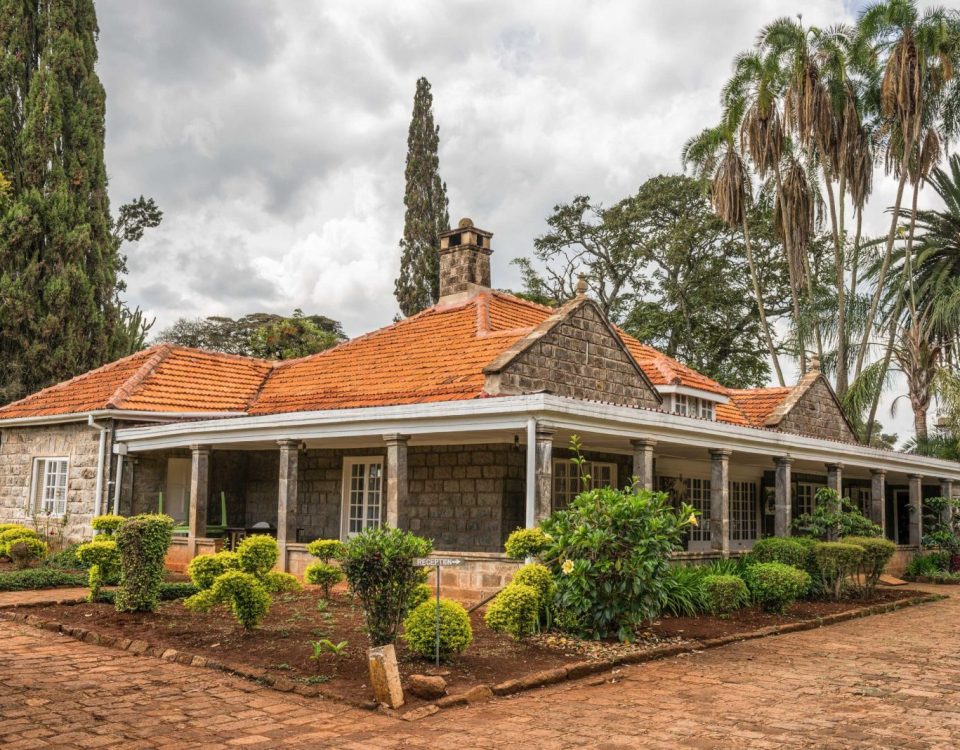
Karen Blixen Museum
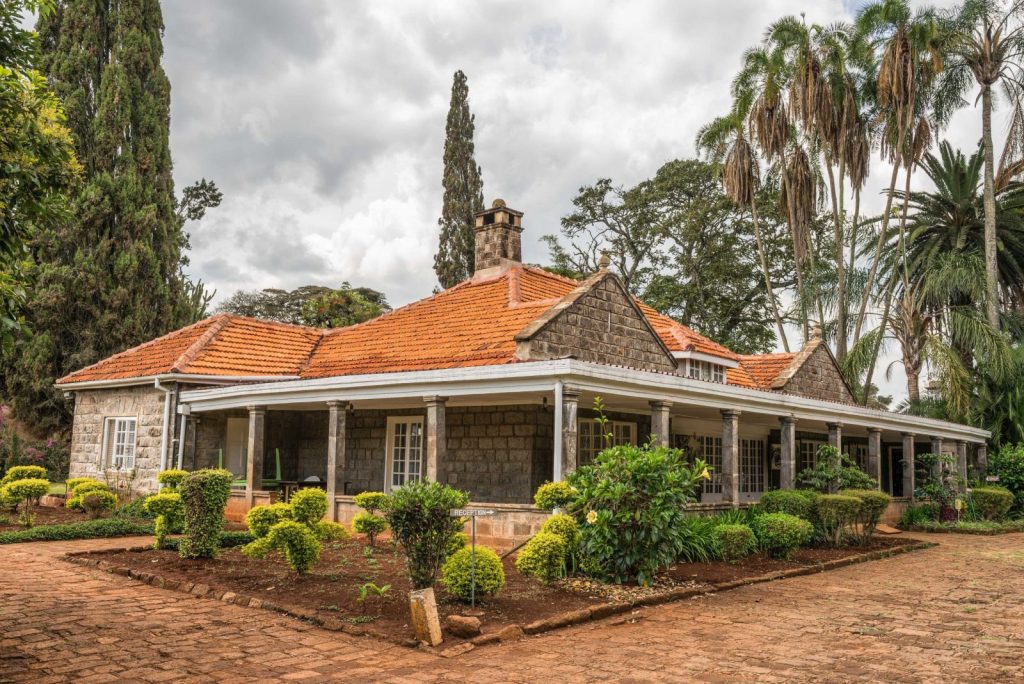
Karen Blixen Museum introduces visitors to a colonial-era farmhouse associated with the Danish author of Out of Africa.
Combining the museum with Bomas provides opportunities to explore different aspects of Kenya’s cultural and historical development.
Practical Tips for Visiting Bomas of Kenya
Arrive Before the Performance
Arriving early allows time for admission procedures and exploring the traditional villages.
It also helps you find a comfortable seat before the programme begins.
Carry Your Camera
Photography can help you remember the costumes, performances and architectural displays.
However, ask staff about photography restrictions and avoid using flash where prohibited.
Respect Cultural Traditions
The performances represent traditions that remain important to many Kenyan communities.
Treat performers respectfully and avoid making assumptions about communities based on a single presentation.
Dress Comfortably
Wear comfortable clothing and shoes suitable for walking around the village area.
Carry drinking water, especially during warmer weather.
Frequently Asked Questions
Is Bomas of Kenya worth visiting?
Yes. It is particularly worthwhile for travellers interested in traditional music, dance, architecture and Kenyan cultural history.
How long should I spend there?
Allow approximately three to four hours to explore the villages and attend the cultural show.
Is Bomas of Kenya suitable for children?
Yes. Children can enjoy the music, colourful costumes and energetic performances while learning about Kenyan traditions.
Are cultural shows held every day?
Daily performances are generally scheduled, although special events and operational changes may affect availability.
Can I visit without watching the show?
Visitors can explore the traditional homestead displays, but the live performance is the main reason many travellers visit.
Bomas of Kenya provides an enjoyable introduction to the country’s cultural diversity through traditional music, dance and architecture.
Visitors can watch skilled performers, explore reconstructed homesteads and learn about customs associated with different Kenyan communities.
For the best experience, confirm the performance schedule, arrive early and allow enough time to explore the grounds.
Whether you are visiting Nairobi for a short holiday or beginning a longer Kenyan safari, Bomas of Kenya makes a worthwhile cultural addition to your itinerary.