
Nairobi National Museum and Snake Park: A Rainy Day Plan
Rain does not have to interrupt your sightseeing plans in Kenya’s capital. Nairobi National Museum and Snake Park provide an excellent alternative when wet weather makes outdoor activities uncomfortable. Located together on Museum Hill, these attractions introduce visitors to Kenya’s history, wildlife, cultures and natural environment through fascinating exhibitions and live reptile displays.
Visiting Nairobi National Museum and Snake Park is particularly suitable for families, students and travellers who want an educational experience without spending several hours outdoors. Most museum galleries are indoors, allowing you to explore comfortably during rainy weather.
This guide explains what to see, entrance fees, opening hours and how to organise an enjoyable rainy day in Nairobi.
Overview of Nairobi National Museum
Nairobi National Museum is one of Kenya’s leading cultural and historical institutions.
Located on Museum Hill Road, near Nairobi’s central business district, the museum presents collections covering archaeology, human evolution, natural history, culture and Kenya’s development.
Its origins date to 1910, when naturalists established a collection to document the region’s natural heritage.
The original museum later developed into a major research and educational institution.
Following extensive renovations, Nairobi National Museum reopened in 2008 with improved exhibition spaces.
Today, the National Museums of Kenya manages the facility alongside several other museums and heritage sites.
Why Visit Nairobi National Museum on Rainy Days?
The museum provides a practical sightseeing option when Nairobi experiences heavy rainfall.
Most exhibitions are housed indoors, allowing visitors to explore without relying on favourable outdoor conditions.
You can spend several hours examining historical collections, learning about Kenyan communities and studying archaeological discoveries.
The adjoining Snake Park adds an interesting wildlife experience.
However, some areas of Snake Park and the surrounding gardens are exposed to the weather, so bring an umbrella or waterproof jacket.
A combined visit offers enough variety to occupy most of a morning or afternoon.
Main Attractions at Nairobi National Museum
Human Evolution Exhibitions
Kenya has played an important role in research into human origins.
The museum presents information about prehistoric discoveries, including fossils and stone tools recovered from important archaeological areas.
Exhibitions explain how researchers study ancient human relatives and reconstruct aspects of early life.
Visitors can learn about discoveries associated with the Lake Turkana region and other archaeological sites.
These displays are particularly valuable for students and travellers interested in archaeology.
Kenya’s Cultural Heritage
Kenya is home to numerous communities with distinctive traditions, languages and artistic practices.
The museum presents cultural objects, clothing, tools and information about different aspects of Kenyan society.
You can examine how communities developed agricultural practices, traditional crafts and social customs.
These exhibitions provide useful background before travelling to other parts of Kenya.
Take time to read the descriptions, as many objects have cultural meanings beyond their appearance.
Historical Exhibitions
The museum explores different periods in Kenya’s history, including colonial administration and the country’s path towards independence.
Visitors can learn about political changes, social developments and important historical events.
The displays provide a broader understanding of modern Kenya.
For travellers visiting Nairobi for the first time, this historical background can make other cultural attractions more meaningful.
Natural History Collections
Natural history exhibitions introduce visitors to Kenya’s diverse wildlife and environments.
Displays explain how animals have adapted to different habitats.
You can learn about mammals, birds and other species found across the country.
These collections are especially interesting if your itinerary includes national parks such as the Maasai Mara, Amboseli or Tsavo.
Art and Temporary Exhibitions
The museum also hosts artistic and temporary exhibitions.
These may feature photography, paintings, contemporary artwork or specialised cultural collections.
Exhibition programmes change, so check what is available during your visit.
Temporary displays can provide additional reasons to return to the museum.
Exploring Nairobi Snake Park
Nairobi Snake Park is located beside the National Museum and has operated since 1961.
The facility combines wildlife education, reptile conservation and research.
It houses several species of snakes and other reptiles, including animals that have been rescued or require specialised care.
The park introduces visitors to reptiles that are frequently misunderstood or feared.
Venomous and Non-Venomous Snakes
Snake Park displays different snake species, allowing visitors to observe their appearance and behaviour safely.
Exhibitions explain the differences between venomous and non-venomous snakes.
Visitors can learn about the ecological role snakes play in controlling rodent populations.
Never attempt to touch reptiles or approach restricted enclosures without staff permission.
Crocodiles, Tortoises and Lizards
The park also displays crocodiles, tortoises, turtles and lizards.
These animals provide opportunities to learn about reptile habitats, feeding habits and conservation challenges.
Children often find the variety particularly interesting.
However, adults should supervise young visitors throughout the experience.
Aquarium Displays
The aquarium section features freshwater and marine species.
Visitors can observe fish associated with Kenyan rivers, lakes and coastal waters.
Some collections also include species originating from other African freshwater environments.
These exhibitions add variety to the reptile displays.
Entrance Fees for Nairobi National Museum and Snake Park
The National Museums of Kenya revised its admission fees effective from 7 May 2026.
You can purchase separate tickets or a combined ticket covering both attractions.
| Visitor Category | Adult Combined Ticket | Child Combined Ticket |
|---|---|---|
| Kenyan and East African citizens | KES 600 | KES 300 |
| Residents and other African visitors | USD 15 | USD 10 |
| Visitors from outside Africa | USD 25 | USD 15 |
Separate museum and Snake Park admission options are also available.
Prices may change, so confirm the applicable charges before visiting.
Carry appropriate identification, particularly when claiming citizen or resident admission rates.
Opening Hours and Visitor Information
Nairobi National Museum generally opens daily from 8:30 am to 5:30 pm, including public holidays.
The adjoining Snake Park follows the museum’s regular visiting arrangements.
| Information | Details |
|---|---|
| Location | Museum Hill, Nairobi |
| Opening hours | 8:30 am–5:30 pm |
| Recommended duration | 3–4 hours |
| Main activities | History, culture, wildlife exhibitions |
| Suitable visitors | Families, students, travellers |
| Rainy day suitability | Mainly indoor attractions |
Allow extra time if you enjoy reading exhibition descriptions or attending guided presentations.
Suggested Rainy Day Itinerary
A relaxed visit allows you to explore both attractions without rushing.
| Time | Activity |
|---|---|
| 9:00 am | Arrive at Nairobi National Museum |
| 9:15 am | Explore human evolution exhibitions |
| 10:00 am | Visit cultural and historical galleries |
| 11:00 am | Examine natural history collections |
| 12:00 pm | Lunch or refreshments |
| 1:00 pm | Explore Nairobi Snake Park |
| 2:00 pm | Visit aquarium displays |
| 2:30 pm | Depart or explore additional exhibitions |
If rain becomes particularly heavy, spend longer inside the museum before moving to Snake Park.
How to Get to Nairobi National Museum
The museum is conveniently situated near Nairobi’s city centre.
Visitors staying around Westlands, Parklands or the central business district can usually reach it by taxi or private vehicle.
Travel time varies depending on traffic and your departure point.
Ride-hailing services provide a straightforward transport option.
If travelling during heavy rainfall, allow additional time because congestion and flooded sections of road may cause delays.
Public transport is also available around central Nairobi, although reaching the entrance may require walking.
Tips for Visiting During Rainy Weather
Carry Suitable Clothing
Bring a lightweight waterproof jacket or compact umbrella.
Closed shoes with reliable grip are useful because outdoor paths can become slippery.
Start with Indoor Exhibitions
If rainfall is heavy when you arrive, begin with the National Museum.
You can move to Snake Park when conditions improve.
Protect Electronic Equipment
Keep cameras, phones and other electronic devices inside waterproof bags when moving between buildings.
Travel Outside Peak Traffic
Nairobi’s traffic can become difficult during heavy rainfall.
If possible, avoid travelling across the city during the busiest commuting periods.
Consider a Guided Tour
A knowledgeable guide can explain archaeological discoveries and historical exhibits.
Confirm whether guiding services involve additional charges.
Combining the Museum with Other Nairobi Attractions
Karen Blixen Museum
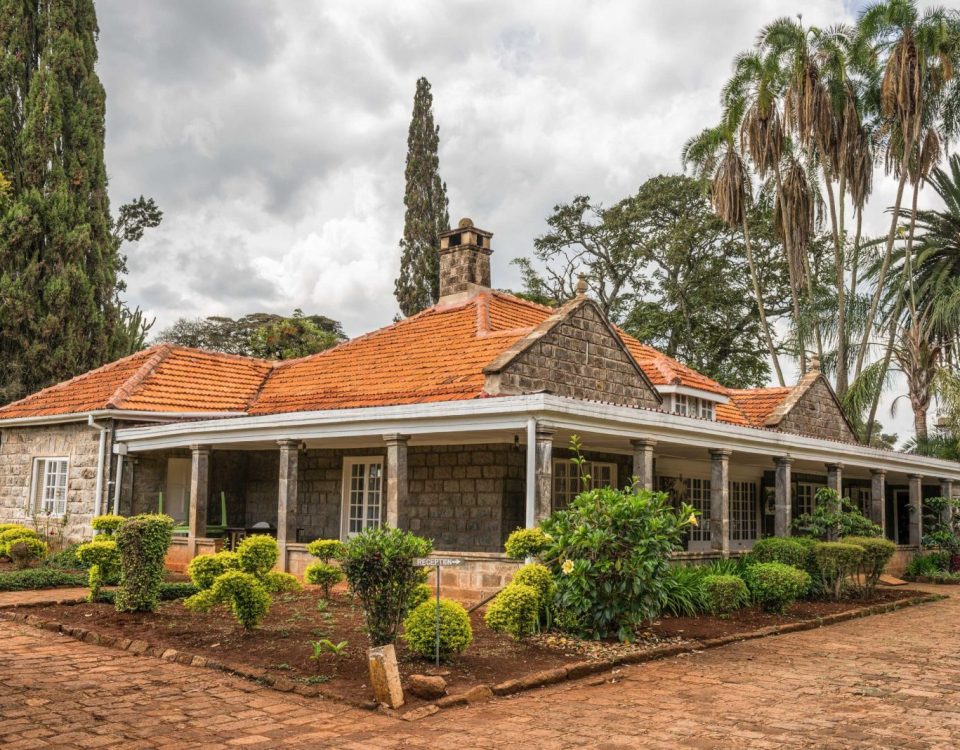
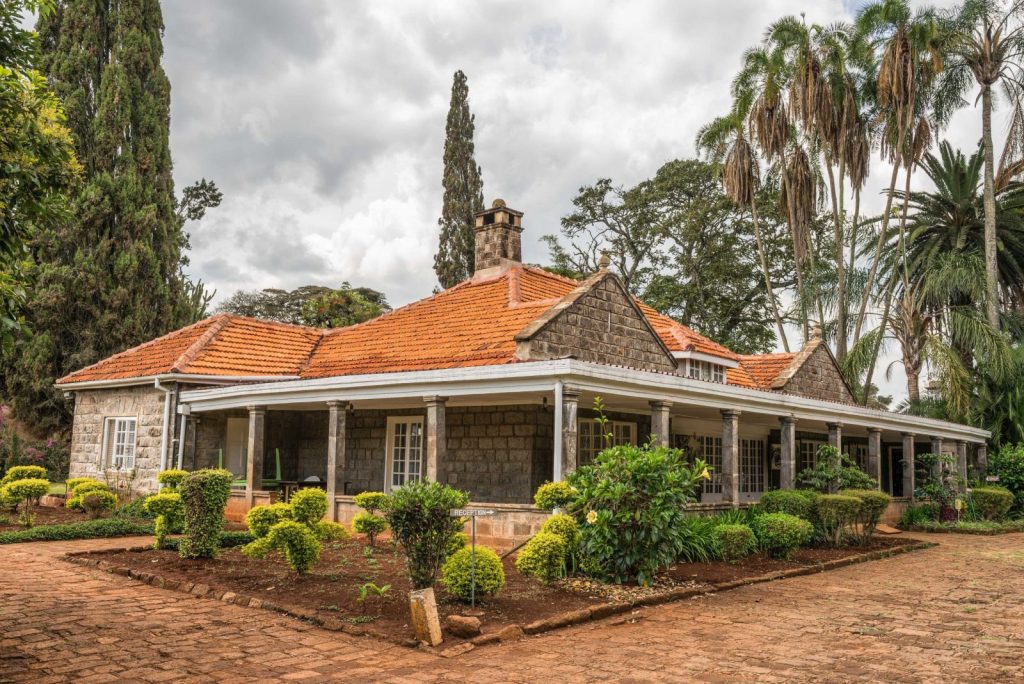
Karen Blixen Museum introduces visitors to the former home of the Danish writer associated with Out of Africa.
It provides another cultural experience, although travelling between the two museums requires additional time.
Giraffe Centre
The Giraffe Centre offers supervised feeding experiences involving Rothschild’s giraffes.
It is more suitable when the weather improves because much of the experience takes place outdoors.
Nairobi Gallery
Nairobi Gallery provides another opportunity to explore art and cultural collections.
Its central location makes it a possible addition when time allows.
Frequently Asked Questions
Is Nairobi National Museum suitable for children?
Yes. Children can learn about wildlife, history, archaeology and different Kenyan communities.
Parents should supervise them around exhibitions and reptile enclosures.
Can I visit both attractions using one ticket?
Yes. Combined admission tickets are available for Nairobi National Museum and Snake Park.
How much time should I allow?
Approximately three to four hours is suitable for a relaxed combined visit.
Is Snake Park completely indoors?
No. Some sections are outdoors or partially sheltered.
Carry rain protection during wet weather.
Can I take photographs?
Photography is generally possible in permitted areas.
Follow posted restrictions and ask staff before photographing sensitive exhibits.
Nairobi National Museum and Snake Park offer an educational alternative when rainy weather disrupts outdoor sightseeing.
The museum introduces visitors to Kenya’s archaeology, culture, history and wildlife, while Snake Park provides opportunities to observe reptiles and aquatic species.
For an enjoyable experience, allow three to four hours, consider purchasing a combined ticket and begin with indoor exhibitions during heavy rainfall.
Together, these attractions make a practical and informative addition to your Nairobi itinerary.