Karen Blixen Museum in Nairobi: Is It Worth the Stop?
The Karen Blixen Museum in Nairobi is one of Kenya’s best-known historical attractions, offering visitors an opportunity to explore the former home of Danish author Karen Blixen. Located in the peaceful Karen suburb, the museum preserves a colonial-era farmhouse, historical furniture, coffee farming equipment and gardens overlooking the Ngong Hills.
Visiting Karen Blixen Museum Nairobi is particularly interesting for travellers who enjoy literature, architecture and cultural history. The house became internationally recognised through Blixen’s memoir Out of Africa and its famous 1985 film adaptation.
But is the museum worth including in your Nairobi itinerary? This guide explains its history, attractions, entrance fees, visiting hours and what makes the experience worthwhile.
Overview of Karen Blixen Museum
The Karen Blixen Museum occupies a historic farmhouse in Nairobi’s Karen neighbourhood, approximately 10 kilometres from the city centre.
The house was constructed in 1912 and later acquired by Karen Blixen and her husband, Baron Bror von Blixen-Finecke, in 1917.
Blixen lived there until 1931 while managing a coffee plantation during Kenya’s British colonial period.
The property eventually became a museum under the National Museums of Kenya.
Today, visitors can explore furnished rooms, historical displays and landscaped grounds while learning about life in early twentieth-century Kenya.
The museum is especially popular among readers of Out of Africa, history enthusiasts and visitors exploring Nairobi’s southern suburbs.
The History Behind Karen Blixen Museum
Who Was Karen Blixen?
Karen Blixen was a Danish writer born in 1885.
She travelled to Kenya in 1914 and became involved in coffee farming alongside her husband.
Following difficulties in her marriage, she continued managing the plantation while developing relationships with local communities and other European settlers.
Life on the farm presented numerous challenges, including financial difficulties, unpredictable agricultural conditions and personal losses.
In 1931, Blixen returned to Denmark after the coffee business failed.
She later published Out of Africa in 1937 under the pen name Isak Dinesen.
The book describes her experiences in colonial Kenya, including the landscapes, people and relationships that shaped her years there.
The Influence of Out of Africa
Blixen’s memoir gained international recognition for its descriptions of life in Kenya.
The 1985 film adaptation, starring Meryl Streep and Robert Redford, introduced her story to a wider audience.
The film increased interest in the farmhouse and surrounding landscape.
Today, the museum attracts visitors who want to understand the historical setting associated with the book.
However, visitors should remember that Blixen’s account represents one European settler’s perspective.
Kenya’s colonial history also includes African experiences of land dispossession, unequal labour relations and political exclusion.
Considering these wider circumstances provides a more balanced understanding of the period.
What to See at Karen Blixen Museum
The Historic Farmhouse
The main attraction is the preserved farmhouse where Karen Blixen lived.
Its simple architecture reflects the domestic style of European settlers during the early twentieth century.
Inside, you can explore rooms containing historical furniture, household objects and decorative pieces.
Guides explain how the rooms were used and describe everyday life on the coffee plantation.
The house offers an interesting comparison with modern Nairobi, particularly because much of the surrounding neighbourhood has changed considerably.
Furniture and Personal Collections
The museum displays furniture and objects associated with Blixen’s time in Kenya.
Visitors can examine antique furnishings, kitchen items, books and other historical materials.
Some exhibits help explain how European households operated during the colonial period.
Pay attention to the descriptions provided by museum guides, as these connect the objects with the people who used them.
Coffee Farming Equipment
Coffee farming formed an important part of Blixen’s life in Kenya.
The museum preserves equipment associated with plantation operations, offering an introduction to agricultural practices during the colonial period.
Visitors can learn about coffee cultivation, processing and the financial difficulties faced by the enterprise.
These displays also provide an opportunity to consider the African workers whose labour supported plantation agriculture.
Gardens and Ngong Hills Views
The farmhouse stands within attractive gardens containing mature trees and open lawns.
On clear days, visitors can enjoy views towards the Ngong Hills.
The grounds provide pleasant opportunities for walking, photography and relaxation.
Birdwatchers may also appreciate the trees and gardens surrounding the property.
Visiting Karen Blixen Museum Nairobi: Practical Information
The museum is managed by the National Museums of Kenya and welcomes visitors throughout the year.
It generally operates daily between 8:30 am and 5:30 pm, including public holidays.
Most visitors need approximately one to two hours to explore the house and grounds comfortably.
| Visitor Information | Details |
|---|---|
| Location | Karen, Nairobi |
| Opening hours | 8:30 am–5:30 pm |
| Days open | Monday to Sunday |
| Recommended duration | 1–2 hours |
| Main attraction | Historic farmhouse |
| Other activities | Guided tours, gardens, photography |
| Management | National Museums of Kenya |
You can visit independently, although a guided explanation is useful for understanding the displays and historical background.
Karen Blixen Museum Entrance Fees
The National Museums of Kenya introduced revised admission rates effective from 7 May 2026.
The published adult and child rates for Karen Blixen Museum are:
| Visitor Category | Adult | Child |
|---|---|---|
| Kenyan and East African citizens | KES 550 | KES 300 |
| Residents and other African visitors | USD 9 | USD 6 |
| Visitors from outside Africa | USD 17 | USD 8 |
Charges may change, so confirm the applicable rate before travelling.
Visitors should also carry identification supporting their admission category.
The museum uses the National Museums of Kenya electronic ticketing system, and cash payments are not accepted.
How to Get to Karen Blixen Museum
From Nairobi City Centre
The museum is located in Karen, southwest of central Nairobi.
Travel usually takes approximately 30–60 minutes by vehicle, depending on traffic conditions.
A taxi, ride-hailing service or private safari vehicle provides convenient transport.
If travelling during morning or evening rush hours, allow additional time.
From Karen and Lang’ata
Travellers staying in Karen or Lang’ata can reach the museum relatively easily.
This makes it suitable for visitors who want to combine several attractions within the same neighbourhood.
Public transport is available in the wider area, although you may need a connecting taxi to reach the museum entrance.
Best Time to Visit Karen Blixen Museum
The museum is open throughout the year.
Morning visits are generally comfortable because temperatures are cooler and the grounds may be quieter.
Arriving between 9:00 am and 11:00 am allows time to explore before continuing to other attractions.
Nairobi experiences relatively mild temperatures compared with many other East African cities.
However, rainfall can affect outdoor sightseeing, particularly during the wetter periods around March to May and October to December.
Carry comfortable shoes and a lightweight jacket when necessary.
Is Karen Blixen Museum Worth Visiting?
The museum is worth visiting if you enjoy historical buildings, literature, colonial history or peaceful gardens.
It provides a different experience from Nairobi’s wildlife attractions.
Rather than focusing on animals, the museum introduces visitors to the domestic and agricultural history of colonial Kenya.
However, expectations matter.
The museum is relatively small, and its main attractions are historical rooms, objects and gardens.
Travellers expecting extensive interactive exhibitions may find the experience limited.
If your schedule is extremely short and wildlife is your main priority, Nairobi National Park or the Giraffe Centre may be more suitable.
For visitors interested in Kenya’s historical development, Karen Blixen Museum makes a worthwhile stop.
Combining the Museum with Nearby Attractions
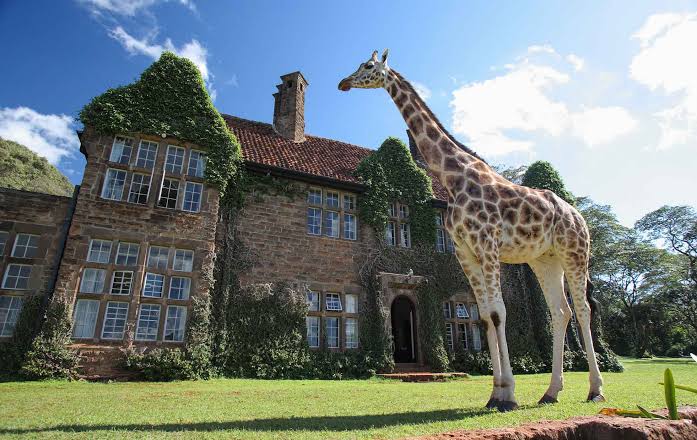
Giraffe Centre
The Giraffe Centre allows visitors to observe and feed Rothschild’s giraffes under staff supervision.
Its location makes it convenient to combine with Karen Blixen Museum during a half-day excursion.
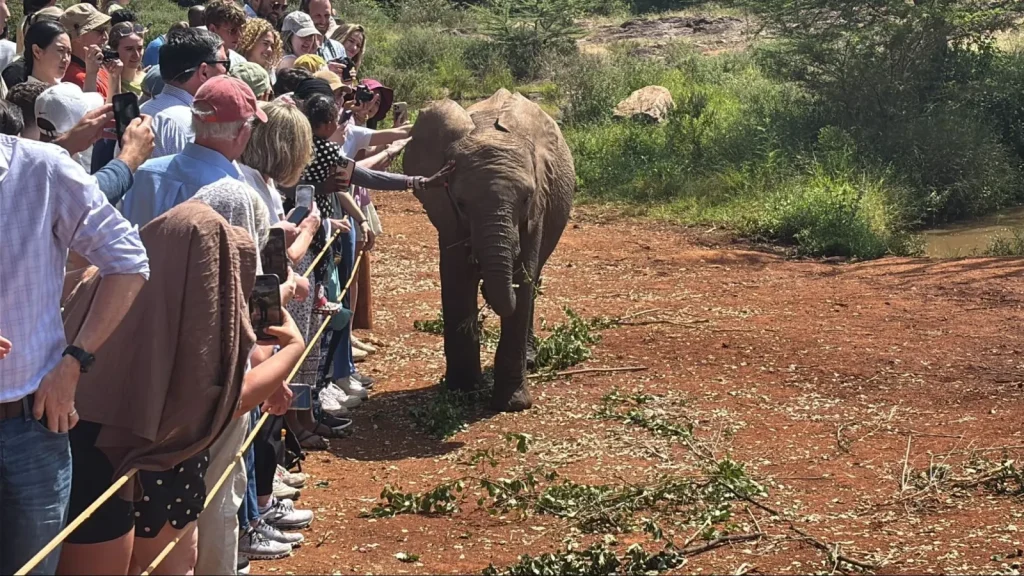
David Sheldrick Elephant Orphanage
The Sheldrick Wildlife Trust’s Nairobi Nursery offers a scheduled public session featuring rescued elephants.
Advance booking is compulsory, and the visit runs from 11:00 am to noon.
You can visit Karen Blixen Museum afterwards.
Nairobi National Park
Nairobi National Park offers game drives with opportunities to observe giraffes, zebras, buffaloes, rhinos and other wildlife.
Combining a morning game drive with an afternoon museum visit creates a varied Nairobi itinerary.
Suggested Half-Day Itinerary
| Time | Activity |
|---|---|
| 9:00 am | Arrive at Karen Blixen Museum |
| 9:15 am | Explore the historic farmhouse |
| 10:00 am | View coffee farming exhibits |
| 10:30 am | Walk around the gardens |
| 11:00 am | Photography and refreshments |
| 11:30 am | Depart for another attraction |
The programme can be adjusted depending on traffic, available guides and your personal interests.
Practical Tips for Visitors
Wear comfortable shoes suitable for walking around the house and gardens.
Carry your identification and confirm current entrance arrangements before arriving.
Consider taking a guided tour to understand the exhibits and historical context.
Ask permission before photographing restricted interiors or individual visitors.
If you are travelling with children, explain the historical background in simple terms to make the experience more interesting.
Allow enough time to explore the grounds rather than rushing through the farmhouse.
Frequently Asked Questions
How long does a museum visit take?
Most visitors spend approximately one to two hours exploring the house, exhibitions and gardens.
Is Karen Blixen Museum suitable for children?
Yes. Children can learn about historical homes, coffee farming and Kenya’s colonial period.
Can I take photographs?
Photography is generally possible in permitted areas, although restrictions may apply to particular interiors or activities.
Is the museum close to the Giraffe Centre?
Yes. Both attractions are situated in Nairobi’s southern suburbs and can be combined conveniently.
Should I visit if I have never read Out of Africa?
Yes. The museum provides historical and cultural information that remains interesting without prior knowledge of the book.
Karen Blixen Museum is a worthwhile Nairobi attraction for travellers interested in literature, architecture and Kenya’s colonial history.
Its preserved farmhouse, historical collections and gardens offer a quieter alternative to the city’s wildlife experiences.
For the best visit, allow approximately two hours, take advantage of guided explanations and combine the museum with nearby attractions.
Although it may not suit every traveller, Karen Blixen Museum adds valuable historical context to a Nairobi holiday.