Ankole Cattle Culture: Longhorn Herds in Western Uganda
On the road towards Mbarara or Lake Mburo, you may see cattle with pale horns that spread wide before curving upwards. You can recognise an Ankole longhorn from a distance, but a visit to a working farm tells you more than a roadside photograph. You can ask why a farmer keeps certain animals for breeding, how the herd is managed through the dry season and what happens to the milk after milking.
Ankole cattle culture is closely associated with the Bahima pastoral tradition in western and south-western Uganda. Longhorn herds have provided milk, income and a way for families to hold wealth. They also carry cultural value, which helps explain why some farmers continue to keep them alongside cattle bred for higher milk yields. If your safari includes Lake Mburo National Park, a pre-arranged visit to a nearby farm is a practical way to hear a cattle keeper explain those choices.
What Makes Ankole Longhorn Cattle Distinctive?
The Ankole longhorn is an indigenous Ugandan cattle breed. Many animals have reddish-brown coats and pale horns, although coat colour, horn length and horn shape vary. Some horns spread out widely before turning up. Others have a narrower curve. You may also see cattle with much shorter horns in the same area. Not every herd you pass belongs to one breed.
A cattle keeper looks at more than horn size. Researchers working with Ugandan herders have documented breeding preferences that consider appearance alongside qualities such as milk production and the animal’s performance in the herd. Ask your host to point out two animals they would keep for breeding and explain why. Their answer may have more to do with the cow’s milk or the qualities of its calves than with the horns you noticed first.
How Ankole Cattle Culture Shapes Life on the Farm
Herds provide milk, income and a store of wealth
Cattle keeping has a long history among the Bahima, a pastoral community within Ankole. For many cattle-keeping families, the herd has served several purposes at once. Milk can feed the household or bring in cash. Animals can be sold when money is needed, and the herd can hold value over time. Research also documents the importance of cattle at ceremonies and the value farmers place on maintaining a herd they are proud of.
These traditions do not describe every Banyankole household. Ankole has a wider history of farming, trade and other work, and cattle keepers themselves run farms in different ways. Some sell much of their milk. Others maintain a smaller herd alongside a different source of income. When you visit, ask what the herd does for that household today. The answer tells you more than a general account of what cattle once represented.
Pasture and water shape the working day
A farm visit is a good chance to see decisions that are hard to notice from the road. What happens after the morning milking? Which animals go out to graze? Where do they drink when seasonal water sources run low? The answers depend on the farm, how much land it can use and the time of year.
If you can visit during a normal working morning, ask to watch the herd leave its enclosure or see how the farmer manages access to water. A short conversation beside a pasture can be enough to explain why a farmer rests one area, uses another or changes the routine in a dry month. The point is to see the work as it happens, even if that means watching one task rather than fitting several demonstrations into the same visit.
Farmers weigh up longhorns and dairy crosses
Some farmers in south-western Uganda cross Ankole cattle with Holstein-Friesians as part of their dairy business. Others maintain longhorn herds for their own combination of farming and cultural reasons. A higher milk yield can be attractive where a farmer has reliable buyers and can meet the animals’ feed, water and care needs. On a different farm, the priorities may be different.
Try asking, “Which cattle suit this farm best, and what makes them a good fit?” That question leaves room for the farmer to talk about costs, customers, family preferences and experience. It is more useful than asking which breed is best without considering where or how it is kept.
Milk, Ghee and Eshabwe
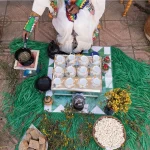
Milk is one of the clearest links between the herd and the household kitchen. Some farm visits explain how families churn milk products to separate butterfat and make ghee, a clarified butter. The demonstration may show you a stage of the process rather than the entire job. Ask what the family makes for its own meals and whether it sells any of those products.
Eshabwe is an Ankole sauce made with ghee. It is a good example of how a product from the herd becomes part of a meal. If you order it at a restaurant or taste it with a host, ask what it is served with and how that kitchen prepares it. Recipes and accompaniments can differ. If you avoid dairy, check what is in the sauce before you try it.
| What to see or taste | What it can teach you |
|---|---|
| A milking demonstration | How the farmer handles the cow and fits milking into the day |
| A dairy preparation demonstration | How a household turns milk into products that can be used or sold |
| Eshabwe with a meal | How ghee is used in Ankole cooking |
| A guided look at the herd | Why the farmer values particular animals beyond their appearance |
Where to See Ankole Longhorn Herds in Western Uganda
Book a working farm visit near Lake Mburo
The countryside around Lake Mburo National Park is a sensible place to add a cattle visit to a wildlife safari. Ask your lodge or guide about farms or community hosts in the surrounding area, including Kiruhura. A game drive takes place inside a protected area. A visit to a working herd needs a separate arrangement with the people who keep it.
Tell the organiser what you most want to see. If it is milking, ask what time the farm usually does it and whether you will arrive early enough. If your group is more interested in dairy preparation, ask whether the host can demonstrate ghee making. Confirm the cost, who receives the fee and whether tasting or transport is included. If you have only one morning, choose the activity that fits the farm’s routine and arrange your drive around it.
Visit Igongo Cultural Centre near Mbarara
The Igongo Cultural Centre at Biharwe, on the Mbarara–Masaka road, offers a museum introduction to Ankole and other communities in western Uganda. It is useful if you want historical context before visiting a farm or if your group prefers an indoor stop. Check its opening arrangements before travelling and ask whether a guided museum visit is available.
The two visits answer different questions. At the museum, you can ask how cattle feature in the region’s history. On the farm, you can ask how a family manages its herd now. If you have time for both, start with the museum or bring something you learned there into your conversation with the farmer.
How to Visit a Cattle Farm Respectfully
Follow the host’s instructions around the herd. Give the animals room to pass and never walk into an enclosure, stand in a gateway or approach a calf without permission. If you would like to try milking, ask the host first and accept that it may not be suitable. Watching a person who knows the cow can give you a clearer view of how the work is done.
Wear closed shoes that can handle dust or mud. Ask before photographing people, the inside of a home or farm equipment. If you want a photograph of the horns, take it from where the host asks you to stand and use your camera’s zoom. You do not need to move close to the animal or ask someone to interrupt the herd’s routine.
Frequently Asked Questions
Are Ankole longhorns wild animals?
No. They are domesticated cattle. You may see them grazing along a safari route, but a herd belongs to someone. Ask a host or guide to arrange access rather than entering grazing land yourself.
Where can I see longhorn cattle on a Uganda safari?
Look for a pre-arranged farm visit around Lake Mburo or in the wider Kiruhura and Mbarara area. If you want to watch milking or see how ghee is made, confirm the activity and timing before you travel.
Can children join an Ankole cattle farm visit?
Ask the host about age limits, walking surfaces and where children can stand to watch. An observation-only visit can work well for families. An adult should stay with younger children, particularly near livestock and gates.