Turkana People of Lake Turkana: Fishing and Pastoral Traditions
At a Lake Turkana landing site, the work continues after the boats come in. People sort the catch, mend nets, dry fish and arrange transport to market. Away from the shore, livestock keepers make a different set of decisions. They weigh up where their animals can graze, how far they must travel for water and which stock to keep close to home.
The Turkana people of Lake Turkana have long combined fishing, livestock herding and trade in different ways. Some households depend mainly on their animals. Others earn most of their income from fishing or selling fish. Some do both. If you want to understand that relationship during your visit, arrange a guided stop at Kalokol on the western shore and ask how work changes between seasons.
Who Are the Turkana People of Lake Turkana?
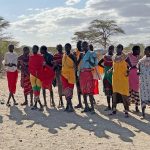
The Turkana are a community of north-western Kenya with a long history of pastoralism. Many live in Turkana County, but their homes and livelihoods extend well beyond the lakeshore. Lake Turkana itself borders both Turkana and Marsabit counties. Other communities share its shores, including the El Molo, who have their own fishing traditions. A visit on the eastern shore may introduce you to people with a different language, history and relationship to the lake.
The National Museums of Kenya documents how Turkana households near the lake and the Turkwel River have historically combined fishing or farming with livestock keeping. That is a useful detail for visitors. It shows that fishing and herding are not separate identities. One family may sell fish at a landing site while relatives tend livestock elsewhere. Another may depend on wages, retail trade or work that a short lakeside visit would never reveal.
Fishing Traditions on Lake Turkana
What fishers catch and how they work
Nile perch and tilapia are important to the Lake Turkana fishery. Fishers work from small boats, including canoes and motorised craft. Equipment and working hours vary with the crew, fishing grounds and conditions. From the shore, you may see people repairing nets, preparing a boat or unloading a catch. What you see on any given visit depends on when the crews return and whether conditions allow them to go out.
Ask your guide to help you identify the fish instead of guessing from their size. If a fisher has time to talk, ask which catch is usually sold fresh and which is more likely to be dried. That question connects what happens on the boat to what people do on land.
What happens after the catch comes in
Selling fish fresh depends on how quickly someone can buy it, transport it or keep it cool. Drying preserves part of the catch for buyers farther away or for sale later. At a landing site, look for the people who handle this part of the work. Studies of Turkana livelihoods document women mending nets, drying fish and selling it locally. These jobs may be less visible to visitors than launching a boat, but they help turn a catch into income.
Kalokol has long served as a trading point for fish landed on the western shore. A fish on sale there may have come from another landing site. If you want to learn where it was caught or how it was preserved, ask the seller. Keep out of the way while people unload boats or negotiate a sale, and save longer questions for a quieter moment.
Pastoral Traditions in Turkana County
How herders find pasture and water
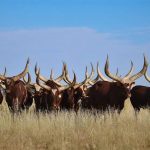
Turkana pastoralists raise animals such as goats, sheep, camels and cattle. A household may keep several kinds of livestock rather than relying on one. Depending on the animals and the season, herders may move part of the herd in search of pasture or water while others remain closer to home. Movement can be a deliberate way to manage scarce grazing, even when the family has a permanent base.
Ask a local guide what changes after rain. A route that herders use when grazing is good may be quiet in another season. Water also shapes these decisions. Lake Turkana’s water is alkaline and saline, so the presence of a large lake does not mean that households have a ready supply of drinking water. If your hosts are willing to discuss it, ask where they get the water they use each day. Their answer may differ from that of a family living only a short distance away.
How fishing and herding can support the same household
Fishing can become more important when poor grazing or drought reduces livestock income. Some people work on boats or sell fish while trying to rebuild their herds. Others stay in the fish trade because they have developed reliable buyers or prefer that work. Researchers have documented both a continuing commitment to herding among some fishers and substantial work done on shore by people who do not fish themselves.
| Work you might see | What it can tell you | A useful question to ask |
|---|---|---|
| A crew unloading fish | When boats return and how the catch reaches buyers | Who usually buys the fish at this landing site? |
| A trader drying part of the catch | How people preserve fish for later sale or longer journeys | Where is the dried fish sold? |
| Someone mending a net | How much work happens between fishing trips | Who repairs the gear when it is damaged? |
| Herders moving animals | How grazing, water and seasons affect decisions | Which animals stay near home at this time of year? |
Where to Learn About Turkana Life Respectfully
Kalokol for fishing and trade
Kalokol is a useful starting point if your main interest is fishing. Ask a local guide to arrange a visit to a working landing site or a conversation with a fish trader. Confirm whether visitors are welcome that day and when people are likely to have time to speak. You do not need to go out on a fishing boat to learn how a catch is landed, preserved and sold.
If you are travelling through Lodwar, ask your accommodation or guide to help you arrange transport and confirm the return journey. Leave some flexibility in your plans. A late boat or a quiet market may change what you see, but a conversation about how the landing site operates can still make the visit worthwhile.
Eliye Springs for a quieter lakeshore stop
Eliye Springs offers a different view of the western shore. If you are staying nearby, you can ask whether a locally guided outing includes time with people involved in fishing or trading. A lakeshore stay does not automatically include a community visit. Confirm who will host you and whether the activity suits your interests before you book.
If you plan to go on the water, ask in advance about the boat, weather conditions and properly fitting life jackets. Stay out of unfamiliar water. Lake Turkana is home to Nile crocodiles, and a quiet stretch of shore is not evidence that it is safe to swim.
How to Be a Considerate Visitor
Agree on the visit fee and what it covers before you arrive. Ask who will receive the payment and whether transport, translation or a demonstration costs extra. If you want to buy fish, a craft or another product, confirm that price separately. A purchase can be a good part of the visit, but it should not take the place of an agreed fee for someone’s time.
At a landing site, keep boat paths, sorting areas and drying racks clear. Do not pick up nets or fish unless someone invites you to. Ask each person before photographing them, even if your guide has said that general photography is allowed. If you plan to share a portrait online, explain that before taking it. A person who is happy to show you their work may still prefer not to appear in your photos.
Frequently Asked Questions
Are the Turkana people mainly fishers or herders?
The Turkana have a long pastoral tradition, but livelihoods vary. Fishing is important in some lakeshore communities, while livestock keeping is more central for many households farther inland. Even within one family, people can work in different trades.
Where should I go to learn about fishing on Lake Turkana?
For a visit focused on the Turkana people and the western shore fish trade, start with Kalokol. Arrange a guide or host in advance, and ask whether you can visit a landing site or speak with someone who processes or sells the catch.
Is a guided community visit the same as visiting a national park?
No. A park visit focuses on a protected area and its natural or archaeological features. A community visit depends on an invitation or arrangement with local hosts. A park booking does not give you access to homes, work areas or private gatherings.