Camel Safaris in Northern Kenya: Routes, Seasons, and Preparation
On a camel safari in northern Kenya, you may spend more time walking beside the camels than riding them. On some trips, the camels carry tents, water and kitchen equipment while you walk with a guide. On others, you ride for a short outing and return to the same lodge. Make sure you know which experience you’re booking, especially if riding is the main reason you want to go.
The best camel safaris in northern Kenya match your walking ability, interest in riding and comfort with camping. In Laikipia, you can choose a short ride or a multi-day trek across bush country towards the Ewaso Nyiro River. In Samburu County, Maralal is known for its camel derby, a separate sporting and cultural event. Here’s how to choose a route, plan around the seasons and prepare for the trip.
Camel Safaris in Northern Kenya at a Glance
| Experience | Where to look | What to confirm |
|---|---|---|
| Short camel ride | Lodge-based outings such as those offered at Ol Malo in Laikipia | Time in the saddle, mounting arrangements and age or weight limits |
| Walk or ride from a base camp | Tumaren and other Laikipia camp programmes | Whether riding time is included and whether everyone returns to the same camp |
| Multi-day camel-supported trek | Laikipia routes with camps set up along the way, including routes towards the Ewaso Nyiro | Daily walking distance, campsite facilities and vehicle access |
| Camel racing and cultural events | Maralal International Camel Derby, Samburu County | Dates for the edition you want, transport and accommodation |
Where to Go on a Camel Safari
Ol Malo: A short ride from a lodge
Ol Malo offers camel outings across the plains of Laikipia. A lodge-based ride is a practical choice if you want to try riding without committing to an overnight trek. It can also suit a mixed group. One person can ride while others make separate plans, provided the lodge can accommodate both.
Ask how long you’ll actually spend in the saddle. A two-hour outing can include a briefing, mounting and stops along the way. Find out whether a handler leads each camel or guides the group together. If you are unsure about mounting, ask the team to explain what happens when the camel kneels and rises. That movement can feel more unfamiliar than the ride itself.
Tumaren: A base-camp outing or a multi-day trek
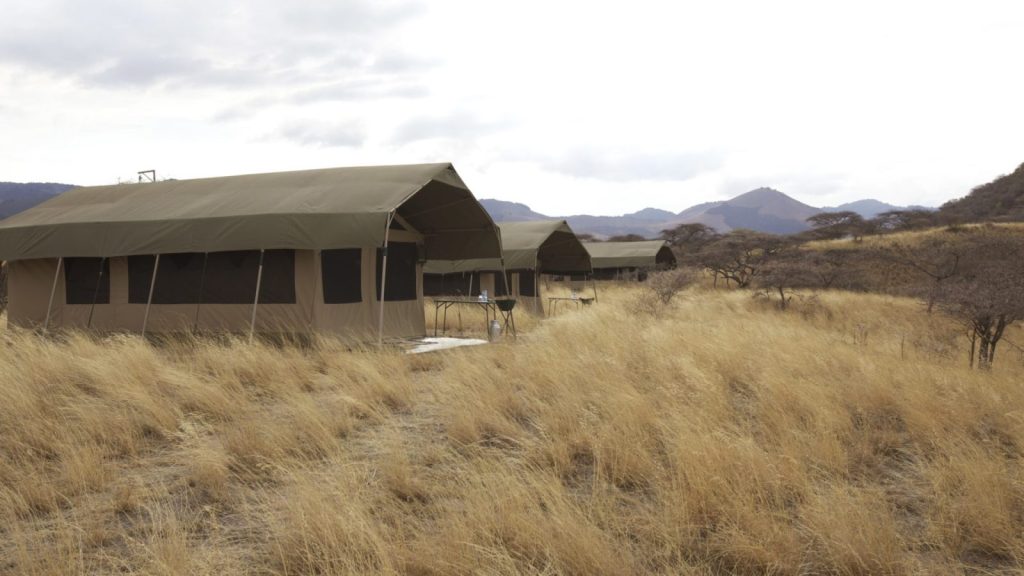
Around Tumaren in Laikipia, Karisia Walking Safaris offers both base-camp activities and mobile walking trips supported by camels. A base-camp stay lets you leave most of your luggage in one place and go out for shorter activities. It’s a good choice if your group wants to try a camel ride without walking to a different campsite each day.
On a mobile trip, the crew packs up the camp and takes the equipment ahead. You follow a route on foot with your guide and sleep at a new site. Some trips also have riding camels, but don’t assume that every guest can ride whenever they want. Ask how many are available for riders, how time in the saddle is shared and whether the team can arrange a different plan if you can’t finish the walk.
Ewaso Nyiro: A three-night walking route
One published three-night Tumaren itinerary passes through acacia bush and ends on the banks of the Ewaso Nyiro River. The operator lists roughly 10 to 12 kilometres of walking per day on that route. That is a useful benchmark when you’re deciding whether to book. On exposed or uneven ground, 10 kilometres can feel quite different from the same distance on a level path at home.
Ask whether that figure applies to the itinerary you’re buying. Find out how early the group starts, where you take breaks and which sections can be shortened. If you’re booking partly for wildlife, ask what you might see along the route, but choose the trip for the walking and camping as well. A river camp gives you time in a different habitat without guaranteeing an elephant sighting or any other encounter.
Maralal: A camel event rather than a trekking route
The Maralal International Camel Derby brings camel racing and cultural events to Samburu County. It suits travellers who want to watch the races or learn about local skills connected with camel keeping. It is a separate experience from walking across Laikipia with a camel-supported camp.
If Maralal is your priority, confirm the date and venue for the edition you want to attend. Ask what spectators can watch and whether a guided ride is available separately. A race entry or a festival ticket should not be treated as a booking for a camel safari.
Best Seasons for a Camel Safari
In much of Laikipia, the long rains usually fall between March and May, while the short rains often fall between October and December. Conditions vary through Samburu County and between higher ground and river valleys. Treat those periods as a guide, then ask your operator about the exact route on your dates.
January and February and June to September are useful periods to ask about if you prefer drier trails. Dry weather does not mean cool weather or easy walking. Open stretches can be hot and dusty, so ask whether the guide starts early, where you’ll find shade and how often you can refill your water.
Rain can bring greener scenery, but it can also soften access tracks and change river crossings or campsite plans. If you’re travelling during a wetter period, ask what the operator does when a route becomes unsuitable. A base-camp stay with shorter outings may offer more flexibility than a trek with a different campsite each night. If you’re connecting to a flight or another safari, leave some room for a delayed road transfer.
How to Prepare for a Camel Safari
Choose the walking distance you can repeat
For a multi-day trek, think about how you feel after walking on uneven ground two days in a row. Practise in the shoes you intend to bring, carrying your usual day bag with water. If you need regular breaks or have difficulty stepping up or down, explain that before paying. Tell the operator whether you are happy walking every day or want some guaranteed riding time.
For a first ride, follow the handler’s instructions when mounting, sitting and getting off. Ask where to keep your feet and what to do if you want to stop. Wear long trousers and closed shoes. If you want a photograph, wait until the handler says it’s safe rather than trying to manage your phone while the camel is rising.
Pack for the walk and the overnight separately
Keep water, a brimmed hat, sunscreen and a light layer in a small day bag. Broken-in walking shoes are more useful than new boots bought for the trip. If you’re camping, pack a head torch and a warmer layer for the evening. Keep anything you may need before reaching camp with you, rather than sending it ahead with your overnight bag.
Ask what the crew supplies. Bedding, towels, showers and toilets can vary between a lodge and a mobile camp. Confirm luggage limits, especially if your itinerary includes a light-aircraft flight. The camp may accept a bag that the airline won’t, so pack for the most restrictive part of your route.
Check guide support and camel care before paying
Get the starting point, finishing point and transfer plan in writing. Ask how the guide communicates with the support crew, whether a vehicle can reach the route and what happens if a guest needs to stop. Check current travel advice for the exact roads you’ll use, and confirm that your insurance covers the activities you’ve booked, whether that’s camel riding, guided trekking or both.
Ask how the team matches camels to riders and manages loads, rest and water. Find out what happens if a camel is sore, tired or unsuitable for a particular guest. A good operator should be able to explain its decisions without rushing you into a booking.
Frequently Asked Questions
Do you have to ride a camel on a camel safari?
No. On a camel-supported walking safari, the camels may carry the camp while you walk. If riding is important to you, ask how much saddle time is included or book a dedicated ride.
Can children join a camel safari?
Some operators accept children on selected routes. Confirm separate requirements for riding, walking and camping. If you’re unsure whether your child will enjoy it, a short outing from a lodge gives you a chance to try the activity before committing to several days.
What should I ask for if I only have half a day?
Ask for a short guided ride or a walk from a fixed camp. Confirm how much time you’ll spend riding, how long the road transfer takes and whether you’ll finish in time for your next booking. A short ride near your accommodation often makes more sense than a long drive to fit one in.