Fly Camping on Safari: How It Works and Who Should Try It
Fly camping on safari means spending a night at a small, temporary bush camp. You might walk there with a guide while the crew takes your overnight bag ahead, then find a simple tent, a meal and a basic toilet waiting for you. In the morning, you return to your main camp or continue your safari. No flight is required.
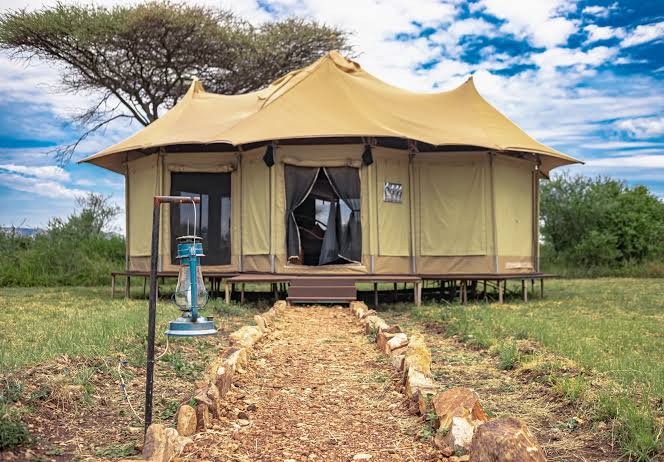
The detail that matters most is what the operator means by fly camp. One company might provide a mesh sleeping tent with a separate rain cover. Another might offer a lightweight dome tent, a raised camp bed and a bucket shower. Ask what you’ll sleep in, how you’ll reach the site and what happens if the weather changes. If you’re curious but unsure how you’ll sleep, start with one night rather than booking a longer walking safari.
How Fly Camping on Safari Works
You leave your main camp for a night
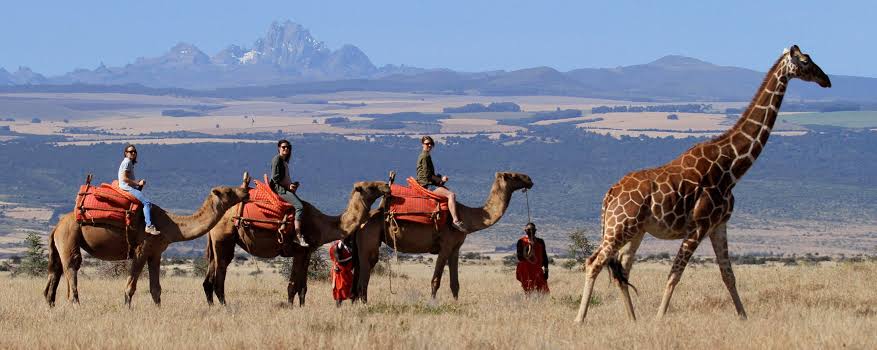
A fly camp is often an overnight addition to a stay at a lodge or a permanent tented camp. You pack a small bag with what you need until morning. The crew may take bedding, food, water and overnight bags ahead while you walk to the site with a guide. Some operators use a vehicle for all or part of the journey, so confirm whether walking is required.
If there’s a walk, ask how far it is and what sort of ground you’ll cover. A short route across loose sand or uneven ground can feel quite different from the same distance on a level track. Ask whether a vehicle can collect you if you need to stop early, and confirm what happens to the rest of your luggage and whether you keep your main camp room overnight.
The crew prepares the site before you arrive
Your guide will usually explain the layout once you reach camp. Find out where the toilet is, who to call after dark and whether someone must escort you when you leave your tent. Ask these questions while there’s still daylight. You don’t want to be working out where to go after you’ve gone to bed.
The crew may serve dinner at a simple table or in a shared area near the tents. Once you turn in, the experience is mostly about being outside and hearing what’s around you. You may hear insects, birds or animals moving in the distance. The crew cannot promise a particular wildlife sighting, and it’s worth choosing the experience because you enjoy the setting itself.
You return or continue the safari in the morning
Some itineraries include an early walk back to the main camp. Others finish with a vehicle pickup after breakfast. Confirm which applies, especially if you have a light-aircraft flight or a long road transfer the following day. Ask whether the team can get you back if weather delays the morning walk. If your connection cannot move, leave a buffer or choose a different night for the fly camp.
What Is Usually Included in a Fly Camp?
There’s no single standard for beds, bathrooms or power. Ask the operator to describe the setup for your actual booking rather than relying on photographs of another site.
| Feature | What you might find | What to ask before booking |
|---|---|---|
| Shelter | A lightweight tent, a mesh sleeping tent or a setup with a removable rain cover | What protection is available if it rains or gets windy? |
| Bedding | A mattress or camp bed with bedding | Is the bed raised, and can I get in and out easily? |
| Toilet | A simple bush toilet, which may be shared | How far is it from the tent, and do I need an escort after dark? |
| Washing | A basin or bucket shower, depending on the camp | Is a shower included, and will there be warm water? |
| Meals and water | Meals and drinking water supplied by the crew | Can you accommodate my dietary needs, and which drinks are included? |
| Lighting and power | A lantern or head torch, with limited or no charging | What lighting is supplied, and is there power if I need it? |
If you use equipment that needs power overnight, check the exact setup before paying. A charging point at your main lodge doesn’t tell you what’s available at a temporary site. The same applies to bathroom access. If you need a nearby toilet with level access, ask for a clear description rather than assuming that “private camp” means “private bathroom”.
Who Should Try Fly Camping?
It suits travellers who enjoy simple camping
Fly camping is a good choice if you enjoy the idea of walking with a guide, eating outside and spending a night away from the main lodge. The walk gives you time to look at things you might pass in a vehicle, such as tracks in the sand or signs of animals feeding. Once you arrive, a simple meal and an unhurried evening may be all you want.
You don’t need to be an experienced camper if the crew handles the setup and you’re comfortable with the facilities. Ask what you’re expected to carry and how much walking is involved. If you haven’t slept in a small tent before, ask to see a photograph of the sleeping area, including the entrance and the bed. Those details tell you more about your likely comfort than a description of the view.
Some travellers will be happier at the main camp
Think twice if you need a private bathroom close to your bed, reliable electricity or a very quiet place to sleep. A lightweight tent can be harder to enter than a permanent safari tent. If you have concerns about walking on uneven ground, getting up from a low bed or reaching the toilet at night, discuss them with the operator. Ask what can actually be adapted at the site.
For children and teenagers, confirm the minimum age for both the walk and the overnight stay. The two rules may differ, and an operator that welcomes young guests at its lodge may set a higher age limit for fly camping. If your family isn’t ready for the overnight, ask about a shorter guided walk or keep the main tented camp as your base.
Where to Try Fly Camping in East Africa
Tanzania: Nyerere and Katavi
Operators have offered fly camping in Nyerere National Park and Katavi National Park as an addition to a stay at a main camp. Availability depends on the itinerary, the season and the site the team can use. If you’re comparing two Tanzania safaris, ask which nights can include fly camping and whether the outing is a standard part of the package or an optional extra.
Kenya: Laikipia
Some camps in Laikipia offer a guided walk to a temporary camp and a walk back the next morning. Ask how long each leg takes, whether a support vehicle is available and whether the experience is private or shared with other guests. If you want the bush overnight more than the walk itself, ask whether a shorter route or vehicle transfer is possible.
What to Pack and Confirm Before You Go
Pack a head torch, closed shoes, a warm layer and a small bag for anything you’ll need before you return. Ask whether the operator provides bedding, towels and drinking water. Keep any essential personal items in your own bag rather than assuming you can retrieve them from the lodge later.
Before paying, confirm the total cost and whether it covers the guide, meals, transfers and any applicable park or campsite charges. Ask who stays at the site overnight, how the crew communicates with the main camp, and what the team does if conditions make the outing unsuitable. Get the cancellation or alternative arrangements in writing. If the operator moves you back to the main camp, you should know whether the fly camping fee is refunded, credited or treated as part of the package.
Frequently Asked Questions
Is fly camping the same as a fly-in safari?
No. A fly-in safari uses light aircraft to travel between destinations. Fly camping is a temporary overnight camp. You can do both on the same trip, but you don’t need to fly to reach a fly camp.
Do you sleep in the open?
It depends on the operator. Some use mesh tents with a rain cover, while others use lightweight canvas or dome tents. If you want a fully enclosed tent, confirm that before booking.
Can I try fly camping for just one night?
Yes, where the operator offers a single overnight as an add-on. One night lets you find out whether you enjoy the sleeping arrangements and simple facilities before committing to a longer walking itinerary.