Walking Safaris in Uganda: Where They Are Offered and How They Work
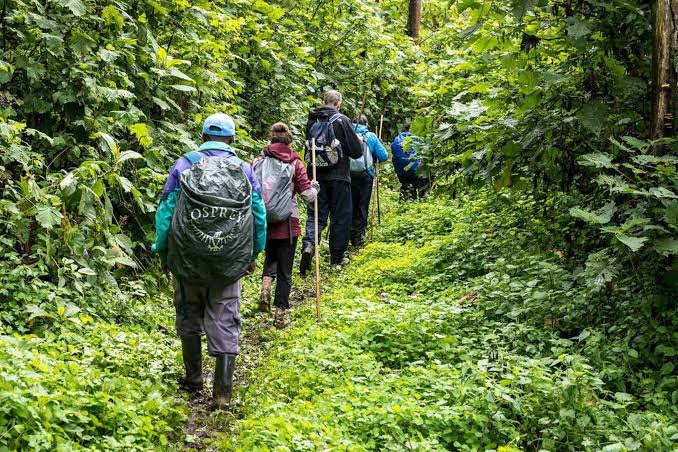
Lake Mburo National Park is a practical first choice for a walking safari in Uganda. You can arrange a guided outing through savannah and woodland, where you may see zebras or impalas and learn to notice tracks, calls and other signs that are easy to miss from a vehicle. If your trip already takes you to Kidepo Valley, ask about a park-led walk there rather than adding a separate destination just to walk.
Not all walking safaris in Uganda offer the same experience. A savannah walk at Lake Mburo, a rhino-tracking outing at Ziwa and a wetland walk at Bigodi all take place on foot, but they have different routes, wildlife and guiding arrangements. Choose the one that matches what you want to see, then confirm the distance, terrain and supervision before booking.
Where Walking Safaris in Uganda Are Offered
| Destination | Type of walk | Why choose it? |
|---|---|---|
| Lake Mburo National Park | Guided savannah and woodland walk | A first introduction to watching plains wildlife and reading animal signs on foot |
| Kidepo Valley National Park | Guided nature walks and separately listed hikes | A chance to explore part of a wider Karamoja safari on foot |
| Ziwa Rhino Sanctuary | Guided rhino tracking | An outing focused on observing southern white rhinos under ranger supervision |
| Bigodi Wetland Sanctuary | Community-guided wetland walk | A slower outing focused on birds, monkeys and wetland habitat |
| Toro-Semliki Wildlife Reserve | Guided nature walk | An option for looking at birds, primates and other wildlife in a reserve setting |
Lake Mburo: Start with a savannah walk
Choose Lake Mburo if you want to understand how a wildlife walk differs from a game drive. Your guide might stop to show you a hoofprint, point out birds in nearby trees or help you watch a group of zebras from a suitable distance. You won’t cover as much ground as you would in a vehicle, but that slower pace gives you time to look at details.
Ask for a walk that fits your group instead of assuming everyone follows the same route. If your group includes children or someone who prefers a shorter outing, request a shorter route and confirm that the park can accommodate it. If you have two nights nearby, consider a game drive on one outing and a walk on the next. They give you different ways to see the same landscape.
Kidepo Valley: Add a walk to a longer stay
Kidepo Valley National Park offers nature walks as well as hiking options. Ask park staff which route is available on your dates and whether it suits your group. A nature walk near your base and a hill hike are different outings, even if both are listed under walking activities. Check the walking time, the amount of climbing and whether you need a vehicle to reach the starting point.
If you’ve come a long way to reach Kidepo, avoid fitting the walk between two tight transfers. A free morning gives you room to work around heat, weather or a change of route. Combine it with a game drive if you want to explore farther into the park.
Ziwa: Track rhinos with a ranger
At Ziwa Rhino Sanctuary in Nakasongola, the focus is southern white rhinos. Visitors can track them on foot with rangers. Depending on where the rhinos are, the outing may involve a vehicle approach before you continue on foot. Ask how the visit works that day rather than assuming you’ll walk straight from reception.
Follow the ranger’s instructions on where to stand, how close to go and when to move away. A shorter walk does not mean you can treat it as a casual stroll. If you’re including Ziwa on the way to Murchison Falls, leave enough time for the briefing, the outing and your onward drive. Confirm any age requirements before promising the activity to children.
Bigodi and Toro-Semliki: Look beyond the open plains
Bigodi Wetland Sanctuary, near Kibale, suits visitors who want time for birds, monkeys and smaller details. The community organisation KAFRED runs guided visits. If you’re also booking chimpanzee tracking in Kibale National Park, treat these as separate activities. One takes you through a community-managed wetland, while the other follows a park trekking programme.
Toro-Semliki Wildlife Reserve is another option if you want a nature walk rather than a hike. Uganda Wildlife Authority describes opportunities to see birds and primates there, including ground hornbills, baboons and colobus monkeys. Ask which trail is in use and what the guide expects you to focus on. These walks are worth choosing for the habitat and the experience on foot, even if a particular species stays out of sight.
How a Guided Walking Safari Works
You meet your guide and get a briefing
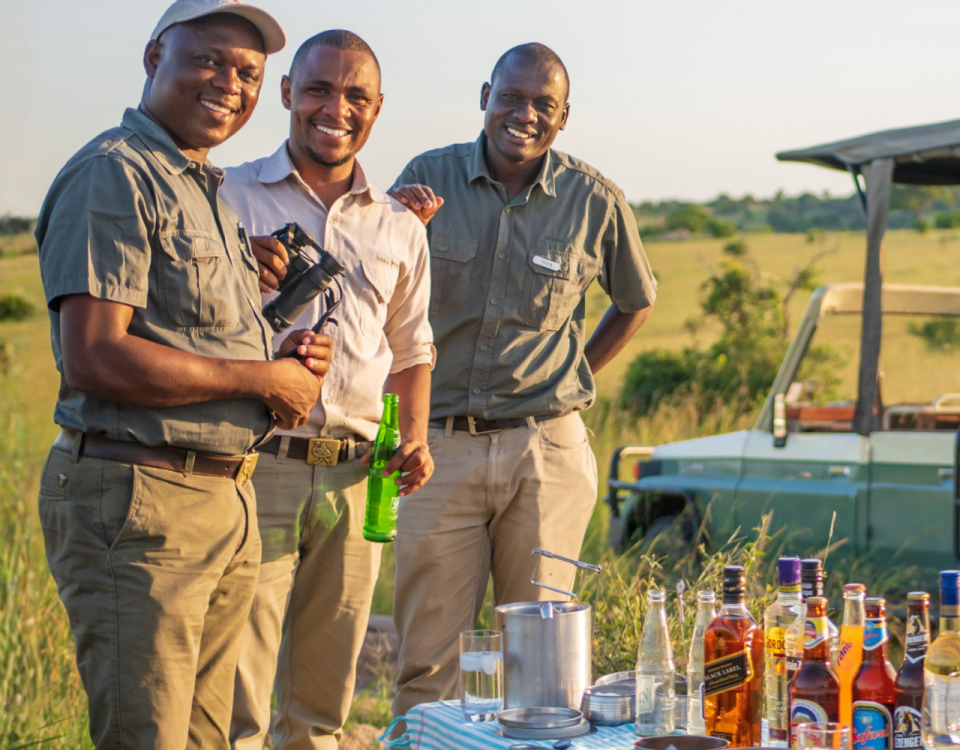
Ask where to report and who will lead the walk. In a national park, your safari driver may take you to the meeting point, but the park’s ranger or authorised guide may lead the outing itself. At a community site, a guide from the local organisation may lead the visit. Don’t assume a guide who takes you on game drives is also the person who can take you on foot.
Before departure, the guide should explain the route and how the group will move. Listen for instructions about staying together, keeping quiet near wildlife and stopping when asked. Say beforehand if you need regular breaks or find uneven ground difficult. The guide can use that information when discussing the route. It’s harder to adjust once everyone is on the trail.
The pace follows the terrain and wildlife
A walking safari is usually about noticing more within a smaller area, rather than covering the longest distance. You might stop to compare prints, listen to a bird or look at a plant the guide recognises. If wildlife is too close or the ground is unsuitable, the guide may wait, turn back or use another route.
Don’t step away from the group for a photograph or walk ahead to see what’s around a bend. If the guide asks you to leave a sighting, follow their instructions. Use binoculars for a better view rather than asking to move closer. A quiet view from farther away often gives you more time to watch an animal behaving normally.
What to Check Before You Book
Ask for the walking time as well as the total outing time. A three-hour outing may include a road transfer, a briefing and stops along the trail. Ask how far you’ll walk, whether there are steep or slippery sections and whether the route can be shortened. For a wetland walk, check how recent rain has affected the path.
Confirm the age requirements and equipment. There is no single age rule you should assume applies to every guided walk in Uganda. Ask about the exact activity and route. Bring closed shoes with grip, water and a hat. A light rain layer can be useful, and binoculars are generally more practical than carrying several lenses on a first walk.
Get the full price and meeting point in writing. Ask whether the quote covers park or sanctuary entry, the guide, transport to the starting point and any separate activity fee. Confirm what happens if rain or trail conditions force the organiser to change the plan. If you have a fixed transfer afterwards, mention it before you book rather than rushing the walk on the day.
Frequently Asked Questions
Is a walking safari better than a game drive?
They suit different goals. A game drive usually covers more ground and can be better for looking for a range of large animals. A walk gives you more time to study tracks, birds, plants and the places animals use. If you can do both, book a walk to complement a drive rather than expecting it to replace one.
Do you need to be very fit?
Not for every walk. Fitness matters less on a short nature trail than on a steep hike, but heat, mud and uneven ground can make a short distance feel longer. Ask for the expected distance and terrain instead of relying on a label such as “easy”.
Can you walk independently inside Uganda’s national parks?
Don’t assume so. Ask park staff which areas, if any, visitors can use without a guide. For a wildlife walk, book through the park or an authorised operator and follow the instructions for that route.