Reforestation Projects Near East African Parks: How to Visit and Support
A nursery visit can teach you more about forest recovery than a quick tree-planting stop. You can see which seedlings staff raise, ask why they choose certain species and find out who looks after the trees once they’re in the ground. At some sites you can plant a seedling, but only if the team has prepared a suitable plot and the conditions are right.
Reforestation projects near East African parks include lodge-based nurseries, community forest programmes and restoration led by park authorities. Some welcome guests by arrangement. Others are working sites that you can support without visiting. Before you add a stop to your safari, ask what you’ll be able to see, who runs the project and what your payment supports.
How reforestation projects near East African parks work
Reforestation helps restore tree cover where forest has been lost. Forest restoration has a broader goal. A team might plant a mix of native trees, protect seedlings that are already growing or remove invasive plants so the forest can recover. The right method depends on what grew there before and what’s stopping it from returning.
Near a park, a project might restore a strip of forest beside a stream, repair a degraded forest edge or help reconnect two patches of habitat. On nearby farms, growing trees alongside crops can provide shade or other benefits. That work can be valuable in its own right, but a farm planting programme and a project to restore native forest have different goals. Ask which one you’re supporting.
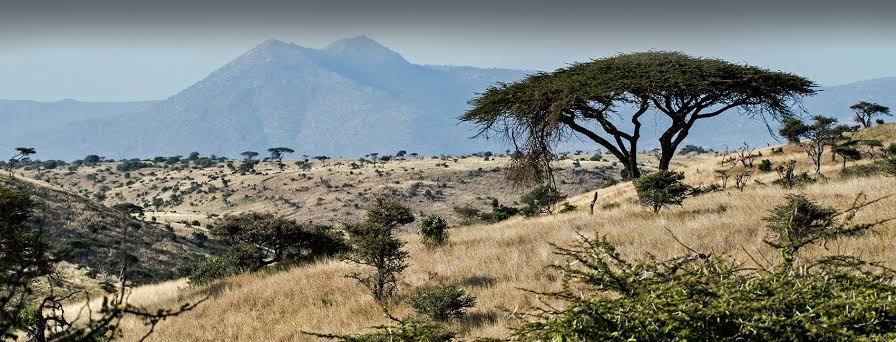
More tree cover isn’t always the right outcome. Natural grasslands and savannahs are habitats in their own right. An open area can look bare to a visitor without being damaged or in need of trees. A good project can explain why forest belongs on its particular site and why planting, rather than allowing natural regrowth, is useful there.
Where to visit or support a restoration project
| Country and project | What the project does | How to visit or support it |
|---|---|---|
| Uganda — Kibale Lodge nursery | Raises native seedlings for restoration on the lodge property near Kibale National Park | The lodge advertises nursery visits and planting for staying guests. Ask what is possible on your dates. |
| Kenya — Mount Kenya Trust | Works with Community Forest Associations and supports community-run nurseries that supply restoration projects | Support the trust’s restoration work or ask whether a working nursery can receive visitors by arrangement. |
| Rwanda — Akarabo Nursery and Garden | Raises plants for habitat restoration on former pasture near Volcanoes National Park | The project advertises nursery visits and planting for guests. Confirm access before adding it to your itinerary. |
| Tanzania — Rau Forest project near Moshi | Supports nursery work and native tree planting near Rau Forest in the Kilimanjaro region | Support the project directly or ask about a planned visit. Rau Forest is separate from Kilimanjaro National Park. |
Uganda — A nursery near Kibale National Park
At Kibale Lodge, the Volcanoes Safaris Partnership Trust offers staying guests a visit to its nursery near Lake Lugembe. The project raises indigenous trees for work on the lodge property. If planting is available, ask the team which species you’re planting, why it suits that spot and what care it will need through the next dry period.
This is separate from the forest restoration partnership between Uganda Wildlife Authority and Face the Future inside Kibale National Park. Don’t assume a nursery visit takes you into the park’s restoration plots or that a chimpanzee trekking permit gives you access to them. If you’re planning both a trek and a nursery visit, arrange them separately. Leaving the nursery visit for a quieter afternoon gives you time to talk with staff without rushing to your next activity.
Kenya — Community nurseries around Mount Kenya
Mount Kenya Trust works with the Kenya Forest Service and Community Forest Associations on restoration around the mountain. It also buys seedlings from community-operated nurseries. In its account of work in 2024, the trust reported buying 345,715 seedlings from 19 community-run nurseries. That’s a concrete example of how restoration spending can pay local growers as well as cover work at a planting site.
Treat these nurseries as workplaces, not walk-in attractions. If you’re already travelling in the Mount Kenya area, ask whether staff can host a short visit. If they can’t, you don’t need to change your route to support the work. A contribution towards nursery supplies, seedling purchases or aftercare may be more useful than a visit the team has to organise around its normal duties.
Rwanda — Akarabo near Volcanoes National Park
Akarabo Nursery and Garden supports work to restore former pasture near Volcanoes National Park. The project describes clearing invasive plants, using native trees and shrubs, and replacing plants that don’t survive. It also says it sourced planting material from local community nurseries as well as raising plants on site.
If you visit after a gorilla trek, ask what the team does between planting days. That might be the most useful part of the visit. Staff can explain which plants establish well, what happens when an invasive plant returns and how they decide whether a failed seedling should be replaced. Confirm whether the visit is available to non-resident guests before making a special trip.
Tanzania — Rau Forest near Moshi
In the Kilimanjaro region, Greenmanjaro describes supporting a nursery near Rau Forest and working with local youth on growing trees. If you’re spending time in Moshi before or after a climb, ask whether the project has a visit it can host on your dates. Don’t assume that a forest walk includes a nursery tour, or that the project forms part of your Kilimanjaro National Park fee. You can support the work even if you don’t have time to visit.
What to ask before you plant or donate
Ask what happens after planting
A tree count tells you how many seedlings went into the ground, not how many survived. Ask whether staff check survival after the first dry season and what they do if plants fail. Even a small project should be able to explain who waters or weeds the site, what they record and when they return. If the project is protecting natural regrowth instead, ask how it tracks that recovery.
Check who manages the land and receives the money
Ask who approved the restoration and who manages the site. This is especially useful if the land also supports farming, grazing or other community uses. Then ask whether your payment goes to the nursery, the restoration team, a lodge or a separate organisation. A visit fee may cover a guide’s time without funding tree care directly. A donation may cover staff wages, seed collection or tools rather than an individual tree. Those are legitimate costs when the project explains them clearly.
Be wary of guaranteed planting and vague carbon claims
A fixed promise that everyone can plant a tree, regardless of the season, is worth questioning. If the ground is too dry or the site isn’t ready, let the team postpone planting. Likewise, don’t treat a tree-planting fee as proof that you’ve offset your flights. Supporting forest recovery is a useful thing to do in its own right. A claim about offsetting emissions requires separate evidence and accounting.
Frequently asked questions
When is the best time to plant a tree on safari?
Ask the local project. Planting often takes place when rainfall gives seedlings a better chance to establish, but the timing varies by site and weather. A nursery visit can still be worthwhile even when there’s no planting scheduled.
Can I bring seeds or seedlings as a donation?
Use the project’s own planting material. The team knows which species and seed sources suit its sites. Moving plants or seeds across borders can also introduce pests and may require permits.
How can I help if I can’t visit?
Ask what the team needs over the next year. A contribution towards paid nursery work, replacement seedlings or follow-up monitoring can support work that continues long after a planting day. Give through the project’s official channel and ask whether it shares updates on the work you’re supporting.