Climate Change and East African Wildlife: What Travelers Should Understand
Climate change and East African wildlife are closely connected through water. Higher temperatures can dry soils faster and make a period of low rainfall harder on animals that depend on fresh grass. Heavy rain can have the opposite effect, replenishing wetlands and allowing herds to spread out. If rivers flood, however, some game-drive routes and camps can become temporarily inaccessible.
For travellers, the main lesson is simple. Use the usual seasons to choose when to go, then use recent local conditions to decide where to spend your time. A migration calendar can help you choose a region, but it cannot tell you where the herds will be on a particular afternoon. A dry-season booking does not guarantee that animals will gather at the waterhole closest to your lodge.
How climate change affects East African wildlife
Higher temperatures can make drought more severe
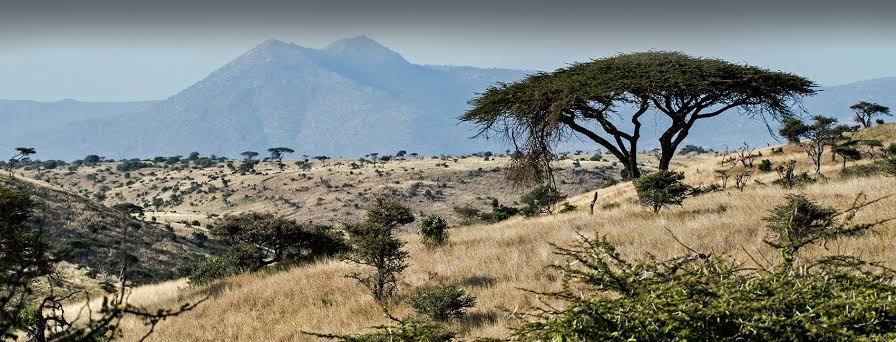
Drought is about more than the amount of rain that falls. Hotter conditions can increase how quickly water is lost from soil and vegetation. That leaves less moisture for plants and can reduce the pasture available to grazing animals. As smaller water sources dry up, animals may travel farther between food and water. A reliable river or wetland can become more important to wildlife, livestock and people at the same time.
Research into the 2021–2022 drought in the southern Horn of Africa found that higher temperatures made the drought more severe by increasing water loss from soil and plants. The researchers did not find a clear climate change effect on the combined rainfall total across the full period they studied. That distinction matters. Warming can make drought more damaging even when its effect on rainfall is harder to establish.
In a November 2022 statement, Kenya’s Ministry of Tourism and Wildlife reported 205 elephant deaths and 512 wildebeest deaths linked to drought between February and October in the areas it monitored. Amboseli, Tsavo and Laikipia–Samburu were among the most affected landscapes. Those figures describe one severe event, not what happens every dry season.
Heavy rain can restore habitat and disrupt access
Rain can refill seasonal pools, support fresh grass and give animals more places to feed. That may spread herds across a wider area. You might see fewer animals at one waterhole even though conditions have improved for wildlife overall. A quieter waterhole doesn’t necessarily mean there are fewer animals in the park.
Intense rain can also flood roads and crossings. During the 2024 long rains, flooding affected camps and lodges in Kenya’s Maasai Mara and led to evacuations. That was an extreme event, not a reason to rule out every wet-season safari. It’s a reason to ask your operator which roads and crossings your itinerary depends on, and what they’d change if one became unusable.
Why animal movements don’t follow a fixed calendar
The Serengeti–Mara wildebeest migration follows seasonal patterns in rainfall, grass growth and water availability. The broad pattern is useful when you’re choosing a base. The exact timing is less predictable. Rain may fall in one part of the landscape while another stays dry, and separate groups of wildebeest can respond differently. A herd can spend a day grazing near a river and leave without crossing it.
Climate change is one influence on these conditions. It isn’t an explanation for every early or late sighting. Rainfall varies naturally between years, and land use affects whether wildlife can reach good pasture. In Kenya’s Mara–Loita area, for example, settlement and fencing have restricted a wildebeest migration that is distinct from the Serengeti–Mara Great Migration. Even when rain falls in the right place, a herd may struggle to reach the fresh grass if its route is blocked.
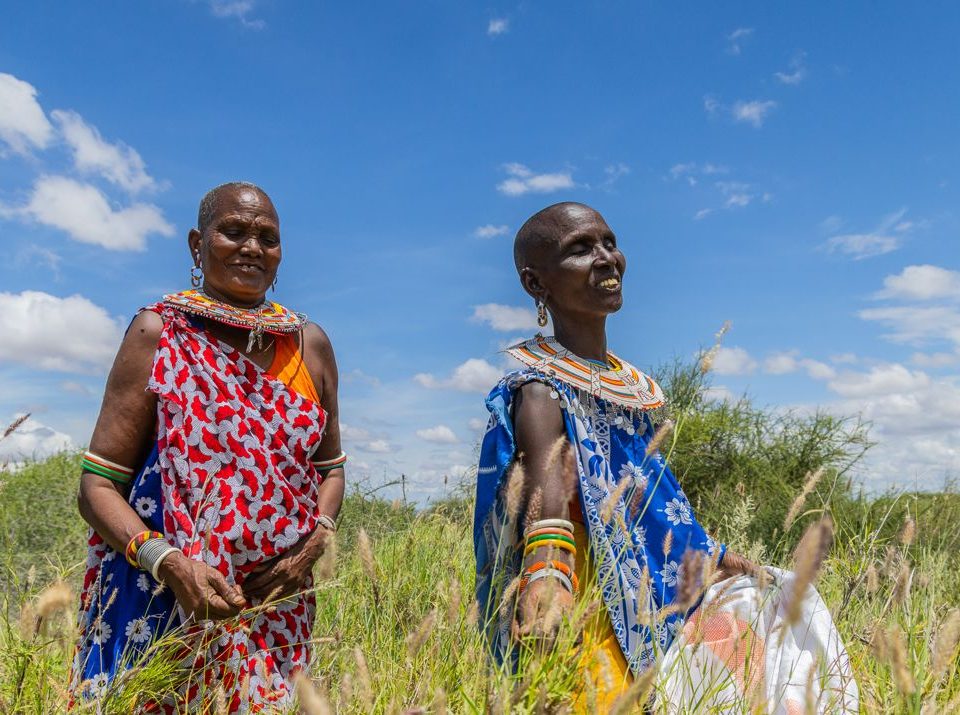
Elephants illustrate the same point in a different way. In the wider Amboseli landscape, keeping routes open between protected areas and surrounding rangelands gives animals more options as water and food availability change. Those routes can cross land that families also rely on for grazing or other uses. When you hear about a corridor project, ask how it keeps wildlife moving and how it involves the people who use the land.
What changing conditions can mean for your safari
| Conditions on the ground | What you might notice | How to plan |
|---|---|---|
| Several weeks of dry weather | Wildlife may gather near reliable water, while grazing becomes sparse elsewhere | Ask your guide which habitats are productive and leave animals room to approach water |
| Recent rain after a dry spell | Fresh grass may draw herds away from their usual dry-season areas | Choose a base with access to more than one game-drive area |
| Heavy rain or flooding | Some tracks, bridges or picnic stops may be inaccessible | Confirm an alternative route and leave time before a fixed transfer |
| Unusually hot days | Some animals may spend more time resting in shade during the hottest hours | Keep early and late drives flexible and allow for a midday break |
Choose an itinerary that works without one sighting
If the Great Migration is your main reason for travelling, allow several drives in the relevant area instead of relying on one river crossing. Ask what you’ll do if the herds are feeding elsewhere. Watching wildebeest gather, graze or move through open country can be more rewarding than waiting all afternoon for a crossing that never happens.
The same approach works on a shorter safari. Instead of changing lodges every night, consider two or three nights at one base with access to different habitats. A guide can use a second morning to revisit a wetland, try a woodland route or respond to what they saw the previous day. That flexibility is more useful than adding another park simply to increase the number of places on the itinerary.
Ask for local conditions close to departure
When you book, ask whether your lodge has an alternative approach road and what happens if an activity or transfer needs to change. In the week before you travel, ask for a fresh update. Useful questions include whether recent rain has affected your route, where guides have been finding wildlife and which activities are still running as planned.
If you’re connecting to a fixed flight after a remote stay, avoid a transfer that only works if everything runs on time. Ask your operator where a delay is most likely and whether an extra night near your departure airport makes sense. That’s particularly useful if your route depends on a single road or river crossing.
How travellers can support wildlife adaptation
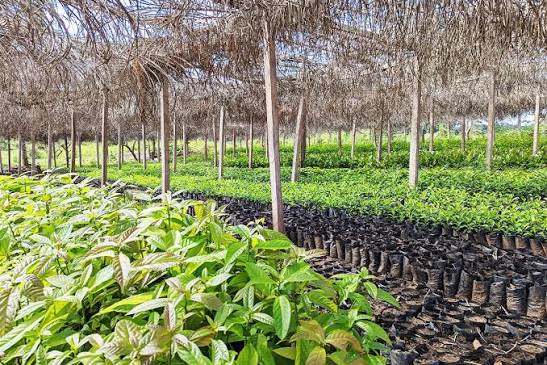
Look for conservation work that gives wildlife more room to respond to changing conditions. Protecting a route between feeding grounds and water, restoring damaged habitat or working with communities on grazing agreements can be more useful than a broad promise to “fight climate change”. If a lodge charges a conservation levy, ask who receives it and whether the lodge can name a project it helped fund.
Your choices during a sighting matter as well. In a dry spell, avoid asking your driver to move closer to animals gathering at water. Give them a clear route to drink and leave. After rain, accept a track closure instead of asking the guide to drive around it. You may miss one viewing spot, but your guide can use the time to look for wildlife somewhere accessible.
Frequently asked questions
Does climate change mean East Africa is getting drier everywhere?
No. Temperature and rainfall don’t change in the same way across every place or season. Higher temperatures can worsen moisture loss during a drought, while heavy rainfall can cause serious flooding. Conditions in northern Kenya tell you little about a particular week in western Uganda or southern Tanzania.
Is the traditional dry season still useful for planning?
Yes. Seasonal patterns are a sensible starting point, especially when comparing regions. Treat them as a guide rather than a guarantee. If wildlife viewing or road access is central to your trip, check recent conditions for the exact park and lodge before you travel.
Can I tell whether a quiet game drive is due to climate change?
No. A single drive tells you where you looked and what you saw that day. Wildlife may be feeding in thicker cover, using another water source or resting during the heat. Researchers use observations collected over time to distinguish long-term change from normal variation.