Gorilla Trekking Success Stories: Traveler Experiences Worth Reading
The most useful gorilla trekking success stories tell you what happened before the gorillas came into view. In Uganda’s Bwindi Impenetrable National Park, a photographer hired a porter who helped her across slippery logs. Another traveller changed her approach after finding an earlier trek harder than expected. In Rwanda, a writer who worried about meeting a silverback found that her guide’s briefing helped her stay calm when the animal moved.
These four accounts come from travellers who published their own experiences in Uganda and Rwanda. Each offers a different way to prepare. One is useful if you are worried about your footing. Another explains what assisted trekking can involve. And one is a reminder that a good wildlife encounter can be quiet, with no dramatic moment and very little happening in front of the camera.
| Traveller | Where they trekked | What their story can help you decide |
|---|---|---|
| Susan Portnoy | Bwindi, Uganda | Whether to hire a porter even if you usually manage hikes on your own |
| Sonia, of Journeys with Sonia | Bwindi, Uganda | What to ask about an assisted trek before paying for a permit |
| Lizzie Frainier | Volcanoes National Park, Rwanda | How to prepare for rain, an uncertain walking time and first-trek nerves |
| Sarah Marsall | Buhoma, Bwindi, Uganda | Whether to drive or fly, and what to look for during a quiet encounter |
Susan Portnoy’s Bwindi Trek: Help Where She Needed It
Writing for Intrepid Travel, photographer Susan Portnoy described taking a packed lunch into Bwindi because she did not know when the group would return. Her porter carried her gear and helped her cross slippery logs and manage a muddy incline. The excursion took about three and a half hours, including the time with the gorillas. Her group was back before heavy rain set in, but other trekkers were still out.
Her account gives you a practical way to think about hiring a porter. The question is not simply whether you can carry a bag for a few hours. It is whether you want to carry lunch, water and camera equipment while judging where to put your feet on a wet slope. A walker who is comfortable on dry trails may still appreciate help with balance after rain.
If you think you might benefit, ask your operator how to hire a porter at your briefing point. Decide before the walk starts. Portnoy’s group happened to return relatively early, but her account shows why you should pack lunch and keep the afternoon free anyway. You may be in the group that is still out when the weather changes.
Sonia’s Bwindi Trek: When a Carried Chair Changed the Day
On her travel blog, Journeys with Sonia, Sonia recalls feeling weak and faint on an earlier gorilla trek. For a later outing, she used a carried sedan chair. Porters took turns carrying her over steep ground. Near the edge of the forest, she got out of the chair and continued through the vegetation with a porter on either side.
The most useful detail is what happened after she got out of the chair. An operator may say it can arrange an assisted trek, but that answer does not tell you whether the chair can reach the final viewing area. If you need assistance throughout, ask how you would transfer into and out of the seat, whether you might need to walk the last section and what the team can do if you cannot.
Describe your needs in practical terms. For example, say that you can stand briefly with support but cannot walk downhill on uneven ground. Ask about the equipment, the cost and the plan for returning to the trailhead. Sonia’s account shows how assistance worked for her on one day. Use it to ask better questions, not as a guarantee that the same arrangement will work on every route.
Lizzie Frainier’s Rwanda Trek: Rain, Nerves and the Ranger Briefing
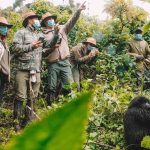
In The Times, Lizzie Frainier described how nervous she felt the night before trekking in Rwanda’s Volcanoes National Park. Her group met in Kinigi, drove to the foothills and then spent about two hours hiking through rain and mud. Later, when a silverback stood and beat his chest, the guide’s instructions helped her know how to respond.
The lesson is to listen carefully at the briefing and take your cue from the ranger who is with you. Another traveller’s story is no substitute for instructions in the moment. If you are nervous, it is fine to say so before setting out. You can ask what to expect when you reach the gorillas and how the ranger will signal where to stand.
Frainier also offered a simple packing tip. Leave a dry change of clothes in the vehicle if your driver confirms you will return to the same one. A spare top and socks take up little space and make a wet drive back more comfortable. Take a waterproof layer and protect your camera or phone on the trail.
Her experience also shows why a shorter transfer from Kigali does not guarantee a shorter trek. Getting to the park, driving to the trail and walking to the gorillas are separate parts of the day.
Sarah Marsall’s Buhoma Trek: The Value of a Quiet Encounter
Writing for National Geographic Traveller, Sarah Marsall described taking the road to Buhoma rather than flying domestically. The drive took about nine hours on her itinerary. She also spent time learning about community conservation around Bwindi. When she finally sat watching the gorillas, one of the details she remembered was ordinary. The silverback spent part of the encounter examining his belly button.
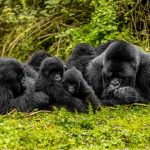
That is a good expectation to bring to your own trek. You are there for a short part of a wild animal’s day. You may see feeding, grooming or very little movement. Dense vegetation might mean that one gorilla stays hidden while you have a clear view of another. Give yourself time to watch the animal you can see rather than waiting for the whole group to appear.
If you choose a road transfer, arrive at your lodge the day before the trek. Marsall’s nine-hour drive is one example, not a standard time for every route. Ask for an estimate to your exact lodge and check the drive to your briefing point separately. A lodge near one sector of Bwindi may be a poor choice for a permit in another.
What These Gorilla Trekking Success Stories Can Teach You
Plan for the full outing
The Uganda Wildlife Authority gives two to seven hours as a guide for the full tracking activity. Visit Rwanda says the hike to the gorillas can take 30 minutes to four hours or more. These numbers measure different parts of the experience, so they do not tell you which country is easier. In both places, a standard trek allows up to one hour with the gorillas. Factor in the briefing, any drive to the trail, and the return walk before planning the rest of your day.
Ask for the support you need before buying a permit
Tell your operator what you can do comfortably and where you might need help. If steep descents are the problem, say that. If you can walk but cannot carry a pack, ask about a porter. If you need a carried chair, check whether you must walk any part of the route. In Bwindi, specific gorilla groups are assigned on the day, so do not build your plan around a promise that you will get the nearest group.
Treat personal accounts as experiences, not guarantees
These stories describe successful encounters, but they do not establish a sighting rate or tell you what conditions will be like on your date. Read older accounts for what the trail felt like, what surprised the writer and which questions they wished they had asked. Confirm current permit prices, park rules and cancellation terms separately.
Frequently Asked Questions
Does a shorter hike mean less time with the gorillas?
No. Walking time and viewing time are separate. A short approach can still lead to a standard viewing period of up to one hour. The ranger manages the encounter and tells you when it is time to leave.
Which story should you read if you are worried about fitness?
Start with Susan Portnoy’s account if you regularly walk but are unsure about muddy or steep ground. Read Sonia’s account if you need to understand the practical difference between having a porter carry your bag and arranging an assisted carry.
What if you come back without a good photograph?
That does not mean the trek went badly. Rain, thick vegetation and low light can limit your photographs even when you have a good view. Spend some of the encounter watching with the camera down. You may remember how a gorilla fed, moved or responded to another member of the group more clearly than any image.