Top 15 Mistakes to Avoid When Planning a Gorilla Safari
The costliest mistake when planning a gorilla safari is paying for flights and lodges before confirming where and when you can trek. A gorilla permit is tied to a particular date and location. In Uganda’s Bwindi Impenetrable National Park, it also matters which sector you book. The right permit with the wrong lodge can leave you facing a long drive before an early briefing.
Start with three decisions: where you want to trek, how much walking you can manage, and how many days you can give the trip. Then check permit availability before committing to the rest. These 15 mistakes cover what to verify before paying, what to leave out of your itinerary and how to arrive prepared for the forest.
Booking Mistakes That Can Cost You Money
1. Buying non-refundable flights before confirming the permit
An available flight does not mean there is a gorilla permit for the dates you want. Ask for written confirmation of your trek date, park, visitor category and, for Bwindi, the sector. An itinerary marked “subject to availability” is still a proposal. If your flights are already booked, give the operator several possible trekking dates rather than relying on one morning.
2. Booking a lodge near Bwindi without checking the sector
Buhoma, Ruhija, Rushaga and Nkuringo are separate trekking sectors. A lodge may be near the forest but far from your briefing point. Before paying for accommodation, ask for the name of the check-in location and the expected driving time from the lodge. Check that your airstrip and pickup are appropriate for the same sector if you are flying in.
3. Paying an operator before verifying the booking process
For foreign non-residents trekking in Uganda, Uganda Wildlife Authority guidance requires permits to be purchased through an operator licensed by the Uganda Tourism Board. Verify the licence, make sure the invoice matches the company you are paying and ask when you will receive official permit confirmation. If someone offers a steep discount but cannot explain the visitor category or show how the permit will be issued, pause before sending money.
4. Assuming you qualify for a resident or seasonal rate
Citizenship, residency and travel dates can affect the price, and each authority has its own eligibility rules. Living in East Africa does not automatically qualify you for a citizen rate. If you are quoted a discount, ask what documents you must show and confirm that it applies to your trek date and permit category. Check this before paying, not at the park gate.
5. Comparing permit prices instead of total trip costs
Compare quotes for the same number of nights and the same level of transport. Check what each includes for meals, airport transfers, domestic flights, porter support and any cross-border travel. If you are travelling alone, confirm whether the price includes a private vehicle or assumes you will share one. A lower permit price can still mean a more expensive trip if you need extra flights or nights to make the route work.
Itinerary Mistakes That Make Trek Day Harder
6. Trying to reach the park on the morning of the trek
Stay near your briefing point the night before. An international arrival, a long road transfer or a border crossing leaves too much room for delays on trek morning. If you fly into Kigali to trek in southern Bwindi or Mgahinga, remember that the journey still involves entering Uganda. Leave time for immigration, the drive to your lodge and any difference between the two countries’ local times.
7. Booking a flight or long transfer straight after the trek
The standard viewing period is up to one hour with the gorillas, but that does not tell you when you will leave the forest. Uganda Wildlife Authority gives two to seven hours as a guide for the overall tracking activity. Your group might return before lunch or spend much of the day out. Keep the afternoon flexible and, where possible, stay near the park again that night.
8. Choosing a country because someone said the hike was easy
Rwanda’s shorter road transfer from Kigali to Volcanoes National Park can simplify a trip, but it does not guarantee a short hike. In both countries, the gorillas’ movements, rain and trail conditions affect the walk. If fitness is a concern, describe what you can manage. “I walk regularly, but steep descents hurt my knees” gives your operator more to work with than “Please book me the easiest group.”
9. Assuming a shorter trek can be guaranteed
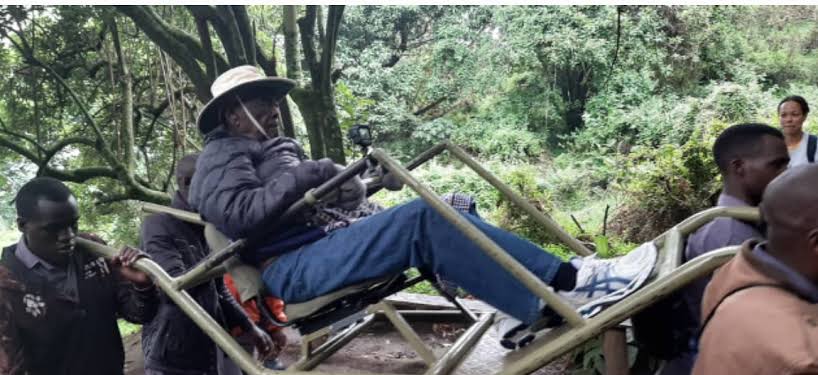
In Bwindi, specific gorilla groups are assigned on the day. You can request a less strenuous assignment, but the gorillas may have moved and the rangers have to work with the routes available that morning. If you need more than a porter, ask before paying whether an assisted carry is available at your trailhead. Confirm whether you would need to walk any part of the route and what happens if conditions change.
10. Planning activities for children without checking age limits
The minimum age for standard gorilla trekking in Uganda and Rwanda is 15. If a younger child is coming on the safari, plan their day before booking the adults’ permits. Confirm who will supervise them, what activities are available and how the arrangements will work if the trekkers return late. An activity that ends at lunchtime may not cover the full absence.
Before You Pay: A Quick Booking Check
| Confirm this | Details to get in writing |
|---|---|
| Permit | Date, park, sector where applicable, visitor category and confirmation status |
| Lodge | Briefing point and realistic drive time on trek morning |
| Transfer | Pickup location, airstrip or border crossing, and who handles each leg |
| Support | Porter or assisted carry arrangements, costs and limitations |
| Changes | Terms for illness, missed transfers, unsuccessful tracking or park cancellation |
Preparation Mistakes to Avoid Before You Leave
11. Training for distance but ignoring hills and footing
A long walk on pavement does not prepare you for every part of a forest trail. If you already walk regularly, try a 60- to 90-minute hilly outing in the footwear you plan to wear. Include a descent and carry a light pack. Notice whether the main issue is stamina, balance or carrying weight. Practise what needs work and consider a porter if the pack is the problem.
12. Packing for sunshine or carrying too much camera gear
Take boots with good grip, long trousers, a waterproof layer, drinking water and a packed snack or lunch. Protect your phone or camera from rain. A small camera setup you can manage on a steep path is often more useful than a heavy bag of lenses. If you want dry clothes for the drive back, leave them with your driver rather than carrying them into the forest.
13. Leaving insurance and cancellation questions until the last minute
Check whether your travel insurance covers gorilla trekking, the places on your route and emergency evacuation. Ask the operator separately what happens to your permit and other payments if you become ill, miss the trek, or the park cancels it. An operator’s refund terms and an insurer’s coverage are two different things. If you are entering more than one country, recheck border requirements and travel advice for the exact route before departure.
14. Turning up unwell or relying on outdated gorilla rules
Tell your guide if you develop a cough, fever or other symptoms before the trek. Gorillas are vulnerable to human infections, and the park may decide you should not take part. At the briefing, follow the current instructions on masks, distance and photography. Do not copy what you saw in an older video. If a gorilla moves towards you, take your cue from the ranger rather than trying to get closer for a photograph.
15. Expecting guaranteed sightings or booking the wrong experience
A standard trek gives you up to one hour with a habituated group once it is found. Uganda’s Gorilla Habituation Experience is a separate booking with up to four hours of viewing under UWA rules. It suits travellers interested in observing the habituation process, but does not guarantee closer views. On either trek, the gorillas may rest in thick vegetation or move out of sight. Put the camera down for part of the encounter so you can enjoy what you do see.
Frequently Asked Questions
What should you book first for a gorilla safari?
Get the permit date, park and sector confirmed, then book a lodge that fits the briefing point. Arrange your flights and transfers around those details. If you must buy flights first, give yourself several possible trek dates.
How many nights should you spend near the park?
Two nights is a practical starting point for one trek. Arrive the day before, trek the next morning and stay nearby afterwards. That gives you time to rest if you return late and avoids a long road transfer straight after the walk.
Is it worth hiring a porter if you are fit?
It can be. A porter can carry your daypack so you can concentrate on your footing. Fitness helps with climbing, but lightening your load can make wet descents and awkward steps more manageable. Arrange a porter at the start if you think you might benefit.