Gorilla Trekking Questions Answered: 25 Common FAQs
Planning your first gorilla trek comes down to three decisions: where you want to trek, which date you can secure, and how much walking you can comfortably manage. Get those right before comparing lodges or buying flights. In Bwindi, the sector on your permit determines where you report, so choosing accommodation before confirming your permit can leave you with a long drive on trek morning.
These gorilla trekking questions cover Uganda and Rwanda, including published 2027 permit prices, the difference between walking time and viewing time, and what to do if you need extra support.
Gorilla Trekking Questions About Where and When to Go
1. Where can you go mountain gorilla trekking in Uganda and Rwanda?
In Uganda, trekking takes place in Bwindi Impenetrable National Park and Mgahinga Gorilla National Park. In Rwanda, it takes place in Volcanoes National Park, near Kinigi and Musanze. Bwindi has four trekking sectors. Mgahinga is a separate park, so a Bwindi permit does not cover a trek there.
2. Is Uganda or Rwanda better for a first gorilla trek?
Choose Uganda if you want a lower standard permit price or plan to combine gorillas with chimpanzee trekking and game drives. Choose Rwanda if you have fewer days and want a straightforward road transfer from Kigali. Rwanda’s shorter airport transfer does not guarantee a shorter walk to the gorillas.
3. Which Bwindi sector should you choose?
Choose the sector that fits your route. Buhoma makes sense if you are coming from Queen Elizabeth National Park or flying into Kihihi. Ruhija can suit an approach via Kabale, while Rushaga and Nkuringo fit many southern routes. Ask for the drive time from your proposed lodge to the exact briefing point before booking.
4. When is the best time to go gorilla trekking?
June to September and December to February are generally drier periods, though rain is possible at any time. If price matters more than the likelihood of firmer trails, consider Uganda’s published low-season months of April, May and November. Allow for muddy paths rather than treating the lower price as the only difference.
5. How many nights should you stay near the park?
Two nights is a practical starting point for one trek. Arrive the day before, trek the next morning and stay nearby afterwards. This gives you time to rest if the walk is long and avoids the pressure of catching a flight or reaching another lodge straight after the trek.
Gorilla Permit and Booking Questions
6. How much is a gorilla trekking permit in 2027?
Uganda’s published 2027 tariff lists US$800 per foreign non-resident for a standard trek, or US$600 in April, May and November. Rwanda’s published standard foreign visitor rate is US$1,500. Different rates may apply based on citizenship, residency or a qualifying offer. Confirm the price for your category and actual trek date before paying.
7. What does the permit cover?
In Uganda, UWA lists the trek-day park entrance, guide fee and a community development contribution as included. Do not assume the permit covers your lodge, transport, meals or a porter. Ask for the permit to appear as a separate line on your quote so you can tell how much you are paying for the rest of the trip.
8. How far ahead should you book?
Start checking several months ahead if you have fixed holiday dates, are travelling as a group or need a particular Bwindi sector. If you have flexibility, give your operator two or three possible dates. Before buying non-refundable flights, get written confirmation of the date, park and sector where applicable. A quote that says “subject to availability” is not a confirmed permit.
9. Can you buy a gorilla permit directly?
It depends on your destination and visitor category. Foreign non-residents trekking in Uganda must purchase through an operator licensed by the Uganda Tourism Board under UWA’s published rules. In Rwanda, you can apply through the official booking system or use a licensed operator. Check the process for your category before sending money.
10. Can you change or refund your permit if your plans change?
Do not assume so. Ask for the terms in writing before paying. Check what happens if you become ill, miss the briefing, need to change dates or the park cancels the activity. The permit, accommodation and transfers may each have different terms. Travel insurance is a separate question, so check what your policy actually covers.
Fitness, Age and Accessibility Questions
11. How hard is gorilla trekking?
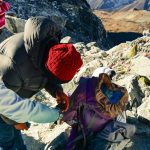
It can be demanding even if you walk regularly. Expect some combination of steep slopes, roots, mud and uneven footing. The difficulty depends on where the gorillas are that day and what the route is like after rain. If you normally walk on flat ground, practise hills and controlled descents in the shoes you plan to wear.
12. How long does the whole trek take?
Uganda Wildlife Authority gives two to seven hours as a guide for the tracking activity. Visit Rwanda gives 30 minutes to four hours or more for the hike to the gorillas. Those figures describe different parts of the day. Allow for the briefing, any drive to the trailhead and the walk back.
13. What is the minimum age for gorilla trekking?
The published minimum age for standard gorilla trekking in Uganda and Rwanda is 15. If you are travelling with a younger child, arrange a separate activity and responsible supervision before buying the adults’ permits. Make sure the arrangement can continue if the trekking group returns later than expected.
14. Can you request an easier gorilla group?
You can ask, but a shorter or easier route is not guaranteed. In Bwindi, specific gorilla groups are assigned on the day. Tell your operator about mobility or fitness concerns before booking and repeat them at the briefing. Explain what you can manage, such as an hour of walking but no steep descents, rather than simply asking for an easy group.
15. What can a porter do, and can you arrange more help?
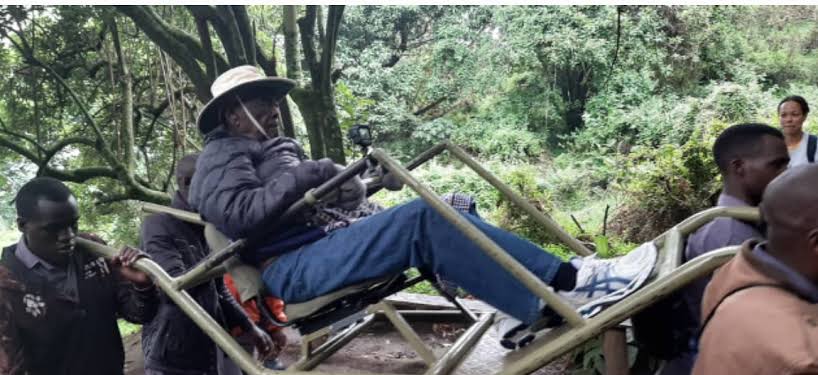
A porter can carry your daypack and may offer a hand on awkward sections. If you need more support, ask whether a carried chair can be arranged at your specific trailhead. Confirm the cost, how you would transfer into the seat, and whether any part of the route would still require you to walk.
What Happens on Trek Day?
16. What happens at the briefing?
Rangers explain how the trek will run and give instructions on approaching the gorillas. Confirm your reporting time and bring the identification and permit details your operator asks for. This is also the time to raise any mobility concerns, check photography rules and arrange a porter if you need one.
17. How much time do you spend with the gorillas?
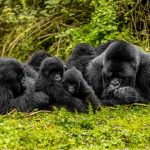
A standard trek allows up to one hour with the gorillas once your group reaches them. Walking time is separate. During the encounter, the gorillas may feed, rest or move into thick vegetation. Follow the ranger’s instructions if you need to move to another viewing position.
18. Are gorilla sightings guaranteed?
No. Trackers look for habituated groups, but the gorillas are wild and move through the forest. Even after finding them, you may not see every animal clearly. Ask about the terms for an unsuccessful trek before booking rather than assuming a refund or a second attempt is included.
19. What is the difference between trekking and habituation?
A standard trek visits a group accustomed to human presence for up to one hour. Uganda’s separate Gorilla Habituation Experience in Bwindi allows up to four hours of viewing under UWA rules and involves a group still getting used to people. Choose it if you are interested in the process and comfortable with a potentially longer day. It does not guarantee closer views.
20. What happens if you need to turn back?
Tell your ranger as soon as you are struggling. Do not separate from the group or try to find your own way back. Ask before booking how the operator and park handle an early return, especially if you have a condition that could affect your ability to finish the walk.
Packing, Health and Other Practical Questions
21. What should you wear for gorilla trekking?
Wear broken-in boots with good grip, long trousers and a long-sleeved top. Carry a waterproof jacket even if the morning looks clear. Gaiters can be useful on wet trails. If you plan to use walking poles, practise with them before the trip and confirm what your trailhead allows.
22. What should go in your daypack?
Take drinking water, a snack or packed lunch, a waterproof layer and the items your operator lists. Keep your phone or camera in a waterproof pouch. Ask where you can stop to eat or drink. If you bring dry clothes for the drive back, leave them in the vehicle rather than carrying them through the forest.
23. What if you develop a cough or fever before the trek?
Tell your operator or the park team before setting out. Gorillas are vulnerable to human infections, and the park may decide you cannot join the trek. Ask about illness and rescheduling terms before you travel. Wearing a mask does not replace reporting symptoms or following the park’s decision.
24. Can you take photos, and how close can you get?
Follow the ranger’s current instructions on distance, masks and photography. Keep the flash off, do not touch the gorillas and never move closer for a photograph. If a gorilla approaches you, take your cue from the ranger. An older photo or video is not a reliable guide to what is allowed on your trek.
25. Can you fly into Kigali and trek in Uganda?
Yes. This can work for southern Bwindi or Mgahinga, but it still requires an international border crossing. Check entry requirements for both countries, confirm who handles each part of the drive and check which time zone your driver is using. Plan to cross the day before your trek rather than depending on a same-morning transfer.