Uganda Wildlife Authority Permit Rules Explained in Plain English
Understanding Uganda Wildlife Authority permit rules is important when planning gorilla trekking, chimpanzee tracking or other wildlife activities in Uganda. These regulations explain how to purchase permits, who qualifies for different prices, when payments must be completed, how cancellations are handled and what visitors must do during wildlife encounters.
The Uganda Wildlife Authority (UWA) manages Uganda’s national parks and regulates tourism activities in protected areas. Its permit rules help control visitor numbers, protect endangered animals and organise wildlife encounters safely.
For travellers planning a safari in 2027, several details deserve particular attention. Gorilla trekking permits must be secured through the appropriate booking channels, bookings have payment requirements, and visitors cannot assume that permits can be changed or refunded without restrictions.
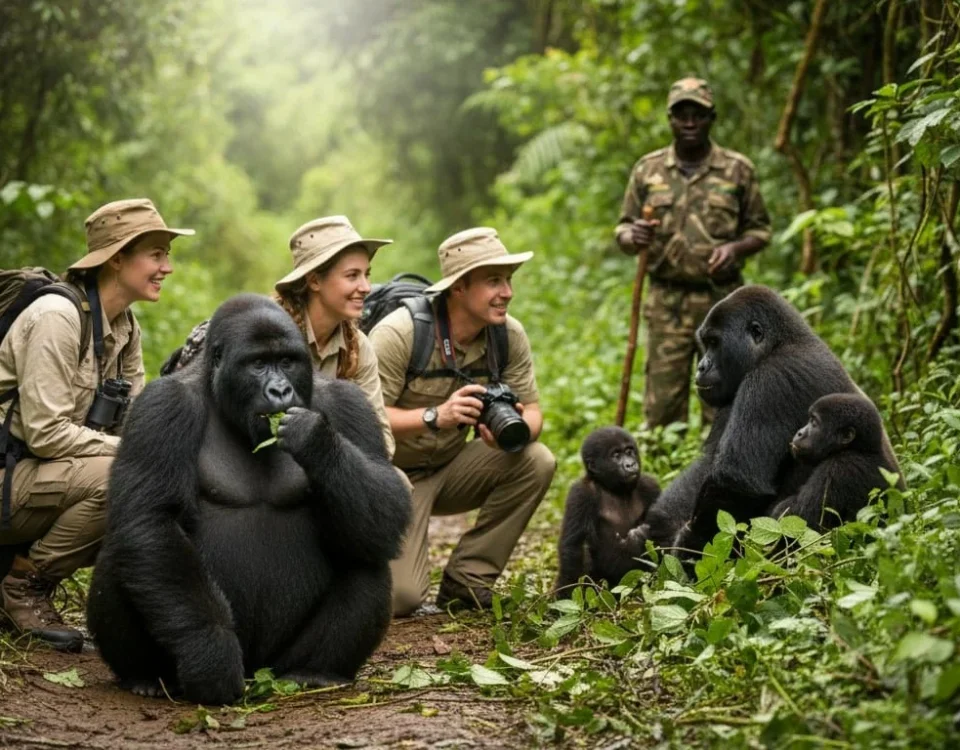
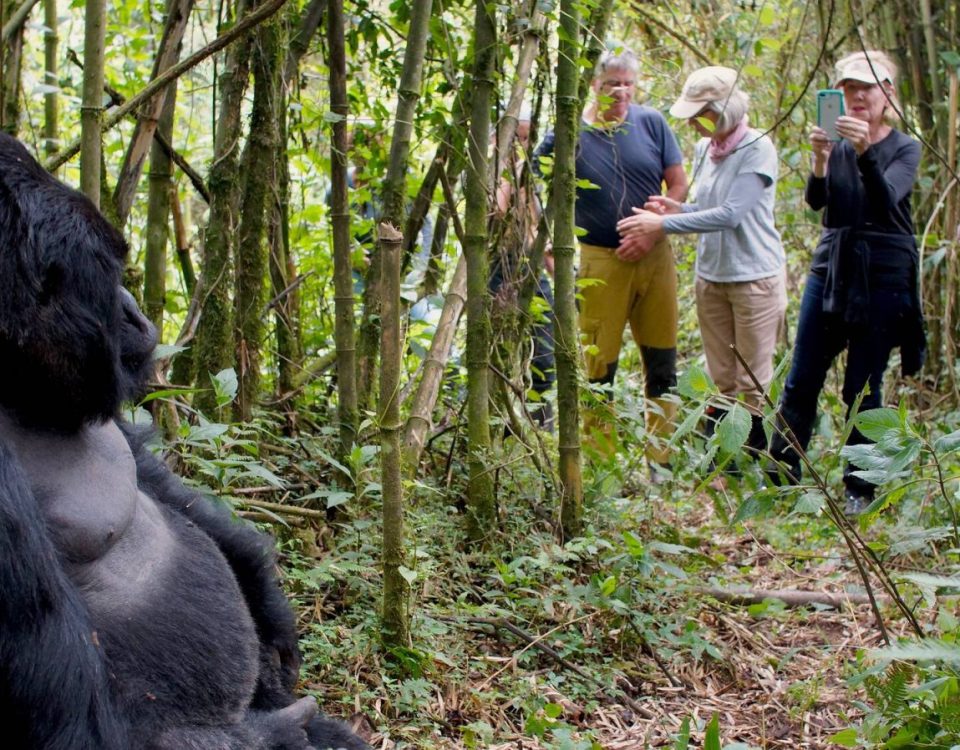
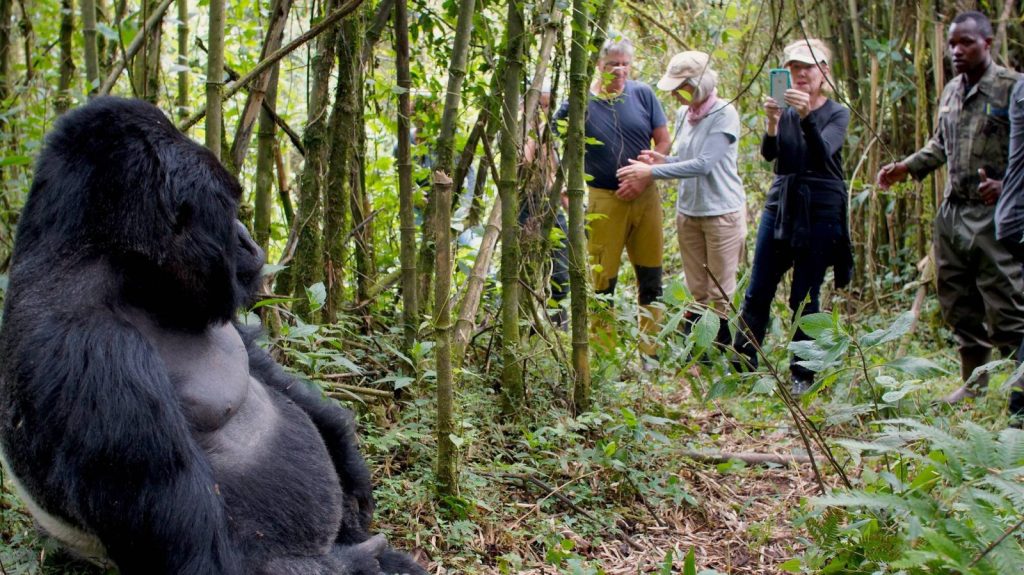
UWA also has strict regulations governing gorilla trekking, including a minimum age of 15 years, a maximum of eight tourists per gorilla family and a required viewing distance of at least 10 metres.
This guide explains Uganda Wildlife Authority permit rules in simple English, including the published 2027 permit rates, booking requirements, rescheduling charges, cancellation refunds, illness policies and regulations visitors must follow inside the forest.
What Is the Uganda Wildlife Authority?
The Uganda Wildlife Authority is the government body responsible for managing national parks and wildlife reserves in Uganda.
It oversees conservation, protected-area tourism, ranger operations, wildlife monitoring and visitor activities.
Some of Uganda’s best-known protected areas managed by UWA include Bwindi Impenetrable National Park, Mgahinga Gorilla National Park, Kibale National Park, Queen Elizabeth National Park, Murchison Falls National Park and Kidepo Valley National Park.
UWA collects fees for park entry and certain activities, including gorilla trekking, chimpanzee tracking and gorilla habituation.
However, different activities have different booking procedures. A general national park entrance ticket does not automatically give you permission to participate in gorilla trekking.
What Does a UWA Permit Allow You to Do?
A permit confirms that you have been authorised to participate in a particular activity on an approved date.
For example, a gorilla trekking permit allows you to join an organised trek to visit a habituated mountain gorilla family.
A chimpanzee tracking permit allows you to participate in an organised chimpanzee tracking activity at the designated location.
Some specialised activities require advance reservations because visitor numbers are limited.
Your permit is therefore an important part of your safari booking, rather than something you should leave until arrival.
Uganda Wildlife Authority Permit Prices for 2027
Uganda Wildlife Authority has published a revised conservation tariff for January 2027 through June 2028.
The tariff establishes different prices according to the visitor’s nationality and residency category.
For gorilla trekking, the main categories are foreign non-residents, foreign residents, Rest of Africa visitors and East African citizens.
Uganda Gorilla Permit Prices
| Visitor category | Standard gorilla permit |
|---|---|
| Foreign non-resident | US$800 |
| Foreign resident | US$700 |
| Rest of Africa | US$500 |
| East African citizen | UGX 300,000 |
A person who qualifies as an East African citizen does not pay the same amount as a foreign non-resident.
Similarly, an eligible foreign resident must provide the necessary documentation to receive the relevant rate.
If your residency status is unclear, confirm your eligibility before paying.
Low-Season Gorilla Permit Prices
UWA’s revised tariff also includes discounted rates during April, May and November.
| Visitor category | Low-season permit |
|---|---|
| Foreign non-resident | US$600 |
| Foreign resident | US$500 |
The published low-season table does not provide additional discounted rates for the Rest of Africa or East African citizen categories.
These discounts apply to standard gorilla trekking, not automatically to every primate activity.
For example, travellers booking gorilla habituation should use the separate habituation tariff.
Rule 1: Book Through the Correct Authorised Channel
One of the most important Uganda Wildlife Authority permit rules concerns who can purchase permits.
UWA’s published instructions require foreign non-residents to purchase gorilla and chimpanzee permits through tour operators licensed by the Uganda Tourism Board.
The 2027–2028 tariff also identifies the Rest of Africa category among visitors who must use licensed operators.
Eligible foreign residents and East African Community citizens may purchase permits directly from UWA under the relevant conditions.
What This Means for International Travellers
If you are visiting Uganda from the United Kingdom, United States, Germany or another country as a foreign non-resident, use a properly licensed tour operator when booking your gorilla permit.
Before making payment, check the company’s identity and tourism licence.
An operator should be able to explain the official permit cost, booking procedure, payment requirements and cancellation conditions.
Avoid relying on an individual who cannot demonstrate that they are authorised to arrange your permit.
Can Ugandan Citizens Book Directly?
Yes. Eligible East African Community citizens can purchase permits directly from Uganda Wildlife Authority under its published purchase arrangements.
Foreign residents may also qualify for direct purchasing.
However, you should confirm the documentation required for your visitor category.
Booking through an operator remains an option if you prefer someone to organise accommodation, transport and trekking arrangements together.
Rule 2: Confirm Availability Before Paying
Gorilla and chimpanzee permits are issued for specific dates and destinations.
Because daily visitor numbers are restricted, availability changes as permits are purchased.
You should therefore confirm that your preferred date is available before completing payment.
For Bwindi, you must also pay attention to the trekking sector.
Bwindi has four main sectors: Buhoma, Ruhija, Rushaga and Nkuringo.
A permit issued for one sector should not be treated as permission to trek in another sector without an approved change.
Why the Trekking Sector Matters
Suppose you book accommodation in Buhoma but receive a permit for Rushaga.
Both are associated with Bwindi, but they are located in different parts of the forest.
Travelling between them can take several hours.
To avoid unnecessary problems, confirm your sector before making non-refundable accommodation reservations.
The same principle applies when booking Mgahinga Gorilla National Park, which is a separate park near Kisoro.
Rule 3: Complete Payment Through Approved Channels
A gorilla permit is not secured simply because an operator has requested availability.
UWA requires payment through its authorised booking and payment arrangements.
The previous seven-day unpaid reservation window was suspended in 2026, making full payment necessary when securing permits under the revised arrangements.
Visitors should not rely on older advice suggesting that a permit can automatically be held for a week without payment.
Why an Official Invoice Is Important
UWA’s purchase advisory requires an official proforma invoice before payment.
This helps ensure that money is paid against a valid reservation or assessed activity.
For direct bookings, use the payment instructions provided through UWA’s authorised process.
If an operator is arranging your permit, request written confirmation that the permit payment has been processed and the booking secured.
Keep your receipt and booking reference.
Payments made to incorrect accounts or without the required documentation can create serious problems.
UWA’s published guidelines state that bank transfers not supported by the appropriate assessment and invoice are not acceptable or refundable.
Rule 4: You Must Meet the Minimum Age Requirement
Uganda Wildlife Authority requires gorilla trekking participants to be at least 15 years old.
This rule applies to standard gorilla trekking and the specialised gorilla habituation experience.
Children below the minimum age cannot be included as ordinary trekking participants.
If you are planning a family safari, confirm the age of every traveller before purchasing permits.
For example, a family travelling with a 13-year-old child should arrange an alternative supervised activity for that child during gorilla trekking.
Chimpanzee tracking has separate age requirements, which may differ by activity or location.
Always check the minimum age for the exact primate experience you intend to book.
Rule 5: Gorilla Trekking Groups Have Visitor Limits
Standard gorilla trekking groups are limited to a maximum of eight visitors per habituated gorilla family.
This helps control the number of tourists approaching gorillas at one time.
Larger safari groups may need to be divided between different gorilla families.
For example, if ten tourists travel together, they should not assume that all ten can observe the same gorilla family during one standard visit.
Park officials manage assignments according to available gorilla families, operational conditions and trekking procedures.
The gorilla habituation experience has a smaller visitor limit of four tourists per participating gorilla family.
How Long Can You Stay With Gorillas?
Standard gorilla trekking allows up to one hour of observation after the gorilla family has been located.
The walk to find the gorillas can take several additional hours.
A permit does not guarantee a short trek, a particular gorilla family or perfect photography conditions.
For gorilla habituation, the maximum authorised observation period is four hours, subject to the applicable rules and ranger instructions.
Rule 6: Keep the Required Distance From Gorillas
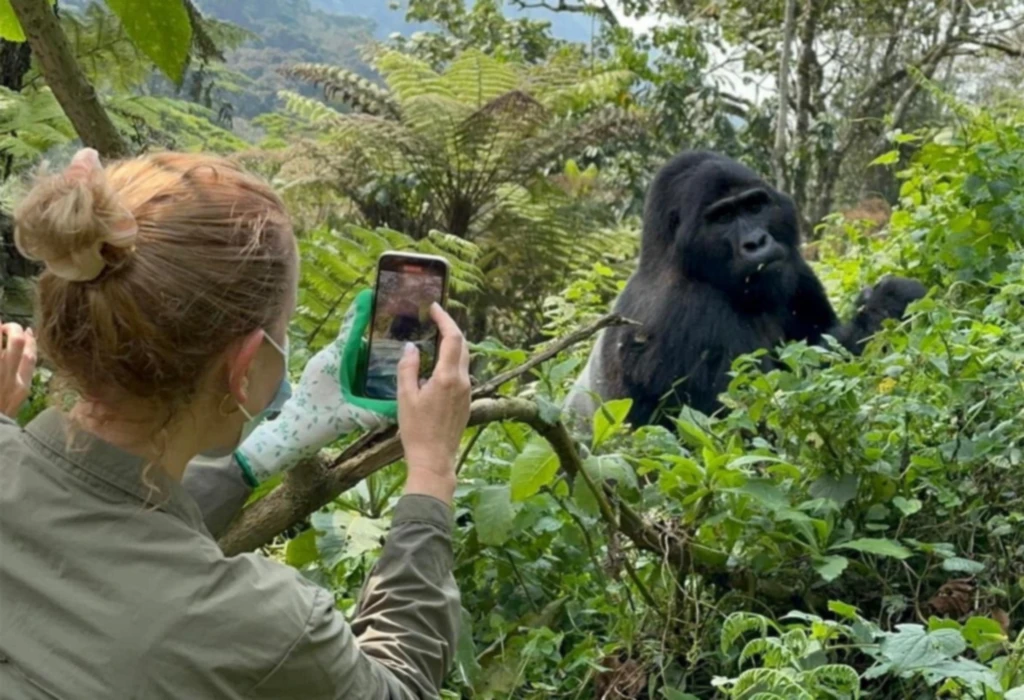
Uganda Wildlife Authority’s published gorilla trekking regulations require visitors to maintain a distance of at least 10 metres from mountain gorillas.
The distance helps reduce disturbance and the possibility of transmitting infections from humans to gorillas.
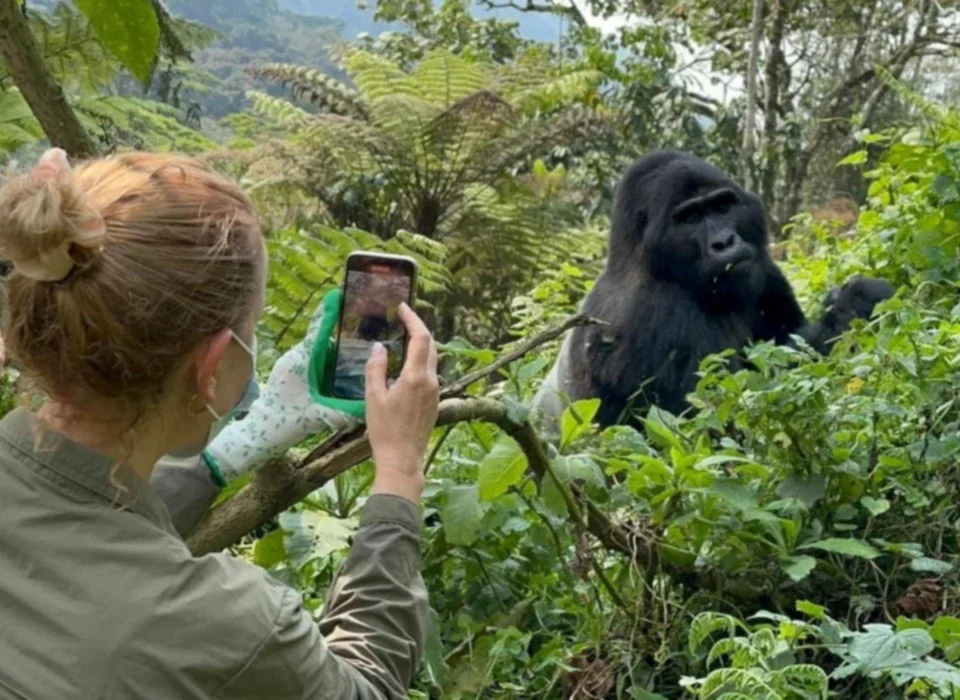
Visitors must not approach gorillas simply to obtain better photographs.
If a gorilla moves towards your group, remain calm and follow the ranger’s instructions.
Do not attempt to touch, feed or interact physically with the animals.
Other Rules During Gorilla Viewing
Visitors must follow several additional precautions.
Flash photography is prohibited.
Smoking, eating and drinking are not permitted during the regulated gorilla encounter.
Visitors should avoid loud conversations and sudden movements.
If you need to cough or sneeze, cover your face and turn away from the gorillas.
Never leave litter inside the forest.
These rules protect both visitors and wildlife.
Rule 7: Visitors With Infectious Illnesses Cannot Trek
Gorillas can contract infectious diseases from humans.
For this reason, UWA does not allow visitors showing signs of potentially infectious illness to proceed with gorilla trekking.
Symptoms such as fever, coughing or other signs of infection should be reported before the activity begins.
Do not attempt to conceal symptoms because you have already paid for your permit.
What Happens if You Become Sick?
UWA’s published procedures provide for medical assessment when a visitor develops or shows signs of illness before trekking.
The illness must be supported by an appropriate medical report when requesting consideration under the medical refund procedure.
The visitor is responsible for diagnosis and treatment costs.
Under the published guidelines, UWA’s Executive Director may authorise a 50% refund of the permit value when the applicable medical conditions are satisfied.
This is not an automatic refund.
The decision depends on the official assessment and approval process.
Travel insurance may help with certain additional costs, depending on your policy.
Rule 8: Gorilla Permits Can Be Rescheduled, but Conditions Apply
One of the most misunderstood Uganda Wildlife Authority permit rules concerns changing a confirmed trekking date.
Under UWA’s published July 2024 guidelines, a visitor may request a maximum of two reschedules for a particular permit.
However, changes depend on availability and must follow the authority’s procedures.
Uganda Gorilla Permit Rescheduling Rules
| Situation | Published rule |
|---|---|
| First approved reschedule | No rescheduling charge if requested at least 14 days ahead |
| Second approved reschedule | 25% surcharge on the permit price |
| Request less than 14 days before trekking | 25% surcharge, subject to availability |
| Maximum number of reschedules | Two |
| Latest permitted new date | Within 12 months of the original trekking date |
| Permit purchased through a promotional offer | Not eligible for rescheduling under the published guidelines |
These conditions explain why a visitor should never assume that changing trekking dates is as simple as changing a hotel reservation.
For example, if you hold a standard US$800 permit, a 25% rescheduling surcharge amounts to US$200.
If you change to a date with a higher applicable permit price, you may also need to pay the difference.
The guidelines restrict changes to the applicable conservation area and activity.
A reschedule must be approved rather than treated as automatic permission to trek on a different date.
Important: UWA may revise its procedures. Confirm the current rescheduling conditions before making changes, particularly for discounted 2027 permits.
Rule 9: Cancellation Refunds Depend on When You Cancel
Gorilla permit refunds are not automatically granted whenever a traveller changes plans.
UWA’s published guidelines specify different refund percentages based on the number of days remaining before the trekking date.
The request must be submitted in writing and is subject to the authority’s cancellation procedures.
Uganda Gorilla Permit Cancellation Policy
| Cancellation request received | Published refund percentage |
|---|---|
| 61 days or more before trekking | 75% |
| 46–60 days before trekking | 50% |
| 15–45 days before trekking | 25% |
| Within 14 days of trekking | No refund for ordinary cancellation |
The refund percentages apply to the permit amount, with applicable incidental costs such as bank charges and government taxes deducted.
Example: Cancelling an US$800 Gorilla Permit
Suppose you have purchased a standard foreign non-resident permit costing US$800.
If an ordinary cancellation is approved under the published policy, your refund may be calculated as follows.
| When you cancel | Refund before deductions |
|---|---|
| At least 61 days ahead | US$600 |
| 46–60 days ahead | US$400 |
| 15–45 days ahead | US$200 |
| Within 14 days | US$0 |
The actual refund may be lower after applicable deductions.
These are the published ordinary cancellation bands. Illness, accidents and unsuccessful tracking have separate provisions.
If your safari operator has already booked accommodation and transport, those services may have independent cancellation conditions.
Therefore, you should request a breakdown of all cancellation charges rather than assuming UWA’s permit refund policy covers the entire safari package.
Rule 10: What Happens if You Do Not See Gorillas?
Mountain gorillas are wild animals that move freely through their forest habitat.
Although experienced trackers usually locate habituated groups, sightings cannot be guaranteed.
Uganda Wildlife Authority has published specific procedures for cases where a visitor completes the tracking activity but fails to see gorillas.
Under those procedures, UWA may authorise another tracking opportunity on the following day.
However, this depends on available permits and operational arrangements.
If rescheduling is impossible or the visitor cannot remain for another day, the guidelines provide for a 60% refund of the permit value, subject to official confirmation that the gorillas could not be accessed.
Applicable incidental costs may be deducted.
The unsuccessful tracking must be verified by the responsible park authority.
This procedure is different from an ordinary cancellation.
A disappointing photograph, a distant sighting or a shorter-than-expected view does not automatically qualify as an unsuccessful trek.
Rule 11: You Must Follow the Ranger Guide’s Instructions
A gorilla permit does not give you permission to explore the forest independently.
Visitors must be accompanied by authorised UWA guides and trackers.
The ranger guide manages the trekking group, explains safety procedures and determines how visitors should behave around wildlife.
You must follow the ranger’s instructions throughout the activity.
For example, if a gorilla approaches the group, the guide may instruct visitors to remain still or move into a particular position.
Attempting to get closer for photographs can create unnecessary risks.
You must also respect the park’s environmental regulations.
Human waste must be buried appropriately where necessary, and visitors should follow ranger instructions about toilet arrangements in the forest.
Litter must be carried out rather than left along the trail.
Rule 12: Gorilla Permits Do Not Cover Every Safari Expense
Another important point is understanding what your permit pays for.
The standard gorilla trekking permit includes the authorised trekking activity, ranger guiding and park entry for the activity day.
However, it does not normally include your lodge, transport, meals or personal porter.
If you want to participate in another activity, such as a cultural experience or a separate nature walk, additional fees may apply.
Example of a Gorilla Trekking Budget
| Expense | How it is normally paid |
|---|---|
| Gorilla trekking permit | Official permit fee |
| Safari accommodation | Separate lodge or package charge |
| Road transfer | Separate transport or package charge |
| Domestic flights | Separate airline charge |
| Personal porter | Additional local service fee |
| Meals and packed lunch | Lodge or safari package |
| Additional activities | Separate activity charges |
Always ask your operator what is included in the total price.
A safari package can be convenient, but it should clearly identify the permit and other services.
Rule 13: Different Permits Have Different Conditions
Uganda Wildlife Authority manages several primate tourism experiences.
These include standard gorilla trekking, gorilla habituation, chimpanzee tracking and chimpanzee habituation.
Each activity has its own permit requirements, prices and visitor regulations.
A standard gorilla trekking permit cannot simply be used for a gorilla habituation experience.
Similarly, a chimpanzee tracking permit does not automatically authorise participation in a longer habituation activity.
Gorilla Trekking vs Gorilla Habituation
| Feature | Standard gorilla trekking | Gorilla habituation |
|---|---|---|
| Maximum observation period | 1 hour | 4 hours |
| Maximum tourist group per gorilla family | 8 | 4 |
| Foreign non-resident 2027 permit | US$800 | US$1,800 |
| Minimum age | 15 years | 15 years |
| Experience | Visit a habituated gorilla family | Observe a family undergoing habituation |
Choose the activity that suits your budget, fitness and interests before purchasing a permit.
If you wish to experience both activities, arrange separate bookings and confirm the permit requirements for each.
Common Mistakes to Avoid When Booking UWA Permits
Several booking mistakes can lead to unnecessary expenses.
The first is using an unlicensed operator or making payments without proper documentation.
Another is purchasing accommodation before confirming the correct trekking sector.
Travellers also sometimes assume that a paid permit can be freely transferred to another date, visitor or activity.
Others fail to check whether their citizenship or residency category qualifies them for a different tariff.
A further mistake is ignoring the health regulations and attempting to trek while suffering from potentially infectious symptoms.
Finally, some travellers believe that a permit guarantees an easy hike or a particular gorilla sighting.
Understanding the rules before payment helps you make informed decisions and avoid preventable problems.
Frequently Asked Questions About Uganda Wildlife Authority Permit Rules
1. Can I buy a Uganda gorilla permit directly?
Eligible foreign residents and East African Community citizens may purchase permits directly through UWA’s authorised arrangements.
Foreign non-residents must use licensed tour operators under the published booking rules.
2. Can I reserve a permit without paying?
The former seven-day unpaid reservation arrangement was suspended in 2026. Under the revised arrangements, full payment is required to secure a permit.
3. Can I change my trekking date?
You may request a change under the applicable rescheduling rules. Approval depends on availability, timing, permit type and any applicable surcharge.
4. What happens if I cancel my permit?
Ordinary cancellation refunds depend on how far in advance UWA receives your written request. The published refund percentages range from 75% to zero, depending on timing.
5. Can I receive a refund if I am sick?
UWA’s published guidelines provide for a possible 50% medical refund when the required conditions are satisfied and the request is approved.
6. What is the minimum age for gorilla trekking?
The minimum age is 15 years.
7. How close can visitors get to mountain gorillas?
UWA’s published rules require visitors to maintain a distance of at least 10 metres.
8. Can I use flash photography?
No. Flash photography is prohibited during gorilla encounters.
9. Does a gorilla permit include park entry?
Yes. The standard gorilla trekking permit includes the relevant park entry for the trekking day.
10. Can I transfer my permit to another person?
Do not assume a permit is freely transferable. Any requested change to the named visitor must be handled through UWA’s approved procedures.
11. What happens if the gorillas are not found?
UWA has procedures for considering a following-day reschedule or a 60% refund under specified conditions, subject to official verification.
12. Can I trek without a UWA ranger guide?
No. Gorilla trekking must take place under authorised guidance and supervision.
Conclusion
Understanding Uganda Wildlife Authority permit rules helps you plan your safari with realistic expectations and avoid unnecessary booking problems.
The most important requirements concern authorised booking channels, accurate traveller information, full permit payment, age restrictions, visitor numbers and wildlife protection rules.
You should also understand the cancellation and rescheduling procedures before making non-refundable payments.
For travellers planning gorilla trekking in 2027, Uganda’s published standard foreign non-resident permit costs US$800, while eligible low-season visitors can pay US$600 during April, May and November.
However, permit prices are only one part of your planning.
Confirm the correct trekking sector, arrange suitable accommodation and allow enough time for the activity.
Above all, follow the ranger guide’s instructions and respect the regulations designed to protect endangered mountain gorillas.
A confirmed permit, clear booking terms and a well-planned itinerary will help you enjoy your Uganda wildlife experience with fewer unexpected problems.