Discounted Gorilla Permits: When and How Low-Season Rates Apply
Discounted gorilla permits allow eligible travellers to experience mountain gorilla trekking in Uganda and Rwanda at reduced prices during specified periods. For visitors planning an East African safari in 2027, understanding when low-season rates apply can help reduce travel expenses without sacrificing the opportunity to observe mountain gorillas in their natural habitat.
Uganda offers one of the clearest seasonal discount arrangements. Under the Uganda Wildlife Authority’s published 2027–2028 conservation tariff, foreign non-residents can pay US$600 instead of US$800 for standard gorilla trekking during April, May and November.
Foreign residents also benefit from reduced rates, paying US$500 instead of US$700 during these months.
Rwanda follows a different approach. Its standard international gorilla trekking permit costs US$1,500, but a conditional 30% discount has been offered for eligible visitors combining gorilla trekking with visits to other national parks.
Unlike Uganda, Rwanda’s low-season discount is not simply available because you visit during a quieter month. You must satisfy additional itinerary requirements.
These discounts can make gorilla trekking more affordable for couples, families and travellers planning longer wildlife safaris.
However, lower prices come with important considerations, including rainfall, muddy forest trails, permit availability and booking restrictions.
This guide explains discounted gorilla permit prices for 2027, eligible visitor categories, qualifying months, booking procedures and how to determine whether a low-season gorilla safari offers genuine value.
What Are Discounted Gorilla Permits?
Discounted gorilla permits are official trekking permits sold below the normal published price under a specific promotional or seasonal arrangement.
They provide access to organised gorilla trekking activities in designated national parks.
A discounted standard permit generally provides the same maximum gorilla viewing time as a regular standard permit.
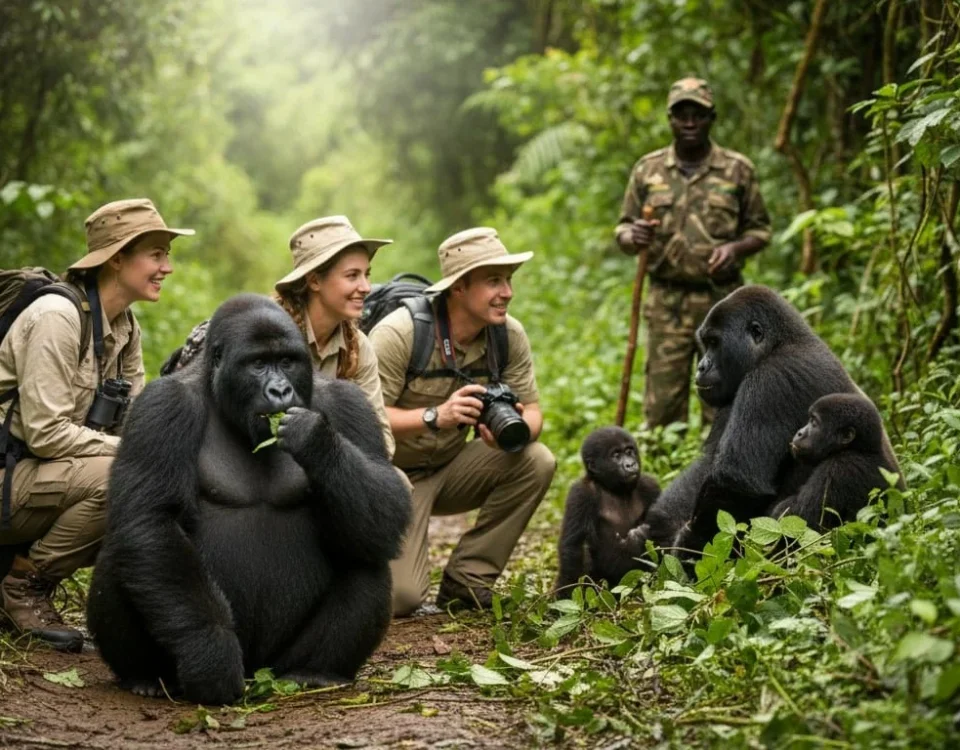
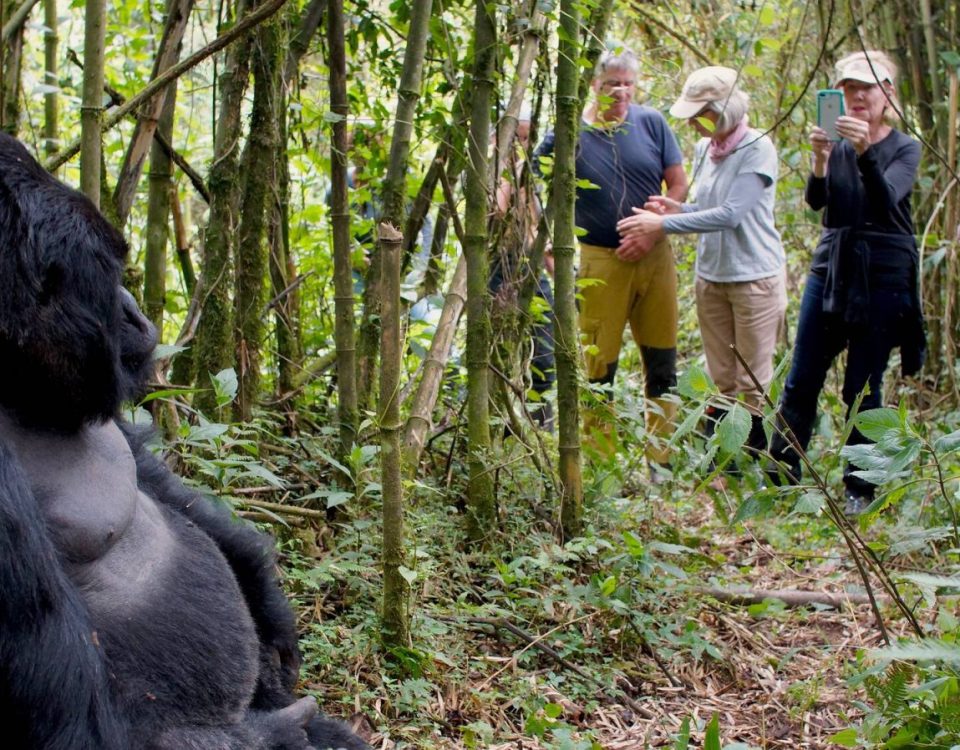
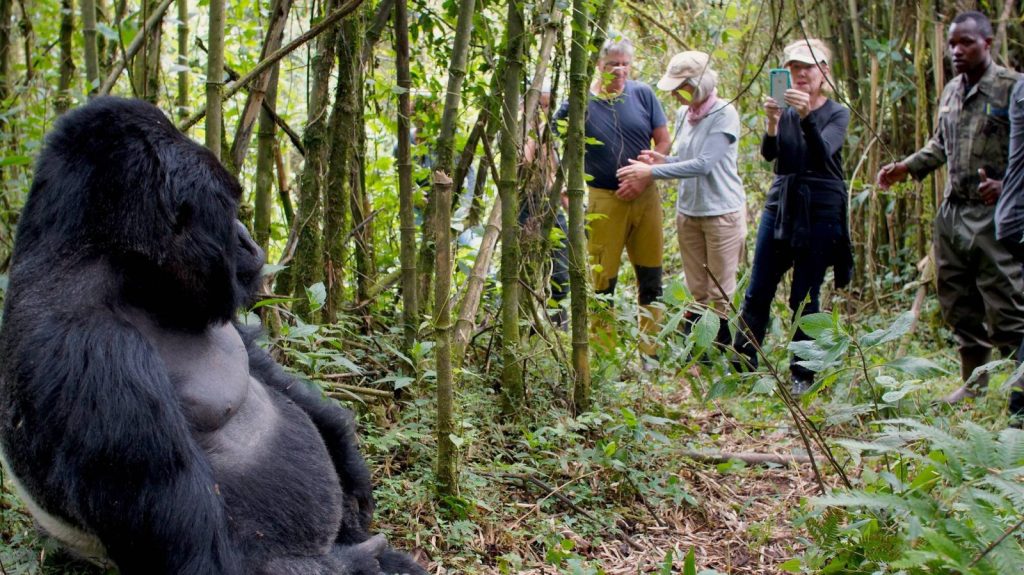
Visitors still participate in a ranger-guided trek and may spend up to one hour observing a habituated gorilla family after locating it.
The lower price does not mean that visitors receive a shorter observation period or are assigned inferior gorilla families.
The purpose of seasonal pricing is partly to encourage travel during quieter periods and support tourism activity across more months of the year.
Where Are Discounted Gorilla Permits Available?
The two principal East African destinations offering seasonal gorilla permit arrangements are Uganda and Rwanda.
Uganda provides gorilla trekking in Bwindi Impenetrable National Park and Mgahinga Gorilla National Park.
Rwanda offers gorilla trekking in Volcanoes National Park.
Both countries protect endangered mountain gorillas, but their discounted permit programmes operate differently.
| Comparison | Uganda | Rwanda |
|---|---|---|
| Standard foreign visitor permit | US$800 | US$1,500 |
| Published low-season offer | US$600 for foreign non-residents | 30% conditional discount |
| Discounted amount | US$200 saving | US$450 saving |
| Qualifying months | April, May and November | November through May |
| Additional park stay required | No additional park stay specified | Yes |
| Standard gorilla viewing time | Up to 1 hour | Up to 1 hour |
The Rwanda discount is subject to its published eligibility conditions. Travellers should confirm its continued availability for their intended 2027 dates.
Discounted Gorilla Permits in Uganda for 2027
Uganda Wildlife Authority has published discounted standard gorilla tracking prices in its conservation tariff covering January 2027 through June 2028.
The rates apply specifically during April, May and November.
This makes Uganda particularly attractive to international travellers who have flexible travel dates and want to reduce the cost of their gorilla safari.
Uganda Low-Season Gorilla Permit Prices
| Visitor category | Standard rate | Low-season rate | Saving |
|---|---|---|---|
| Foreign non-resident | US$800 | US$600 | US$200 |
| Foreign resident | US$700 | US$500 | US$200 |
| Rest of Africa | US$500 | No separate rate published | Not applicable |
| East African citizen | UGX 300,000 | No separate rate published | Not applicable |
The published low-season table specifically lists foreign non-resident and foreign resident categories.
It does not provide separate discounted prices for the Rest of Africa category or eligible East African citizens.
For example, a Ugandan citizen should not assume that the normal UGX 300,000 rate receives an additional seasonal reduction.
Always confirm the visitor category that applies to your nationality and residency status.
How Much Can You Save?
The savings become more noticeable when several people travel together.
Consider four foreign non-residents booking gorilla permits for Uganda.
At the standard price, the group pays US$3,200.
During the discounted months, the permit total becomes US$2,400.
This represents a saving of US$800.
The additional money could help cover accommodation, private transfers or wildlife activities elsewhere in Uganda.
However, the total safari price will depend on the services included in your itinerary.
When Do Uganda’s Low-Season Rates Apply?
Uganda’s published low-season gorilla permit discounts apply during three months:
April: One of Uganda’s wetter months, with frequent rainfall in many parts of the country.
May: Another relatively wet month, when forest trails may remain muddy and slippery.
November: A month associated with the shorter rainy season in parts of Uganda.
The important detail is your actual trekking date.
For example, if you purchase a permit in February for a trek scheduled on 15 April 2027, the April low-season rate can apply if you meet the relevant conditions.
However, buying a permit in April for a trek scheduled in July does not qualify you for the April discount.
Are Discounted Permits Available Throughout These Months?
The published low-season months establish when the tariff applies, but they do not guarantee permit availability.
Each park still limits the number of visitors allowed to trek gorillas daily.
Popular dates may become unavailable even during discounted months.
If you have fixed travel dates, confirm availability before booking accommodation or making non-refundable travel arrangements.
Discounted Gorilla Permits in Rwanda
Rwanda’s standard international gorilla trekking permit costs US$1,500.
The Rwanda Development Board also publishes a conditional low-season discount for visitors combining gorilla trekking with other qualifying national park experiences.
Under the published arrangement, eligible visitors can receive a 30% reduction.
This reduces a standard US$1,500 permit to US$1,050.
However, the discount is subject to requirements that differ significantly from Uganda’s seasonal pricing.
Rwanda’s 30% Low-Season Discount
The published qualifying period runs from November through May.
To receive the discount, travellers must include qualifying visits to Akagera National Park, Nyungwe National Park or both.
The requirements include accommodation and paid activities.
The qualifying arrangements include either two nights in one of the designated parks or a consecutive one-night stay in each of the two parks.
The traveller must also meet the relevant paid activity and documentation requirements.
Each qualifying two-night arrangement supports one discounted gorilla trekking permit per eligible traveller.
If you want more than one discounted gorilla trek, additional qualifying stays are required under the published rules.
Example Rwanda Discount Calculation
For two standard international visitors, the regular permit cost is US$3,000.
With a qualifying 30% discount, the permit total becomes US$2,100.
The saving is US$900.
However, the travellers must pay for the qualifying accommodation and activities in the other national park or parks.
Therefore, the discount is particularly useful when you already intend to explore Akagera or Nyungwe.
If you add an expensive park visit solely to obtain the discount, your overall holiday may cost more.
Uganda vs Rwanda: Which Offers Better Low-Season Value?
Uganda generally offers the cheaper standard gorilla trekking permit for foreign non-residents.
During its published discounted months, the difference becomes particularly noticeable.
| Permit comparison | Uganda low season | Rwanda conditional low season |
|---|---|---|
| One standard international visitor | US$600 | US$1,050 |
| Two visitors | US$1,200 | US$2,100 |
| Four visitors | US$2,400 | US$4,200 |
| Additional park stay required | No | Yes, under qualifying conditions |
The Rwanda figures assume eligibility for the published 30% discount.
For two travellers, Uganda’s low-season permits cost US$900 less than Rwanda’s conditionally discounted permits.
However, Rwanda offers easier road access from Kigali to Volcanoes National Park.
Uganda typically requires a longer journey from Entebbe to Bwindi, unless you arrange domestic flights or travel through another route.
You should therefore compare the complete cost of the safari rather than the permit alone.
Are Low-Season Gorilla Treks Worth Booking?
Low-season gorilla trekking can provide excellent value, particularly for travellers who are comfortable with unpredictable weather.
Mountain gorillas remain in their natural habitats throughout the year.
They continue feeding, resting, grooming and interacting regardless of tourist seasons.
A discounted permit does not provide a different gorilla viewing experience from a regular standard permit.
Advantages of Low-Season Gorilla Trekking
One advantage is the lower permit price.
For foreign non-residents visiting Uganda, the US$200 saving per person can make a meaningful difference.
Another potential benefit is greater flexibility when booking accommodation.
Some lodges experience lower demand during rainy periods and may offer competitive rates.
Travellers may also encounter fewer tourists at certain lodges and along popular travel routes.
However, these benefits depend on actual demand and cannot be guaranteed.
Disadvantages of Low-Season Gorilla Trekking
Rainfall is the main challenge.
Bwindi and Volcanoes National Park contain mountainous rainforest environments where conditions can change quickly.
Heavy rain may make trails muddy, slippery and physically demanding.
Photographers may also encounter cloudy conditions and reduced natural light.
Road transfers may take longer when final access roads become wet.
If you are uncomfortable hiking in muddy conditions, the regular dry-season months may be more suitable despite the higher permit price.
Does Rain Affect Gorilla Sightings?
Rain does not automatically prevent gorilla trekking.
Mountain gorillas live in these forests throughout the year and remain active during wet conditions.
Experienced trackers and ranger guides continue locating gorilla families according to the park’s operational procedures.
However, rain can affect walking conditions and visibility.
The gorillas may shelter under thick vegetation or move through areas that are difficult to access.
Your guide may need to adjust the route or pace.
The standard maximum viewing period remains one hour once the gorilla family has been located.
Neither dry-season nor low-season trekking guarantees perfect photographs or close-up sightings.
How to Book Discounted Gorilla Permits Step by Step
Step 1: Choose Your Country
Start by deciding whether Uganda or Rwanda suits your budget and travel preferences.
Uganda offers straightforward published low-season pricing during April, May and November.
Rwanda offers a conditional discount for qualifying combined national park itineraries.
Step 2: Confirm Your Eligibility
Check your nationality and residency category.
For Uganda, foreign non-residents and foreign residents have separately published low-season prices.
In Rwanda, the low-season programme has additional itinerary requirements.
Do not assume every regional or promotional rate can be combined with another discount.
Step 3: Select the Correct Travel Dates
Your trekking date must fall within the applicable low-season period.
For Uganda, the months are April, May and November.
For Rwanda, the published programme covers November through May, subject to the qualifying conditions and its validity for your chosen year.
Step 4: Check Permit Availability
Ask the relevant booking authority or authorised safari operator to confirm available permits.
Provide your preferred date, alternative dates, number of travellers and visitor categories.
For Uganda, confirm the Bwindi sector or Mgahinga location.
Step 5: Verify the Discounted Price
Request written confirmation of the amount payable.
The quotation should identify your visitor category and the discounted permit price.
For Rwanda, confirm that the required accommodation and paid activities satisfy the low-season programme.
Step 6: Complete Payment
Follow the authorised booking and payment procedures.
Avoid sending permit payments to unverified individuals.
Keep receipts and written confirmation of your transaction.
Step 7: Confirm Your Permit Details
Check your name, trekking date, national park and permit category.
For Bwindi, confirm the trekking sector before booking a lodge.
Step 8: Arrange Accommodation and Transfers
Choose accommodation near your briefing point.
Plan to arrive at least one day before trekking.
Allow extra travel time during rainy months, especially where the final road access may be affected by mud.
What Should You Pack for a Low-Season Gorilla Trek?
Preparing for rain can make a considerable difference to your comfort.
Bring waterproof hiking boots with good grip, long trousers and a lightweight rain jacket.
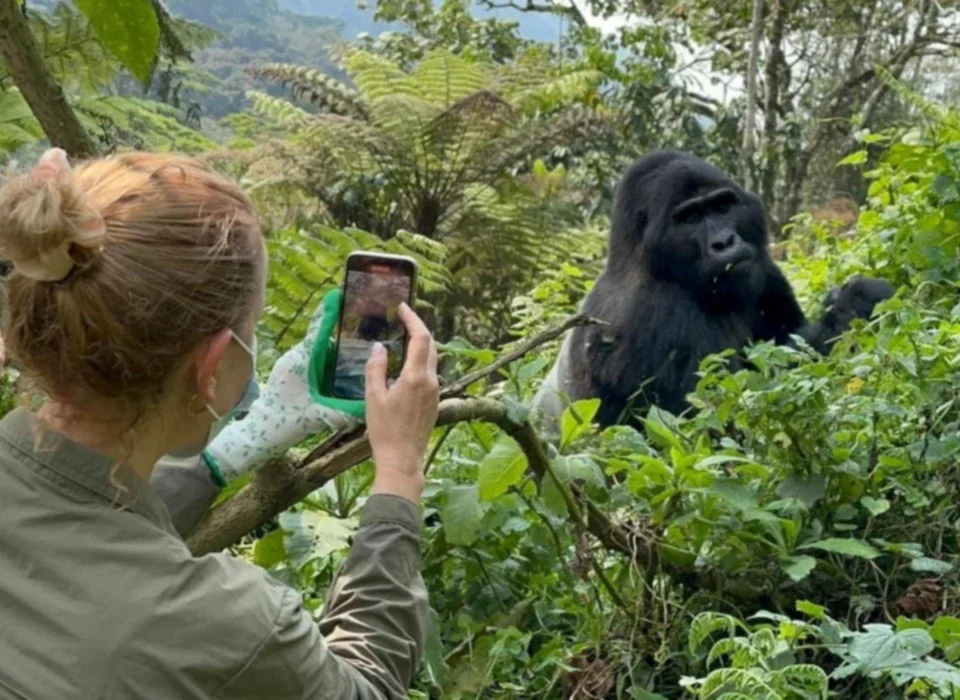
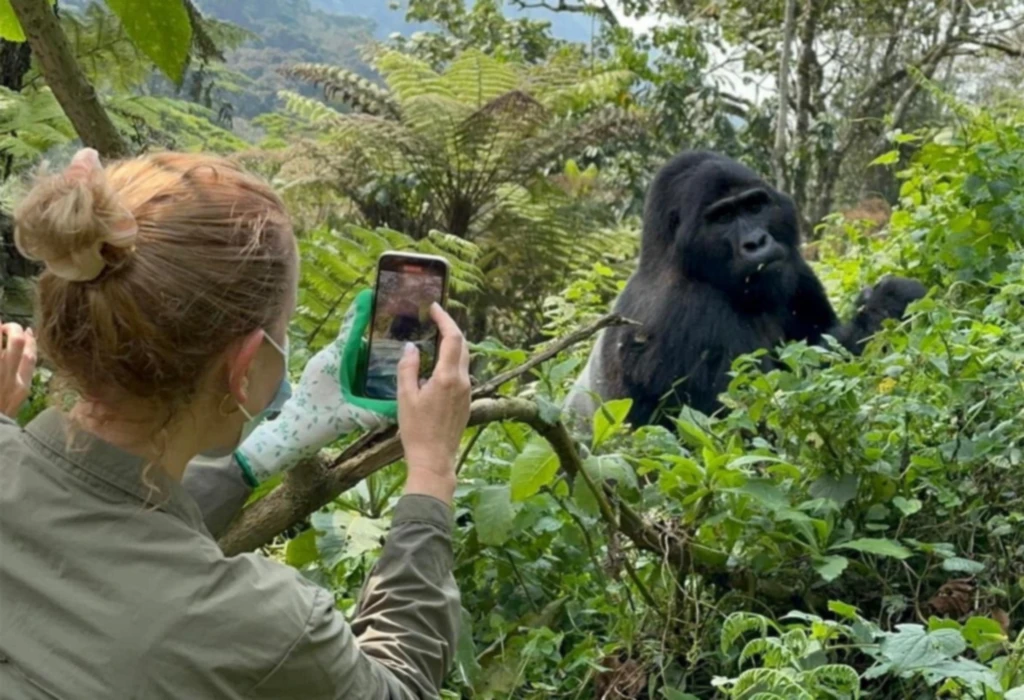
Gardening-style gloves may help protect your hands when holding vegetation along steep trails, where permitted by the guide.
A small daypack with a waterproof cover is useful for carrying water, lunch and personal belongings.
Photographers should protect camera equipment from moisture and carry spare batteries.
Avoid unnecessary heavy equipment because trekking can last several hours.
Consider hiring a porter if you need help carrying your bag or navigating difficult sections.
Can You Get Discounted Gorilla Habituation Permits?
Gorilla habituation is a separate activity from standard gorilla trekking.
In Uganda, the habituation experience allows up to four hours observing a gorilla group undergoing habituation.
The published foreign non-resident permit price for 2027 is US$1,800.
The official low-season tariff specifically lists discounted rates for standard gorilla tracking and chimpanzee tracking.
It does not publish a separate low-season gorilla habituation discount.
Therefore, visitors should not assume that the US$600 standard gorilla trekking permit can be used for a four-hour habituation experience.
If habituation is your preferred activity, confirm the applicable permit price before booking.
Common Mistakes When Booking Discounted Gorilla Permits
One common mistake is assuming that every rainy-season month qualifies for discounted prices.
Uganda’s official discount applies only to April, May and November.
Another mistake is assuming that booking during a qualifying month guarantees a permit.
Daily visitor numbers remain limited, and permits can become unavailable.
Travellers may also misunderstand Rwanda’s promotional programme by assuming that the 30% discount applies automatically without visiting other national parks.
Finally, some visitors focus only on the permit saving without considering additional accommodation, transfers and itinerary requirements.
Always compare the full safari cost before choosing a discounted permit.
Frequently Asked Questions About Discounted Gorilla Permits
1. Which months offer discounted gorilla permits in Uganda?
Uganda’s published low-season months are April, May and November.
2. How much is a discounted Uganda gorilla permit in 2027?
Foreign non-residents pay US$600, while eligible foreign residents pay US$500 during the published low-season months.
3. Do Ugandan citizens receive an additional low-season discount?
The published low-season table does not list a separate discounted rate for East African citizens. The standard eligible citizen rate is UGX 300,000.
4. Does Rwanda offer discounted gorilla permits?
Yes. Rwanda publishes a conditional 30% low-season discount for qualifying combined national park visits.
5. Can you get a Rwanda discount without visiting another national park?
The published 30% low-season programme requires qualifying visits to Akagera, Nyungwe or both. A gorilla-only visit does not meet those conditions.
6. Is gorilla trekking cheaper during April and May?
In Uganda, eligible foreign non-residents and foreign residents can benefit from the published discounted rates during these months.
7. Does a discounted permit provide less time with the gorillas?
No. Standard gorilla trekking still allows up to one hour observing the gorillas after they have been located.
8. Can you change a discounted gorilla permit date?
Date changes depend on the issuing authority’s current rules, availability and applicable conditions. Confirm the amendment and refund terms before paying.
9. Are discounted gorilla permits available at the last minute?
They may be available if spaces remain, but no availability is guaranteed. Booking early is safer when you have fixed travel dates.
10. Is low-season gorilla trekking suitable for first-time visitors?
Yes, provided you are comfortable with the possibility of muddy trails and changing weather. Proper preparation and a suitable itinerary are important.
Discounted gorilla permits offer a practical opportunity to reduce the cost of mountain gorilla trekking in Uganda and Rwanda.
For 2027, Uganda’s published low-season rates provide particularly clear savings.
Foreign non-residents can pay US$600 instead of US$800 during April, May and November, while eligible foreign residents pay US$500 instead of US$700.
Rwanda’s conditional 30% low-season discount can also provide savings, particularly for travellers already planning to explore Akagera or Nyungwe National Park.
However, Rwanda’s programme requires additional qualifying activities and accommodation, so the total savings depend on your itinerary.
Before booking, confirm your visitor category, trekking date, permit availability and any promotional conditions.
Consider the weather and choose suitable accommodation close to your trekking starting point.
For travellers whose main priority is affordable gorilla trekking, Uganda’s April, May and November permit rates offer some of the clearest published savings for 2027.