How Climate Change Is Affecting Gorilla Habitats
Climate change is affecting gorilla habitats by altering rainfall patterns, increasing temperatures and influencing the availability of food and water within African tropical forests. Mountain gorillas in Uganda, Rwanda and the Democratic Republic of Congo depend on healthy forest environments for survival, reproduction and protection.
Although gorillas can adapt to certain environmental changes, prolonged droughts, heavy rainfall, habitat degradation and changing vegetation patterns may create additional challenges. These pressures are particularly concerning because many gorilla populations already occupy restricted habitats surrounded by agricultural land and human settlements.
Conservation organisations, wildlife authorities and neighbouring communities are working to protect forests and improve their resilience to environmental changes. Understanding how climate change affects gorilla habitats helps travellers appreciate the importance of responsible tourism, forest protection and long-term wildlife conservation.
Understanding the Natural Habitat of Mountain Gorillas
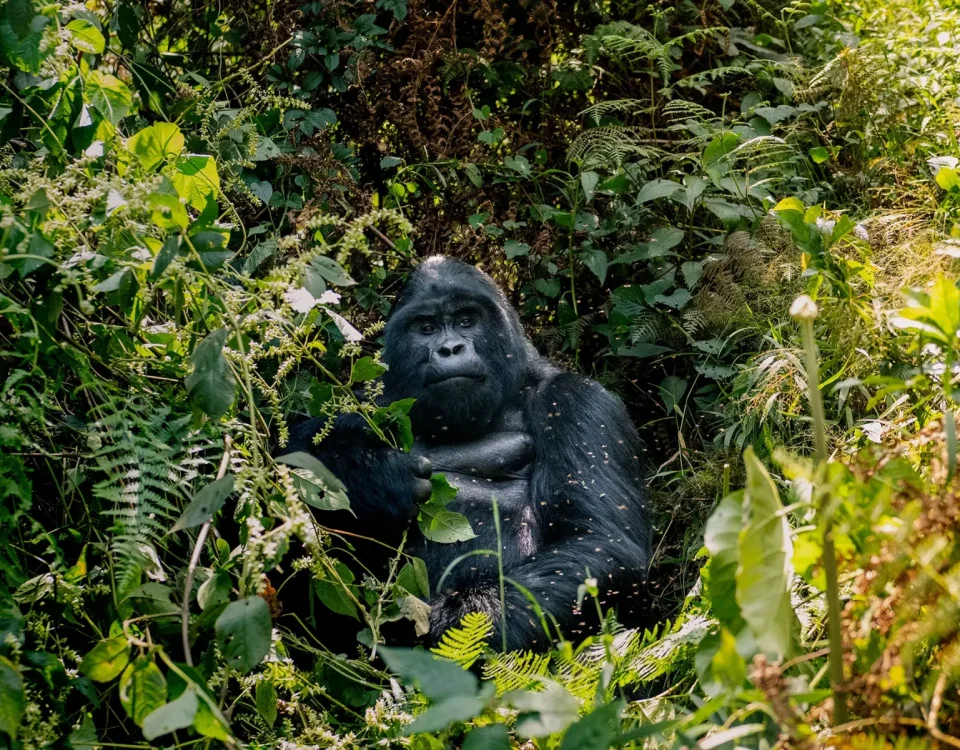
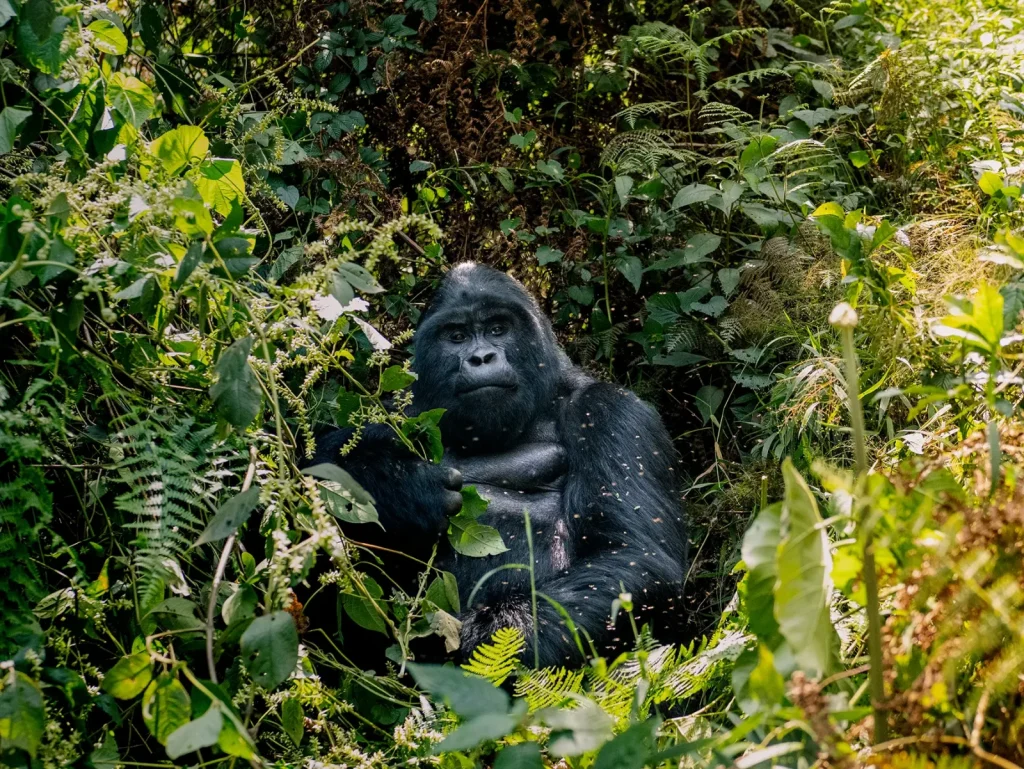
Mountain gorillas live in two geographically separated populations within East and Central Africa. One inhabits Bwindi Impenetrable National Park in Uganda, while the other occupies the Virunga mountain region shared by Uganda, Rwanda and the Democratic Republic of Congo.
These forests contain dense vegetation, bamboo, flowering plants, streams and mountainous landscapes. Gorillas depend on these natural resources for food, shelter and suitable nesting locations.
| Gorilla habitat | Country | Main environmental characteristics |
|---|---|---|
| Bwindi Impenetrable National Park | Uganda | Dense tropical mountain forest |
| Mgahinga Gorilla National Park | Uganda | Bamboo forests and volcanic mountains |
| Volcanoes National Park | Rwanda | Mountain forests and bamboo vegetation |
| Virunga National Park | DR Congo | Diverse volcanic and forest habitats |
The limited geographical range of mountain gorillas makes protecting their existing habitats particularly important.
How Climate Change Is Affecting Gorilla Habitats
Rising Temperatures
Increasing temperatures may alter the environmental conditions that mountain gorillas have adapted to over generations.
Mountain forests generally provide cooler temperatures than surrounding lowland regions. As temperatures increase, gorillas may experience greater heat-related stress and changes in their daily activities.
A scientific study published in 2022 examined water-drinking behaviour among 21 mountain gorilla groups in Bwindi and the Virunga region between 2010 and 2020.
Researchers found that gorillas drank water more frequently when maximum temperatures increased. This finding is particularly important because mountain gorillas obtain much of their water through the vegetation they consume.
Higher temperatures could therefore increase their dependence on natural water sources.
Changing Rainfall Patterns
Rainfall supports the growth of vegetation that provides food and shelter for mountain gorillas. Changes in rainfall timing, intensity and distribution can influence forest conditions.
Prolonged dry periods may reduce soil moisture and affect plant growth. Heavy rainfall can increase soil erosion, damage vegetation and cause landslides.
Although mountain gorillas naturally experience seasonal rainfall, increasingly unpredictable weather could make their habitats more difficult to navigate and affect the availability of certain resources.
Changes in Food Availability
Mountain gorillas primarily consume leaves, stems, shoots, roots and other plant materials. Gorillas in Bwindi also consume various seasonal fruits.
Climate change may influence flowering periods, fruit production and vegetation growth. Some plant species could become less abundant in particular locations as temperatures and rainfall patterns change.
Mountain gorillas have relatively flexible diets, which provides some protection against environmental changes. However, significant alterations in vegetation could require gorillas to spend more time searching for suitable food.
Researchers continue studying how future climate conditions may affect the nutritional quality and distribution of gorilla food plants.
Reduced Availability of Fresh Water
Healthy forests help regulate water supplies by retaining moisture, protecting soils and supporting streams.
Extended dry periods may reduce the availability of some natural water sources. Increasing temperatures could simultaneously increase the amount of water gorillas require.
This combination may influence gorilla movements and their use of different forest areas.
Protecting streams, wetlands and forest vegetation is therefore an important part of climate-related gorilla conservation.
Major Climate Change Threats to Gorilla Habitats
| Environmental change | Potential impact on gorillas |
|---|---|
| Rising temperatures | Increased heat stress and water requirements |
| Prolonged drought | Reduced vegetation growth and water availability |
| Heavy rainfall | Soil erosion and habitat disturbance |
| Changing vegetation | Altered distribution of food plants |
| Increased wildfire risk | Potential loss of forest habitat |
| Changing disease patterns | New or increased health risks |
| Agricultural pressure | Greater competition for land and natural resources |
The severity of these impacts depends on local conditions, future climate patterns and the effectiveness of conservation programmes.
Climate Change and Gorilla Health
Increased Risk of Disease
Climate change may alter the geographical distribution of insects, parasites and disease-causing organisms.
Gorillas are already vulnerable to several infectious diseases, including respiratory infections that can spread between humans and great apes.
Changing environmental conditions could introduce additional health challenges or influence existing disease patterns.
Veterinary organisations such as Gorilla Doctors monitor wild gorilla populations, investigate illnesses and provide medical interventions when necessary.
However, scientists have not established that climate change directly causes every disease outbreak affecting gorillas.
Heat Stress and Behavioural Changes
Warmer conditions may influence when gorillas feed, rest and travel through the forest.
Animals may spend additional time in shaded areas or visit water sources more frequently during hotter periods.
Changes in daily behaviour could affect feeding opportunities and interactions between gorilla groups.
Long-term scientific monitoring helps researchers distinguish normal behavioural variations from changes associated with environmental pressures.
Why Mountain Gorillas Cannot Easily Relocate
Many wildlife species respond to changing environmental conditions by moving into more suitable habitats. Mountain gorillas have limited opportunities to do this.
Their protected forests are surrounded by agricultural land, settlements and other developed areas. Moving beyond established habitats can expose gorillas to human conflict, disease transmission and unfamiliar environmental conditions.
Higher mountain elevations may also contain unsuitable vegetation or insufficient space to support additional gorilla populations.
Protecting existing forests and restoring appropriate neighbouring habitats can help provide greater environmental security.
How Climate Change Affects Communities Near Gorilla Habitats
Communities surrounding Bwindi, Mgahinga and Volcanoes National Park depend heavily on agriculture and natural resources.
Unpredictable rainfall, drought and soil erosion can affect crop production and household incomes.
When farming becomes less productive, some households may face increased pressure to collect firewood, expand agricultural land or obtain other resources from protected forests.
Supporting climate-resilient farming, alternative energy sources and sustainable employment can reduce these pressures.
Responsible gorilla tourism also provides employment through guiding, accommodation, transportation, handicraft production and porter services.
Conservation Efforts to Protect Gorilla Habitats
Forest Restoration
Planting suitable indigenous trees and restoring degraded land can improve environmental conditions around protected forests.
Healthy vegetation supports biodiversity, reduces soil erosion and helps maintain natural water supplies.
Restoration programmes must consider the ecological requirements of gorillas and other wildlife species.
Scientific Research and Climate Monitoring
Researchers monitor temperature changes, rainfall patterns, vegetation growth, gorilla health and feeding behaviour.
Long-term research helps conservation organisations identify emerging threats and develop appropriate management strategies.
Community Conservation Programmes
Working with neighbouring communities is essential for protecting gorilla habitats.
Environmental education, sustainable farming, clean cooking technologies and tourism employment can reduce dependence on protected forest resources.
International Conservation Cooperation
Mountain gorillas occupy habitats shared by Uganda, Rwanda and the Democratic Republic of Congo.
Cooperation between wildlife authorities, researchers and conservation organisations helps improve monitoring, disease prevention and habitat protection throughout the region.
How Climate Change Could Affect Gorilla Trekking Tourism
Changing weather conditions may influence the practical arrangements surrounding gorilla trekking.
Visitors could experience more unpredictable rainfall, difficult forest trails and occasional transport disruptions.
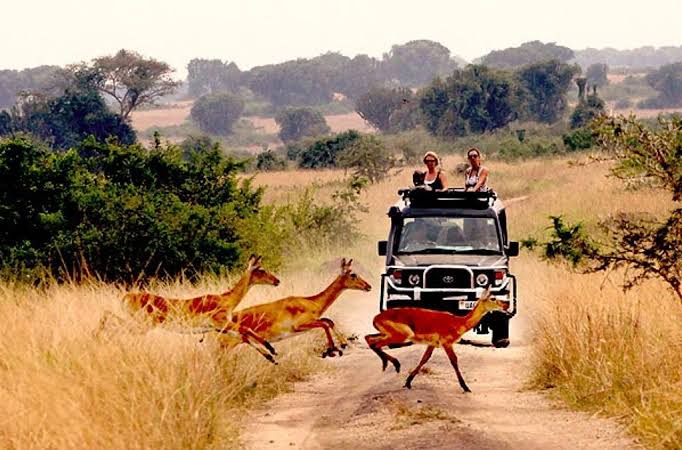
Safari operators may need to provide more flexible itineraries, reliable four-wheel-drive vehicles and improved weather protection.
However, climate change does not mean gorilla trekking will necessarily disappear. Effective conservation and responsible tourism remain important contributors to protecting gorilla populations.
How Travellers Can Help Protect Gorilla Habitats
Visitors can contribute to conservation through responsible travel choices.
Choose licensed safari operators, respect national park regulations and support community-managed tourism activities.
Avoid unnecessary plastic waste, conserve water at accommodation facilities and follow all gorilla trekking health requirements.
Do not participate in trekking when experiencing symptoms of contagious illness. Maintain the required viewing distance and follow instructions provided by park rangers.
Purchasing locally produced goods and hiring community porters also helps distribute tourism income among neighbouring households.
Frequently Asked Questions
Is climate change the biggest threat to mountain gorillas?
Climate change is an important emerging threat. Habitat loss, infectious diseases, snares and human pressures remain significant conservation concerns.
Can mountain gorillas adapt to climate change?
Mountain gorillas possess some environmental resilience and dietary flexibility. However, restricted habitats may limit their ability to adapt to substantial environmental changes.
Does global warming affect gorilla food supplies?
Potentially. Rising temperatures and changing rainfall patterns may influence plant growth, fruit production and the distribution of suitable food plants.
Can gorilla tourism help fight climate change?
Responsible tourism can support forest conservation, scientific research and community livelihoods. Tourism businesses should also work to reduce their own environmental impact.
Will climate change affect the best time for gorilla trekking?
Changing rainfall patterns could make traditional trekking seasons less predictable. Travellers should prepare for variable weather throughout the year.
Climate change is affecting gorilla habitats through rising temperatures, changing rainfall and increasing pressure on natural resources. Although mountain gorillas possess some ability to adapt, their restricted geographical range creates significant long-term challenges.
Protecting existing forests, supporting neighbouring communities, monitoring gorilla health and encouraging responsible tourism are essential measures for safeguarding these endangered animals and their natural habitats.