When Is the Best Time to Visit Queen Elizabeth National Park?
The best time to visit Queen Elizabeth National Park is generally between June and September or December and February, when rainfall tends to be lower, wildlife viewing is rewarding and unpaved roads are easier to navigate. However, this popular Ugandan national park welcomes visitors throughout the year, with each season offering different wildlife experiences.
Located in western Uganda, Queen Elizabeth National Park features open savannah, tropical forests, crater lakes, wetlands and the famous Kazinga Channel. Visitors can enjoy game drives, boat cruises, chimpanzee trekking, birdwatching and cultural experiences.
The relatively dry months are attractive for wildlife photography and traditional game drives, while wetter months provide greener landscapes, seasonal migratory birds and potentially quieter accommodation.
Understanding seasonal weather patterns, wildlife movements and tourism demand helps you choose the most suitable time for your Uganda safari.
Best Time to Visit Queen Elizabeth National Park at a Glance
Although Uganda experiences two relatively dry seasons, local rainfall patterns vary across Queen Elizabeth National Park. January, February, June and July are particularly attractive for visitors prioritising comfortable game drives.
| Month | General weather | Safari expectations |
|---|---|---|
| January | Warm and relatively dry | Excellent wildlife viewing |
| February | Relatively dry | Good game drives |
| March | Increasing rainfall | Green landscapes |
| April | Frequent rainfall | Challenging road conditions |
| May | Wet conditions | Good birdwatching opportunities |
| June | Decreasing rainfall | Improving road accessibility |
| July | Relatively dry | Excellent safari conditions |
| August | Variable rainfall | Popular travel period |
| September | Increasing rainfall | Good wildlife diversity |
| October | Frequent showers | Green landscapes |
| November | Rainy conditions | Migratory birdwatching |
| December | Becoming drier | Good wildlife viewing |
These seasonal patterns provide general guidance rather than guaranteed weather forecasts.
Understanding Queen Elizabeth National Park’s Climate
Queen Elizabeth National Park experiences a tropical climate influenced by its location within the Albertine Rift Valley, surrounding mountains and extensive water bodies.
Daytime temperatures commonly range between approximately 25°C and 30°C, while mornings and evenings are cooler.
Rainfall varies considerably between different sections of the park. Areas surrounding the Kazinga Channel generally receive less rainfall than some surrounding forested and mountainous locations.
Visitors should prepare for warm afternoons, occasional showers and changing road conditions throughout the year.
Visiting Queen Elizabeth National Park During the Dry Season
June to August
June and July generally provide relatively dry conditions, making wildlife viewing and road transfers more comfortable. August remains popular, although rainfall may begin increasing.
Reduced vegetation growth can improve visibility across open grasslands, allowing visitors to locate animals more easily.
Elephants, buffaloes and antelopes frequently visit permanent water sources, providing rewarding wildlife photography opportunities.
These months are particularly suitable for combining Queen Elizabeth National Park with gorilla trekking in Bwindi and chimpanzee trekking in Kibale.
However, accommodation demand increases during international summer holidays. Booking several months ahead is advisable.
December to February
The shorter dry season provides another excellent opportunity to explore Queen Elizabeth National Park.
January and February generally offer favourable game drive conditions and comfortable outdoor experiences.
December attracts travellers celebrating Christmas and New Year, making accommodation reservations particularly important.
This period also suits birdwatchers because several migratory species remain present within Uganda’s wetlands and savannah habitats.
Visiting Queen Elizabeth National Park During the Rainy Season
March to May
The longer rainy season brings fresh vegetation, flowering plants and beautiful green landscapes.
Animals become more widely distributed as temporary water sources develop throughout the park. Taller grasses may also make certain wildlife species more difficult to locate.
April is generally among the wetter months, and unpaved roads can become muddy.
Nevertheless, visitors can enjoy rewarding wildlife encounters, attractive photography opportunities and potentially lower accommodation prices.
September to November
Rainfall generally increases during this period, although September can still provide favourable safari conditions.
October and November offer particularly green landscapes and interesting birdwatching opportunities.
Visitors should use reliable four-wheel-drive vehicles and allow additional travelling time when exploring remote sections of the park.
Best Time for Wildlife Game Drives
The relatively dry months are generally preferable for traditional game drives, particularly around the Kasenyi plains.
This area supports Uganda kob, buffaloes, elephants, waterbuck, warthogs and several predator species.
Early morning and late afternoon game drives are particularly rewarding because temperatures are cooler and many animals are active.
Lions and leopards can be encountered throughout the year, although sightings depend on their movements.
| Wildlife species | Recommended viewing period |
|---|---|
| African elephants | Year-round, especially drier months |
| Lions | Year-round |
| Uganda kob | Year-round |
| African buffaloes | Year-round |
| Leopards | Early morning and late afternoon |
| Hippos | Year-round |
| Nile crocodiles | Year-round |
No season guarantees sightings of particular animals.
Best Time for the Kazinga Channel Boat Cruise
The Kazinga Channel connects Lake George and Lake Edward, providing one of Uganda’s finest boat safari experiences.
Boat cruises operate throughout the year, subject to weather and operational conditions.
During relatively dry periods, elephants and buffaloes may gather along the shoreline to drink. Hippos and Nile crocodiles remain permanent attractions.
Birdwatchers can observe African fish eagles, pelicans, kingfishers, cormorants and other waterbirds.
Afternoon cruises are particularly popular because animals may approach the water during warmer conditions.
Morning cruises can offer softer photographic light and comfortable temperatures.
Best Time to See Tree-Climbing Lions in Ishasha
The Ishasha sector is historically famous for its tree-climbing lions. These predators sometimes rest in large fig trees, providing unusual wildlife photography opportunities.
Relatively dry months generally improve access to this remote southern section of the park.
However, tree-climbing behaviour depends on individual animals, environmental conditions and other factors.
Lion populations in Ishasha have faced significant conservation challenges. Visitors should therefore confirm recent wildlife sightings and local travel conditions before including this sector in their itinerary.
Avoid planning an entire safari around guaranteed tree-climbing lion encounters.
Best Time for Birdwatching in Queen Elizabeth National Park
Queen Elizabeth National Park has more than 600 recorded bird species, making it an exceptional destination for birdwatching.
November to April is particularly attractive because seasonal migratory birds supplement the park’s resident species.
The wetter months can also provide opportunities to observe breeding behaviour and colourful plumage among some birds.
Important birdwatching locations include:
-
Kazinga Channel.
-
Mweya Peninsula.
-
Maramagambo Forest.
-
Kasenyi plains.
-
Lake Katwe.
-
Kyambura Gorge.
-
Lake Kikorongo.
Visitors interested in specialist birdwatching should arrange an experienced guide and carry suitable binoculars.
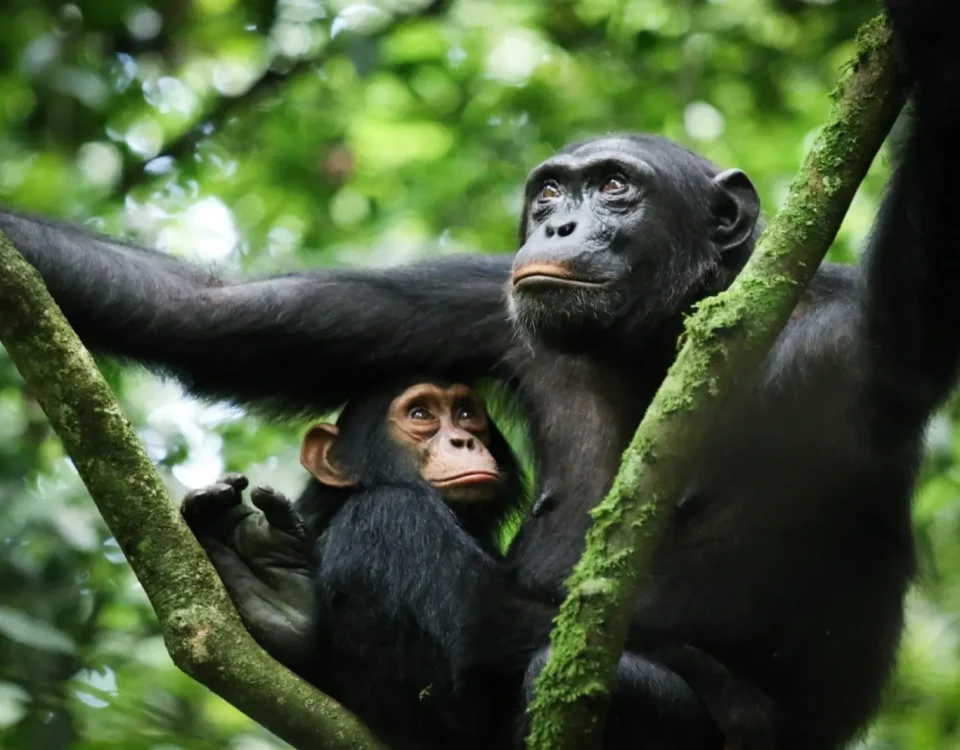
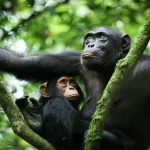
Best Time for Chimpanzee Trekking in Kyambura Gorge
Kyambura Gorge contains tropical forest vegetation surrounded by the park’s open savannah landscapes.
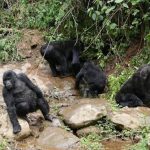
Chimpanzee trekking takes place throughout the year, subject to availability and suitable forest conditions.
January, February, June and July generally provide more manageable walking conditions because forest trails may be less slippery.
The rainy months offer beautiful vegetation but can make descending into the gorge more physically demanding.
Chimpanzee sightings are not guaranteed because the animals move freely through the forest.
Dry Season vs Rainy Season Safari Comparison
| Travel consideration | Dry season | Rainy season |
|---|---|---|
| Wildlife visibility | Generally better | Occasionally reduced by vegetation |
| Road conditions | Generally easier | Muddy and slippery |
| Accommodation demand | Higher | Potentially lower |
| Landscape photography | Open grasslands | Beautiful green scenery |
| Birdwatching | Excellent | Excellent, including seasonal migrants |
| Boat cruises | Available | Available under suitable conditions |
| Safari expenses | Potentially higher | Possible accommodation savings |
Budget travellers may prefer quieter rainy months, while first-time safari visitors may find relatively dry conditions more comfortable.
Recommended Three-Day Queen Elizabeth Safari
| Day | Destination | Main activity |
|---|---|---|
| Day 1 | Queen Elizabeth National Park | Transfer and afternoon game drive |
| Day 2 | Kasenyi and Kazinga Channel | Morning game drive and boat cruise |
| Day 3 | Kyambura Gorge | Optional chimpanzee trekking and departure |
Travellers with additional holiday time can include Bwindi Impenetrable National Park, Kibale National Park or Lake Bunyonyi.
What to Pack for Queen Elizabeth National Park
Pack lightweight clothing, comfortable walking shoes, sunscreen, insect repellent, binoculars, a wide-brimmed hat and a waterproof jacket.
During rainy months, carry waterproof footwear and protective bags for cameras and electronic equipment.
Neutral clothing colours are suitable for wildlife activities. Carry sufficient drinking water during game drives, particularly when temperatures increase.
Consult a travel health professional about malaria prevention and recommended vaccinations before departure.
Frequently Asked Questions
Which month is best for visiting Queen Elizabeth National Park?
January, February, June and July generally offer favourable wildlife viewing and comfortable road conditions.
Can I visit Queen Elizabeth National Park in April?
Yes. April offers green landscapes, birdwatching and potentially quieter accommodation. However, prepare for rainfall and muddy roads.
When is the best time to see elephants?
Elephants can be observed throughout the year. Relatively dry periods may increase opportunities to see them near permanent water sources.
Is November a good month for birdwatching?
Yes. November is attractive because seasonal migratory birds are present alongside resident species.
How many days should I spend in Queen Elizabeth National Park?
Three to four days provide sufficient time for game drives, boat cruises and selected additional activities.
The best time to visit Queen Elizabeth National Park depends on your wildlife interests, budget and preferred travelling conditions. Relatively dry months provide comfortable game drives, while rainy periods offer green landscapes and rewarding birdwatching. With suitable preparation, every season provides opportunities to explore this diverse Ugandan national park.