Uganda’s Two Rainy Seasons Explained for Safari Planners
Understanding Uganda’s two rainy seasons helps safari planners choose suitable travel dates, prepare appropriate equipment and organise rewarding wildlife experiences. Uganda generally experiences two main rainy periods, between March and May and between September and November, although rainfall patterns vary considerably across the country.
These rainy seasons influence gorilla trekking conditions, wildlife movements, road accessibility, accommodation demand and safari expenses. While some travellers prefer the relatively dry months, others enjoy the green landscapes, quieter national parks and potential savings associated with rainy-season travel.
Uganda remains a year-round safari destination, with mountain gorilla trekking, chimpanzee encounters, wildlife game drives and boat cruises available under suitable conditions.
Understanding regional weather differences is particularly important when planning a combined safari involving Bwindi, Kibale, Queen Elizabeth, Murchison Falls or Kidepo Valley National Park.
When Are Uganda’s Two Rainy Seasons?
Uganda’s rainfall patterns are influenced by its equatorial location, large lakes, mountain ranges and seasonal movement of moist air across East Africa.
The two rainy seasons are commonly described as the long rains and short rains. However, the second rainy season can extend into December, depending on the region and prevailing weather conditions.
| Season | Months | General safari conditions |
|---|---|---|
| First rainy season | March to May | Frequent rainfall and muddy trails |
| First dry season | June to August | Generally easier forest access |
| Second rainy season | September to December | Increasing rainfall and green landscapes |
| Second dry season | January to February | Generally favourable wildlife viewing |
These patterns apply particularly to southern, central and western Uganda. Northern Uganda experiences a different rainfall cycle, with a longer wet period that often extends through the middle of the year.
Uganda’s First Rainy Season: March to May
The first rainy season generally begins during March, becomes more pronounced in April and continues throughout May.
Safari Travel in March
March represents a transition between the shorter dry season and increasing rainfall. Early March can still provide comfortable walking conditions, while later weeks may experience more frequent showers.
Travellers visiting Bwindi and Kibale should prepare for wet vegetation and increasingly muddy forest trails.
March can also offer attractive accommodation options before the busiest international safari months.
Safari Travel in April
April is generally among the wettest months in southern and western Uganda. Heavy rainfall can make unpaved roads difficult to navigate, particularly around mountainous gorilla trekking destinations.
However, national parks remain accessible when conditions permit, and wildlife activities continue.
April is especially attractive to travellers seeking discounted gorilla and chimpanzee trekking permits. Photographers may also appreciate green landscapes, dramatic skies and softer natural lighting.
Safari Travel in May
May remains relatively wet, although rainfall may gradually decrease towards June in some regions.
Forest vegetation becomes particularly attractive, and birdwatchers may encounter interesting nesting and feeding behaviour.
Travellers with flexible schedules can take advantage of low-season permit prices and potentially quieter accommodation.
Uganda’s Second Rainy Season: September to December
The second rainy season generally begins around September, with more frequent rainfall during October and November. In some areas, rainy conditions continue into December.
Safari Travel in September
September often retains some characteristics of the main dry season, particularly during its earlier weeks.
Visitors may enjoy comfortable temperatures, relatively manageable roads and rewarding wildlife encounters.
However, rainfall becomes increasingly unpredictable as the month progresses.
Safari Travel in October
October generally brings wetter conditions across many safari destinations.
Grasslands become greener, temporary water sources develop, and forest trails become increasingly slippery.
Travellers should allow additional transfer time and carry reliable waterproof equipment.
Safari Travel in November
November offers attractive opportunities for budget-conscious travellers because Uganda’s discounted gorilla and chimpanzee permits apply during this month.
Accommodation may be quieter, while seasonal migratory birds contribute to wildlife diversity.
Safari Travel in December
December often marks the gradual transition towards drier conditions in southwestern Uganda. However, rainfall may continue, and visitors should maintain flexible travel arrangements.
Christmas and New Year holidays can increase accommodation demand despite the changing weather.
How Rainfall Differs Across Uganda’s Safari Regions
One common mistake when planning a Uganda safari is assuming that all national parks experience identical weather conditions.
Rainfall varies according to elevation, geographical location and surrounding natural features.
| Safari destination | Main rainy periods | Potential challenges |
|---|---|---|
| Bwindi Impenetrable National Park | March to May, September to November | Slippery forest trails |
| Kibale National Park | March to May, September to November | Muddy forest paths |
| Queen Elizabeth National Park | March to May, September to November | Wet game tracks |
| Murchison Falls National Park | Generally April to October | Variable road conditions |
| Kidepo Valley National Park | Generally April to October | Remote road accessibility |
| Lake Mburo National Park | March to May, September to November | Muddy wildlife tracks |
Northern Uganda can receive substantial rainfall during June, July and August, even when southwestern Uganda experiences relatively dry weather.
Safari planners should therefore consider destination-specific conditions rather than relying on a single national weather calendar.
How Uganda’s Rainy Seasons Affect Gorilla Trekking
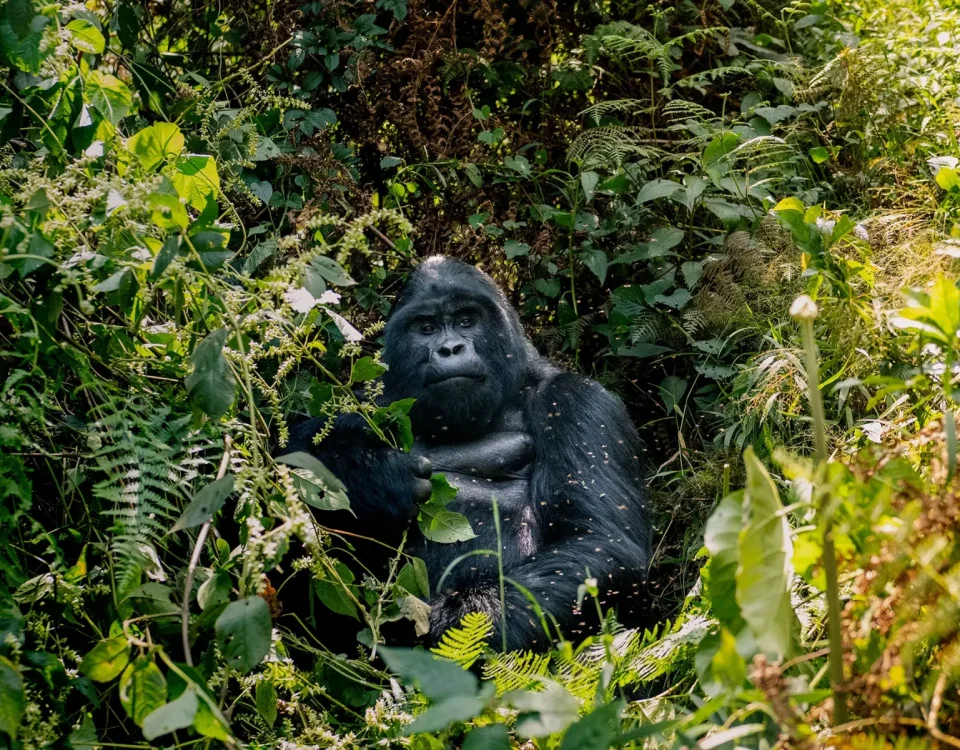
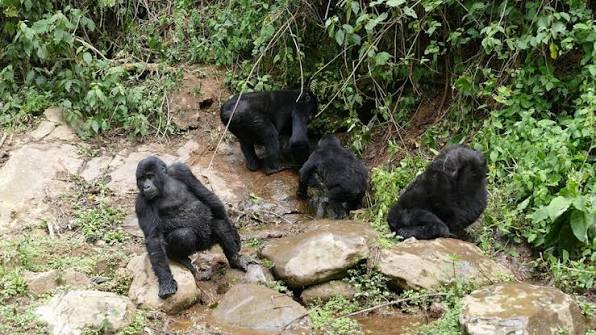
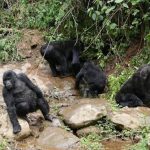
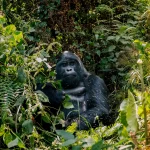
Mountain gorilla trekking operates throughout the year in Bwindi and Mgahinga, subject to safe forest conditions.
Rainfall primarily affects walking comfort, trail accessibility and transport arrangements rather than the presence of mountain gorillas.
Visitors may encounter muddy slopes, slippery tree roots and wet vegetation. Hiring a local porter and carrying a walking stick can improve stability and reduce physical strain.
Choose accommodation close to your designated trekking headquarters to avoid lengthy early morning transfers along wet mountain roads.
How Rainfall Affects Wildlife Game Drives
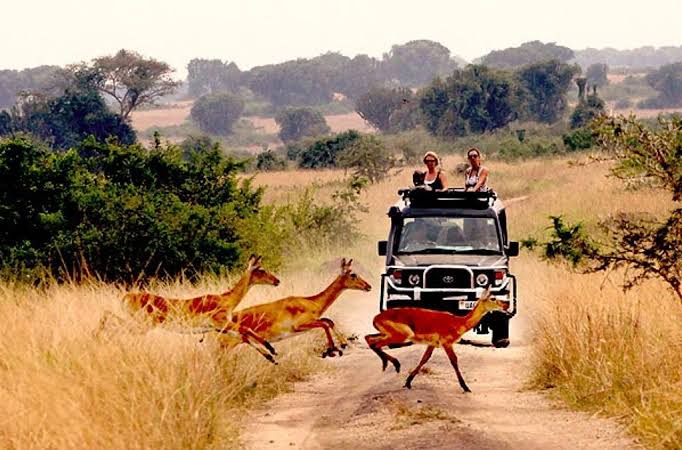
During Uganda’s rainy seasons, temporary water sources become available throughout savannah national parks. Animals may spread across wider areas rather than gathering around permanent rivers and lakes.
Tall grasses can also make smaller animals and resting predators more difficult to locate.
Nevertheless, rainy-season game drives offer attractive green landscapes, interesting animal behaviour and rewarding photographic opportunities.
Experienced guides adjust their routes according to wildlife movements and prevailing road conditions.
Rainy-Season Gorilla and Chimpanzee Permit Savings
Uganda Wildlife Authority introduced discounted primate trekking permits in February 2026 for April, May and November.
The following comparison uses standard international permit rates effective from January 2027.
| Activity | Standard permit | Low-season permit | Savings |
|---|---|---|---|
| Gorilla trekking | $800 | $600 | $200 |
| Kibale chimpanzee trekking | $300 | $200 | $100 |
| Combined permits | $1,100 | $800 | $300 |
These prices apply to foreign non-resident visitors.
A couple undertaking both activities during the designated discounted months can save $600 compared with the standard 2027 permit rates.
Discounted permits cannot be rescheduled, so confirming travel dates before purchasing them is particularly important.
Advantages of Visiting Uganda During the Rainy Season
Rainy-season safaris provide several benefits beyond discounted trekking permits.
Accommodation may be quieter, giving visitors greater flexibility when selecting comfortable lodges. Fresh vegetation creates attractive photographic backgrounds, while seasonal migratory birds contribute to wildlife diversity.
Some accommodation providers also offer lower seasonal rates, allowing travellers to upgrade their rooms or extend their holidays.
However, accommodation savings vary between properties, and popular holiday dates can remain expensive.
Challenges of Rainy-Season Safari Planning
Heavy rainfall can cause transport delays, muddy trails, reduced visibility and occasional changes to scheduled activities.
Remote roads may become temporarily inaccessible following prolonged rainfall.
Safari planners should arrange reliable four-wheel-drive vehicles, experienced local drivers and flexible transfer schedules.
Avoid booking international flights immediately after lengthy road journeys or domestic flights from remote destinations.
What to Pack for Uganda’s Rainy Seasons
| Essential item | Purpose |
|---|---|
| Waterproof hiking boots | Grip on muddy trails |
| Breathable rain jacket | Protection against rainfall |
| Quick-drying trousers | Comfortable forest walking |
| Waterproof backpack | Protecting personal belongings |
| Gardening gloves | Protection against vegetation |
| Spare hiking socks | Replacing wet socks |
| Warm fleece | Comfort during cool mornings |
| Camera rain cover | Protecting photography equipment |
| Insect repellent | Reducing insect bites |
Pack essential waterproof clothing regardless of your travel month because unexpected showers remain possible throughout the year.
Frequently Asked Questions
Which month receives the most rainfall in Uganda?
April is often among the wettest months in southern and western Uganda. However, rainfall patterns differ between regions and years.
Can I visit Uganda during both rainy seasons?
Yes. Wildlife safaris and primate trekking remain available under suitable conditions throughout the year.
Is Uganda cheaper during the rainy season?
Potentially. April, May and November offer discounted primate permits for eligible visitors, while some accommodation providers offer seasonal reductions.
Does it rain throughout the day during Uganda’s rainy seasons?
Not necessarily. Travellers may experience sunshine between showers, although prolonged rainfall is also possible.
Which rainy season is better for gorilla trekking?
Late May and early September may offer more manageable walking conditions. November is another attractive option for travellers seeking discounted permits.
Understanding Uganda’s two rainy seasons helps safari planners organise comfortable, affordable and rewarding wildlife holidays. March to May and September to December generally bring increased rainfall across southern and western Uganda, while northern destinations follow different seasonal patterns.
With reliable transport, waterproof equipment and flexible itineraries, rainy-season travel offers excellent opportunities to experience Uganda’s wildlife, beautiful landscapes and remarkable forest primates.