Gorilla Trekking in February: A Dry and Clear Month
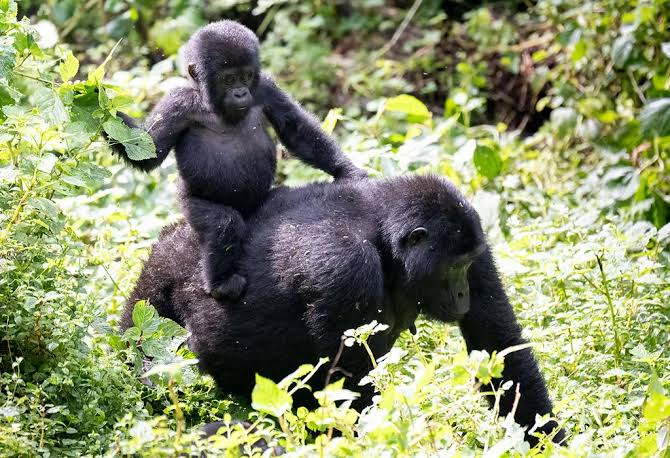
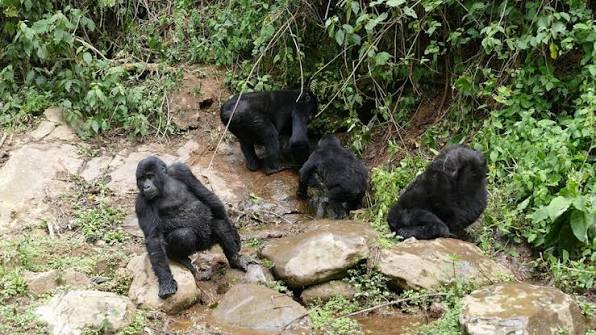
Gorilla trekking in February offers favourable weather conditions, relatively firm forest trails and rewarding mountain gorilla encounters in Uganda and Rwanda. February falls within the shorter dry season, making it an attractive month for travellers who prefer comfortable walking conditions and fewer weather-related travel disruptions.
Bwindi Impenetrable National Park, Mgahinga Gorilla National Park and Volcanoes National Park provide excellent opportunities to observe mountain gorillas during this period. Although rainfall is generally lower, tropical mountain forests remain unpredictable, and occasional showers are possible.
February is particularly suitable for couples, senior travellers, wildlife photographers and visitors combining gorilla trekking with savannah wildlife safaris. Accommodation may also be easier to secure than during July and August.
Understanding February’s weather, trekking conditions, visitor demand and travel costs helps you organise a comfortable and rewarding East African safari.
Gorilla Trekking in February at a Glance
February provides a good balance between favourable trekking conditions, comfortable temperatures and opportunities to explore other East African wildlife destinations.
| Travel consideration | February expectations |
|---|---|
| Weather | Relatively dry with occasional showers |
| Forest trails | Generally firm and manageable |
| Visitor numbers | Often lower than July and August |
| Uganda international gorilla permit | $800 |
| Rwanda international gorilla permit | $1,500 |
| Accommodation availability | Generally favourable |
| Photography | Variable natural light and clear periods |
| Recommended booking | Three to six months ahead |
Although February is considered a favourable trekking month, visitors should prepare for changing weather and reserve permits before confirming their safari arrangements.
Weather During Gorilla Trekking in February
February generally experiences lower rainfall than March, April and May. Forest trails may be less muddy, allowing visitors to navigate steep slopes and uneven ground more comfortably.
Clear mornings can provide beautiful views of forested hills and surrounding volcanic mountains. However, cloud cover and afternoon showers remain possible.
| Trekking destination | Approximate daytime temperature | General weather |
|---|---|---|
| Bwindi Impenetrable National Park | 20–26°C | Mild and relatively dry |
| Mgahinga Gorilla National Park | 17–23°C | Cool mornings and mild afternoons |
| Volcanoes National Park | 16–24°C | Variable mountain weather |
These temperature ranges are broad planning estimates. Actual conditions depend on elevation, cloud cover and local weather patterns.
Early February Weather
The first half of February generally retains the favourable conditions associated with the shorter dry season.
Visitors may enjoy relatively firm forest trails, clear skies and comfortable road transfers. This period is particularly attractive to travellers who want to minimise the challenges associated with wet forest walking.
Late February Weather
Rainfall may gradually increase towards the end of February as the longer rainy season approaches.
Visitors travelling during this period should prepare for occasional muddy paths, wet vegetation and changing visibility.
Nevertheless, late February remains suitable for gorilla trekking and other wildlife activities.
Best Destinations for Gorilla Trekking in February
Bwindi Impenetrable National Park
Bwindi is Uganda’s principal mountain gorilla trekking destination. Its four trekking sectors offer different landscapes, walking conditions and accommodation choices.
Buhoma provides established tourism facilities, while Ruhija attracts visitors interested in forest birds. Rushaga offers several habituated gorilla families, and Nkuringo features impressive mountain scenery.
February’s relatively dry weather can improve accessibility to these destinations, particularly lodges located along unpaved mountain roads.
However, trekking difficulty still depends on the location of your assigned gorilla family.
Mgahinga Gorilla National Park
Mgahinga offers mountain gorilla encounters surrounded by bamboo forests and volcanic mountains.
February provides opportunities to combine gorilla trekking with golden monkey trekking, cultural experiences and guided nature walks.
The park’s higher elevation means mornings can feel particularly cold. Visitors should carry warm clothing alongside their waterproof trekking equipment.
Mgahinga has fewer gorilla permits available than Bwindi, making advance reservations important.
Volcanoes National Park
Rwanda’s Volcanoes National Park is particularly convenient for visitors planning short gorilla trekking holidays.
The journey from Kigali to the park region generally takes two to three hours. February’s relatively favourable weather can make this transfer comfortable while providing opportunities to enjoy the surrounding volcanic scenery.
Visitors can also combine mountain gorilla trekking with golden monkey encounters, conservation exhibitions and traditional cultural experiences.
Advantages of Gorilla Trekking in February
More Comfortable Forest Walking
Reduced rainfall generally makes forest trails firmer and less slippery.
This can benefit older travellers, inexperienced hikers and visitors concerned about walking through steep mountainous terrain.
Nevertheless, mountain gorilla trekking requires reasonable physical fitness. Hiring a local porter remains advisable for anyone requiring additional assistance.
Potentially Fewer Visitors
February can be quieter than the international summer holiday months of July and August.
Travellers may have greater flexibility when selecting accommodation, arranging transport and booking additional activities.
However, standard trekking groups can still contain up to eight visitors. Travelling during February does not guarantee an exclusive gorilla encounter.
Rewarding Wildlife Photography
Clear weather can provide better visibility across surrounding mountains and forest landscapes.
Photographers may also encounter suitable natural lighting for capturing gorilla portraits and family interactions.
Bright sunlight occasionally creates strong shadows beneath the forest canopy, so understanding camera exposure settings remains important.
Better Road Accessibility
Relatively dry conditions can improve accessibility to remote accommodation facilities and gorilla trekking headquarters.
A reliable four-wheel-drive safari vehicle remains recommended, particularly when travelling through southern Bwindi’s mountainous areas.
Gorilla Trekking Permit Prices in February
February falls outside Uganda’s designated low-season permit periods. Visitors should therefore budget for standard gorilla trekking charges.
| Visitor category | Uganda permit price |
|---|---|
| Foreign non-residents | $800 |
| Foreign residents | $700 |
| Rest of Africa | $500 |
Rwanda’s standard international gorilla trekking permit costs US$1,500 per person.
For two foreign non-resident travellers, standard permits cost $1,600 in Uganda or $3,000 in Rwanda.
Travellers prioritising financial savings may consider April, May or November, when Uganda offers discounted gorilla permits to eligible visitors.
Permit prices do not include accommodation, transport and additional wildlife activities unless these form part of your safari package.
Best Wildlife Activities to Combine With February Gorilla Trekking
February provides excellent opportunities to extend your gorilla safari into other wildlife destinations.
Chimpanzee Trekking in Kibale
Kibale National Park offers rewarding chimpanzee encounters throughout February. Relatively dry forest conditions can make walking more comfortable.
Visitors can also explore Bigodi Wetland Sanctuary and the crater lakes surrounding Fort Portal.
Wildlife Viewing in Queen Elizabeth National Park
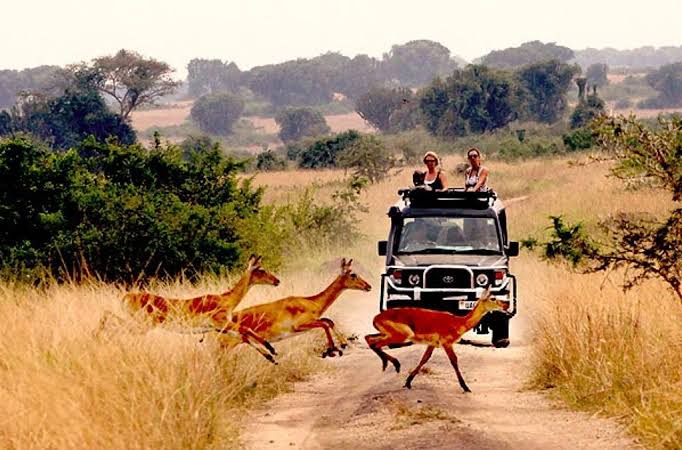
February is generally favourable for wildlife game drives and boat cruises along the Kazinga Channel.
Elephants, buffaloes, hippos and numerous antelope species inhabit the park’s diverse landscapes.
Wildebeest Calving in Tanzania
February is particularly attractive for travellers combining mountain gorilla trekking with the Great Wildebeest Migration.
Large wildebeest herds typically gather around the southern Serengeti and Ndutu region during the calving season.
Predators frequently follow these herds, creating interesting wildlife viewing opportunities. However, the precise location of migrating animals depends on rainfall and grazing conditions.
Relaxation at Lake Bunyonyi
Lake Bunyonyi provides a peaceful environment for recovering after gorilla trekking.
Visitors can enjoy lakeside accommodation, guided canoe excursions, birdwatching and countryside walks.
Recommended Seven-Day February Gorilla Safari
| Day | Destination | Main activity |
|---|---|---|
| Day 1 | Entebbe | Arrival and relaxation |
| Day 2 | Kibale National Park | Scenic transfer |
| Day 3 | Kibale Forest | Chimpanzee trekking |
| Day 4 | Queen Elizabeth National Park | Game drive and boat cruise |
| Day 5 | Bwindi | Forest lodge transfer |
| Day 6 | Bwindi Forest | Mountain gorilla trekking |
| Day 7 | Entebbe | Return journey |
Adding another night in Queen Elizabeth National Park provides more time for wildlife viewing. Domestic flights can also reduce lengthy road transfers.
What to Pack for Gorilla Trekking in February
Although February is relatively dry, visitors should prepare for unpredictable forest weather.
| Essential equipment | Purpose |
|---|---|
| Waterproof hiking boots | Grip on uneven forest trails |
| Lightweight rain jacket | Protection against sudden rainfall |
| Long trousers | Protection against vegetation |
| Long-sleeved shirts | Protection against insects and scratches |
| Gardening gloves | Hand protection |
| Warm fleece | Comfort during cool mornings |
| Sunscreen | Protection in exposed areas |
| Waterproof backpack | Protecting personal belongings |
| Camera and spare batteries | Wildlife photography |
| Drinking water | Maintaining hydration |
Avoid wearing heavy jeans because they restrict movement and take longer to dry when wet.
Carry spare hiking socks and wear comfortable clothing in layers.
Frequently Asked Questions
Is February a good month for gorilla trekking?
Yes. February generally provides relatively dry weather, comfortable forest walking conditions and rewarding mountain gorilla encounters.
Is February better than January for gorilla trekking?
Both months offer favourable conditions. January may attract more festive holiday visitors, while rainfall can increase towards the end of February.
Are gorillas easier to find in February?
Not necessarily. Gorilla movements determine trekking distances throughout the year. February’s main advantage is potentially more comfortable walking conditions.
Is gorilla trekking cheaper in February?
Standard permit prices apply in Uganda and Rwanda. However, some accommodation providers may offer more competitive prices than during July and August.
Can I combine gorilla trekking with Tanzania in February?
Yes. February is particularly attractive for combining gorilla encounters with wildebeest calving experiences in the southern Serengeti and Ndutu region.
Gorilla trekking in February offers an attractive combination of relatively dry weather, comfortable temperatures and diverse wildlife experiences. Uganda and Rwanda provide excellent mountain gorilla encounters, while Tanzania’s wildebeest calving season creates additional opportunities for extended safaris.
Reserve your permits early, prepare for unexpected rainfall and choose accommodation close to your trekking headquarters to enjoy a comfortable February gorilla safari.