The Karisoke Research Center and Modern Gorilla Science
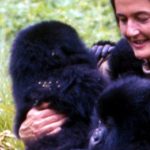
The Karisoke Research Center has played a fundamental role in advancing modern gorilla science since its establishment in Rwanda in 1967. Founded by American primatologist Dian Fossey, the research programme has developed into one of the world’s longest-running studies of wild mountain gorillas.
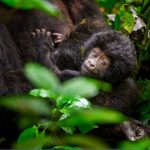
Through decades of field observations, researchers have gathered valuable information about gorilla behaviour, nutrition, reproduction, communication, genetics and social relationships. These scientific discoveries have helped conservation organisations develop more effective strategies for protecting endangered mountain gorillas.
Modern gorilla research now combines traditional forest observations with genetic analysis, digital technology, veterinary monitoring and environmental studies.
Rwandan scientists, trackers and conservation professionals play central roles in continuing this important work.
For travellers visiting Volcanoes National Park, understanding the history of Karisoke provides a deeper appreciation of mountain gorilla conservation and the scientific efforts behind every gorilla trekking experience.
What Is the Karisoke Research Center?
The Karisoke Research Center is a long-term scientific research programme dedicated to studying mountain gorillas and their natural habitats in Rwanda.
Dian Fossey established the centre on 24 September 1967 between Mount Karisimbi and Mount Bisoke in the Virunga Mountains.
The name Karisoke combines the first part of Karisimbi with the final part of Bisoke.
Initially, the research station consisted of two tents surrounded by dense mountain vegetation. Researchers faced difficult working conditions, including cold temperatures, heavy rainfall, muddy trails and limited access to essential supplies.
Despite these challenges, Karisoke developed into an internationally recognised gorilla research programme. Today, the Dian Fossey Gorilla Fund continues its work through modern facilities, scientific partnerships and extensive field monitoring.
The History of the Karisoke Research Center
When Dian Fossey arrived in Rwanda, relatively little scientific information existed about the daily lives of mountain gorillas.
Her objective was to observe gorillas over extended periods and understand their behaviour within their natural environment.
She gradually developed methods for identifying individuals, recording feeding activities and monitoring relationships between gorilla family members.
These early observations established a scientific foundation that researchers continue using today.
| Year | Research milestone |
|---|---|
| 1967 | Establishment of the Karisoke Research Center |
| 1970s | Expansion of behavioural research and gorilla protection |
| 1978 | Establishment of the Digit Fund |
| 1983 | Publication of Gorillas in the Mist |
| 1985 | Death of Dian Fossey |
| 1990s onwards | Continued development of international research partnerships |
| 2022 | Opening of the Ellen DeGeneres Campus |
| Present day | Continued research, conservation and scientific training |
The continuation of research after Fossey’s death demonstrates the commitment of Rwandan conservation professionals and international scientific partners.
How Modern Gorilla Science Works at Karisoke
Modern gorilla science combines traditional observation techniques with laboratory research, environmental monitoring and digital record management.
Scientists collect information about individual gorillas, family groups and surrounding vegetation to understand how these factors influence survival.
| Research method | Scientific purpose |
|---|---|
| Daily behavioural observation | Understanding gorilla activities and relationships |
| DNA analysis | Studying genetics and biological relationships |
| Dung sample analysis | Monitoring hormones, diet and health |
| GPS mapping | Recording movement patterns |
| Vegetation surveys | Understanding food availability |
| Photographic identification | Recognising individual gorillas |
| Population monitoring | Recording births, deaths and demographic changes |
| Weather monitoring | Studying environmental influences |
Combining these methods allows researchers to investigate questions that would have been difficult to answer during Fossey’s early research years.
Major Areas of Gorilla Research at Karisoke
1. Mountain Gorilla Social Behaviour
Mountain gorillas live in complex social groups containing adult males, females, juveniles and infants.
Researchers study relationships between individual gorillas to understand cooperation, competition, parental care and group leadership.
Long-term observations have demonstrated that gorilla social organisation is more complicated than simply having one dominant silverback controlling an entire family.
Some groups contain multiple adult males, each maintaining different relationships with females and younger gorillas.
These studies improve understanding of primate social behaviour and provide useful comparisons with other great apes.
2. Gorilla Communication
Mountain gorillas communicate through vocalisations, gestures, facial expressions and body movements.
Researchers examine the circumstances surrounding different communication behaviours.
For example, chest beating can communicate information about an individual’s presence and physical characteristics. Quiet vocalisations may occur during feeding or social interactions.
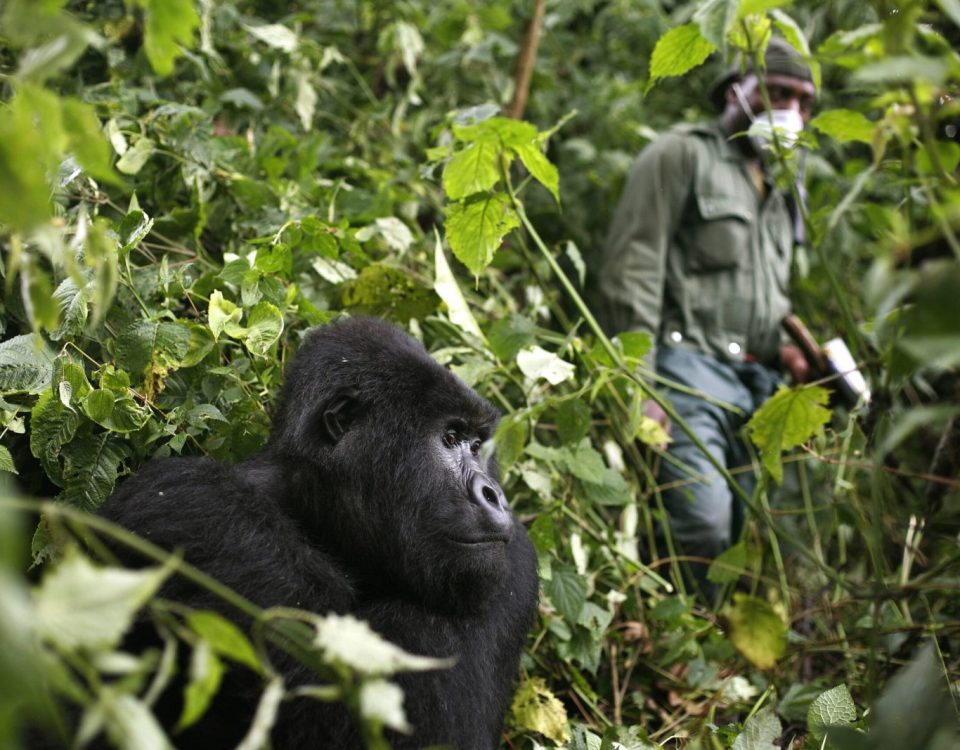
Understanding these behaviours helps wildlife rangers interpret gorilla reactions during research and tourism activities.
Visitors can also appreciate these communication patterns during regulated gorilla trekking encounters.
3. Gorilla Nutrition and Feeding Habits
Mountain gorillas depend primarily on naturally occurring forest vegetation.
Researchers monitor feeding behaviour to identify preferred plant species, seasonal food availability and nutritional requirements.
They investigate how changes in rainfall, temperature and vegetation influence gorilla feeding patterns.
These studies are particularly important because climate change could alter the availability of essential forest foods.
Understanding gorilla nutrition also helps conservation teams assess the suitability of existing habitats and potential forest restoration areas.
4. Gorilla Reproduction and Infant Survival
Long-term research allows scientists to follow individual gorillas throughout their lives.
Researchers record births, infant development, maternal behaviour and reproductive histories.
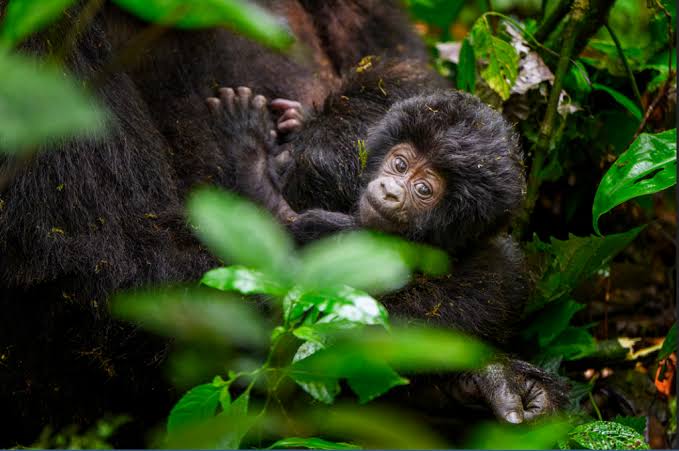
Mountain gorillas reproduce slowly, making infant survival particularly important for population recovery.
By examining records collected over several decades, scientists can investigate how social relationships, maternal experience and environmental conditions influence reproductive success.
This information contributes to population assessments and conservation planning.
5. Gorilla Genetics
Modern genetic research provides opportunities to study biological relationships between mountain gorillas.
Scientists can collect genetic material from dung samples without physically disturbing the animals.
Laboratory analysis can help identify individuals, establish parentage and investigate genetic diversity.
Maintaining sufficient genetic diversity is particularly important for endangered animals living in relatively small, geographically restricted populations.
Genetic information also contributes to population surveys and studies of movement between gorilla groups.
How Scientists Study Stress in Mountain Gorillas
One of the most interesting developments in modern gorilla science involves measuring stress-related hormones through dung samples.
Researchers can examine hormone metabolites without capturing gorillas or collecting blood samples.
A scientific study published in 2016 analysed approximately 6,000 dung samples collected from 127 mountain gorillas belonging to ten habituated groups monitored by Karisoke researchers.
The study helped establish a reliable method for investigating physiological stress in wild mountain gorillas.
Further research published in 2019 examined how social and environmental conditions influence gorilla stress physiology.
PubMed Central (PMC)+1
These methods allow scientists to investigate the potential effects of social conflict, environmental changes and human activities on gorilla health.
Why Long-Term Gorilla Research Is Important
Mountain gorillas can live for several decades. Studying them for only a few months provides limited information about their development and survival.
Karisoke’s extensive research records allow scientists to examine changes over entire lifetimes and multiple generations.
For example, researchers can investigate whether experiences during infancy influence adult social relationships or reproductive success.
Another study used 16 years of records covering 17 mountain gorilla groups to examine how relationships between neighbouring groups influence territorial behaviour.
besjournals
Such research demonstrates the value of maintaining consistent scientific records over extended periods.
The Role of Gorilla Science in Conservation
Scientific research provides evidence that helps conservation organisations make informed management decisions.
| Research finding | Conservation application |
|---|---|
| Changes in gorilla feeding behaviour | Identifying important feeding habitats |
| Respiratory disease monitoring | Improving disease prevention |
| Population growth records | Assessing conservation progress |
| Genetic diversity information | Understanding population vulnerability |
| Movement patterns | Planning habitat protection |
| Stress hormone measurements | Investigating potential disturbance |
| Infant survival records | Identifying demographic challenges |
Research also helps wildlife authorities evaluate whether existing conservation practices remain effective as gorilla populations and environmental conditions change.
The Ellen DeGeneres Campus and Modern Research Facilities
The Ellen DeGeneres Campus of the Dian Fossey Gorilla Fund opened in Rwanda in February 2022.
Located near Volcanoes National Park, the campus provides a permanent base for scientific research, conservation education and professional training.
Its facilities include laboratories, classrooms, research spaces and educational exhibitions.
Unlike the original Karisoke research station, which began with basic camping facilities, the modern campus provides infrastructure for advanced scientific investigations and international collaboration.
The campus also allows visitors to learn about gorilla conservation without entering sensitive mountain gorilla habitats.
Dian Fossey Gorilla Fund+1
Training the Next Generation of African Conservation Scientists
An important part of Karisoke’s continuing legacy involves developing scientific expertise within Africa.
The Dian Fossey Gorilla Fund provides training opportunities for university students, postgraduate researchers and early-career conservation professionals.
Training covers field research, conservation biology, data analysis and scientific communication.
Rwandan scientists contribute directly to research programmes and conservation management. Their knowledge of local environmental conditions and communities is particularly valuable when developing practical conservation strategies.
Supporting African scientific leadership helps ensure that long-term gorilla conservation remains locally informed and professionally managed.
Dian Fossey Gorilla Fund
Can Tourists Visit the Karisoke Research Center?
Visitors interested in mountain gorilla research can explore the Ellen DeGeneres Campus near Volcanoes National Park.
Educational exhibitions introduce visitors to Dian Fossey’s historical research, mountain gorilla behaviour and modern conservation techniques.
Travellers interested in conservation history can also enquire about guided hikes to the original Karisoke research site and Dian Fossey’s burial place.
The historical site and the modern campus are separate locations.
Visiting the campus before gorilla trekking can help you recognise and understand behaviours that you might otherwise overlook during your wildlife encounter.
Frequently Asked Questions
Who founded the Karisoke Research Center?
American primatologist Dian Fossey founded the Karisoke Research Center on 24 September 1967.
Where is the original Karisoke Research Center located?
The original research site lies between Mount Karisimbi and Mount Bisoke in Rwanda’s Volcanoes National Park.
Is Karisoke still conducting gorilla research?
Yes. The Dian Fossey Gorilla Fund continues the long-term gorilla research programme through modern facilities and extensive forest monitoring.
Why do scientists collect gorilla dung?
Dung samples provide genetic, hormonal, dietary and health information without requiring researchers to capture or physically disturb gorillas.
How does Karisoke contribute to mountain gorilla conservation?
Its scientific research helps conservation teams understand population changes, habitat requirements, disease risks and social behaviour.
Can tourists meet gorilla researchers in Rwanda?
Visitors can learn about scientific research at the Ellen DeGeneres Campus. Direct meetings with researchers depend on availability and organised arrangements.
The Karisoke Research Center and modern gorilla science demonstrate how decades of dedicated research can contribute to wildlife conservation.
Since its establishment in 1967, Karisoke has expanded scientific understanding of mountain gorilla behaviour, genetics, reproduction, nutrition and health.
Modern laboratory techniques, long-term behavioural records and environmental monitoring continue providing valuable information for conservation management.
The Ellen DeGeneres Campus represents an important continuation of this scientific work, providing research facilities and training opportunities for future African conservation professionals.
When planning your Rwanda gorilla safari, consider visiting the campus to learn about the research behind mountain gorilla conservation. Understanding this scientific work adds considerable educational value to your experience in Volcanoes National Park.