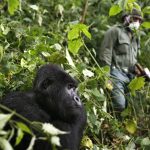
The Batwa People of Bwindi: History, Culture and Experience
The Batwa people of Bwindi are among Uganda’s Indigenous communities with a long historical and cultural connection to the mountain rainforests of southwestern Uganda. For generations, they depended on forests for food, shelter, traditional medicine and spiritual practices, developing extensive knowledge of plants, wildlife and natural resources.
The establishment of Bwindi Impenetrable National Park in 1991 brought significant changes to their traditional way of life. Restrictions on forest access left many Batwa families facing displacement, poverty, land insecurity and difficulties adapting to unfamiliar living conditions.
Today, Batwa communities continue preserving their cultural identity through storytelling, traditional music, dance, handicrafts and community-led tourism experiences.
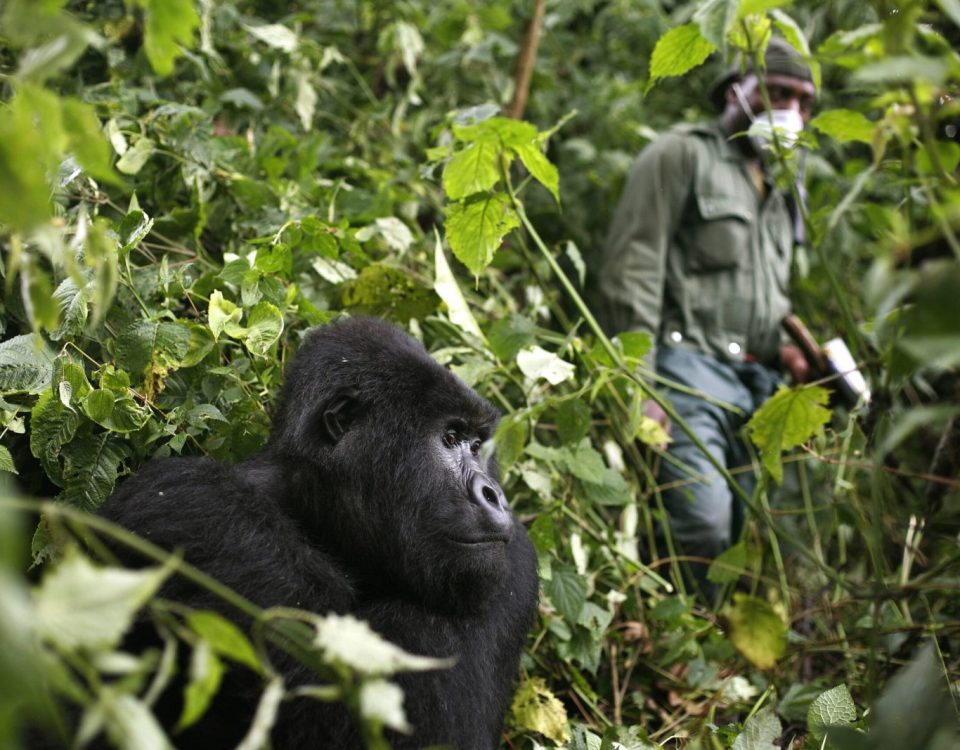
Visitors undertaking gorilla trekking in Bwindi can learn about Batwa history through guided cultural excursions that explain their relationship with the rainforest and the challenges they experience today.
Understanding the Batwa people requires looking beyond cultural performances and recognising their history, rights, knowledge and contribution to Uganda’s cultural heritage.
Who Are the Batwa People of Bwindi?
The Batwa are an Indigenous people whose ancestral territories include forests in Uganda, Rwanda, Burundi and the Democratic Republic of Congo. In Uganda, several Batwa communities live around Bwindi Impenetrable National Park, Mgahinga Gorilla National Park and Echuya Forest Reserve.
Historically, many Batwa families practised hunting and gathering, relying on the rainforest for their daily needs. Their knowledge of forest plants, animal behaviour and seasonal changes helped them survive in environments characterised by dense vegetation and mountainous terrain.
The forest also held cultural and spiritual significance. It provided places for ceremonies, traditional practices and the transmission of knowledge between generations.
Today, Batwa people pursue different livelihoods, including agriculture, tourism, handicraft production, professional employment and community development work. Their cultural identity continues to develop alongside changing social and economic conditions.
History of the Batwa People of Bwindi
Traditional Life Before 1991
Before their displacement, many Batwa families lived within southwestern Uganda’s forests, where they developed sophisticated knowledge of natural resources.
They collected wild fruits, honey, edible roots and medicinal plants. Traditional hunting provided an additional source of food.
Temporary shelters were constructed using branches, leaves and other available natural materials. Oral traditions allowed elders to pass knowledge to younger generations.
The forest provided considerably more than food and shelter. It formed an important part of their identity, cultural relationships and understanding of the natural world.
The Establishment of Bwindi Impenetrable National Park
In 1991, the Ugandan government established Bwindi and Mgahinga as national parks to strengthen wildlife and habitat protection, particularly for endangered mountain gorillas.
The conservation measures resulted in the forced displacement of Batwa communities from their ancestral forests.
Many families lost access to traditional food sources, medicinal plants, cultural sites and established livelihoods without receiving adequate compensation.
Adapting to life outside the forest presented considerable challenges, particularly for families without agricultural land or sufficient financial resources.
The Batwa Struggle for Land Rights
Land ownership remains an important concern for Batwa communities in southwestern Uganda.
In August 2021, Uganda’s Constitutional Court recognised that Batwa ancestors had inhabited and held interests in their ancestral forest territories before their displacement. The court also recognised the inadequacy of compensation provided following the loss of their land.
This historical legal development demonstrated the importance of respecting Indigenous rights when establishing and managing protected areas.
Conservation programmes must consider the rights and welfare of communities affected by wildlife protection policies.
The cultural heritage of the Batwa people reflects their historical relationship with tropical mountain rainforests.
| Cultural practice | Traditional importance |
|---|---|
| Hunting and gathering | Obtaining food and other resources |
| Honey collection | Providing food and natural sweeteners |
| Medicinal plant knowledge | Supporting traditional healthcare |
| Storytelling | Preserving history and cultural knowledge |
| Music and dance | Celebrating cultural identity |
| Shelter construction | Providing protection from forest weather |
| Handicraft production | Creating useful household items |
| Spiritual ceremonies | Maintaining cultural and spiritual traditions |
These practices vary between communities and should not be interpreted as representing the daily lives of every Batwa person today.
Traditional Batwa Music and Dance
Music and dance are important forms of cultural expression among many Batwa communities.
Songs may communicate historical experiences, celebrate community relationships or describe life within the forest.
Traditional performances can involve rhythmic clapping, singing, dancing and locally made instruments.
During organised cultural visits, community members may demonstrate selected songs and dances while explaining their significance.
Visitors should appreciate these performances as expressions of a living culture rather than expecting community members to recreate their historical lifestyles for entertainment.
Batwa Knowledge of Medicinal Plants
Generations of living within forest environments allowed Batwa communities to develop extensive knowledge of plant species.
Traditional knowledge includes identifying edible plants, recognising poisonous vegetation and preparing plant-based remedies.
During cultural excursions, Batwa guides may explain how particular leaves, roots and tree bark were traditionally used.
This knowledge forms an important part of Uganda’s Indigenous cultural heritage.
However, traditional medicinal uses should not be interpreted as scientifically established treatments. Visitors should avoid consuming unfamiliar plants or remedies without appropriate medical guidance.
The Batwa Cultural Experience in Bwindi
The Batwa Cultural Experience provides visitors with opportunities to learn about Indigenous history, traditional forest knowledge and contemporary community life.
The established Batwa Experience near Buhoma operates outside Bwindi Impenetrable National Park and introduces travellers to selected aspects of traditional forest living.
The experience may include guided forest walks, storytelling, demonstrations of traditional skills and cultural performances.
Activities vary depending on the organisation conducting the visit and the preferences of participating community members.
Visit Bwindi+2
What to Expect During a Batwa Cultural Visit
A typical cultural excursion may include the following activities:
-
Learning about Batwa history and ancestral forest territories.
-
Identifying traditionally important forest plants.
-
Observing demonstrations of traditional shelter construction.
-
Learning about honey collection and historical hunting practices.
-
Listening to traditional songs and stories.
-
Purchasing locally produced handicrafts.
-
Discussing contemporary community life and development priorities.
Choose experiences where Batwa community members have meaningful control over the activities, information shared and income generated.
Batwa Cultural Experience vs Batwa Trail
Visitors frequently confuse the Batwa Cultural Experience in Bwindi with the Batwa Trail in Mgahinga Gorilla National Park.
Although both introduce travellers to Batwa heritage, they operate in different locations.
| Feature | Batwa Cultural Experience | Batwa Trail |
|---|---|---|
| Location | Bwindi area, particularly Buhoma | Mgahinga Gorilla National Park |
| Main focus | Community history and traditional skills | Ancestral forest heritage |
| Environment | Community land and designated cultural sites | Protected mountain forest |
| Typical activities | Storytelling, demonstrations and cultural walks | Guided forest walks and cultural interpretation |
| Suitable itinerary | Bwindi gorilla trekking | Mgahinga gorilla or golden monkey trekking |
The Batwa Trail in Mgahinga may also include a visit to Garama Cave, which holds historical and cultural significance for the community.
Confirm current activity arrangements before travelling.
Where to Experience Batwa Culture Around Bwindi
Buhoma Sector
Buhoma is one of the best-established locations for organised Batwa cultural experiences.
Visitors can combine mountain gorilla trekking with a community-guided excursion that introduces Batwa history and traditional forest knowledge.
Rushaga Sector
Travellers staying in Rushaga can enquire about cultural visits involving neighbouring Batwa communities.
These experiences can complement standard gorilla trekking or the extended gorilla habituation experience.
Nkuringo Sector
Nkuringo provides opportunities to explore community life in southern Bwindi.
Local guides and accommodation providers may help arrange visits with participating Batwa communities.
Ruhija Sector
Visitors staying in Ruhija can enquire about locally organised cultural activities and community visits.
Availability varies, so arrangements should be confirmed before arrival.
How Much Does a Batwa Cultural Experience Cost?
Prices depend on the community organisation, location, excursion duration and included services.
| Cultural activity | Indicative cost per person |
|---|---|
| Short community visit | US$15–$30 |
| Guided cultural experience | US$30–$60 |
| Extended forest heritage experience | US$60–$100 |
| Handicraft purchases | Depends on the product |
| Optional guide gratuity | At your discretion |
These figures are general budgeting estimates rather than official tariffs.
Before booking, ask how the activity fees are distributed and whether participating Batwa guides and community organisations receive direct financial benefits.
Challenges Facing Batwa Communities Today
Despite the growth of wildlife tourism around Bwindi, many Batwa families continue experiencing significant social and economic challenges.
These include limited access to land, discrimination, inadequate housing, barriers to education and restricted employment opportunities.
Displacement has also affected the ability of elders to pass traditional forest knowledge to younger generations.
Community organisations such as the United Organisation for Batwa Development in Uganda advocate for Indigenous rights, land access and meaningful participation in decisions affecting Batwa communities.
The Batwa Development Program also supports initiatives relating to livelihoods, healthcare, education and cultural preservation.
forestpeoples.org+2
Tourism can provide useful income, but it cannot replace land rights, equal access to public services or long-term economic opportunities.
How to Support the Batwa Through Responsible Tourism
Visitors can contribute positively to Batwa communities by choosing community-led cultural experiences and purchasing products directly from local craftspeople.
Always request permission before photographing individuals, particularly children. Avoid entering private homes without an invitation or treating poverty as a tourist attraction.
Listen respectfully when community members discuss their history and contemporary experiences.
Ask your safari operator whether cultural activity fees reach the participating community directly.
Supporting Batwa-owned organisations and businesses allows community members to exercise greater control over their cultural heritage and economic development.
Frequently Asked Questions
Who are the Batwa people of Bwindi?
The Batwa are an Indigenous people with ancestral connections to the mountain rainforests of southwestern Uganda and neighbouring countries.
Why were the Batwa removed from Bwindi Forest?
The establishment of protected national parks in 1991 led to their displacement and restrictions on access to ancestral forest territories.
Do the Batwa still live inside Bwindi Forest?
Batwa communities generally live outside the protected national park following their displacement and restrictions on forest residence.
Can tourists visit Batwa communities?
Yes. Organised, community-approved cultural experiences are available around Bwindi and Mgahinga.
How long does a Batwa cultural experience take?
Many excursions last approximately two to four hours, although longer experiences may be available.
Is the Batwa cultural experience suitable for children?
Yes. Age-appropriate cultural visits can help children learn about Indigenous history, traditional forest knowledge and Uganda’s cultural diversity.
Does visiting the Batwa support local communities?
It can, particularly when the experience is community-led and revenue is distributed fairly among participating community members.
The Batwa people of Bwindi possess a rich cultural heritage shaped by generations of living within southwestern Uganda’s mountain rainforests. Their traditional knowledge, storytelling, music and historical experiences form an important part of Uganda’s Indigenous heritage.
However, their displacement following the establishment of protected areas created significant challenges that continue affecting many families today.
A responsible Batwa cultural experience provides opportunities to learn about this history while supporting community-led tourism and cultural preservation.
When planning your gorilla safari in Bwindi, consider including a respectful cultural visit. Choose experiences that recognise the dignity, rights and independence of the Batwa people while allowing them to share their heritage on their own terms.