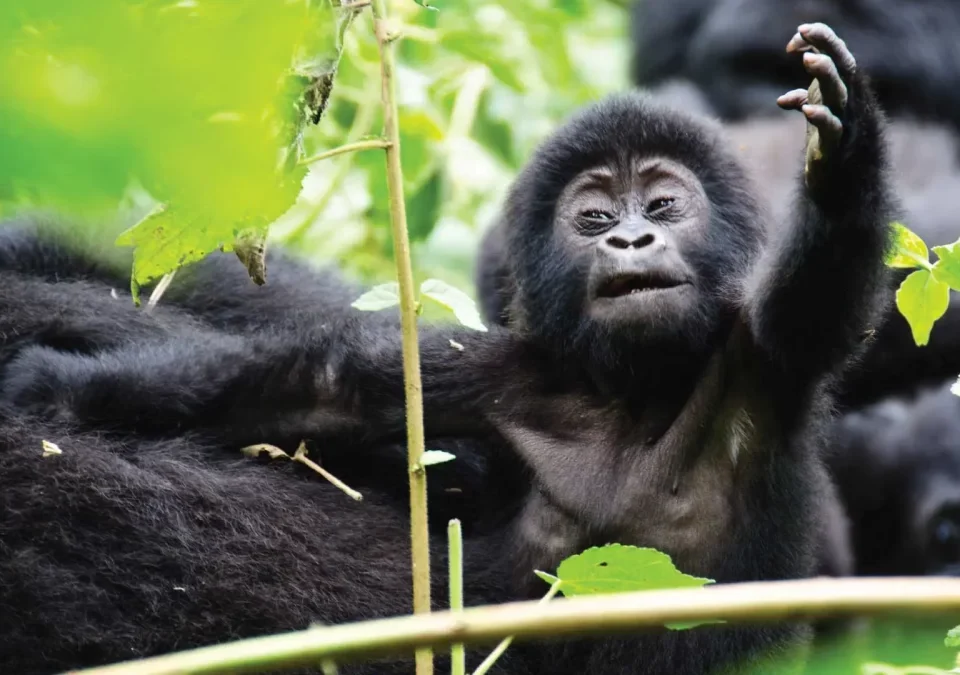
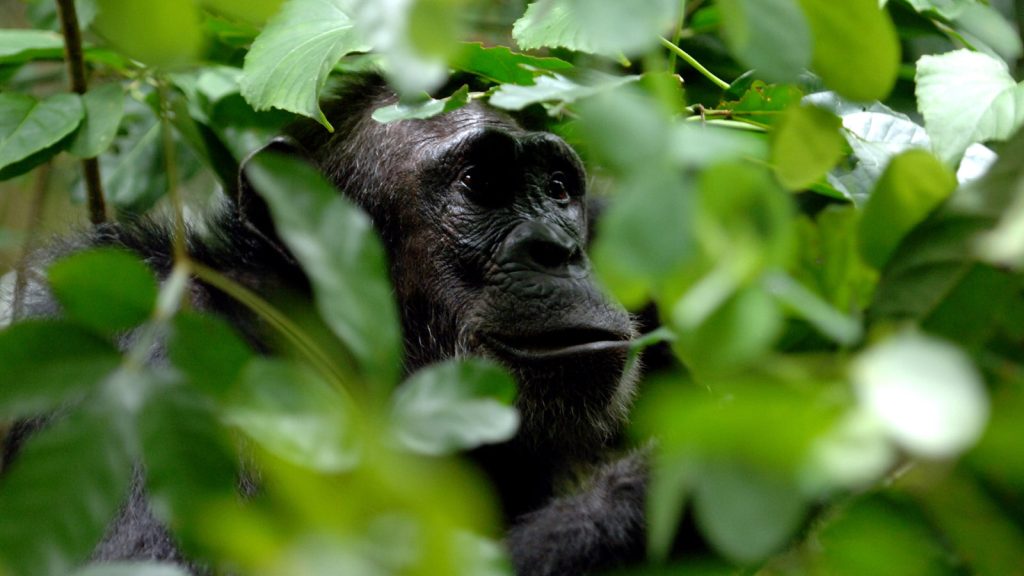
Rwanda Gorilla Tours: One of the most amazing activities you can do during your African vacation is mountain gorilla trekking in Rwanda. Many people have called seeing Rwanda’s endangered mountain gorillas a “unforgettable lifetime experience,” as they get to see these unusual primates in their native habitat. To learn more about gorilla excursions in Rwanda, keep reading this page.
One must travel to Rwanda, Uganda, or the Democratic Republic of the Congo to see mountain gorillas because they cannot survive in captivity. You can monitor and observe mountain gorillas in just three countries worldwide.
As a result, the money you spend on your gorilla trekking permit goes a long way toward protecting this endangered species, helping the local populations surrounding the park, and building infrastructure. In Rwanda, gorilla trekking is conducted in Volcanoes National Park, which is easily accessible due to the short “two-hour” drive from Kigali City to the park via paved roads.
Even though mountain gorillas are the main draw in Volcanoes National Park, there are also a number of other fascinating things to do there, such as trekking with golden monkeys, hiking Mount Karisimbi and Mount Bisoke, visiting the Iby’wacu Cultural Center, exploring the Twin Lakes of Burera and Ruhondo, and hiking the Dian Fossey Hike.
Golden monkey trekking

There are currently 1,200 mountain gorillas in danger of extinction, and half of those that are left in the wild can be found in Uganda’s two national parks, Mgahinga Gorilla National Park and Bwindi Impenetrable National Park. In Rwanda, a gorilla permit costs $1500, whereas in Uganda, it costs $800 per person. Another reason for the high demand for gorilla licenses is the endangered status of mountain gorillas.
You are tasked with tracking mountain gorillas in a number of habituated gorilla families at each gorilla safari location. More than 10 habituated gorilla families can be found in Rwanda’s Volcanoes National Park, while more than 23 habituated gorilla groups can be found in Uganda’s Bwindi Impenetrable National Park, which is separated into four sectors: Rushaga, Nkuringo, Ruhija, and Buhoma.
Booking a gorilla permit in advance is advised. Depending on where they are, tracking one of the gorilla families you are assigned to can take anything from thirty to six hours. After you’ve assigned them, you’ll get an hour to spend with them, learn about their habits, how they eat, how to survive in the jungle, and take some amazing pictures.
In actuality, high-altitude mountainous areas between 2,300 to 45,00 meters are home to mountain gorillas. Before reaching the gorilla family, the hike may pass through challenging terrain, steep slopes, and muddy trails. It can be difficult for those with disabilities, the elderly, seniors, and others who aren’t physically well for any reason.
Prior to obtaining a gorilla trekking permit, you must be certain that you are physically capable of making the trip. Visitors who are elderly or crippled and cannot travel long distances can purchase sedan chairs with steel foundations, handles, and sea belts.
The porters will carry an elderly person till they locate the mountain gorillas. Porters will collect you after your gorilla hike and transport you back to the starting point, where a professional driver will be waiting.
Note: Each sedan chair costs $500 USD. People who are concerned about their fitness level can hire porters to help them carry their bulky backpacks and to help them during the most physically demanding parts of the journey. Porters charge between $15 and $20 per hour.
Gorilla Trekking in the Democratic Republic of Congo
The Democratic Republic of Congo (DRC) is home to two gorilla species found nowhere else together: mountain gorillas in Virunga National Park and eastern lowland gorillas (Grauer’s gorillas, Gorilla beringei graueri) in Kahuzi-Biega National Park. Both are UNESCO World Heritage Sites.
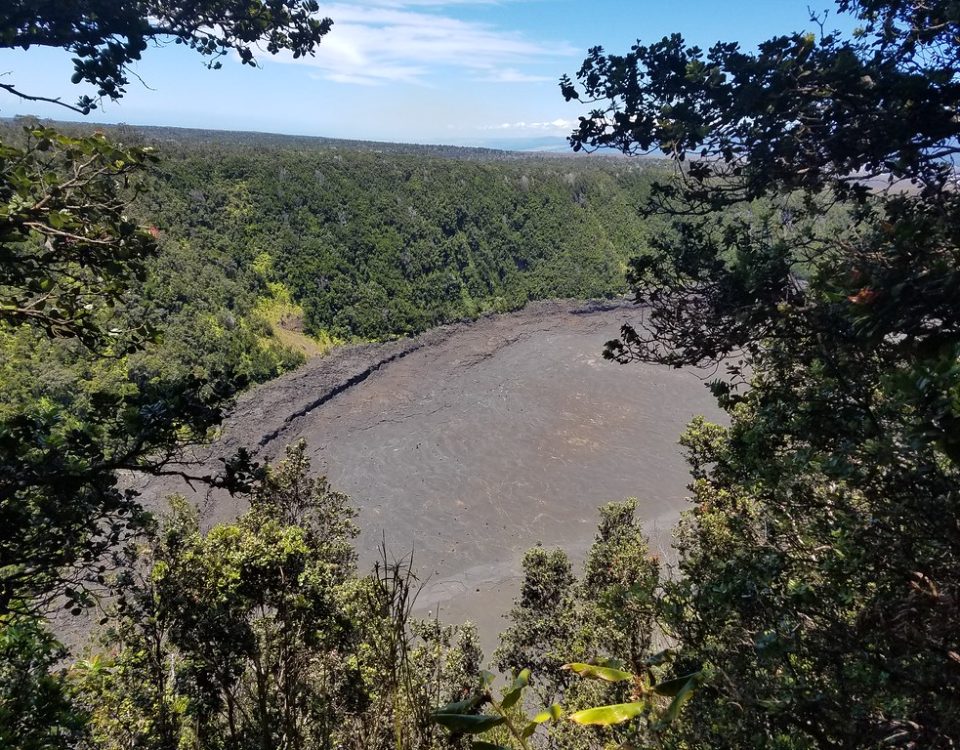
Virunga National Park – Africa’s oldest national park, established in 1925 – covers 7,900 km² of remarkable ecological diversity, from the volcanic peaks of the Virunga Massif to the glaciers of the Rwenzori Mountains and the tropical lowland forests of the Congo Basin. The park is also home to hippos, elephants, okapis, and the entire cast of Congo rainforest wildlife.
Eastern Lowland Gorillas – A Unique Encounter
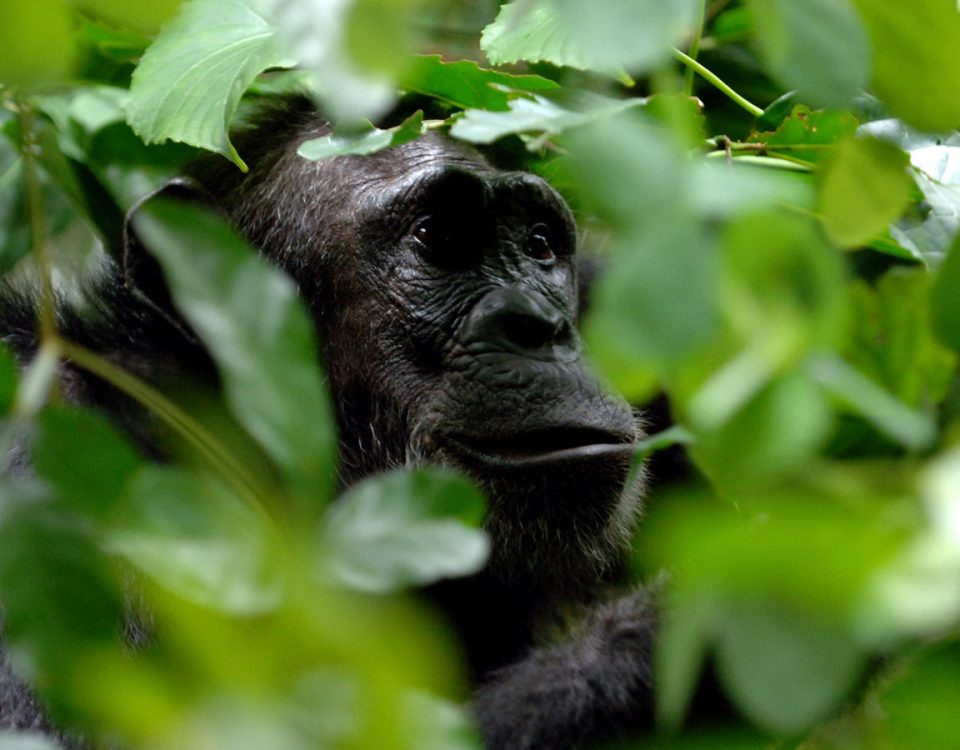
The eastern lowland gorilla (Grauer’s gorilla) is the world’s largest subspecies of gorilla, with silverbacks weighing up to 220kg. Found only in the DRC, Grauer’s gorillas are considerably rarer than mountain gorillas – their population has declined by more than 70% since the 1990s due to conflict, habitat loss, and poaching. Kahuzi-Biega National Park in South Kivu offers the only reliable trekking experience with habituated Grauer’s gorilla families.
A gorilla permit in the DRC costs USD 400 per person – significantly cheaper than Rwanda (USD 1,500) or Uganda (USD 800). The experience is raw, off-the-beaten-track, and unforgettable for travellers seeking something genuinely uncommon.
Practical Information for DRC Gorilla Trekking
Getting to Virunga and Kahuzi-Biega
The most common entry point to eastern DRC is via Kigali, Rwanda. Goma – the gateway to Virunga National Park – is just 80km from Kigali. Direct flights from Nairobi and Kampala also serve Goma. Bukavu (gateway to Kahuzi-Biega) is accessible from Goma by road (3-4 hours) or by light aircraft.
Is it safe to trek gorillas in the DRC?
Security in eastern DRC is complex and fluctuates. Virunga National Park and Kahuzi-Biega have experienced periods of closure due to armed group activity. Always check current security conditions with your tour operator and your government’s travel advisory before planning a DRC gorilla trek. Reputable operators with established local security networks are essential.
Recommended Tours: 8 Days Congo Gorillas & Nyiragongo Safari | 5 Days Lowland Gorilla Safari Congo